
حوّل رؤى الذكاء الاصطناعي إلى أفعال منسّقة

الرائج الآن
Categories
Expanding Fire Seasons Drive Demand for Aviation Pilots and Mechanics

Expanding Fire Seasons Drive Demand for Aviation Pilots and Mechanics
Increasing Wildfire Activity and Operational Challenges
As wildfire seasons in the United States grow longer and more severe, the demand for skilled aviation professionals has surged dramatically. At airtanker bases, preparations for wildfire response begin well before any visible signs of smoke. Crews start early mornings with maintenance inspections, aircraft status reviews, and readiness checks to ensure immediate deployment capability. Operational briefings conducted in coordination with the U.S. Forest Service (USFS) and Bureau of Land Management (BLM) focus on fire behavior, weather conditions, airspace coordination, and mission objectives. Mechanics and avionics specialists play a critical role, meticulously inspecting and troubleshooting aircraft to meet stringent airworthiness standards. Behind the scenes, maintenance control teams, logistics coordinators, and planners collaborate closely to maintain rapid response readiness.
The necessity of this highly coordinated effort has intensified as wildfire seasons, once confined to a few summer months, now extend across much of the year. Research from Climate Central indicates that wildfire seasons have lengthened by more than 100 days since the 1970s. What were previously isolated regional events now span multiple states and require longer operational windows. The expansion of the wildland-urban interface (WUI)—areas where human development meets wildland vegetation—has increased by 179,000 square miles between 1990 and 2020, accompanied by a 47% rise in homes constructed within these zones. Consequently, fires that once burned primarily in remote forests now pose significant threats to homes, infrastructure, and entire communities, necessitating faster and more sustained aerial firefighting efforts.
Workforce Shortages and Industry Responses
This evolving landscape has heightened the demand not only for pilots but also for a broad spectrum of aviation specialists. The industry is confronting a severe talent shortage, with projections suggesting that by 2026, the demand for pilots could outpace supply by as many as 24,000. The shortage extends beyond pilots to include licensed aircraft mechanics, structural specialists, certified non-destructive testing professionals, machinists, design engineers, avionics technicians, and maintenance control personnel. Wildland firefighting requires professionals capable of making rapid decisions in high-stress environments, often operating aircraft at low altitudes, in extreme temperatures, and under repeated structural stress. Ensuring safety and airworthiness under these demanding conditions requires deep technical expertise and extensive hands-on experience.
In response to escalating operational risks and workforce shortages, aviation companies are significantly increasing investments in training programs and recruitment efforts to attract new talent. Competition to retain skilled personnel has intensified, with many employers offering higher wages and enhanced benefits to meet growing demand. However, broader industry challenges add complexity to these efforts. Boeing, for example, is undergoing an industrial reset amid profitability challenges, while geopolitical tensions—particularly with China—pose potential risks to the company’s capacity to meet rising demand for aviation services.
As wildfire seasons continue to expand, the aviation sector faces mounting pressure to close the talent gap and maintain readiness for increasingly complex wildfire missions. The effectiveness of future wildfire response will depend not only on advanced aircraft technology but also on the skilled professionals who ensure these aircraft remain operational and safe.
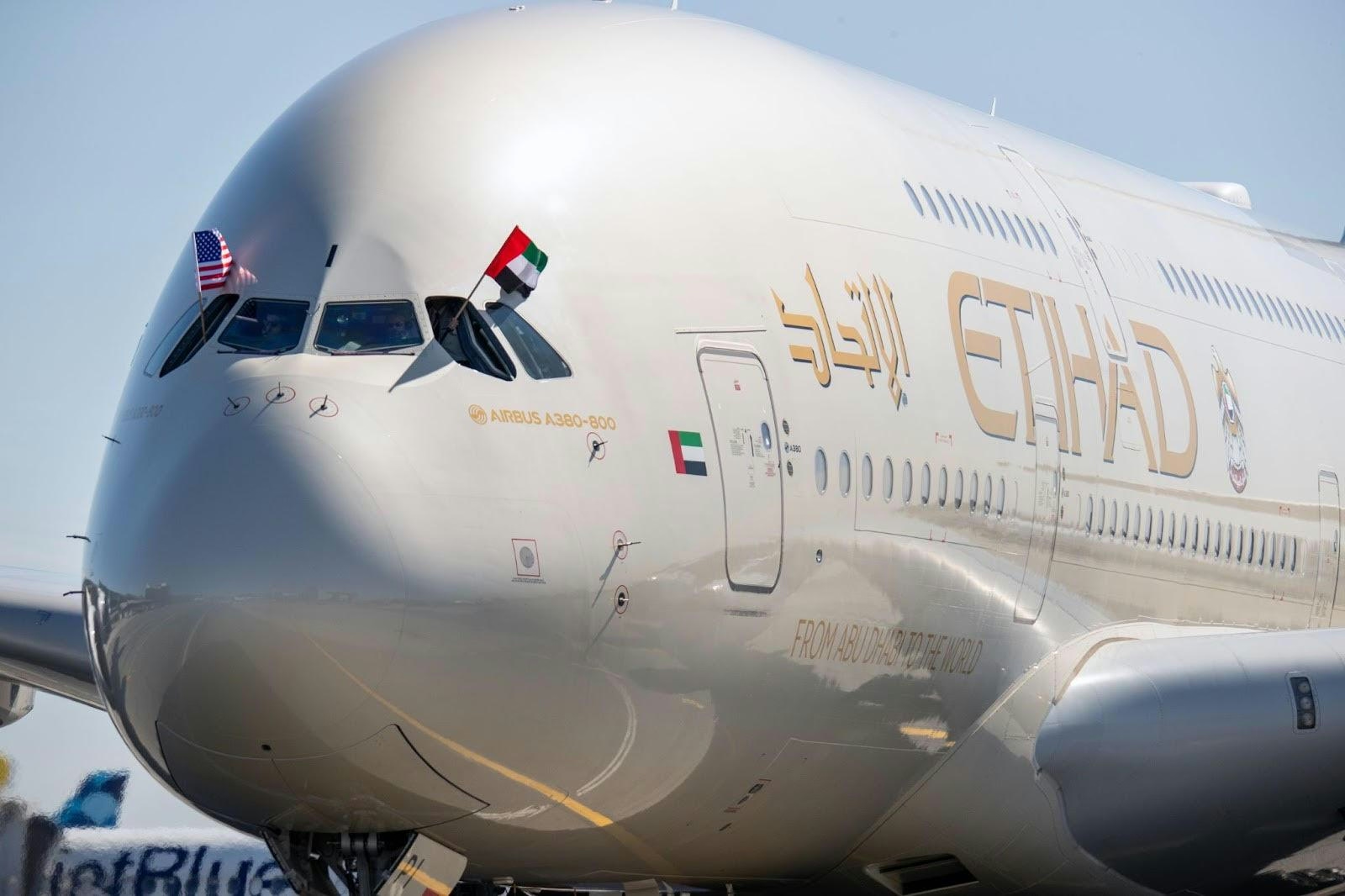
Etihad Airways Suspends Airbus A380 Flights on Key Route

Aditya Birla Group Seeks Approval for Aircraft Leasing in GIFT City

Qatar Airways Highlights Innovation and Connectivity at Arabian Travel Market 2026
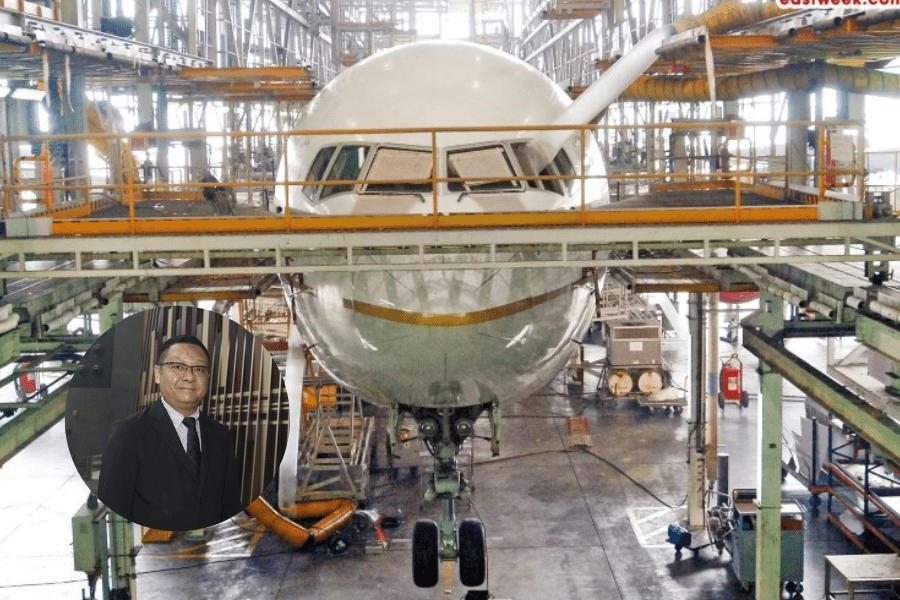
Hong Kong's Five-Year Plan Includes Andrew Fan's Aircraft Parts Processing Hub Proposal
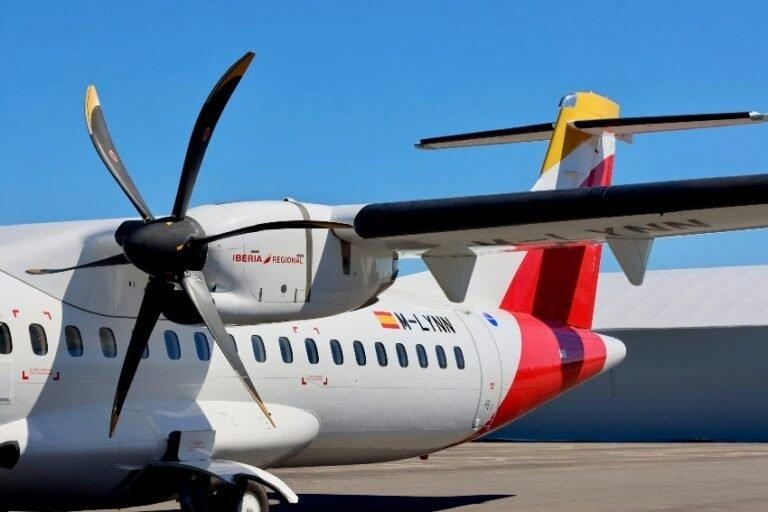
ACIA Aero Leasing Delivers ATR72-600 to Air Nostrum
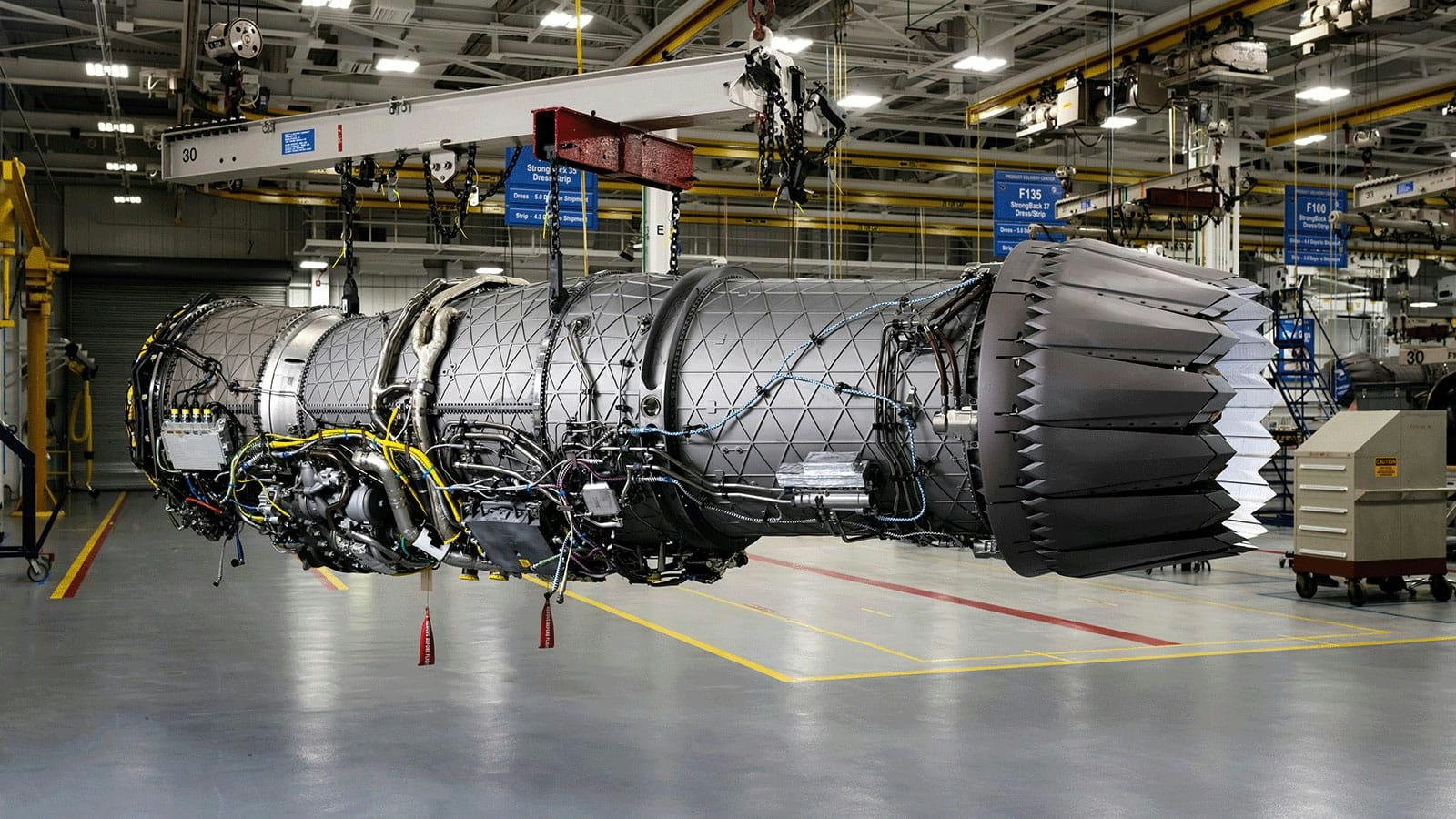
RTX Appoints Jill Albertelli as Head of Pratt & Whitney

TAT Technologies Joins Beyond Aero Hydrogen Aircraft Program
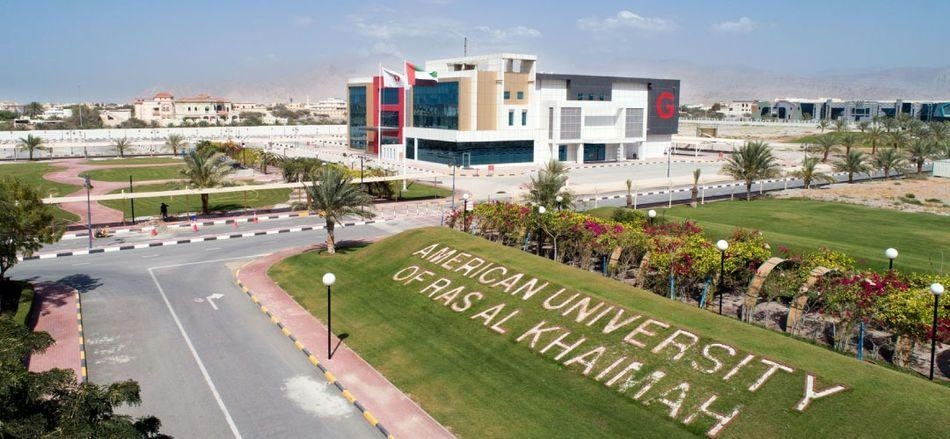
AURAK Study Highlights Barriers to Air Taxi Adoption in Emerging Economies
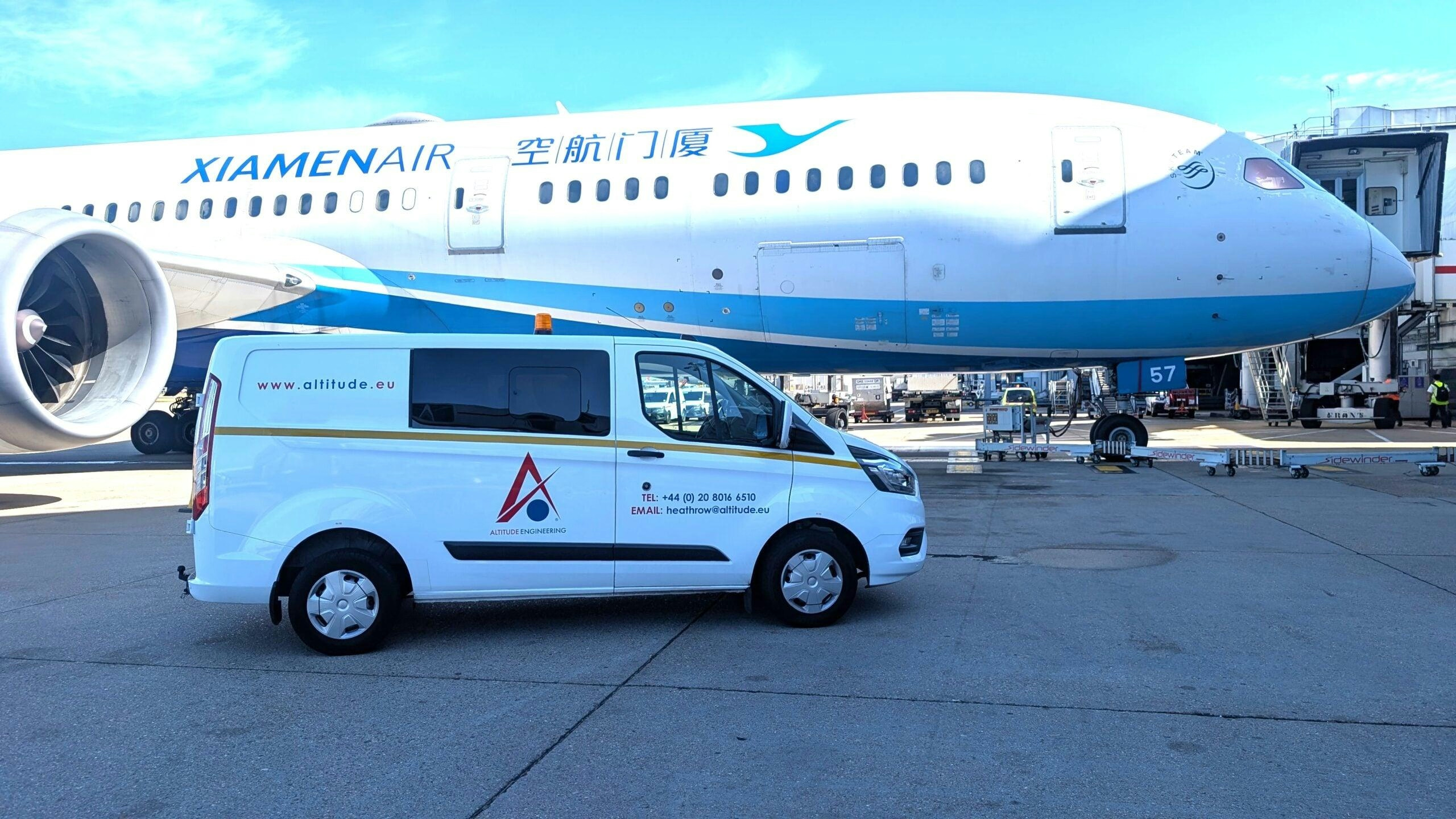
Xiamen Air Selects Altitude for 787 Maintenance at Heathrow
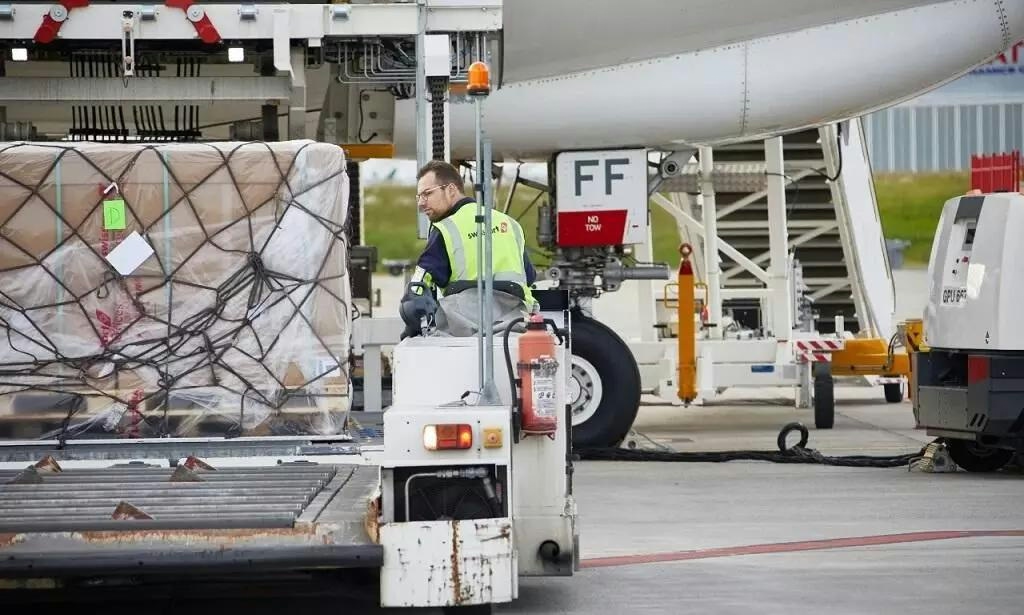
Etihad and Swissport Extend Global Partnership
