
حوّل رؤى الذكاء الاصطناعي إلى أفعال منسّقة

الرائج الآن
Categories
Frontier Airlines Returns 24 Jets and Delays Deliveries, Affecting US Travel in 2026
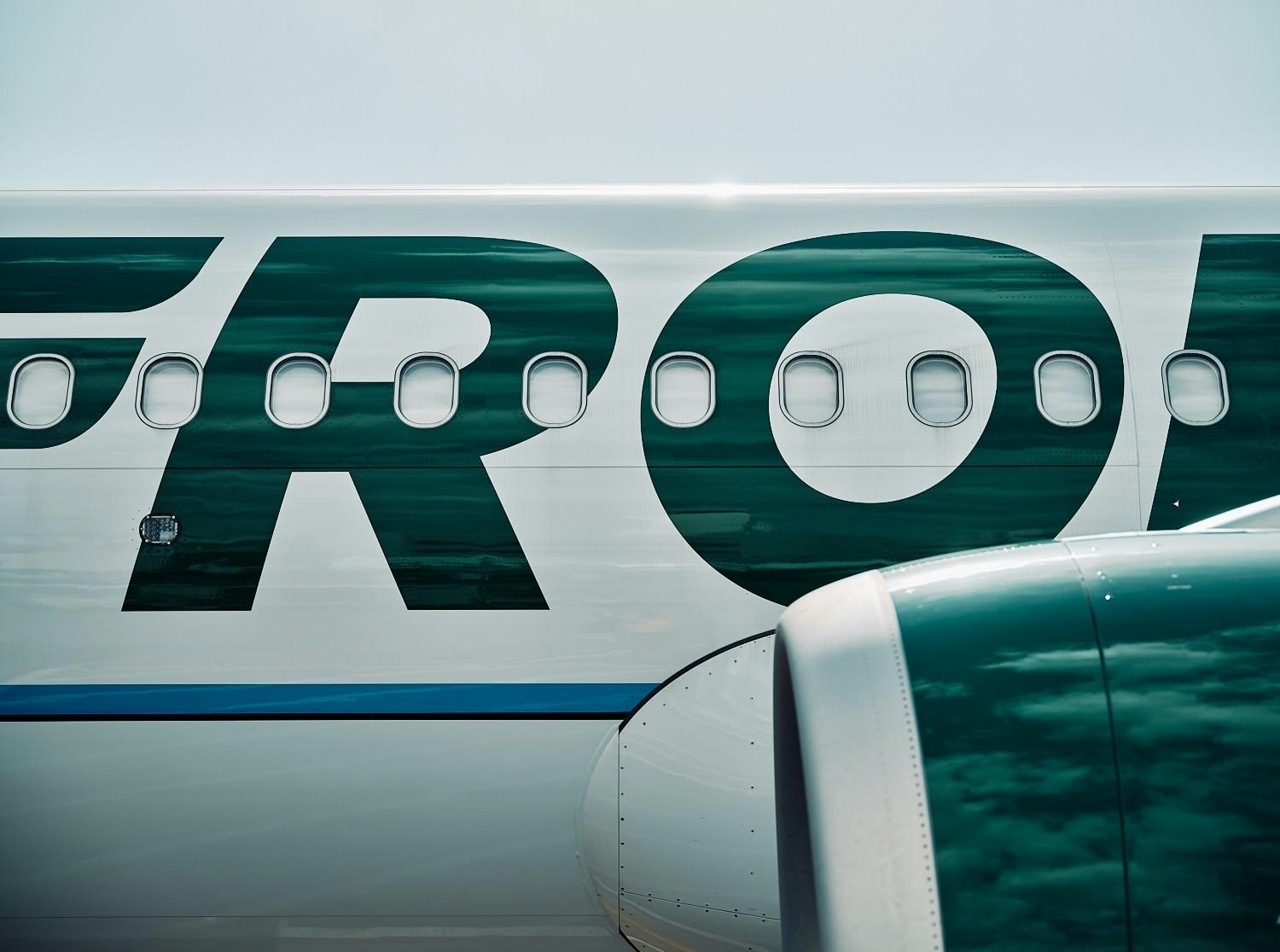
Frontier Airlines Returns 24 Jets and Delays Deliveries, Affecting US Travel in 2026
Frontier Airlines, a prominent U.S. low-cost carrier headquartered in Denver, has announced a significant revision of its fleet strategy by returning 24 Airbus A320neo aircraft and deferring the delivery of 69 additional jets. This decision forms part of a comprehensive fleet optimization plan following the airline’s reported $137 million loss for 2025 and ongoing financial challenges.
Cost Savings and Operational Adjustments
By returning 24 A320neo aircraft early to lessor AerCap Holdings, Frontier anticipates annual savings of approximately $200 million by 2027. Additionally, the airline is postponing the delivery of 69 new Airbus jets, originally scheduled between 2027 and 2030, to a later period spanning 2031 to 2033. This strategic adjustment aims to reduce lease expenses, enhance aircraft utilization, and better align capacity with prevailing market demand.
This cautious approach reflects the broader economic pressures confronting U.S. low-cost carriers, including rising fuel costs, labor shortages, and fluctuating travel patterns. In response, Frontier is focusing on streamlining operations and maximizing the efficiency of its existing fleet to preserve cash flow and improve operational reliability amid an uncertain environment.
Industry Implications and Competitive Challenges
Frontier’s announcement has raised concerns among investors and industry analysts regarding the airline’s financial stability and its capacity to maintain competitiveness. A reduced fleet size may hinder Frontier’s ability to sustain profitability and defend its market share, especially as rival carriers seek to exploit potential opportunities within the low-cost segment. The airline’s ongoing struggles with negative operating margins suggest that this retrenchment could invite increased competition on key routes.
This development also highlights the broader difficulties faced by U.S. low-cost carriers, which continue to lag behind more profitable international airlines despite a gradual recovery in global travel. Frontier’s fleet reduction underscores the delicate balance that carriers must maintain between pursuing growth and ensuring financial resilience in a challenging market.
Impact on Aircraft Manufacturers
The deferral of new aircraft deliveries presents additional challenges for manufacturers such as Airbus and Boeing, who are already contending with variable order volumes and evolving airline strategies. Delays in delivery schedules may disrupt production planning and affect revenue projections, illustrating the wider ripple effects of volatility within the aviation industry in 2026.
Outlook
As Frontier recalibrates its fleet and operational approach, the airline is betting on a more sustainable and flexible business model to navigate ongoing market uncertainties. While the effectiveness of this strategy in restoring profitability and securing Frontier’s position in the competitive U.S. airline sector remains uncertain, it represents a notable shift in how the carrier—and the industry at large—approaches growth in the post-pandemic era.

Etihad Airways Suspends Airbus A380 Flights on Key Route

Aditya Birla Group Seeks Approval for Aircraft Leasing in GIFT City

Qatar Airways Highlights Innovation and Connectivity at Arabian Travel Market 2026

Hong Kong's Five-Year Plan Includes Andrew Fan's Aircraft Parts Processing Hub Proposal

ACIA Aero Leasing Delivers ATR72-600 to Air Nostrum

RTX Appoints Jill Albertelli as Head of Pratt & Whitney

TAT Technologies Joins Beyond Aero Hydrogen Aircraft Program

AURAK Study Highlights Barriers to Air Taxi Adoption in Emerging Economies

Xiamen Air Selects Altitude for 787 Maintenance at Heathrow

Etihad and Swissport Extend Global Partnership
