
حوّل رؤى الذكاء الاصطناعي إلى أفعال منسّقة

الرائج الآن
Categories
Hitachi Energy to Develop Power Grid for Flying Taxis
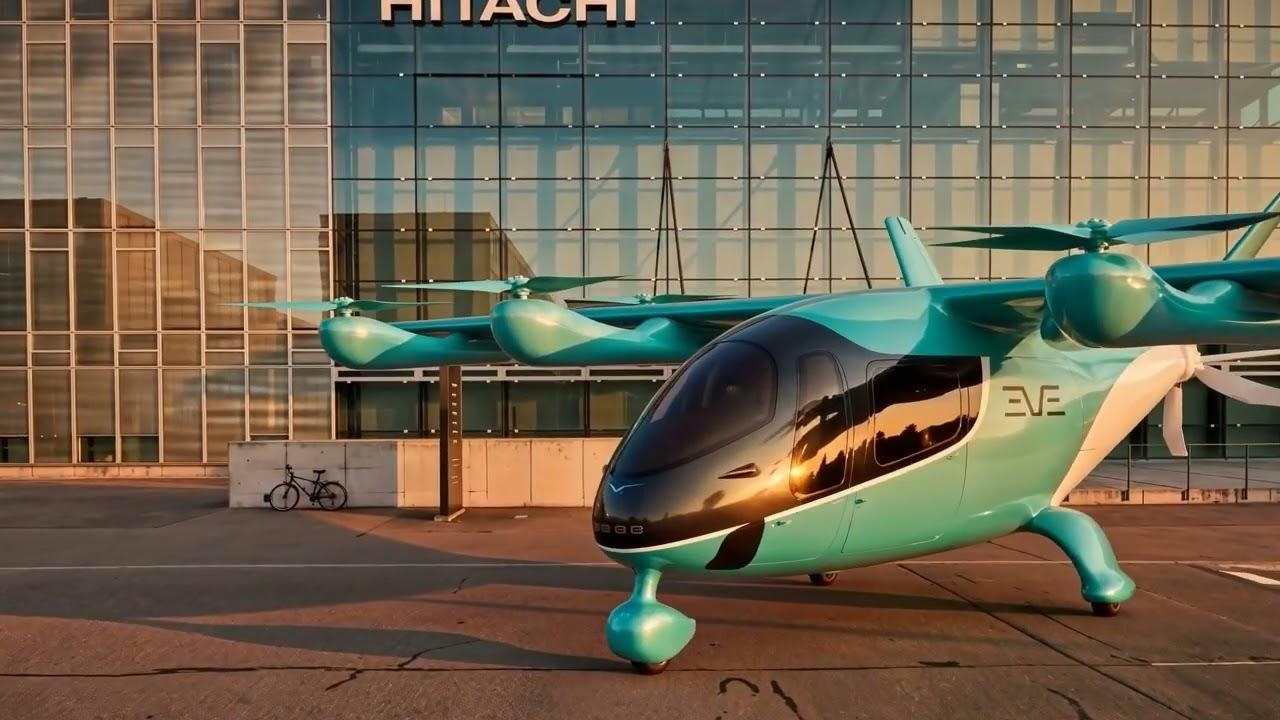
Hitachi Energy and Eve Air Mobility Collaborate to Power Flying Taxi Infrastructure
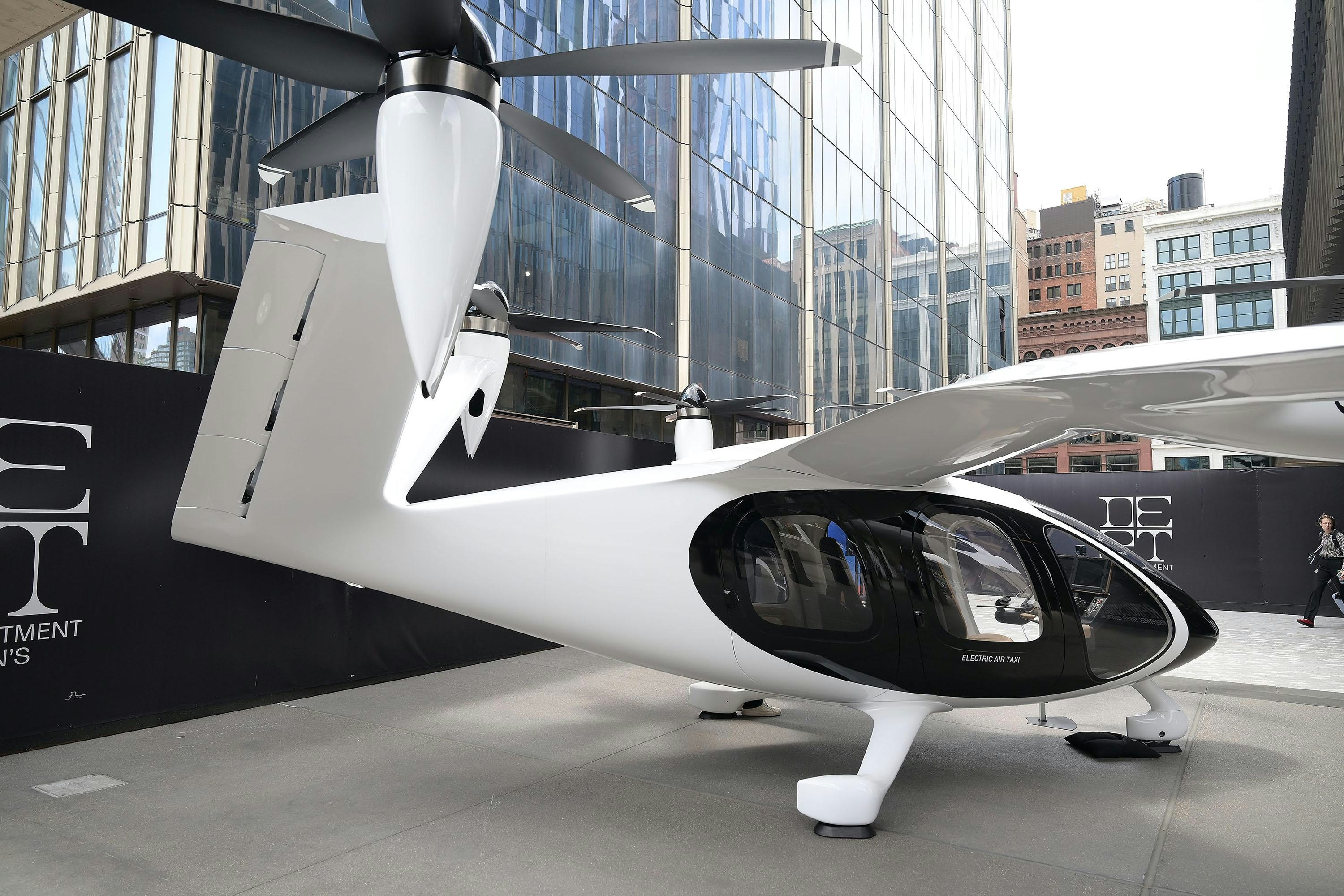
Hitachi Energy and Eve Air Mobility have entered into a Memorandum of Understanding to jointly develop the electrical infrastructure critical to the advancement of urban air mobility. This partnership focuses on addressing the complex challenge of powering electric vertical takeoff and landing (eVTOL) aircraft—commonly referred to as flying taxis—by integrating sophisticated charging and grid solutions within urban environments.
Eve Air Mobility, supported by aerospace leader Embraer, is at the forefront of designing eVTOL aircraft tailored for city use. Hitachi Energy, recognized globally for its expertise in grid integration and power electronics, will adapt its Grid-eMotion charging platform to meet the specific demands of eVTOL operations. This collaboration aims to bridge the technological gap between innovative aircraft and the reliable, high-capacity power supply essential for their operation.
Developing the Foundation for Urban Air Mobility
The partnership encompasses several key areas, including ensuring that vertiports—the designated takeoff and landing sites—have consistent and adequate access to electricity. It also involves the development of high-power charging systems capable of supporting the frequent and intensive charging cycles characteristic of urban air taxi services. Furthermore, the collaboration seeks to integrate these new energy demands seamlessly into existing power grids, which were not originally designed to accommodate such intensive and repetitive loads.
As urban air mobility approaches commercial viability, attention is increasingly turning to the infrastructure that will support it. Reliable grid connections and rapid charging capabilities are vital for scaling operations, necessitating substantial investment and coordination among city planners, utility providers, and aviation regulators.
Sustainability Initiatives and Market Strategy
A significant element of the partnership is the plan to repurpose used aviation batteries for stationary energy storage once they are no longer fit for flight. This strategy aims to enhance the sustainability of the urban air mobility ecosystem by extending battery life and minimizing waste.
In addition to technical collaboration, the companies will work together on joint business modeling and coordinated customer engagement, with the goal of scaling infrastructure on a global level rather than on a city-by-city basis. This comprehensive approach is essential as the eVTOL market expands and competition intensifies, with other industry players expected to develop or enhance similar infrastructure solutions.
Industry Perspectives and Future Prospects
While the concept of flying taxis is gaining traction, the path to widespread adoption involves significant challenges. The development of extensive infrastructure requires considerable investment and cross-sector collaboration. Initial responses from traditional aviation and energy sectors may be cautious, but optimism is anticipated to grow as urban air mobility demonstrates its operational and commercial feasibility.
Eve Air Mobility, publicly traded on the New York Stock Exchange (NYSE: EVEX, EVEXW) and Brazil’s B3 (B3: EVEB31), projects certification and commercial operations by 2028. The company currently holds letters of intent for approximately 2,700 eVTOL aircraft worldwide. Meanwhile, Hitachi Energy is investing over $9 billion in research and development, manufacturing, and strategic partnerships to advance electrification and modernize power grids.
Johann Bordais, CEO of Eve Air Mobility, emphasized the importance of cross-industry collaboration, stating, “Building a successful urban air mobility ecosystem requires collaboration across industries. As the sector moves toward commercial operations, it is increasingly important to understand how charging infrastructure, grid connectivity, and vertiport energy requirements will be integrated into existing networks. The collaboration with Hitachi Energy supports our ongoing efforts to help enable the infrastructure needed for safe, efficient, scalable, and economically sustainable eVTOL operations worldwide.”

Etihad and Swissport Extend Global Partnership

Sepehran Airlines B737 Returns to Mashhad After Tyre and Engine Issues

Etihad Deploys Widebody Fleet to Meet Strong Demand

Korean Air Finalizes $36.2 Billion Deal with Boeing
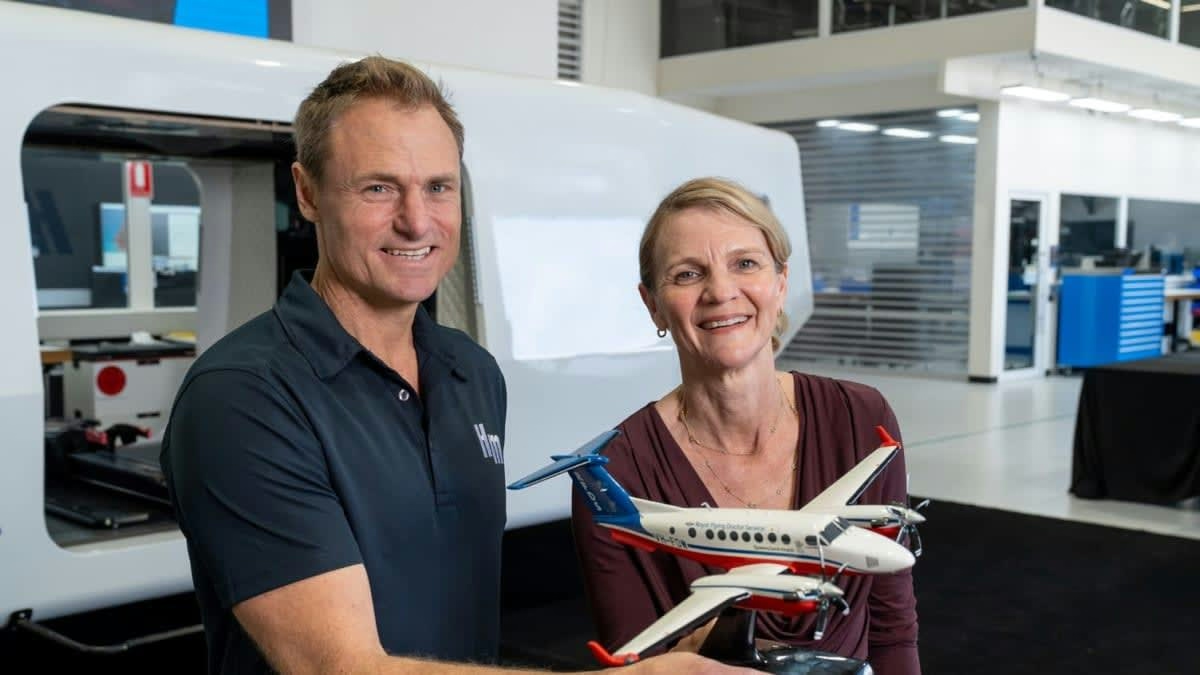
Australia’s RFDS Queensland Section Orders Six King Air 260Cs

Korean Air Finalizes Order for 103 Boeing Jets and Engines
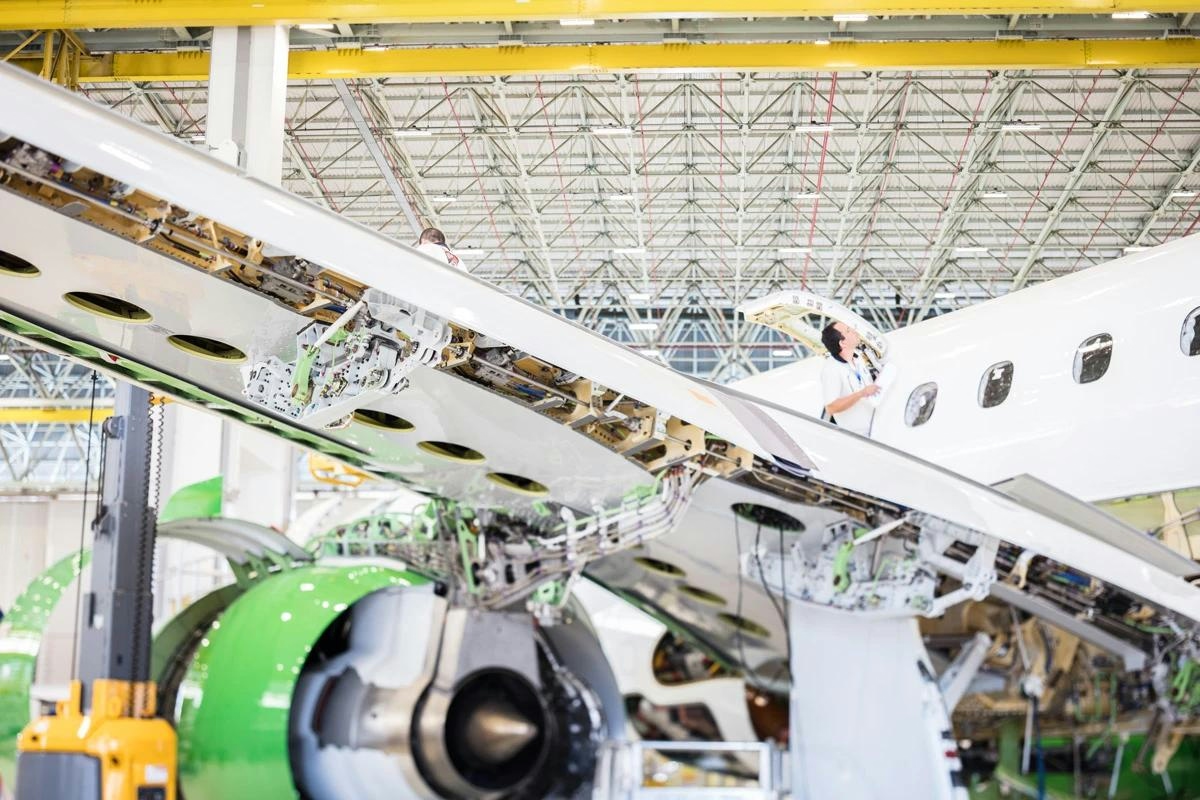
Embraer E195-E2 Features Distinctive Engine Placement Among Regional Jets
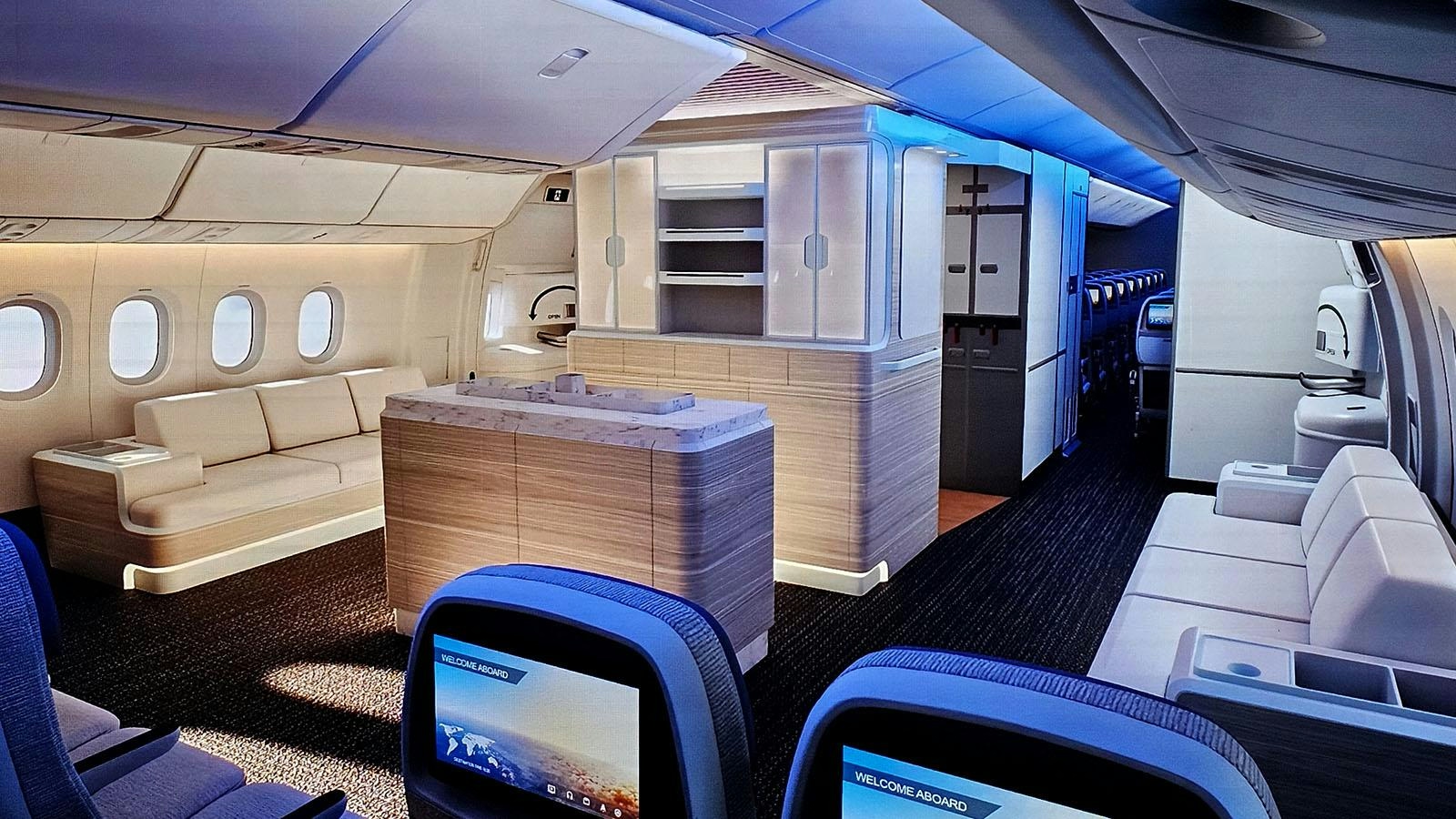
What Passengers Can Expect on Boeing’s New 777X Jet

How Ethiopian Airlines Became Africa’s Leading Carrier Amid Gulf Competition
Joby Aviation Extends Autonomous Flight Capabilities with Cross-Country Tour
