
حوّل رؤى الذكاء الاصطناعي إلى أفعال منسّقة

الرائج الآن
Categories
Kenya Airways Warns Bill Could Slow Aircraft Parts Clearance
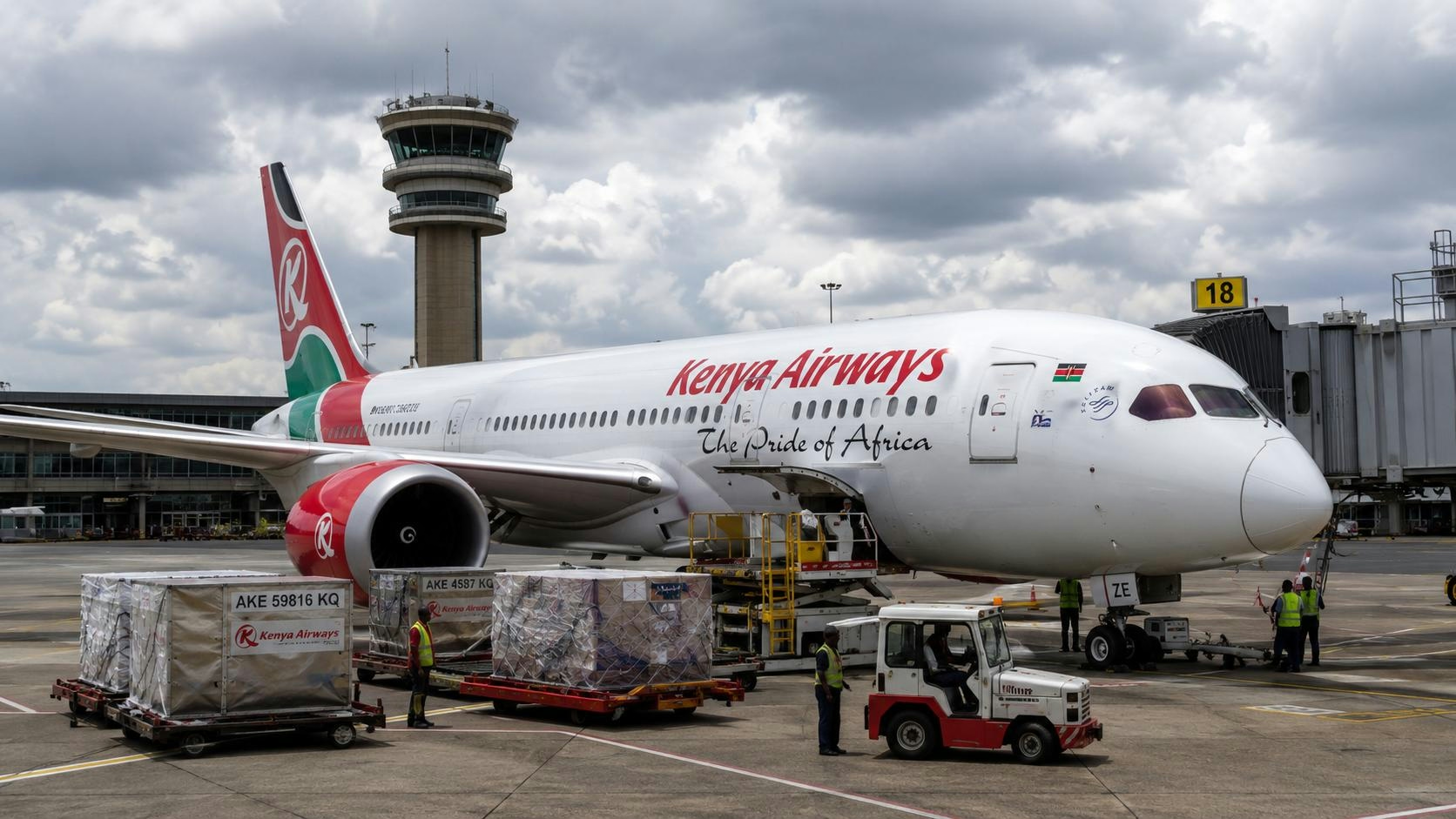
Kenya Airways Warns Proposed Bill Could Disrupt Aircraft Parts Clearance
Kenya Airways has raised concerns over the potential impact of the Strategic Goods Control Bill, 2026, currently under consideration by the National Assembly. The airline cautions that the legislation, designed to regulate trade in strategic and dual-use goods through licensing, compliance checks, and end-use controls, may inadvertently delay the importation of critical aircraft parts. Such delays could disrupt flight operations unless civil aviation items are explicitly exempted or subject to expedited clearance procedures.
Risks to Fleet Maintenance and Operational Efficiency
The airline’s legal director, Habil A. Waswani, addressed lawmakers to emphasize the risks posed by the bill’s additional approval requirements. He warned that slower clearance of essential aircraft components could undermine Kenya Airways’ ability to maintain its fleet of approximately 34 aircraft efficiently. Waswani urged the National Assembly to consider exemptions or fast-track mechanisms for civil aircraft parts, software, and aviation services that comply with international aviation standards and are certified for commercial passenger use with appropriate end-use documentation.
Timely access to replacement parts is vital for ensuring flight reliability. Delays in securing these components can lead to grounded aircraft, operational disruptions, increased maintenance costs, and diminished customer confidence. Waswani highlighted that such interruptions not only affect scheduling but also have broader financial and reputational implications for the airline.
Broader Industry Implications and Legislative Review
Industry analysts suggest that the bill’s provisions could have wider consequences for Kenya Airways’ operational efficiency and financial health. Concerns about the airline’s ability to maintain maintenance standards may affect market perceptions and invite competitive pressures. Rival carriers might leverage any inefficiencies arising from the bill to promote their own supply chain capabilities or lobby for regulatory adjustments to mitigate adverse effects.
Recent examples from the aviation sector illustrate the risks associated with delayed aircraft part clearances. British Airways, for instance, encountered significant operational challenges and incurred compensation costs after supply chain disruptions prevented a grounded aircraft from returning to service promptly. Such cases underscore the potential financial and reputational costs for airlines facing similar obstacles.
The National Assembly’s Departmental Committee on Administration and Internal Security is currently reviewing submissions from stakeholders, including Kenya Airways, as it prepares a report for parliamentary debate on the bill.

Etihad Airways Suspends Airbus A380 Flights on Key Route

Aditya Birla Group Seeks Approval for Aircraft Leasing in GIFT City

Qatar Airways Highlights Innovation and Connectivity at Arabian Travel Market 2026

Hong Kong's Five-Year Plan Includes Andrew Fan's Aircraft Parts Processing Hub Proposal

ACIA Aero Leasing Delivers ATR72-600 to Air Nostrum

RTX Appoints Jill Albertelli as Head of Pratt & Whitney

TAT Technologies Joins Beyond Aero Hydrogen Aircraft Program

AURAK Study Highlights Barriers to Air Taxi Adoption in Emerging Economies

Xiamen Air Selects Altitude for 787 Maintenance at Heathrow

Etihad and Swissport Extend Global Partnership
