
حوّل رؤى الذكاء الاصطناعي إلى أفعال منسّقة

الرائج الآن
Categories
Liability Issues in Aviation AI

Liability Issues in Aviation AI
Panel Discussion at the 13th Air Law Conference
In June 2026, Clifford Law Offices Partner Tracy A. Brammeier participated as a panelist at the 13th Air Law Conference held in Rome, Italy. The event, organized by Pierallini Studio Legale in collaboration with the Institute of Air and Space Law at McGill University, LUISS University, and the Italian Civil Aviation Authority (ENAC), is a leading international forum dedicated to the evolving challenges in aviation law. Brammeier contributed to the session titled “Focus on Artificial Intelligence in Aviation: Regulation, Operations and Liability,” which explored the transformative impact of artificial intelligence on aviation, particularly in regulatory frameworks, operational practices, and liability concerns.
Challenges of AI Integration in Aviation
The panel addressed the increasing integration of AI technologies within aviation systems and the complex legal challenges that arise as a result. A central issue discussed was the difficulty in assigning accountability when AI systems err or contribute to accidents. Brammeier highlighted the utility of AI as a tool for legal practitioners, noting its ability to organize extensive records, construct timelines, summarize deposition transcripts, compare document versions, and assist in compliance reviews. However, she cautioned that AI does not provide definitive answers and cannot replace the nuanced judgment required in legal analysis.
Drawing on her extensive experience in aviation litigation, Brammeier referenced her role as court-appointed Liaison Counsel for plaintiffs in the litigation following the 2019 Ethiopian Airlines Flight 302 crash, as well as her involvement in cases related to Malaysian Airlines Flight 370, Colgan Air Flight 3407, and the January 2025 crash of American Eagle Flight 5342 in Washington, D.C. Her insights underscored the critical balance between leveraging AI’s capabilities and maintaining rigorous human oversight in legal proceedings.
Regulatory and Industry Implications
The panel further examined the broader implications of AI’s rapid advancement in aviation, noting that technological progress often outpaces the development of regulatory safeguards. This regulatory lag complicates the establishment of clear liability frameworks, raising pressing questions about responsibility when AI-driven systems malfunction. In response, aviation industry competitors are investing in enhanced safety protocols and transparent AI governance structures. Concurrently, some stakeholders are advocating for regulatory measures that explicitly define liability boundaries to address these emerging challenges.
Market reactions have mirrored these concerns, with investors and customers exhibiting increased scrutiny and skepticism toward AI-driven aviation technologies. This heightened vigilance underscores the urgent need for transparent safety measures and accountability mechanisms. As artificial intelligence continues to reshape the aviation sector, sustained dialogue among legal experts, regulators, and industry leaders remains vital to uphold safety, accountability, and public trust alongside ongoing technological innovation.

Etihad and Swissport Extend Global Partnership
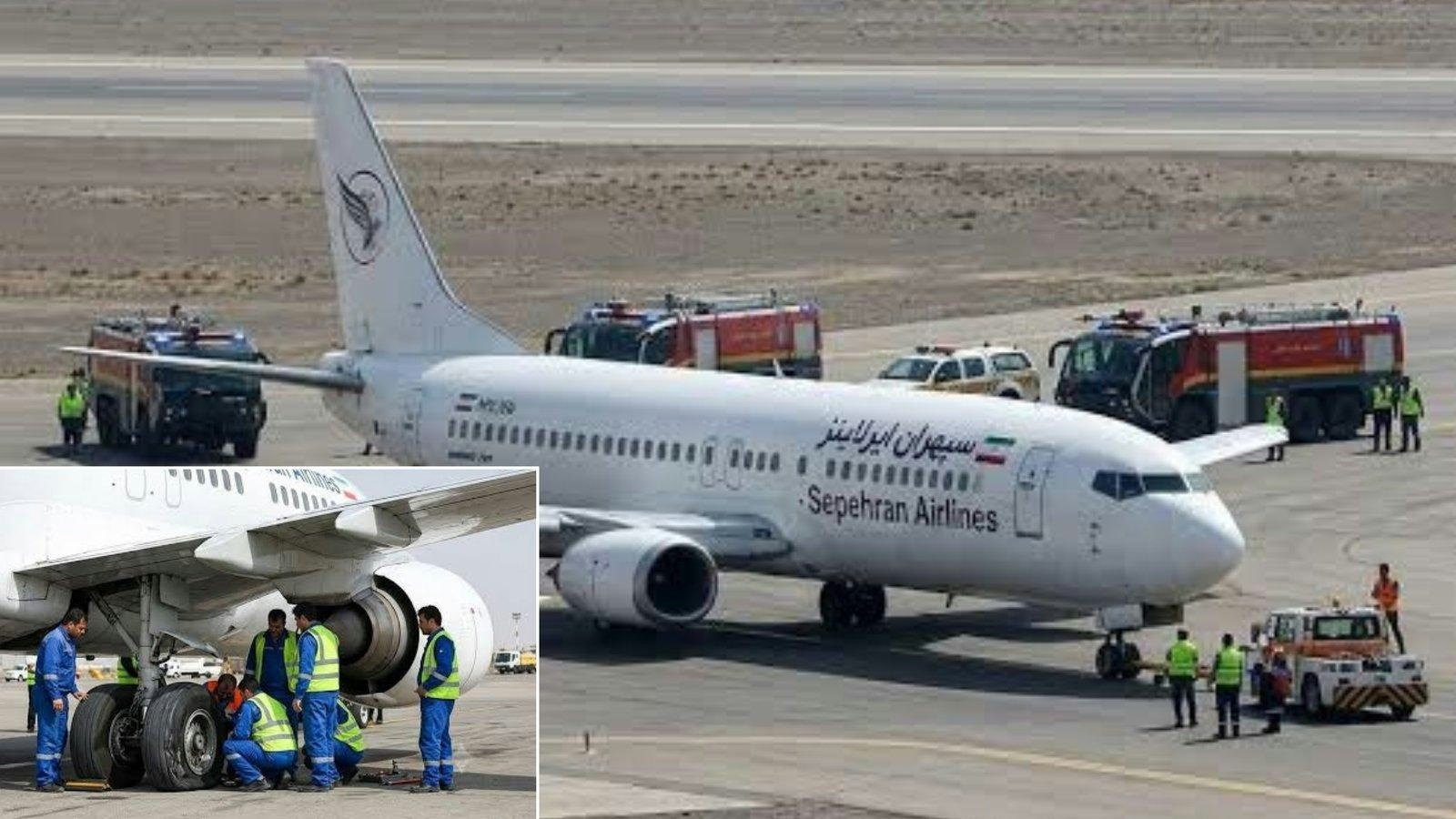
Sepehran Airlines B737 Returns to Mashhad After Tyre and Engine Issues

Etihad Deploys Widebody Fleet to Meet Strong Demand
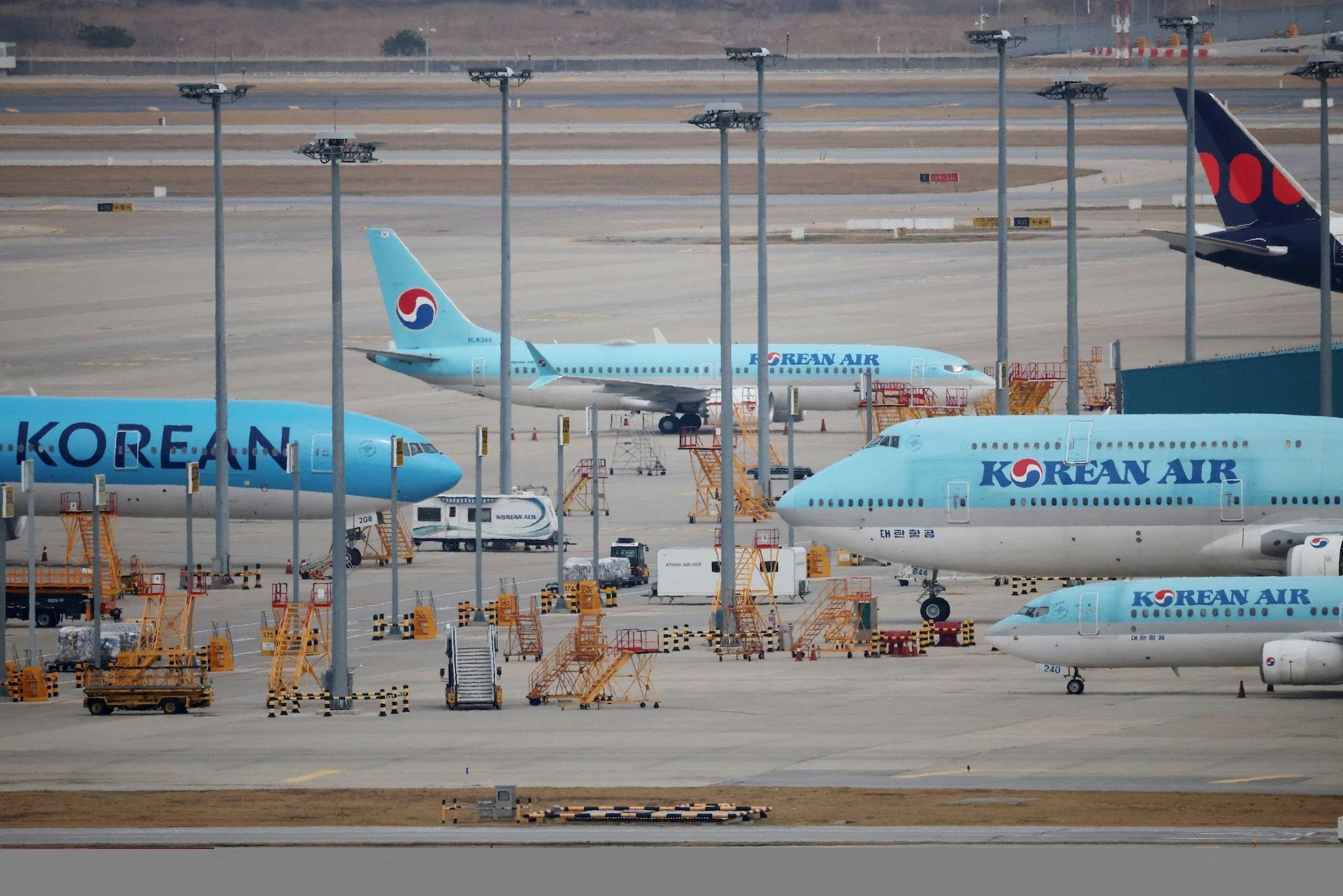
Korean Air Finalizes $36.2 Billion Deal with Boeing
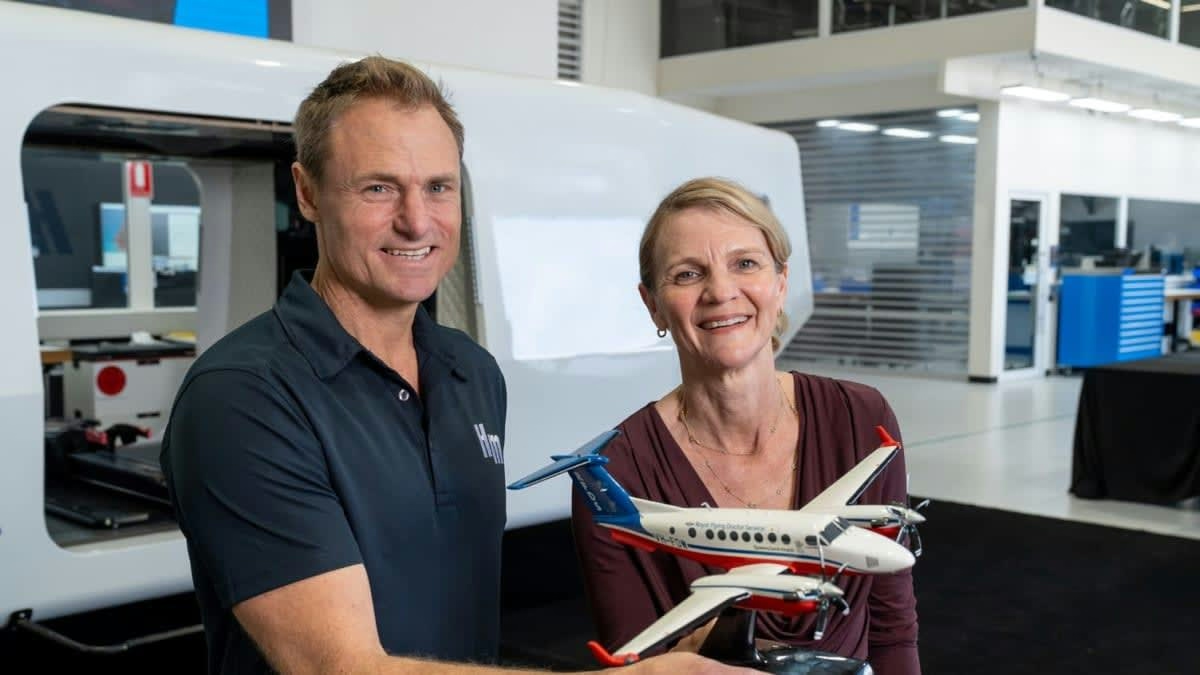
Australia’s RFDS Queensland Section Orders Six King Air 260Cs

Korean Air Finalizes Order for 103 Boeing Jets and Engines
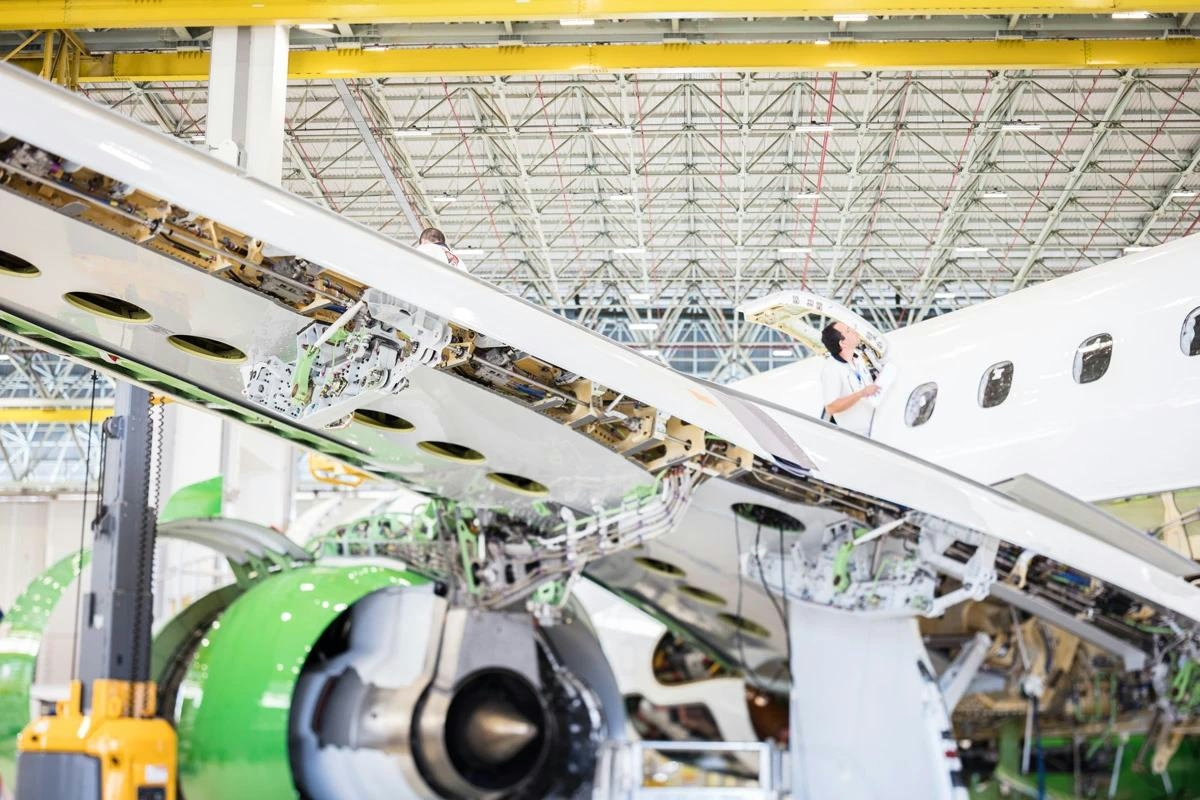
Embraer E195-E2 Features Distinctive Engine Placement Among Regional Jets

What Passengers Can Expect on Boeing’s New 777X Jet
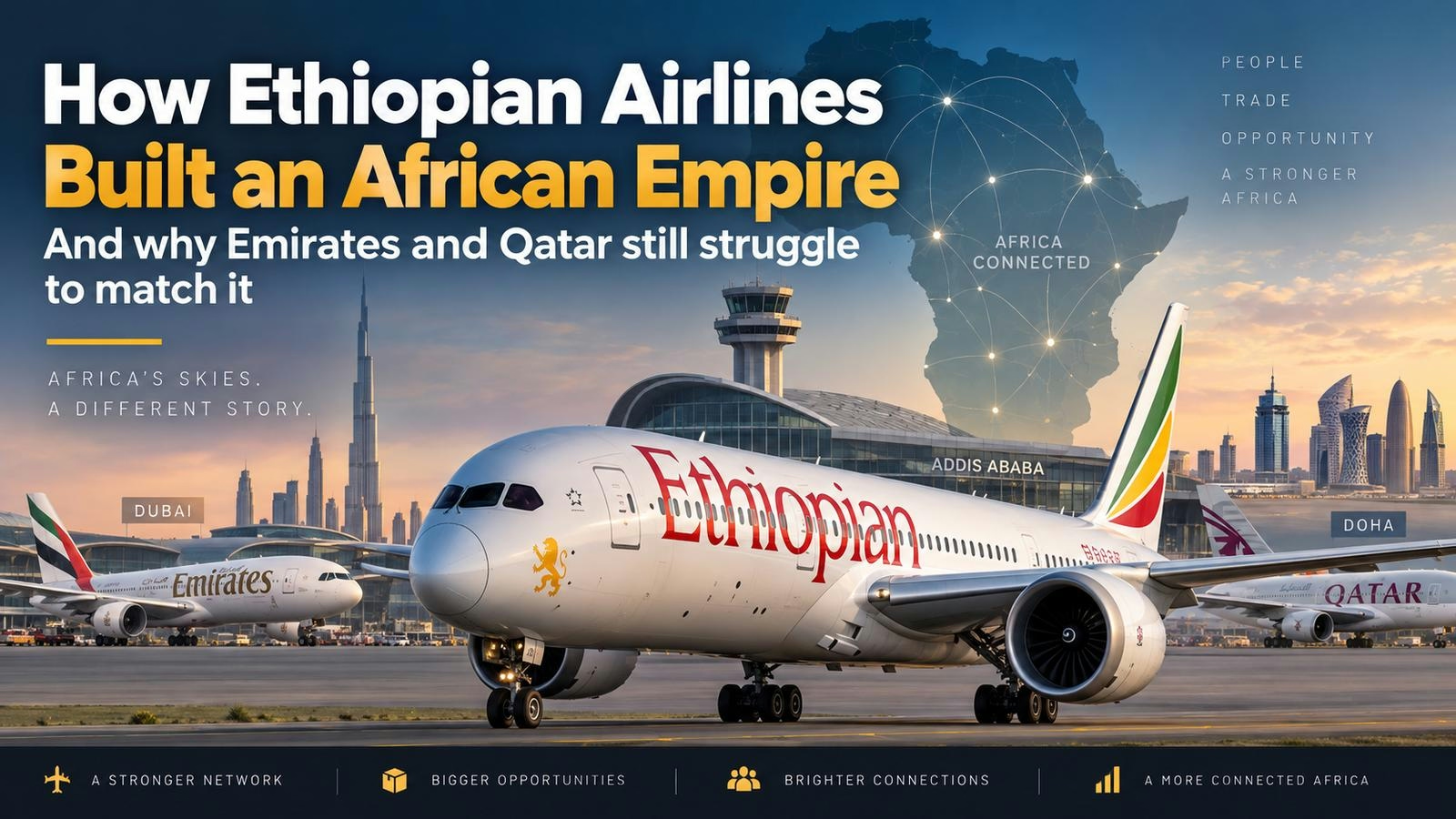
How Ethiopian Airlines Became Africa’s Leading Carrier Amid Gulf Competition
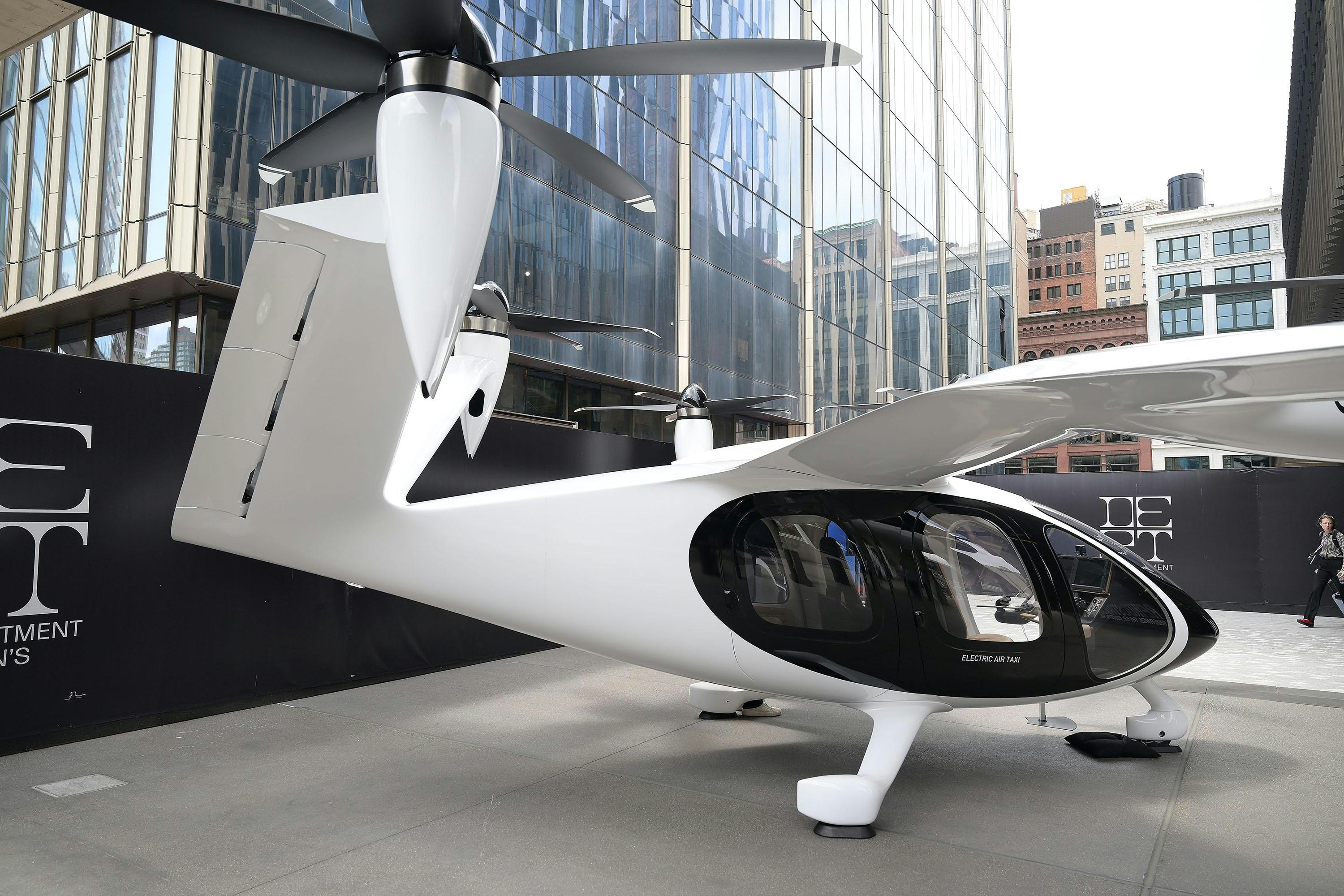
Joby Aviation Extends Autonomous Flight Capabilities with Cross-Country Tour
