
حوّل رؤى الذكاء الاصطناعي إلى أفعال منسّقة

الرائج الآن
Categories
Maintenance Lapse Cited as Likely Cause of Air India Engine Fire
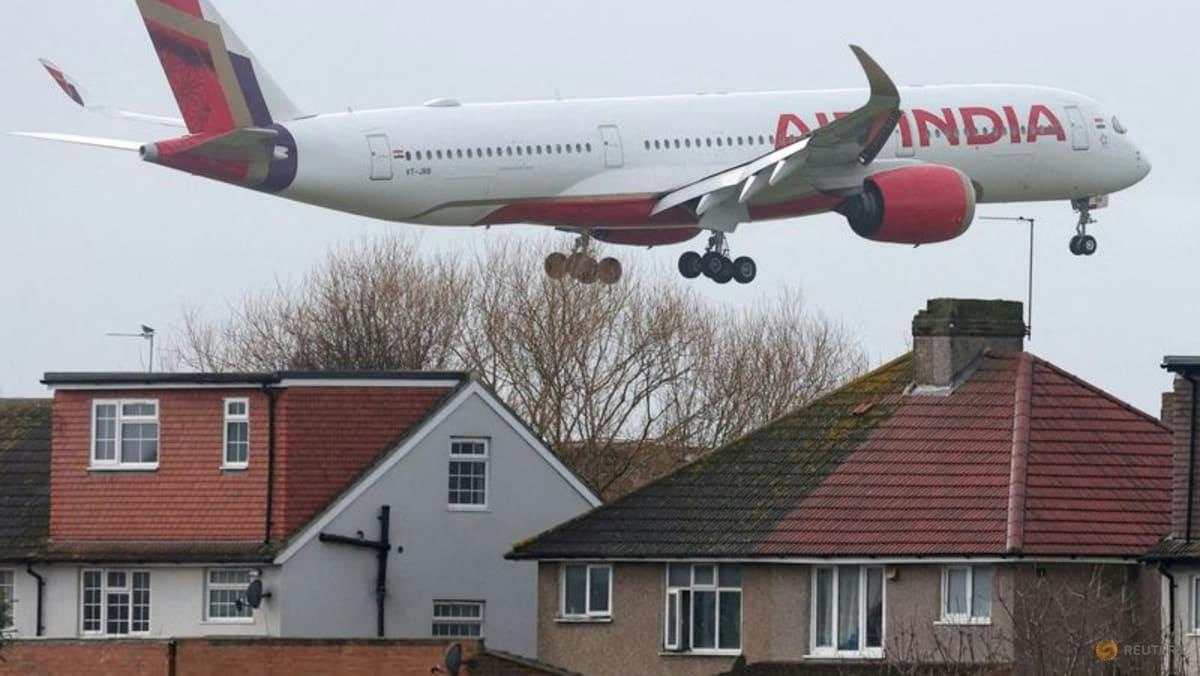
Maintenance Lapse Identified as Probable Cause of Air India Engine Fire
The Directorate General of Civil Aviation (DGCA) has preliminarily attributed an engine fire on an Air India Airbus A320 to improper maintenance. The incident, which compelled the aircraft to make an emergency landing last week, has intensified scrutiny of the airline’s maintenance procedures and raised broader concerns within the aviation industry.
Details of the Incident and Investigation
Investigators revealed that a nozzle replacement had been carried out on the aircraft just one to two days prior to the engine fire. It is believed that several nuts were not adequately tightened during this maintenance operation, leading to a fuel leak that subsequently ignited. The flight, operating from Bengaluru to Delhi with 160 passengers on board, declared a Mayday after the pilots received a fire warning from one of the engines and safely landed at Delhi Airport.
While the investigation remains ongoing, the DGCA has suspended the technician and engineer responsible for the maintenance work. Air India has been directed to conduct thorough inspections of all aircraft that recently underwent nozzle replacements. An engineer familiar with the case explained that fuel leaking onto hot engine components inevitably causes fire. Maintenance manuals specify precise torque requirements for fastening nuts; failure to apply the correct pressure can result in leaks, whereas excessive force risks deforming parts.
Broader Implications and Industry Context
This incident follows a series of engineering shortcomings at Air India since its acquisition by the Tata Group in 2022. The airline’s aging fleet demands more frequent and meticulous maintenance compared to its competitors. Although Air India has bolstered its in-house engineering capabilities, it continues to depend on Air India Engineering Services Limited (AIESL)—a government-owned entity excluded from the airline’s privatisation—for maintenance of certain narrow-body and all wide-body aircraft.
An Air India spokesperson confirmed the ongoing probe, stating, “We have proactively mobilised and strengthened our in-house engineering and maintenance capabilities, while also optimising available third-party support, to ensure continuity of maintenance activities across the fleet.”
The repercussions of this maintenance lapse extend beyond immediate safety concerns. Aviation regulators are expected to increase oversight, and Air India may face financial penalties alongside reputational damage. Industry analysts caution that the incident could lead to higher insurance premiums for the airline and prompt competitors to reassess their own maintenance standards. The episode also casts a spotlight on the aviation maintenance sector, which is contending with the dual challenges of rising fuel prices and a shortage of skilled engineers.
The shortage of experienced technicians has been exacerbated by rapid fleet expansions at Air India and IndiGo. Retention difficulties have intensified amid recent strikes by hundreds of AIESL technicians demanding better wages, compelling the company to rely increasingly on third-party firms and retired personnel for routine maintenance.
Standard industry practice requires that after a technician completes a task, an aircraft maintenance engineer must verify and sign off on the work. However, the repetitive nature of such procedures means errors can still occur, underscoring the critical need for rigorous oversight and strict adherence to safety protocols.
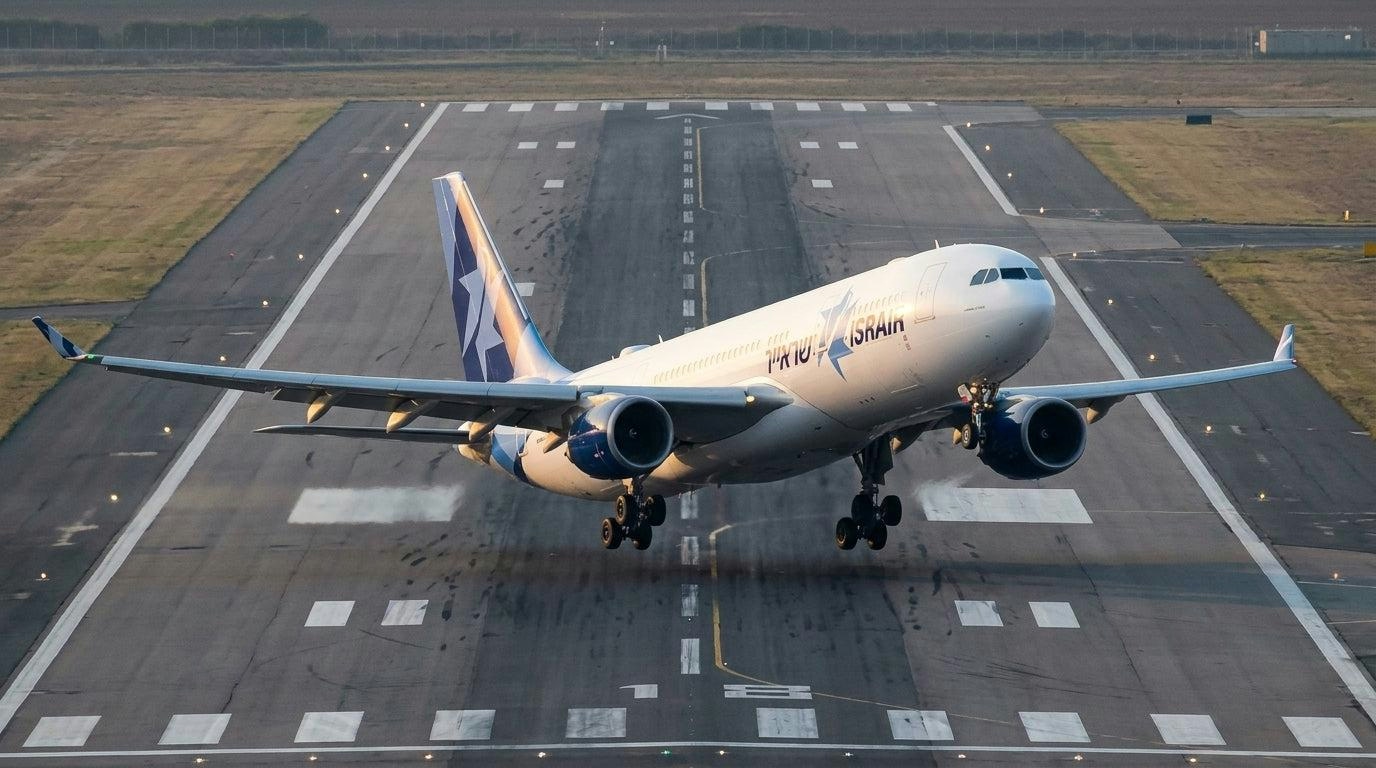
Israir Receives FAA Approval for Tel Aviv–New York A330 Flights
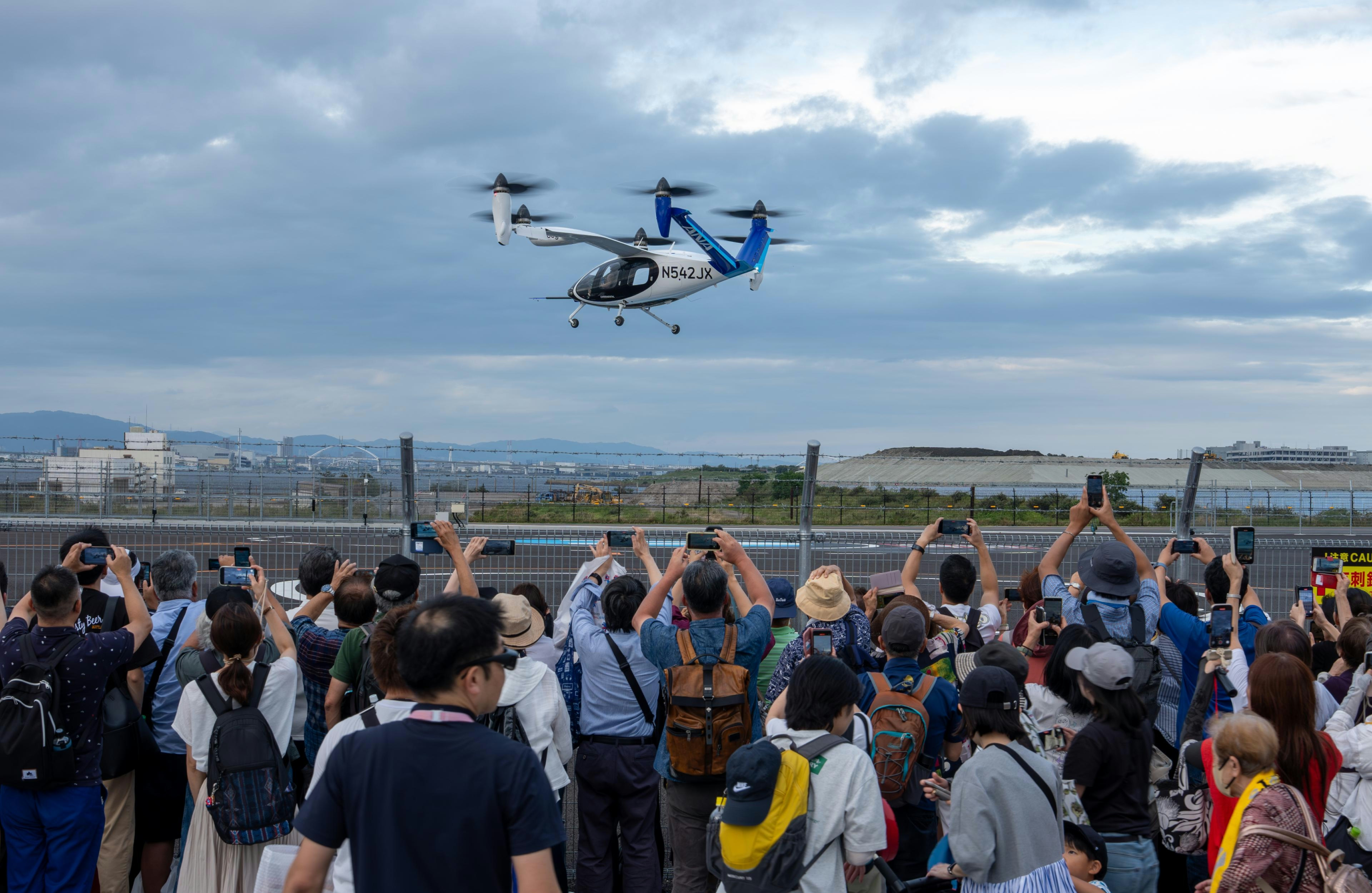
Japan Approves Air Taxi Routes with Osaka Vertiport and Tokyo Pilot Program
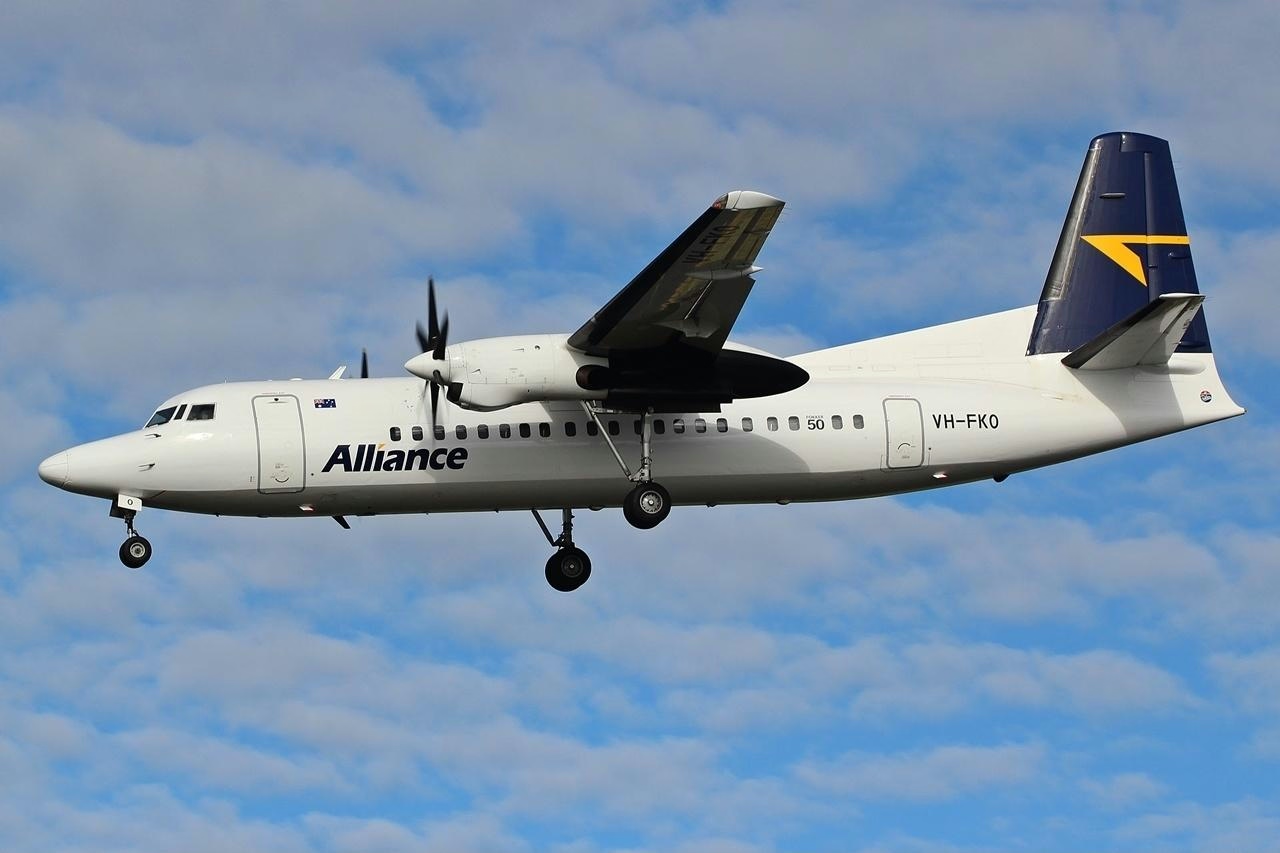
Fly Alliance Sells Parts Business to Former CEO
Google Acquired 100 Million Spirit Airlines Emails to Train AI for $10 Million
Mammoth Freighters Delivers 777-200LRMF to Jetran
Jeju Air Seeks Control of Asiana’s Gimpo Maintenance Hangar

Star Navigation Systems Partners with Aero Intelligence and Toronto Metropolitan University
Archer's Air Taxi Bet Is Heading for the 2028 Olympics

Aviation Industry Update
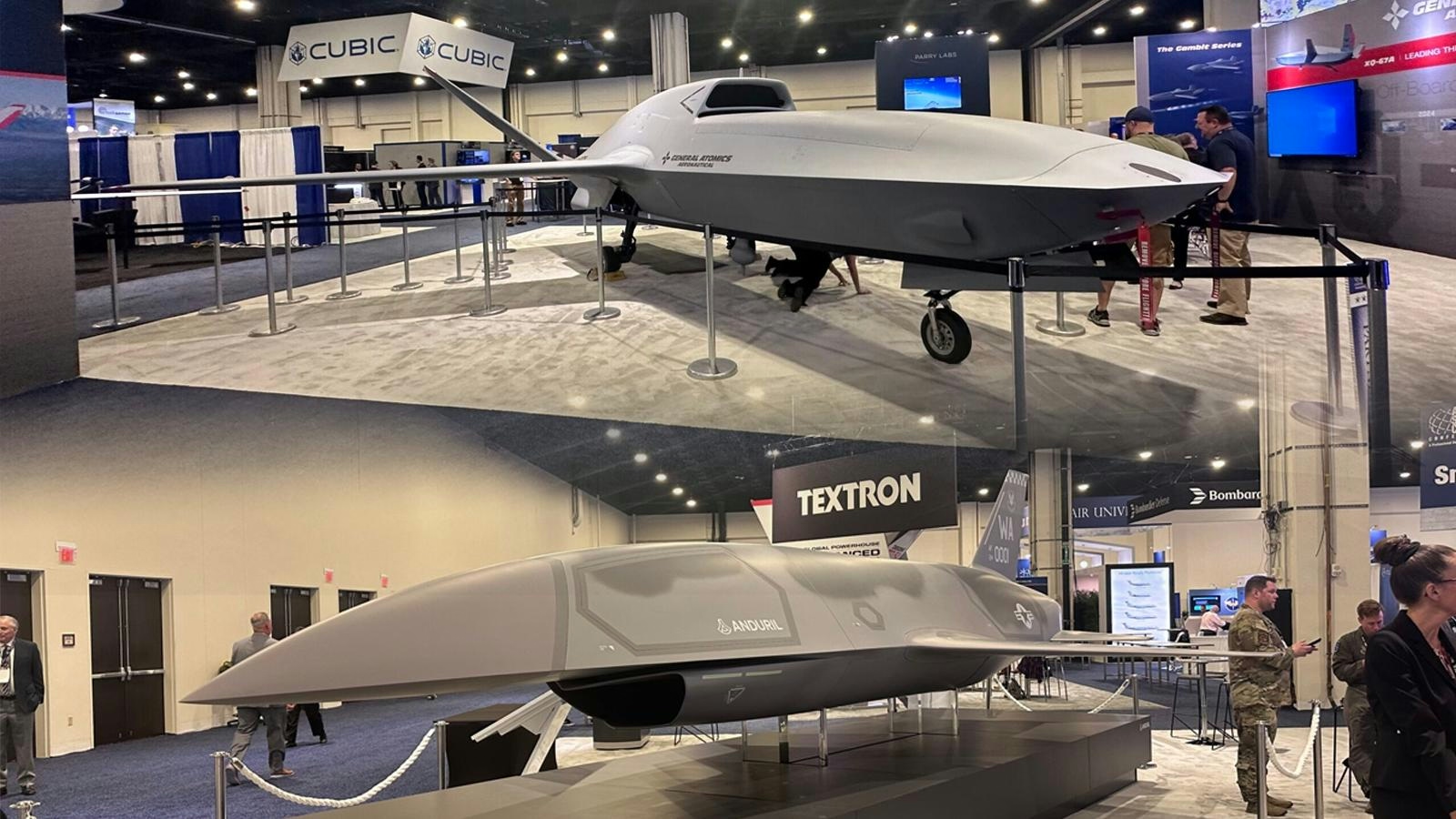
CCA Increment 2 Introduces New Engines for Next-Generation Drone Fighter
