
حوّل رؤى الذكاء الاصطناعي إلى أفعال منسّقة

الرائج الآن
Categories
Major Airlines Expand Use of Narrowbody Aircraft
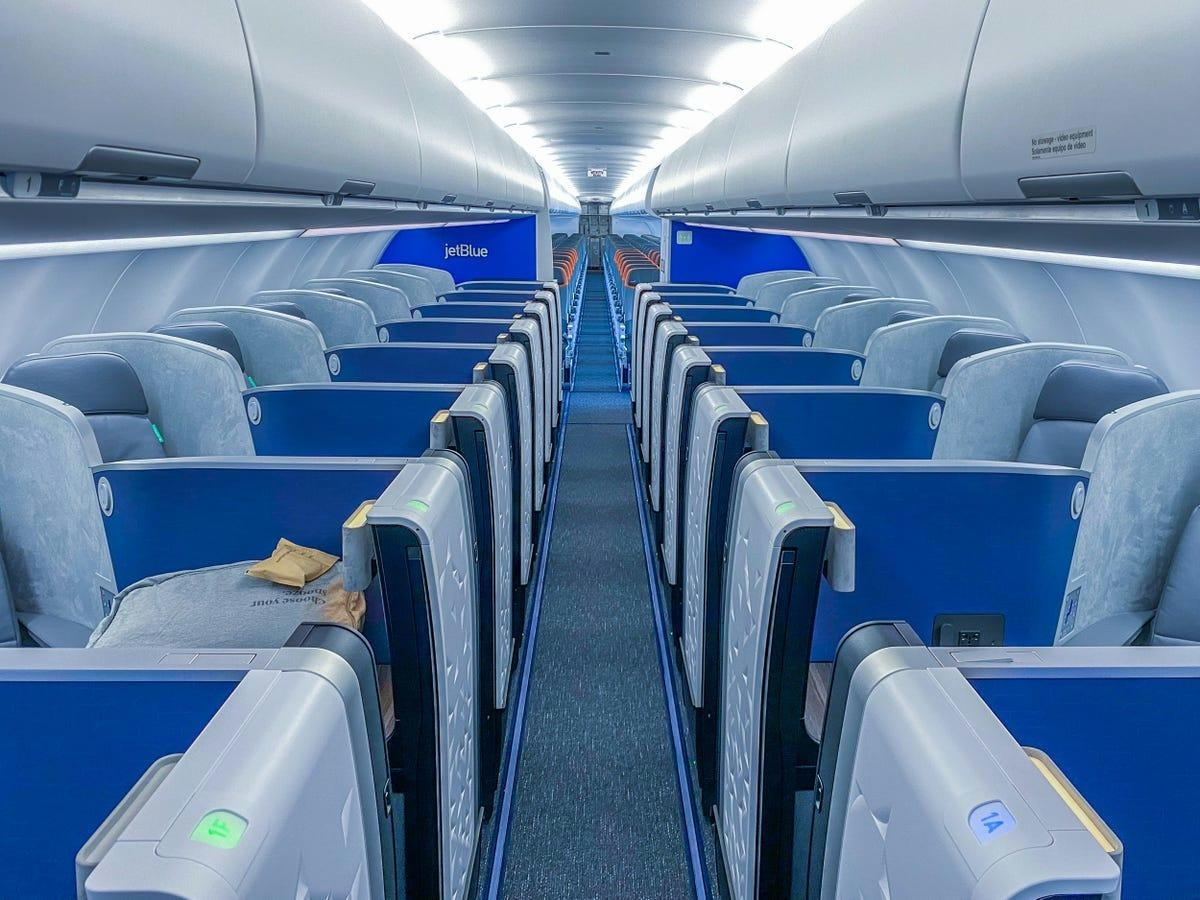
Major Airlines Expand Use of Narrowbody Aircraft Amid Industry Transformation
Leading airlines across the globe, including American Airlines, Delta Air Lines, United Airlines, IndiGo, JetBlue, Ryanair, easyJet, AirAsia, Singapore Airlines, Southwest Airlines, and Air India, are increasingly embracing narrowbody aircraft as a central component of their fleet strategies. This widespread shift reflects a broader transformation within the aviation industry, driven by the operational efficiencies, cost advantages, and enhanced flexibility that narrowbody jets provide.
Operational Efficiency and Expanded Roles
Historically, narrowbody aircraft were primarily deployed on short-haul domestic routes. However, advancements in fuel efficiency and extended range capabilities have enabled these jets to serve longer international flights. The introduction of models such as the Airbus A321XLR has been pivotal in this evolution, allowing carriers like American Airlines to inaugurate new long-haul routes and effectively blur the traditional distinctions between narrowbody and widebody operations. This transition not only optimizes route networks but also caters to a diverse passenger base, from budget travelers to business clientele, by offering more destinations and competitive fares.
Industry Challenges and Manufacturer Responses
Despite the clear advantages, the industry faces significant challenges. Supply chain disruptions are projected to impose costs exceeding $11 billion in 2025 due to production delays, compelling airlines to adjust fleet renewal schedules and, in some instances, extend the operational lifespan of older aircraft. Nevertheless, aircraft manufacturers are responding to sustained demand with increased production. Boeing, for example, reported a post-downturn peak in narrowbody deliveries in October 2025, underscoring the robust market appetite for these aircraft.
Strategic Fleet Management and Market Dynamics
Airlines are adopting varied approaches to navigate these market conditions. American Airlines is making substantial investments in new A321 and 737 variants to modernize its fleet, while Delta and other carriers are streamlining operations by retiring less efficient models. British Airways, following a mixed market reaction to its third-quarter earnings, has emphasized its commitment to fleet modernization and operational resilience to reassure investors and customers alike.
The strategic significance of narrowbody aircraft is further highlighted by recent industry consolidation efforts. The Abra Group’s planned acquisition of Chilean carrier SKY Airline, aimed at integrating it into a broader network, exemplifies the growing emphasis on expanding narrowbody operations across regions.
Environmental Considerations and Future Outlook
The rising focus on eco-friendly aviation also enhances the appeal of narrowbody jets. Their fuel-efficient designs align with airlines’ objectives to reduce environmental impact amid escalating fuel costs and regulatory pressures. As the industry adapts to shifting passenger demands and economic challenges, narrowbody aircraft are increasingly central to commercial aviation’s trajectory. Through continued investments, strategic acquisitions, and a focus on operational flexibility, these aircraft are set to remain integral to the future of global air travel.

Etihad Airways Suspends Airbus A380 Flights on Key Route

Aditya Birla Group Seeks Approval for Aircraft Leasing in GIFT City

Qatar Airways Highlights Innovation and Connectivity at Arabian Travel Market 2026

Hong Kong's Five-Year Plan Includes Andrew Fan's Aircraft Parts Processing Hub Proposal

ACIA Aero Leasing Delivers ATR72-600 to Air Nostrum

RTX Appoints Jill Albertelli as Head of Pratt & Whitney

TAT Technologies Joins Beyond Aero Hydrogen Aircraft Program

AURAK Study Highlights Barriers to Air Taxi Adoption in Emerging Economies

Xiamen Air Selects Altitude for 787 Maintenance at Heathrow

Etihad and Swissport Extend Global Partnership
