
حوّل رؤى الذكاء الاصطناعي إلى أفعال منسّقة

الرائج الآن
Categories
Qantas A380 Model with Engine Sells for Record Price
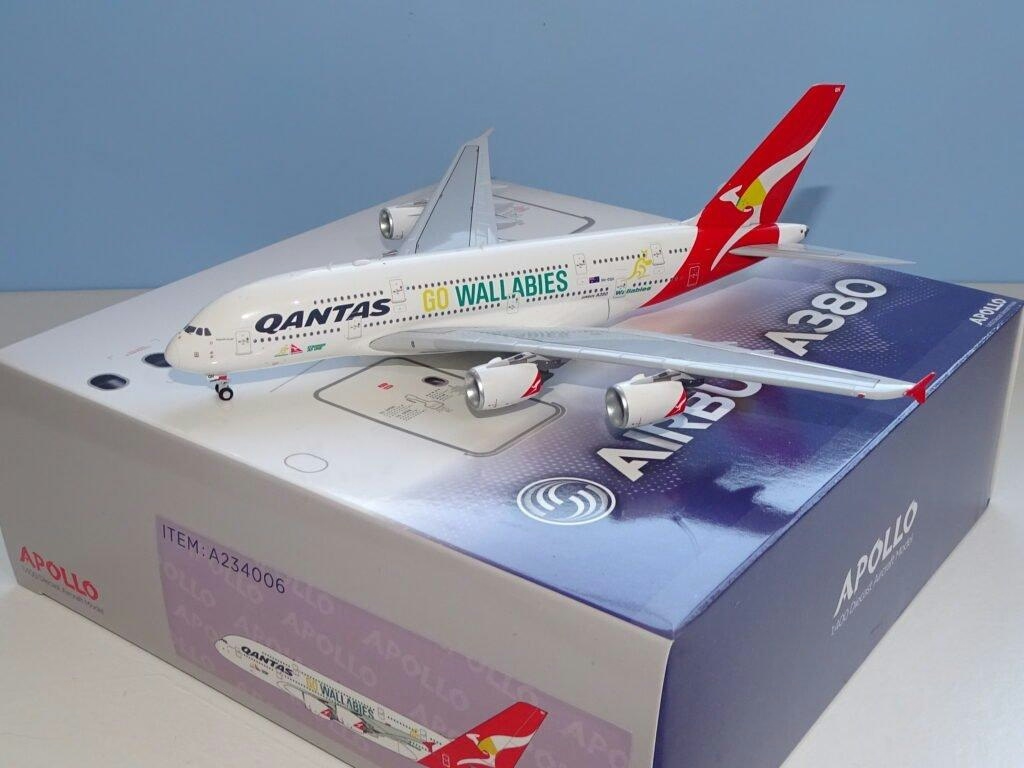
Qantas A380 Engine Sells for Record Price Amid Industry Shifts
For Captain Richard Champion de Crespigny, the model of the Qantas Airbus A380—registration VH-OQA—that has stood in his home office for 15 years represents more than just an aircraft. It is a symbol of resilience and respect, recalling the harrowing day when he faced a catastrophic engine failure at 39,000 feet, endangering the lives of 469 people over Indonesia. Now, that very aircraft has re-emerged in the news as Qantas has sold one of its A380 engines for a record price, highlighting a significant financial transaction and broader transformations within the aviation sector.
The Declining Role of the Airbus A380
The sale occurs amid growing uncertainty about the future of the Airbus A380. Despite its engineering achievements and capacity to carry hundreds of passengers, the A380 has struggled to secure a lasting role in airline fleets worldwide. Airbus attributes this to several factors, including the 2008 global financial crisis and a shift in industry preferences toward more fuel-efficient twin-engine jets. These smaller aircraft enable airlines to operate direct flights between secondary city pairs, bypassing traditional hub airports and offering greater operational flexibility.
Qantas has been a prominent participant in this industry evolution. Its Project Sunrise initiative, which aims to launch non-stop ultra-long-haul flights using modified Airbus A350-1000ULR jets, exemplifies a strategic pivot toward meeting passenger demand for direct, point-to-point travel. This approach contrasts sharply with the hub-and-spoke model that once justified the A380’s size and range, signaling a fundamental change in airline route planning and fleet composition.
Operational Challenges and Strategic Implications
The A380’s legacy has also been complicated by operational challenges. Recent global inspections revealing wing cracks have raised safety and maintenance concerns, adding further uncertainty to the aircraft’s future viability. For Qantas, the record-breaking sale of the A380 engine is more than a financial milestone; it underscores the practical and strategic decisions airlines must make as they navigate evolving market conditions and technical issues.
While Captain de Crespigny’s model remains a poignant reminder of a dramatic moment in aviation history, the sale of the A380 engine marks a significant turning point for Qantas and the wider industry. It symbolizes both the conclusion of an era for the A380 and the ongoing transformation of global air travel.

Etihad and Swissport Extend Global Partnership
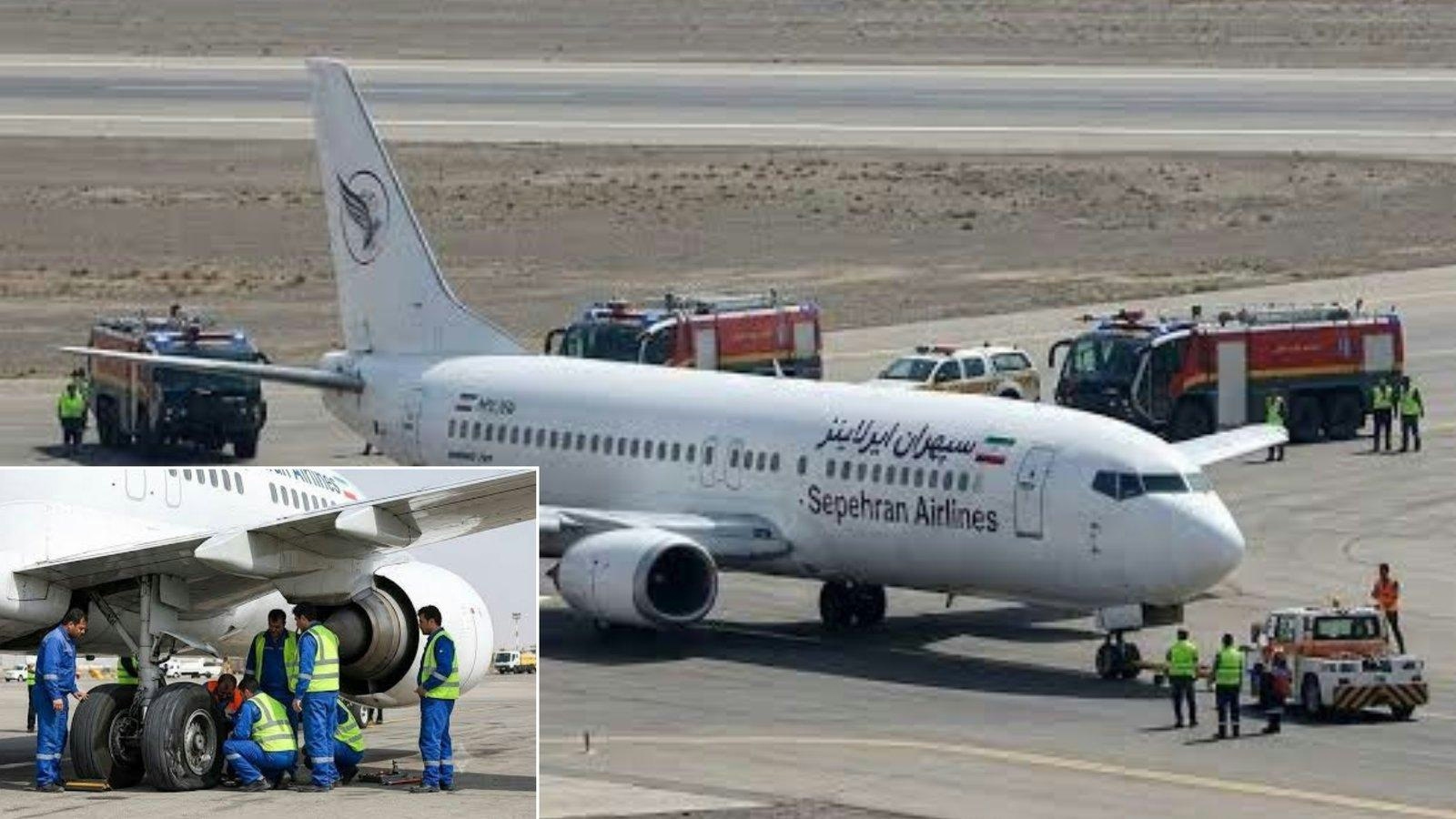
Sepehran Airlines B737 Returns to Mashhad After Tyre and Engine Issues

Etihad Deploys Widebody Fleet to Meet Strong Demand
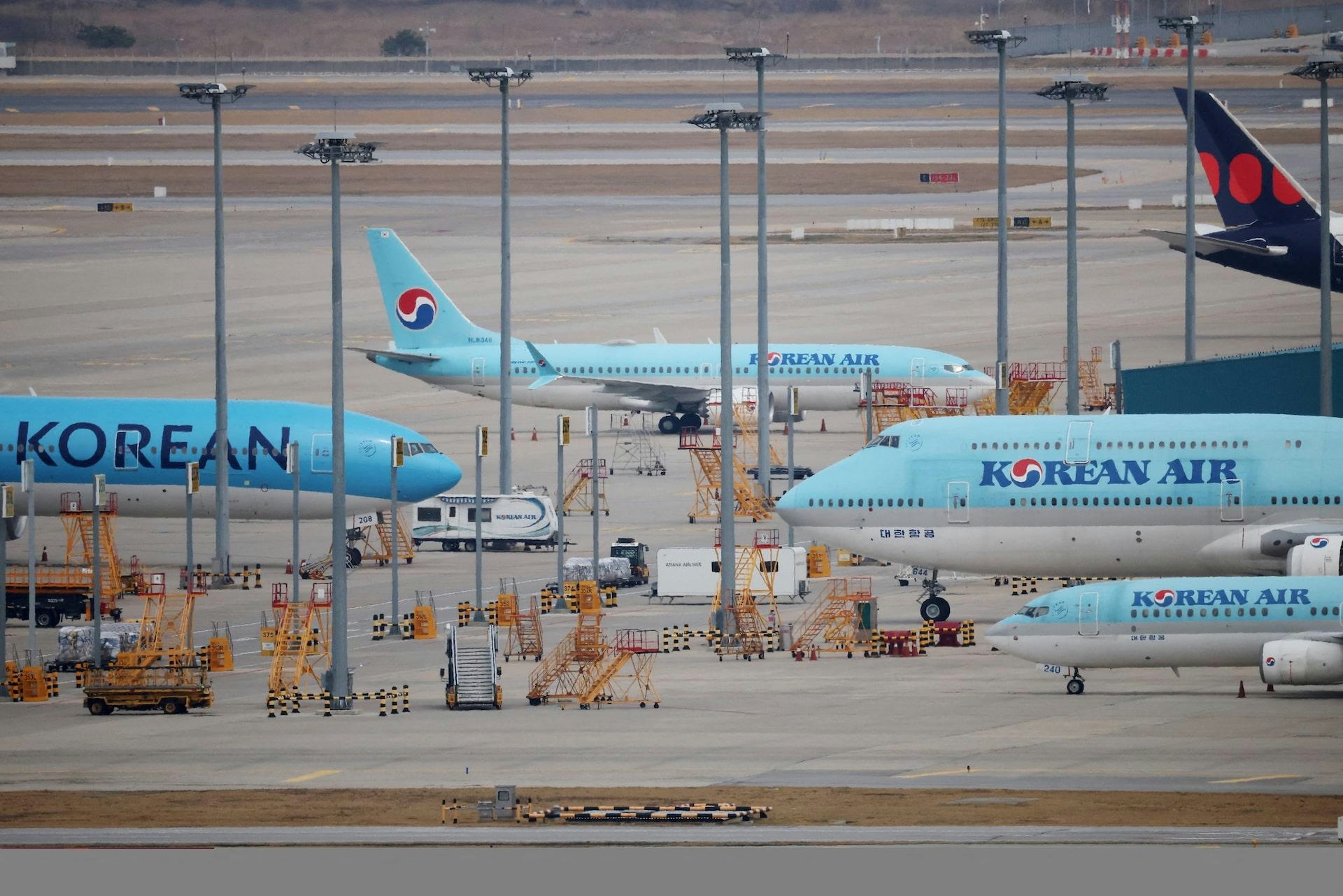
Korean Air Finalizes $36.2 Billion Deal with Boeing

Australia’s RFDS Queensland Section Orders Six King Air 260Cs

Korean Air Finalizes Order for 103 Boeing Jets and Engines
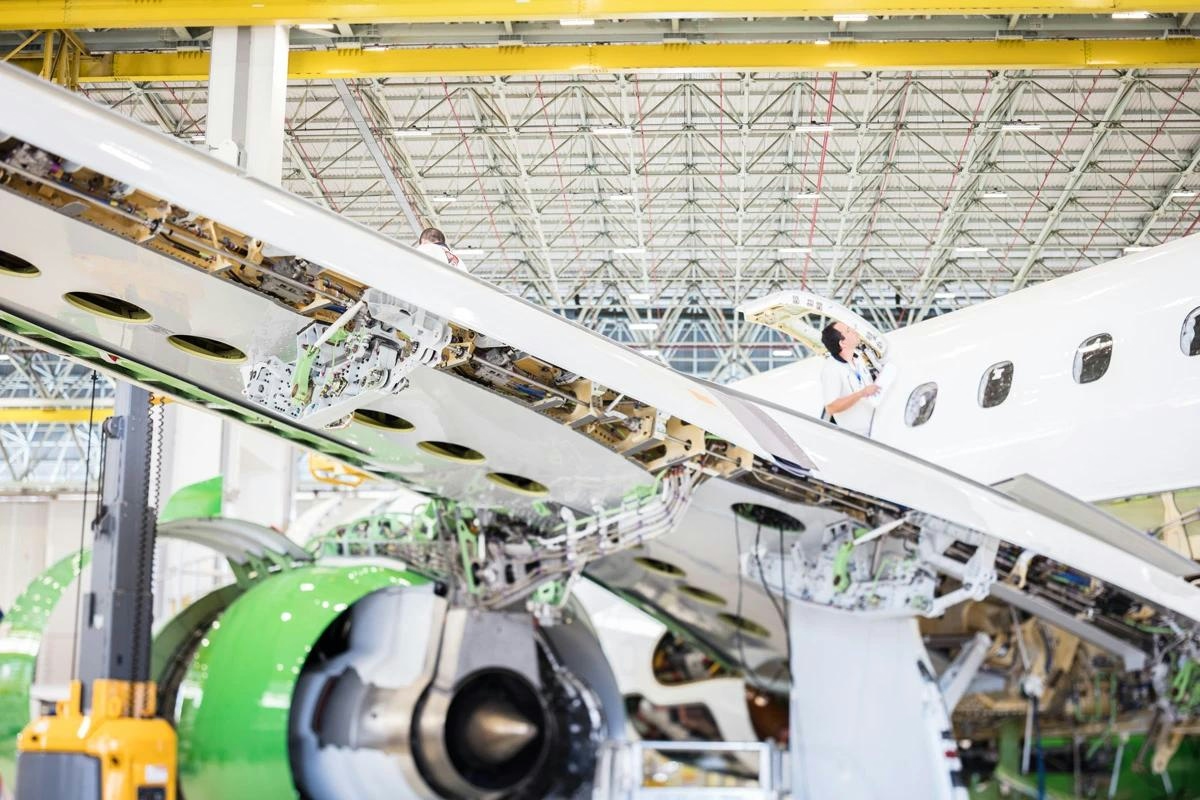
Embraer E195-E2 Features Distinctive Engine Placement Among Regional Jets

What Passengers Can Expect on Boeing’s New 777X Jet
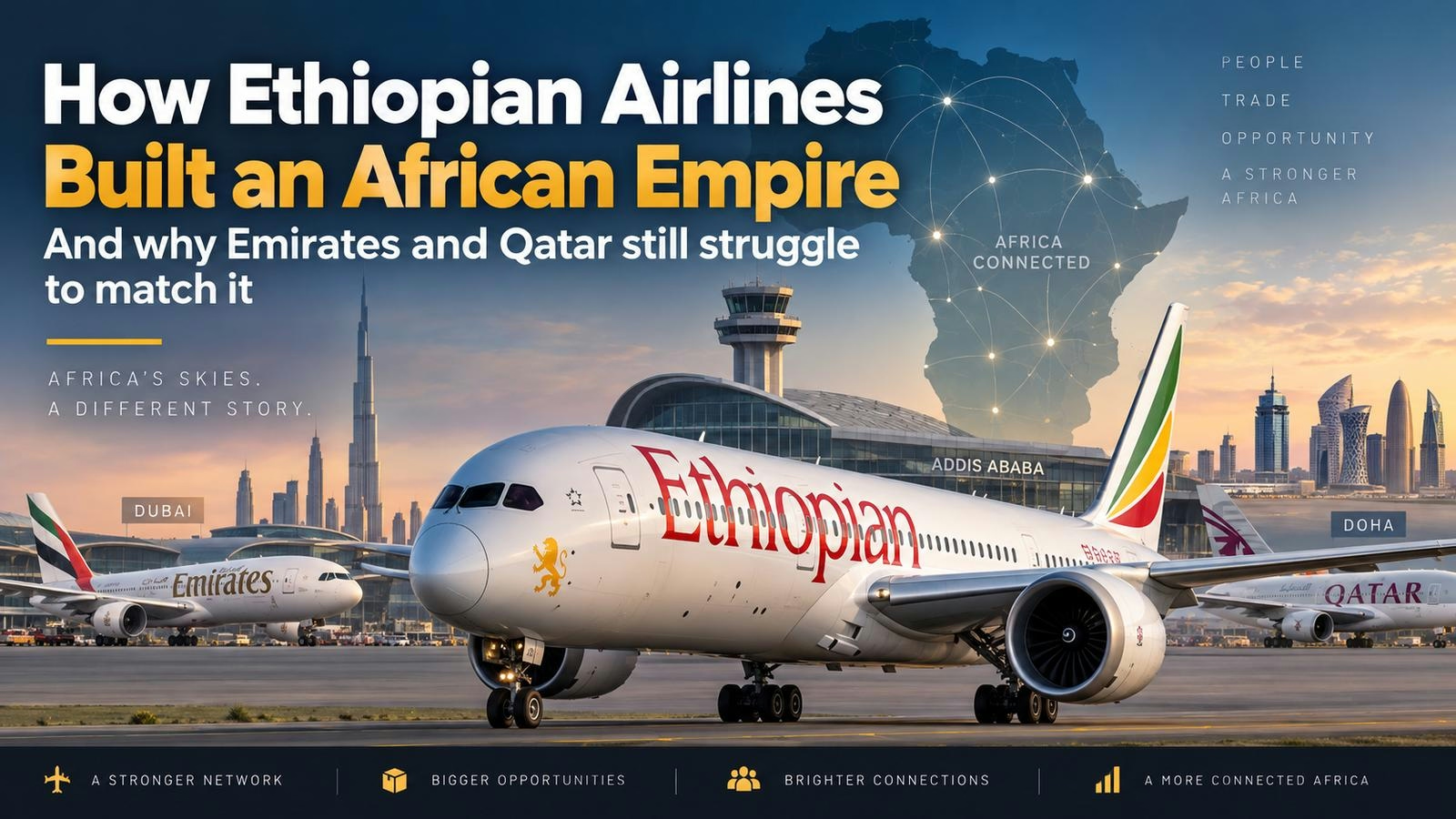
How Ethiopian Airlines Became Africa’s Leading Carrier Amid Gulf Competition
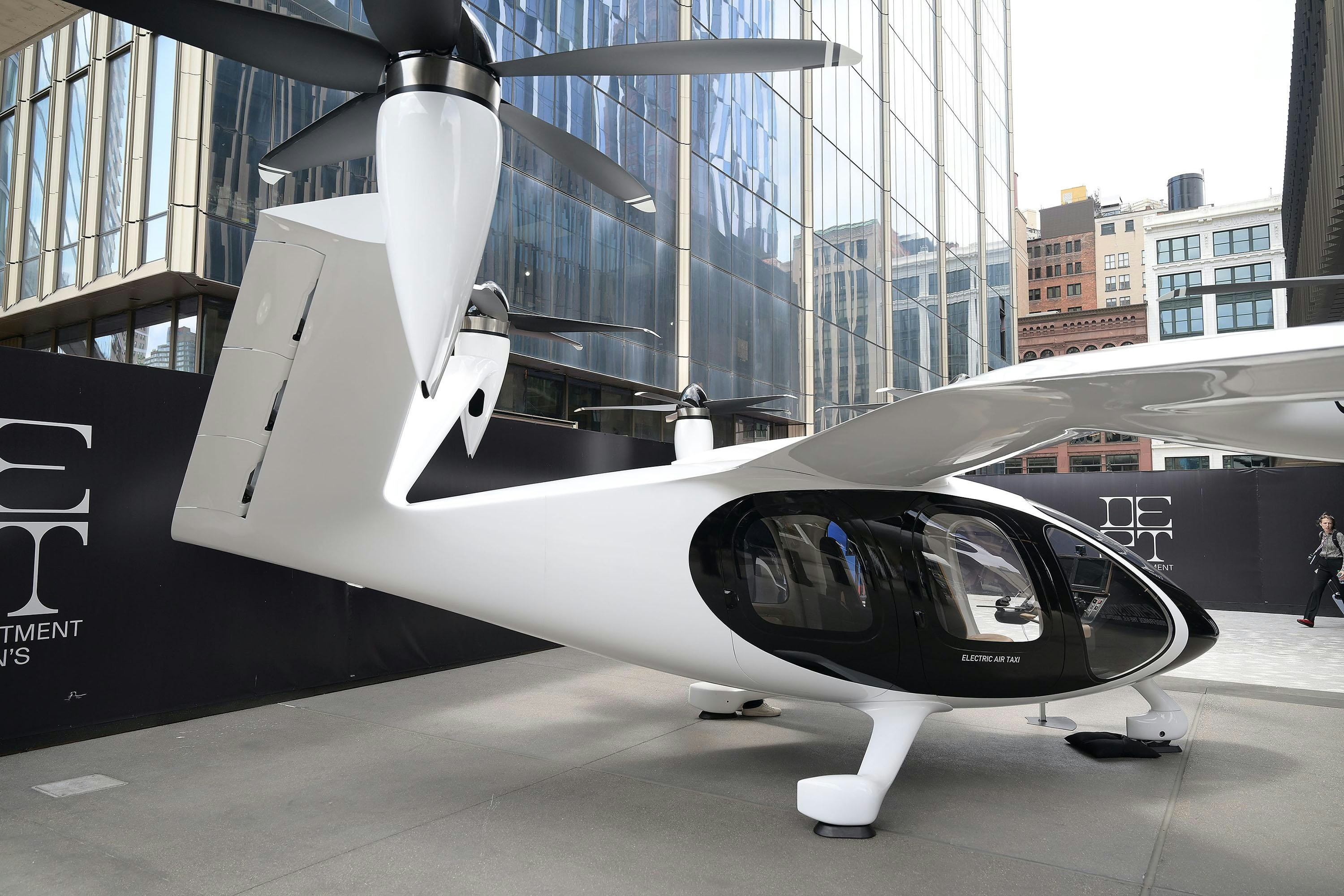
Joby Aviation Extends Autonomous Flight Capabilities with Cross-Country Tour
