
حوّل رؤى الذكاء الاصطناعي إلى أفعال منسّقة

الرائج الآن
Categories
Regional Jet Offers Wider Economy Seats and No Middle Seat
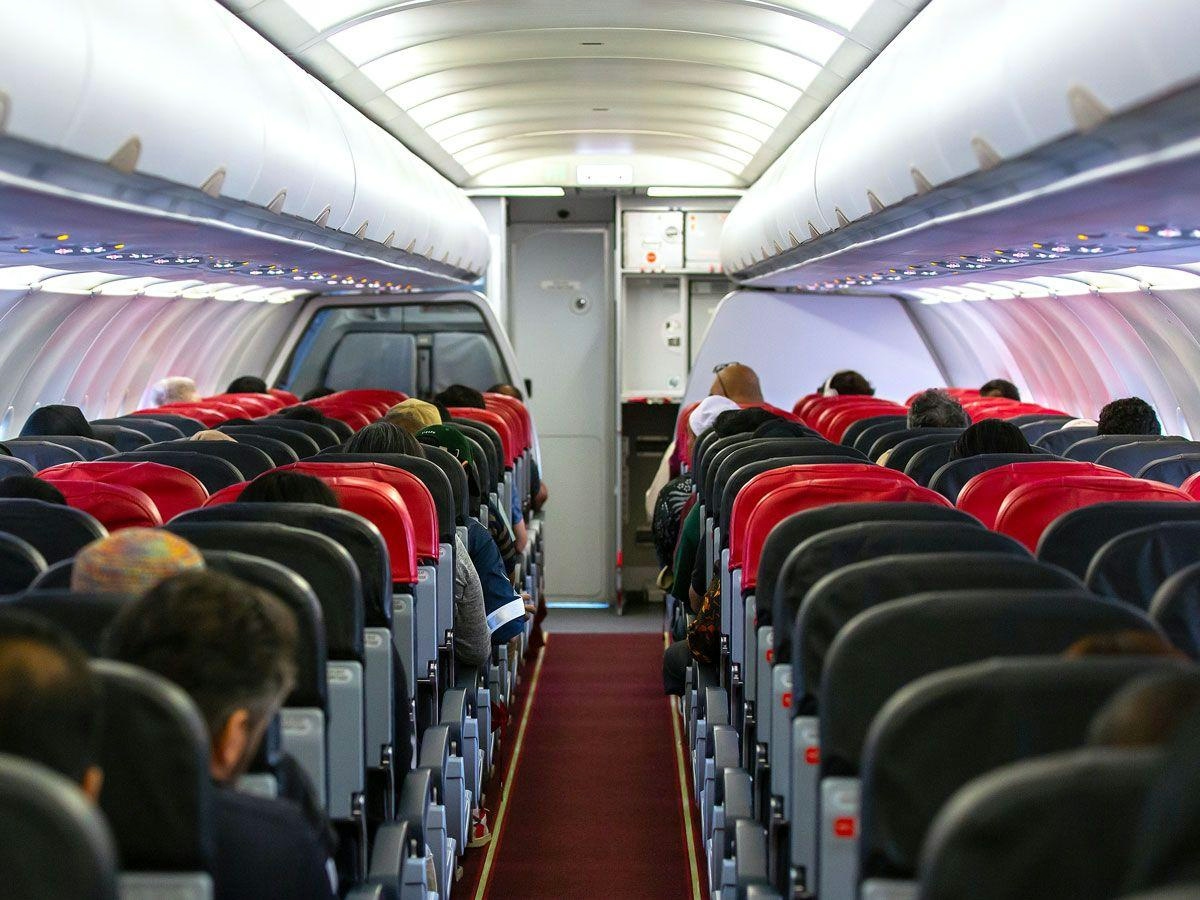
Regional Jet Offers Wider Economy Seats and No Middle Seat
Rethinking Economy Class Comfort
Frequent flyers often assume that boarding a long-haul widebody airliner guarantees a superior passenger experience compared to stepping onto a smaller regional jet. However, when examining elbow room and hip space in economy class, cabin design reveals a contrasting reality. The Embraer E-Jet family distinguishes itself in the regional jet market by providing wider economy seats than many high-density intercontinental aircraft, while entirely eliminating the middle seat.
In recent years, major airlines have reconfigured their flagship twin-aisle jets to maximize seating capacity, frequently at the expense of individual passenger comfort. Widebody airliners, once synonymous with spacious cabins and generous seat widths, have seen their economy sections compressed as financial models shifted toward higher density. For instance, the Boeing 777’s transition from a traditional nine-abreast to a ten-abreast layout reduced individual seat widths to approximately 17 inches (43.2 cm) and narrowed aisles to 16.5 inches (41.9 cm). Similarly, the Boeing 787’s now-standard nine-abreast seating yields seat widths of just 17.2 inches (43.7 cm), a significant reduction from the roomier eight-abreast concept originally envisioned.
This industry-wide densification has produced a counterintuitive outcome: passengers on long-haul flights often find themselves confined to narrower seats than those on short-haul regional routes. High-density seating models prioritize total passenger count, leaving travelers with limited hip and shoulder space—even on journeys lasting eight hours or more.
Embraer’s Passenger-Centric Design
In contrast, the Embraer E-Jet series has emphasized passenger ergonomics over maximum seating density. Its four-across economy layout eliminates the middle seat entirely and standardizes seat width at 18.25 inches (46.4 cm), wider than many seats found on both narrowbody and widebody competitors. This design choice ensures a consistent level of personal space, largely immune to the aggressive densification trends seen elsewhere in the industry.
Market response to these design choices has been overwhelmingly positive. Passengers consistently appreciate the additional space and the absence of a middle seat, which enhances comfort and reduces the feeling of crowding. United Airlines’ recent decision to fully block off the middle seat in its Economy Plus section has also been well-received, signaling a broader industry trend toward more spacious seating configurations. Competitors are expected to follow suit, adjusting their cabin layouts to maintain a competitive edge.
Challenges and Industry Implications
Nevertheless, offering wider seats and eliminating the middle seat presents challenges. Regional jet operators must navigate regulatory requirements, manage operational costs, and ensure that the enhanced passenger experience translates into sustained satisfaction and profitability. Despite these hurdles, the Embraer E-Jet family’s approach has established a new benchmark for comfort in regional air travel, challenging long-held assumptions about where passengers can expect the most space.
As airlines and manufacturers respond to evolving passenger expectations, the future of economy class seating may shift away from a relentless pursuit of higher seat counts toward a renewed focus on personal space—even on the shortest flights.

Etihad and Swissport Extend Global Partnership
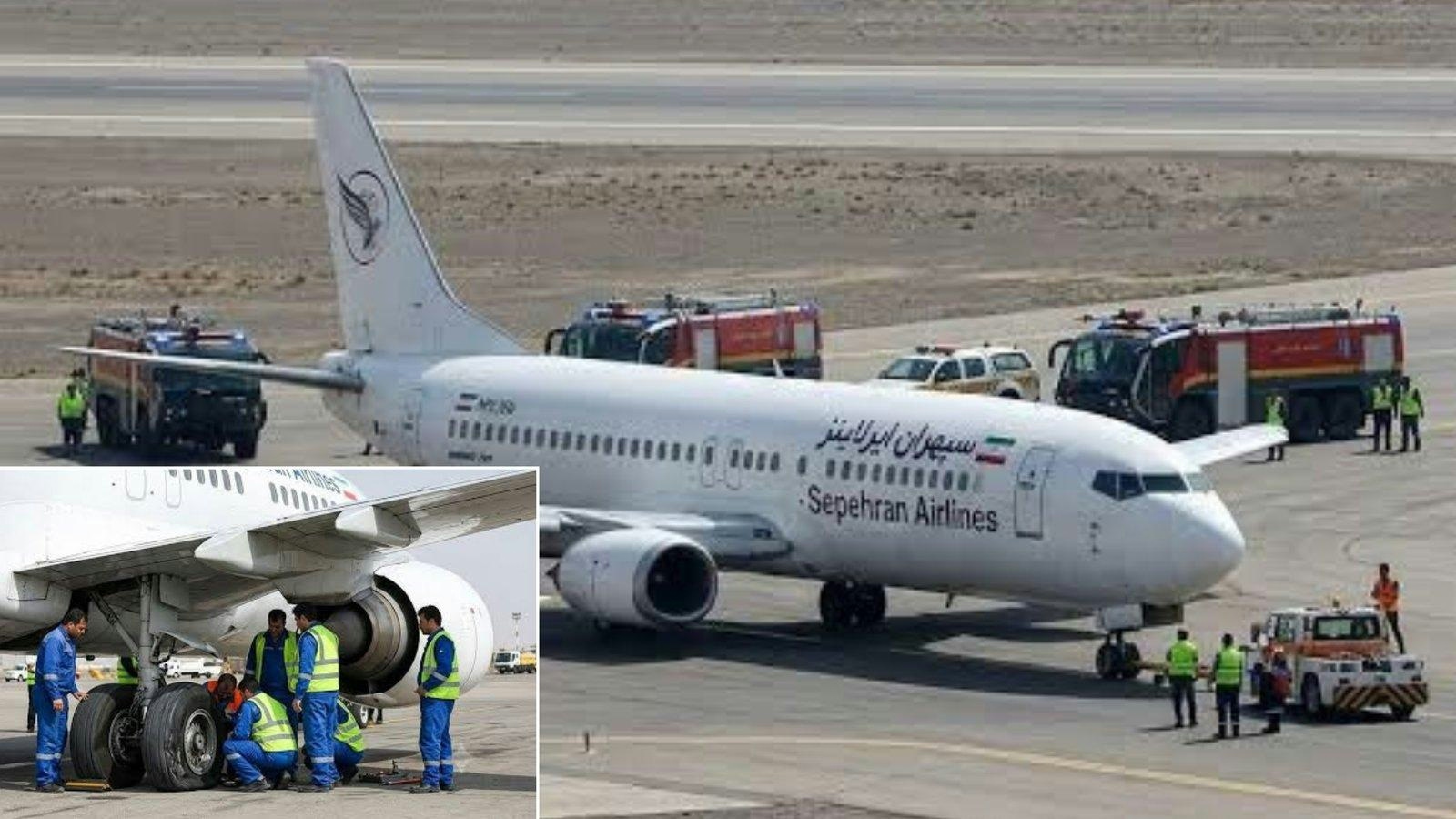
Sepehran Airlines B737 Returns to Mashhad After Tyre and Engine Issues
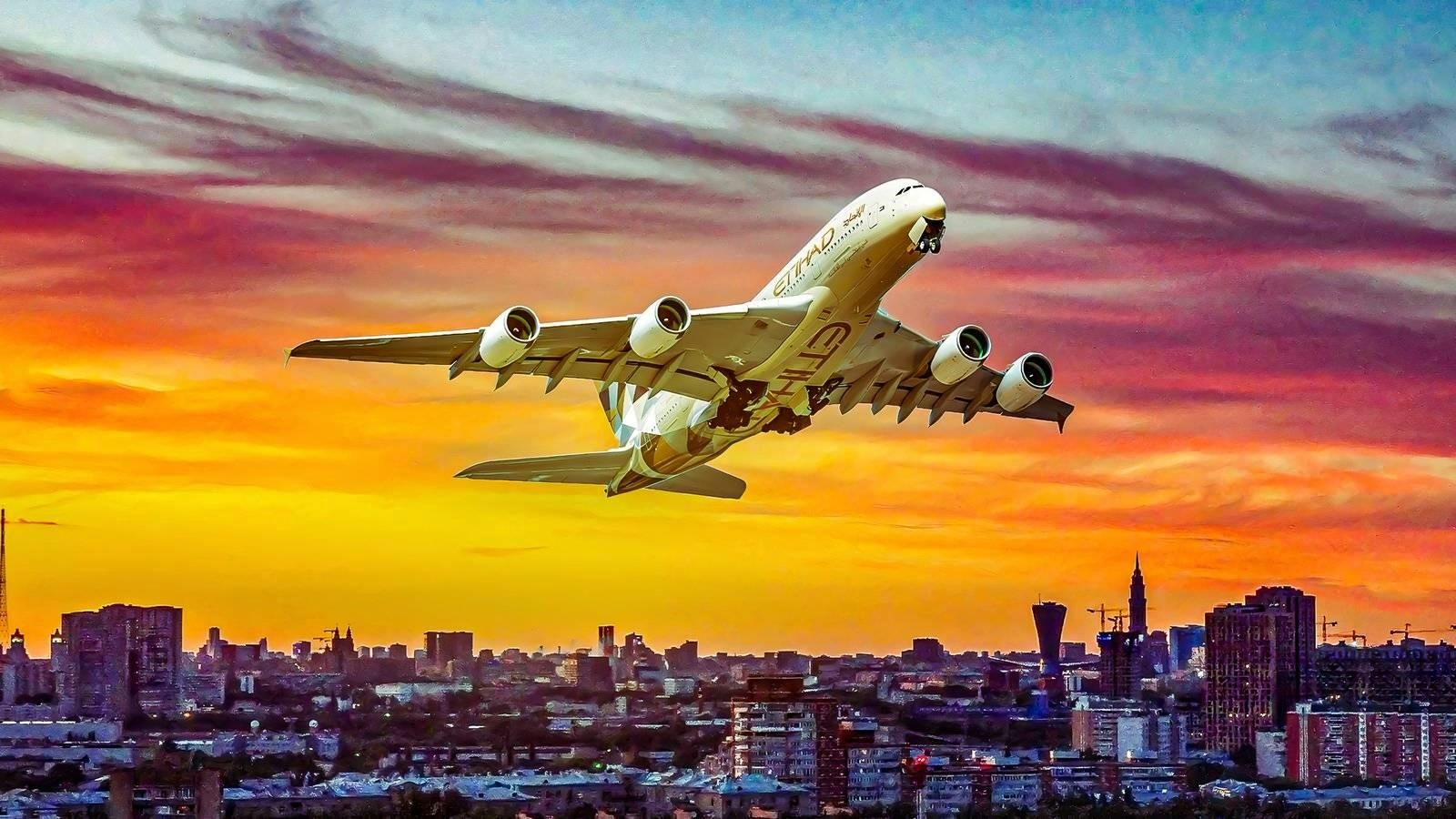
Etihad Deploys Widebody Fleet to Meet Strong Demand
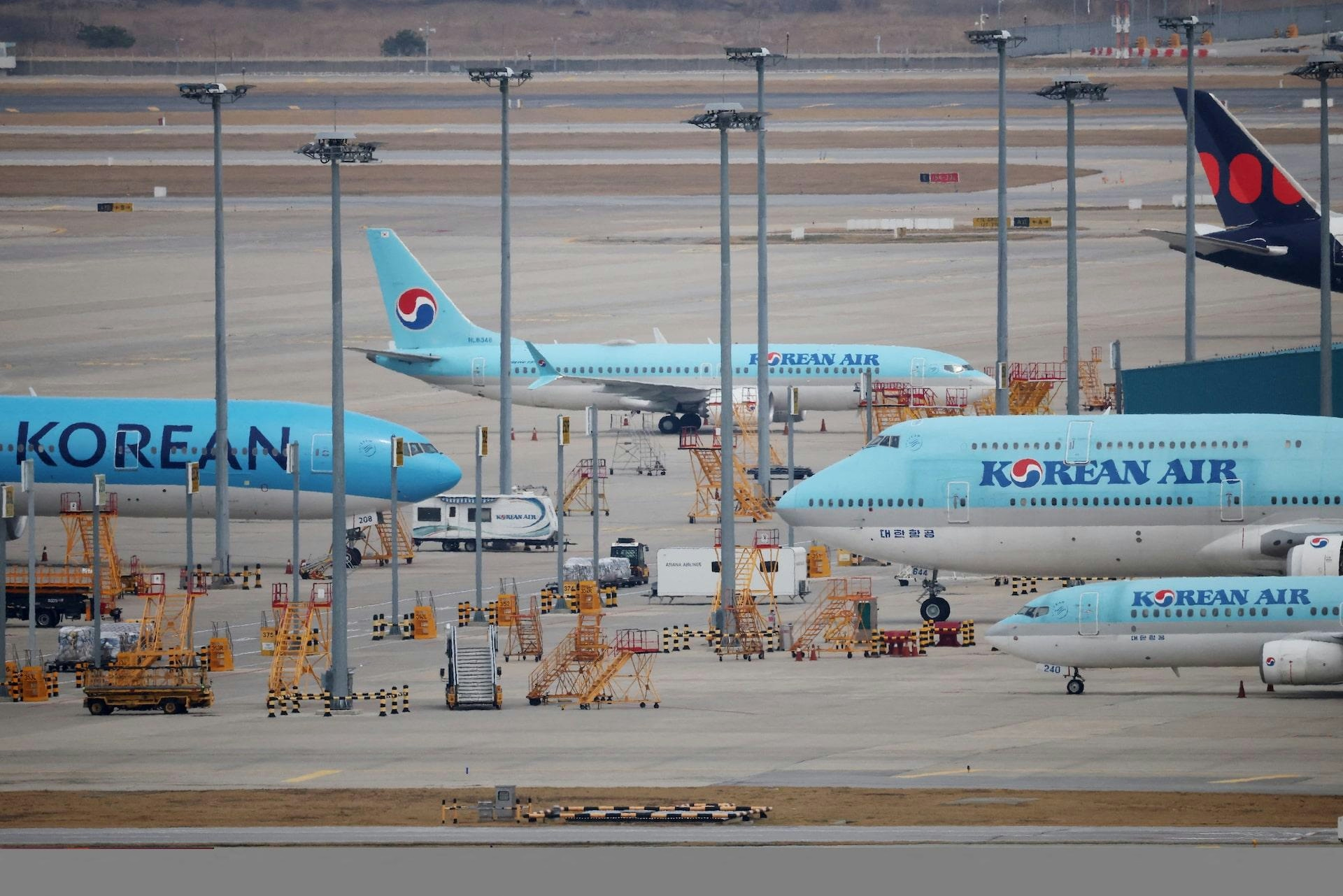
Korean Air Finalizes $36.2 Billion Deal with Boeing
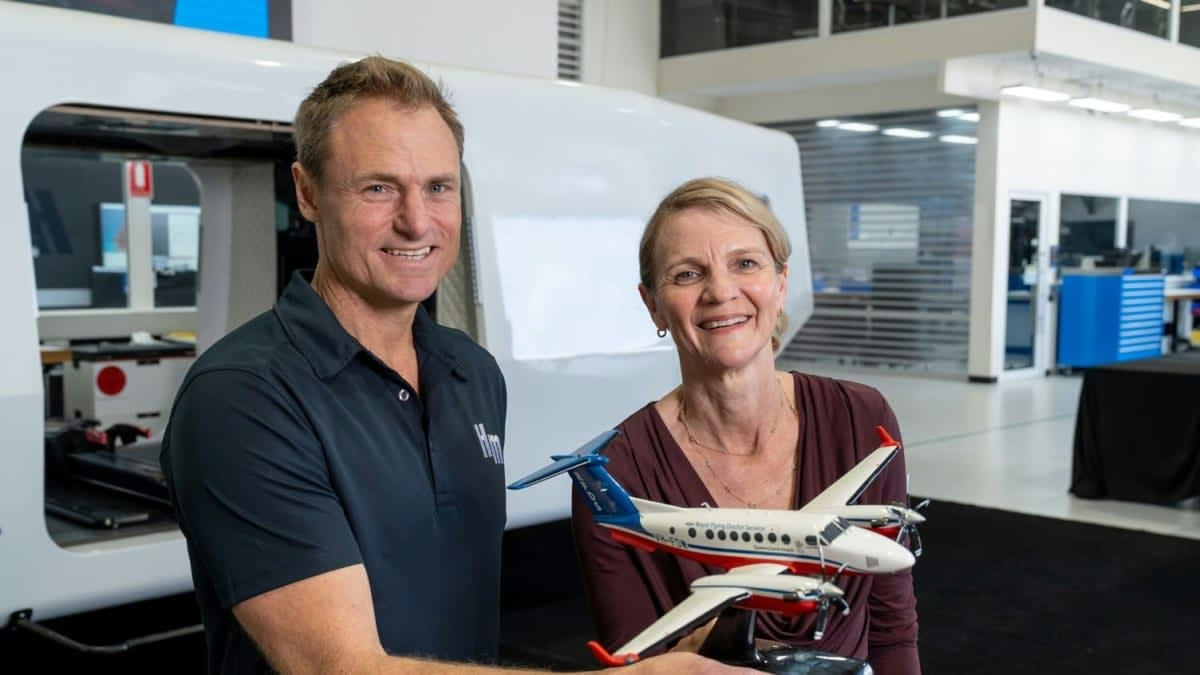
Australia’s RFDS Queensland Section Orders Six King Air 260Cs

Korean Air Finalizes Order for 103 Boeing Jets and Engines
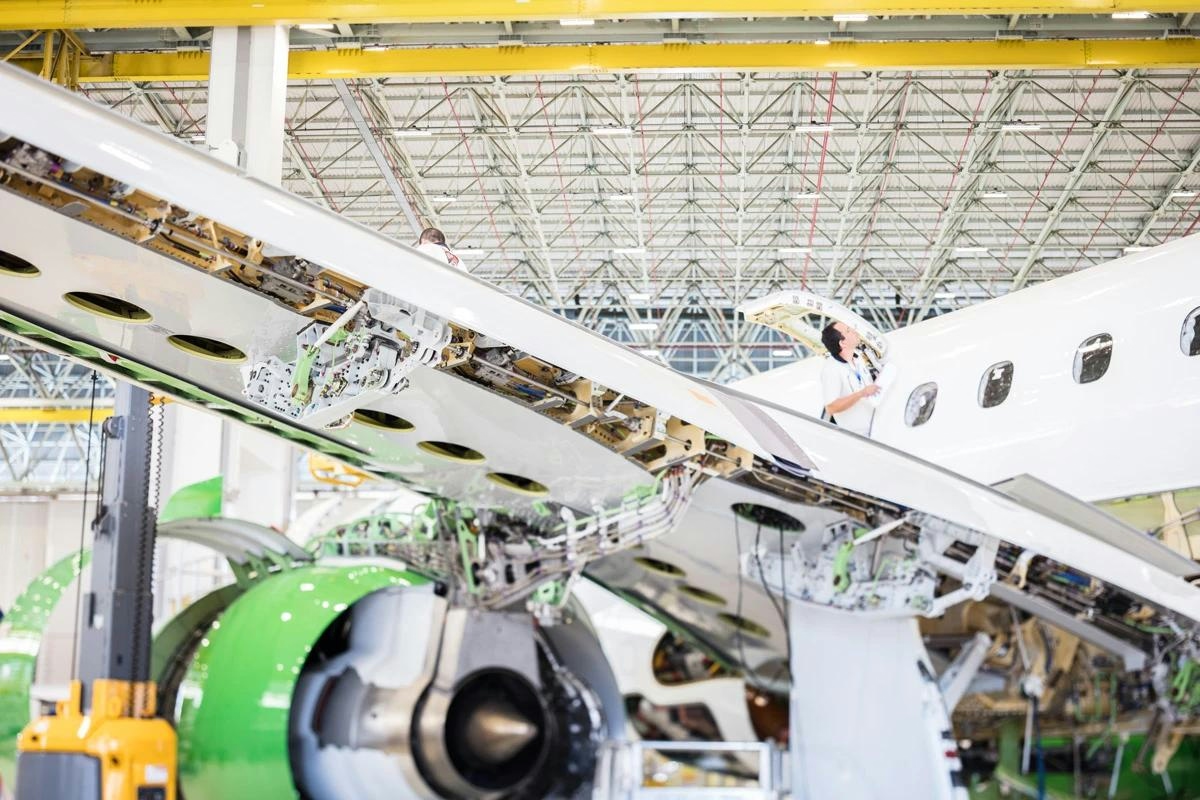
Embraer E195-E2 Features Distinctive Engine Placement Among Regional Jets
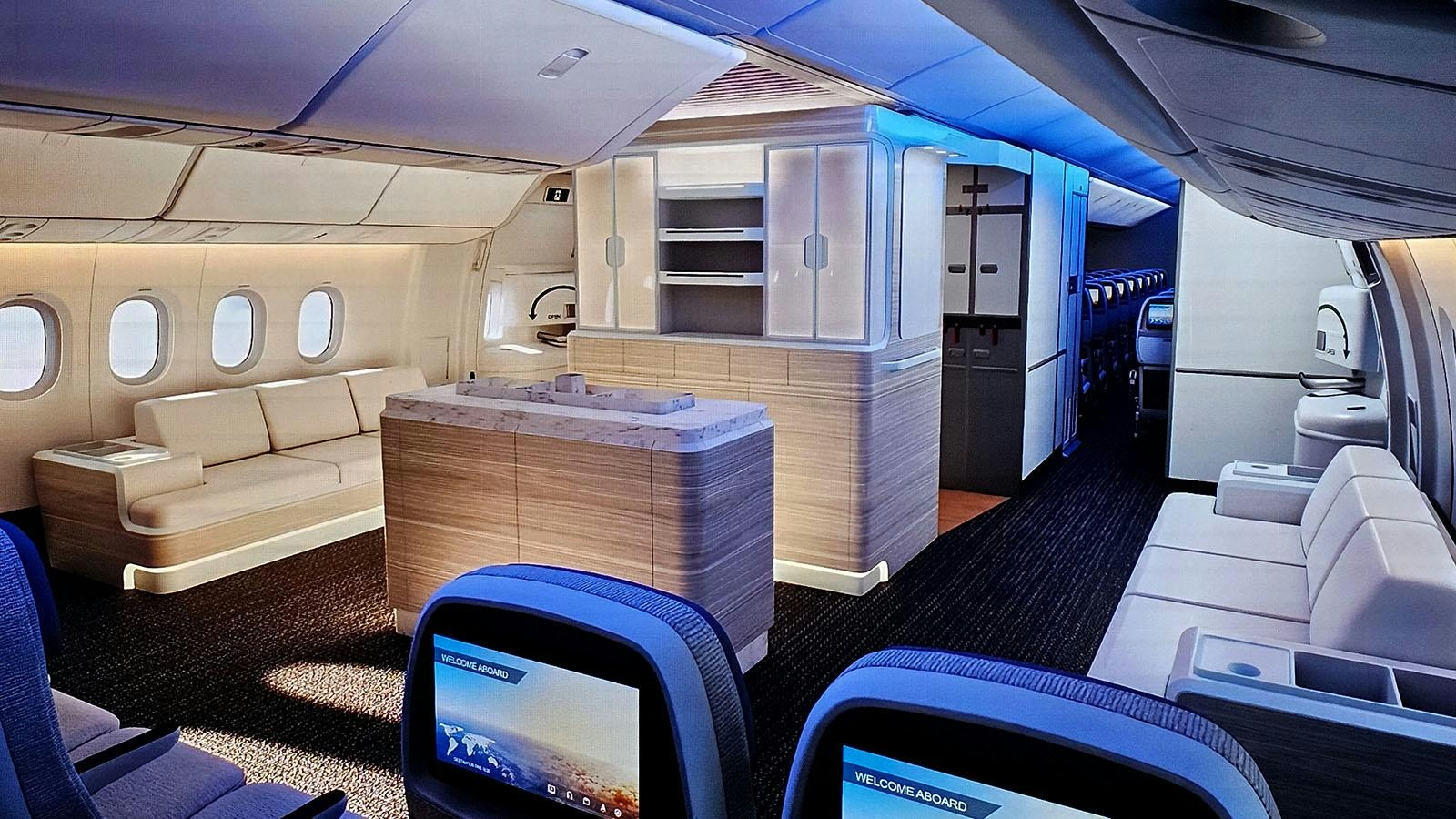
What Passengers Can Expect on Boeing’s New 777X Jet
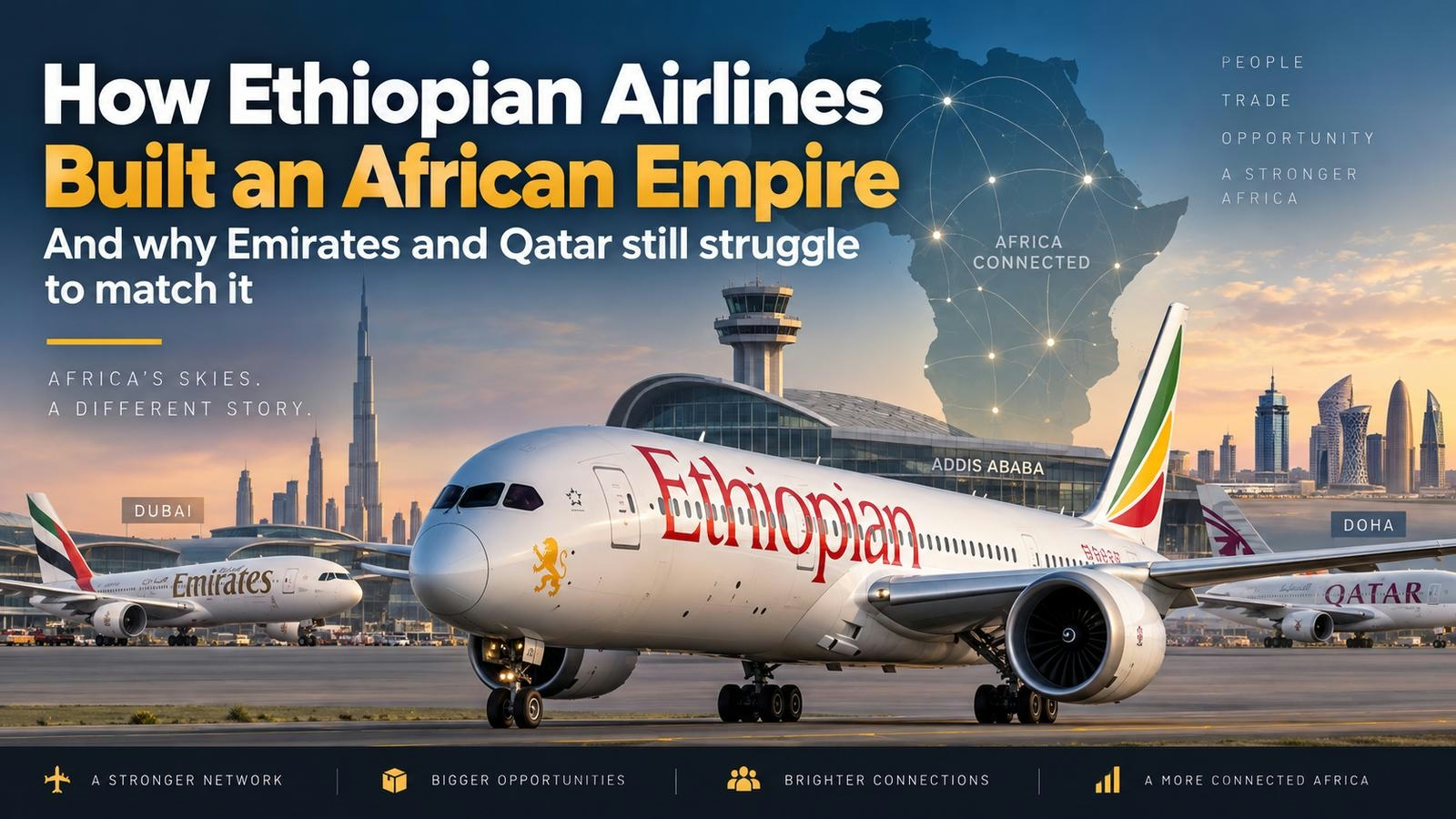
How Ethiopian Airlines Became Africa’s Leading Carrier Amid Gulf Competition
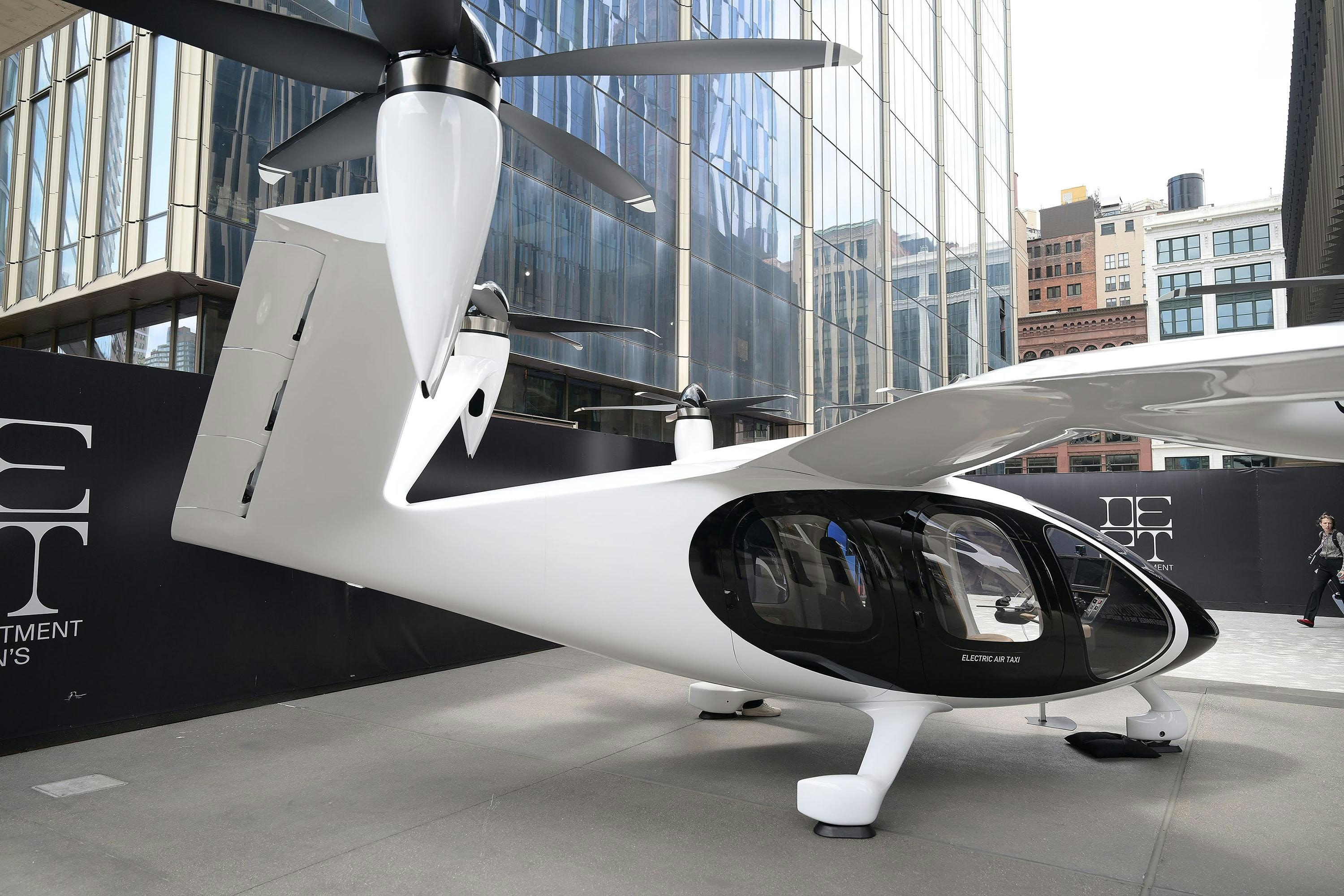
Joby Aviation Extends Autonomous Flight Capabilities with Cross-Country Tour
