
حوّل رؤى الذكاء الاصطناعي إلى أفعال منسّقة

الرائج الآن
Categories
Royal Air Maroc Embraces Artificial Intelligence to Advance African Aviation
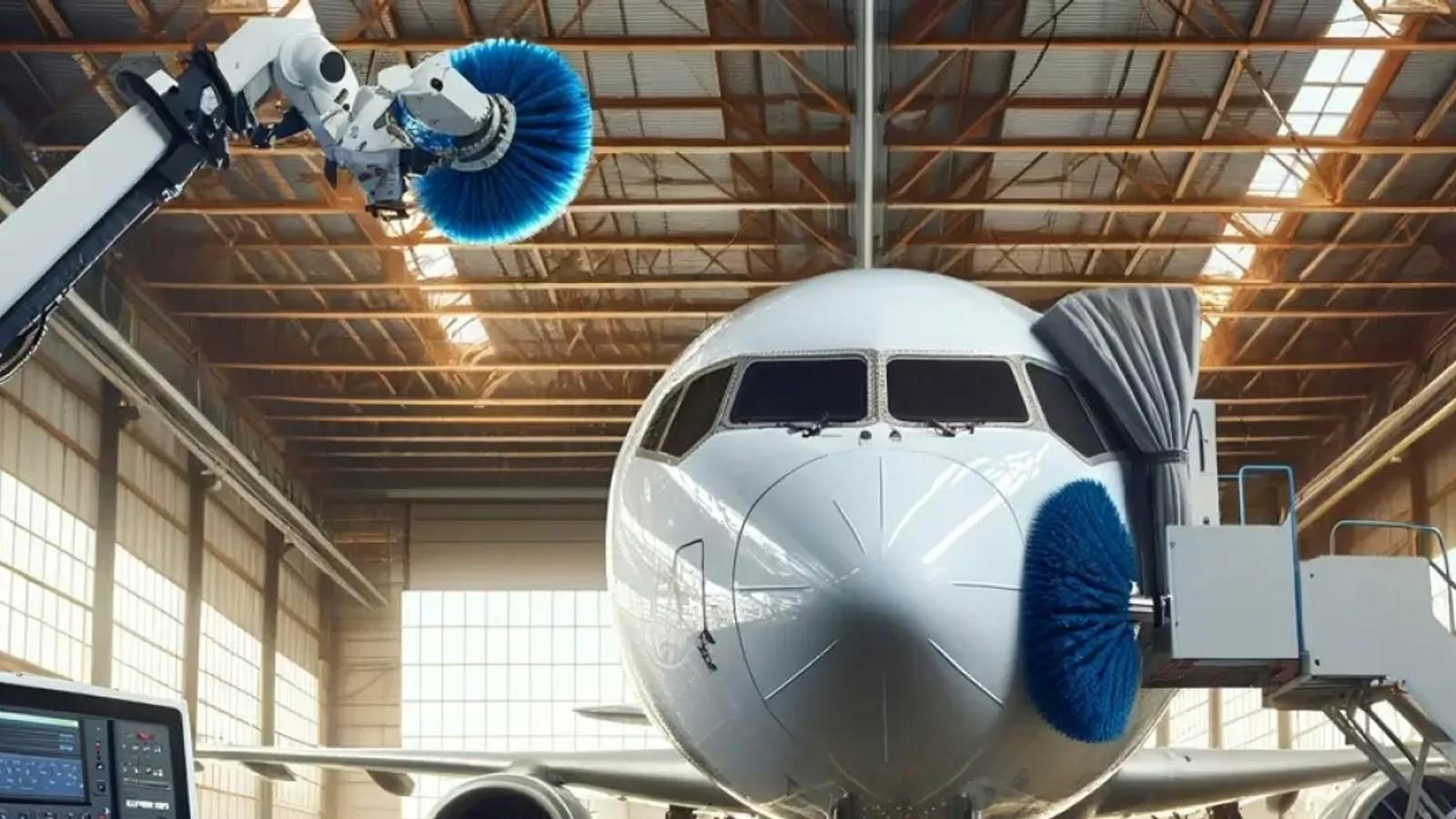
Royal Air Maroc Embraces Artificial Intelligence to Advance African Aviation
Royal Air Maroc (RAM) is intensifying its digital transformation by integrating artificial intelligence (AI) across its operations, customer service, and cybersecurity frameworks. What initially began as isolated pilot projects has now matured into a comprehensive, cross-functional AI deployment, positioning the Moroccan national carrier as a technological frontrunner within Africa’s increasingly competitive aviation industry.
Operational Enhancements Through AI
RAM is harnessing AI-driven data analytics to refine flight planning, anticipate complex operational scenarios, and improve resource management. In an industry where punctuality, safety, and efficiency are critical, these AI capabilities provide the airline with a distinct competitive advantage. The carrier reports that AI applications have enabled it to better absorb operational shocks and reduce inefficiencies throughout its network, thereby enhancing overall performance.
Transforming the Passenger Experience
Customer experience remains a central pillar of RAM’s AI strategy. The airline is overhauling the entire passenger journey—from flight search and booking to check-in and post-travel support—focusing on speed, simplicity, and personalization. As traveler expectations evolve, delivering a seamless and digitally enhanced experience has become essential for airlines aiming to expand their market share in a dynamic environment.
Innovation and Collaboration
The RAM Open Innovation program, launched in 2022 to foster partnerships with startups and technology firms, is entering a more selective phase. The initiative now prioritizes projects that directly address operational challenges and align with the airline’s strategic objectives. This targeted approach seeks to ensure that innovation translates into practical, deployable solutions rather than remaining theoretical.
Strengthening Cybersecurity Measures
Alongside digitalization, cybersecurity has emerged as a critical priority for RAM. As an operator of vital infrastructure managing extensive sensitive passenger and operational data, the airline is continuously enhancing its security posture. It is deploying advanced security technologies, tightening protocols, and forging specialized partnerships to protect its systems against evolving cyber threats.
Challenges in Workforce and Regulation
Despite the benefits, RAM’s AI adoption presents significant challenges, particularly regarding workforce adaptation. Automation driven by AI could disrupt employment in areas such as data analysis, cybersecurity, and AI development. While some sectors within the airline and the broader market may embrace AI for its efficiency gains, concerns persist over potential job displacement. Competitors are expected to respond by either accelerating their own AI integration or investing in human capital to mitigate the impact of automation.
Moreover, the evolving regulatory environment governing AI in aviation adds complexity. RAM must navigate emerging compliance requirements as authorities introduce guidelines to ensure the safety, privacy, and ethical use of AI technologies.
By advancing these initiatives while addressing workforce, market, and regulatory challenges, Royal Air Maroc is determined to solidify its position as Africa’s leading aviation hub. Leveraging technology as the driving force behind its next growth phase, the airline is charting a forward-looking course for the future of African aviation.

Etihad Airways Suspends Airbus A380 Flights on Key Route

Aditya Birla Group Seeks Approval for Aircraft Leasing in GIFT City

Qatar Airways Highlights Innovation and Connectivity at Arabian Travel Market 2026

Hong Kong's Five-Year Plan Includes Andrew Fan's Aircraft Parts Processing Hub Proposal

ACIA Aero Leasing Delivers ATR72-600 to Air Nostrum

RTX Appoints Jill Albertelli as Head of Pratt & Whitney

TAT Technologies Joins Beyond Aero Hydrogen Aircraft Program

AURAK Study Highlights Barriers to Air Taxi Adoption in Emerging Economies

Xiamen Air Selects Altitude for 787 Maintenance at Heathrow

Etihad and Swissport Extend Global Partnership
