
حوّل رؤى الذكاء الاصطناعي إلى أفعال منسّقة

الرائج الآن
Categories
SAS Airbus A350 Returns to Copenhagen After Engine Shutdown En Route to Tokyo Haneda
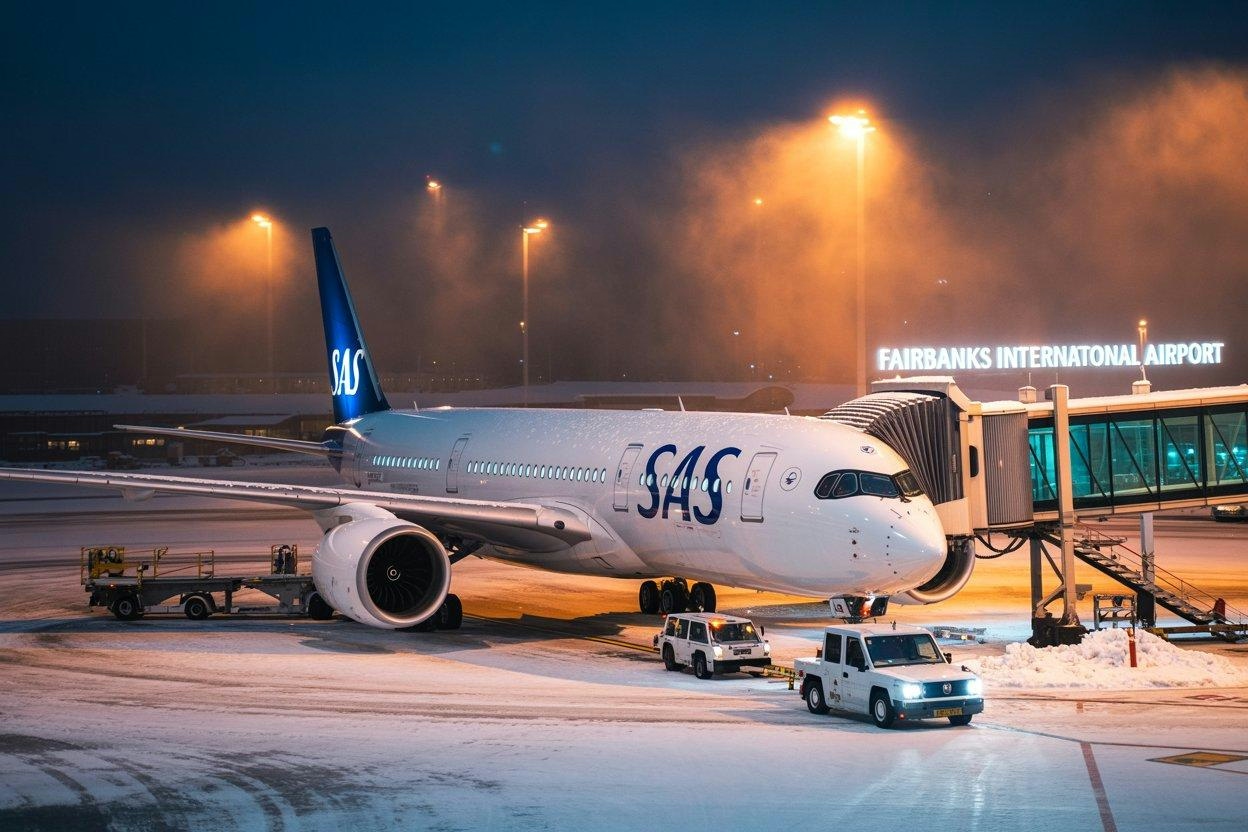
SAS Airbus A350 Returns to Copenhagen Following Engine Shutdown En Route to Tokyo Haneda
A Scandinavian Airlines System (SAS) long-haul flight destined for Tokyo was compelled to return to Copenhagen Airport on Thursday after encountering an engine issue while flying over Poland. Flight SK983, operated by an Airbus A350-900 registered SE-RSF, departed Copenhagen at 13:04 local time, embarking on a scheduled 12-hour and 35-minute journey to Tokyo Haneda Airport.
Approximately one hour into the flight, at cruising altitude of 37,000 feet, the flight crew detected a loss of oil pressure in one of the aircraft’s Rolls-Royce Trent XWB engines while over Polish airspace. In accordance with established safety protocols, the crew promptly shut down the affected engine and initiated a return to Denmark. The Airbus A350, a modern twin-engine aircraft, is certified to operate safely on a single engine for extended periods. The crew executed a routine approach, and the aircraft landed safely on Copenhagen’s runway 22L at 15:14 local time, just over two hours after departure. Emergency services were on standby as a precaution, but the landing proceeded without incident, and all passengers and crew disembarked safely.
SAS confirmed the diversion, describing the return as a precautionary measure. The airline immediately began efforts to re-accommodate passengers and planned to dispatch a replacement aircraft to Tokyo, targeting a departure at 16:00 local time.
Implications and Industry Response
The incident is expected to attract scrutiny from aviation safety authorities, who may initiate investigations into the cause of the engine malfunction. Depending on the findings, this could lead to further inspections or temporary groundings of similar aircraft models. The reliability of the Rolls-Royce Trent XWB engine may also come under review within the industry, potentially influencing future fleet decisions by airlines.
Market reactions could include a short-term decline in SAS’s stock price due to negative publicity and investor concerns. Competitor airlines might leverage the situation to highlight their own safety records, aiming to reassure passengers and gain a competitive advantage. The event is likely to prompt broader discussions about aircraft engine reliability and operational safety standards across the aviation sector.
Despite the disruption, SAS emphasized that passenger safety remains its highest priority and affirmed that all procedures were followed in accordance with international aviation standards.

Etihad Airways Suspends Airbus A380 Flights on Key Route

Aditya Birla Group Seeks Approval for Aircraft Leasing in GIFT City

Qatar Airways Highlights Innovation and Connectivity at Arabian Travel Market 2026

Hong Kong's Five-Year Plan Includes Andrew Fan's Aircraft Parts Processing Hub Proposal

ACIA Aero Leasing Delivers ATR72-600 to Air Nostrum

RTX Appoints Jill Albertelli as Head of Pratt & Whitney

TAT Technologies Joins Beyond Aero Hydrogen Aircraft Program

AURAK Study Highlights Barriers to Air Taxi Adoption in Emerging Economies

Xiamen Air Selects Altitude for 787 Maintenance at Heathrow

Etihad and Swissport Extend Global Partnership
