
حوّل رؤى الذكاء الاصطناعي إلى أفعال منسّقة

الرائج الآن
Categories
South Korea Expands Role in Global Aerospace Supply Chain
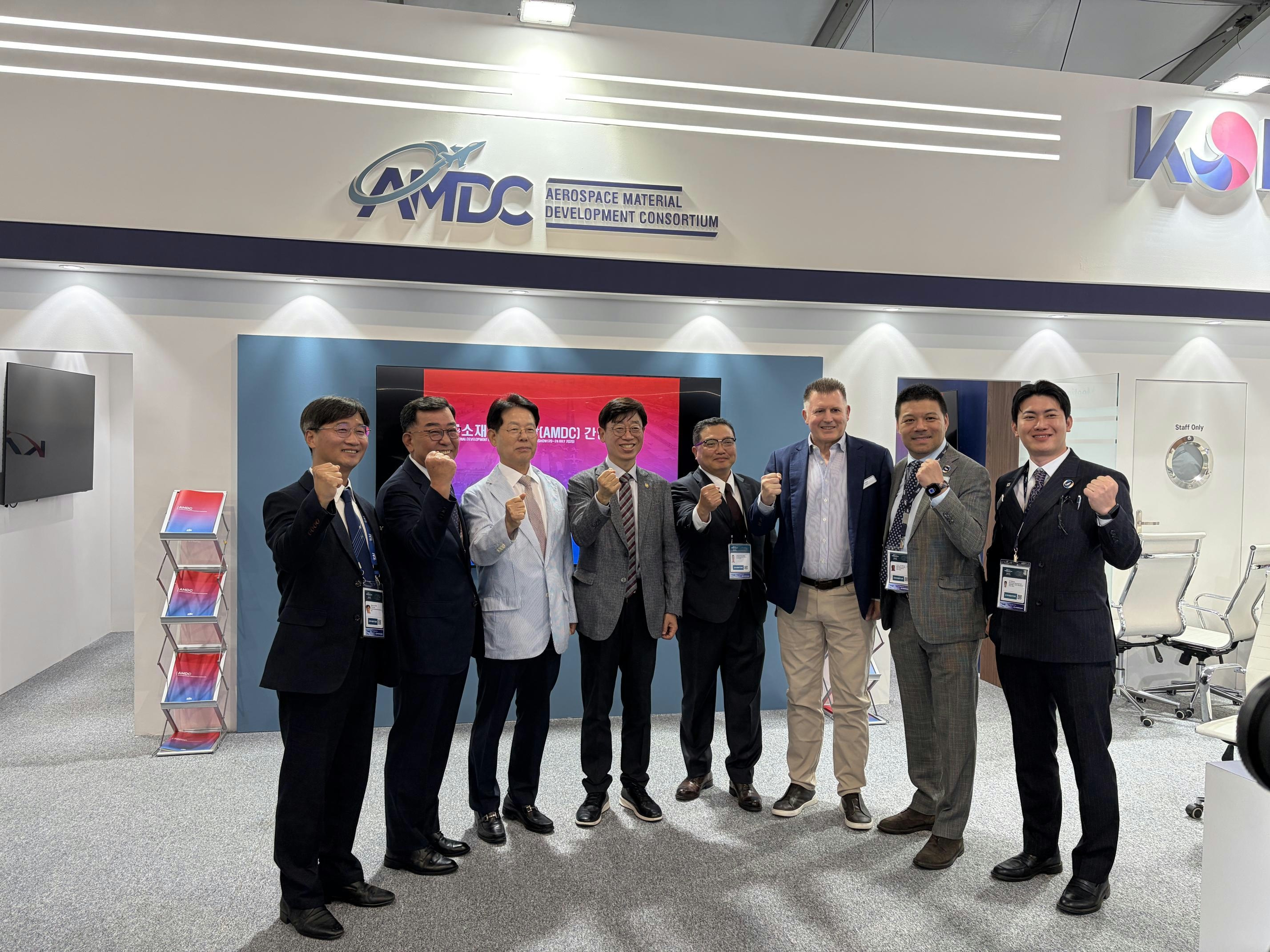
South Korea Expands Role in Global Aerospace Supply Chain
Advancing Domestic Aerospace Manufacturing
Historically dependent on foreign suppliers for critical aviation components, South Korea is swiftly establishing itself as a significant player in the global aerospace supply chain. At the Farnborough International Airshow, the Korea AeroSpace Administration (KASA) unveiled a range of domestically developed lightweight aviation materials, marking a pivotal advancement in the country’s aerospace ambitions. Supported by export contracts and agreements valued at 40 billion won ($29 million), the showcase featured nine specialized alloys, including advanced aluminum extrusions and super-heat-resistant nickel fasteners. These materials were developed through a state-led initiative aimed at localizing essential aerospace components.
This initiative is a collaborative effort between KASA, the Korea Institute of Materials Science, and Korea Aerospace Industries (KAI). It also introduced K-MIDAS, a standardized design allowable software platform that aligns with international aerospace certification standards. Korean-made components are already being integrated into global aircraft manufacturing; for instance, high-performance aluminum materials are used in the wing structures of Israel Aerospace Industries’ G280 business jets and are planned for inclusion in Embraer’s E-Jets.
Public-Private Synergy and International Expansion
The Farnborough event underscored the dynamic interplay between public research and private sector investment driving South Korea’s aerospace growth. Korean manufacturer Taesang announced plans to construct ultra-large forging facilities, while KAI committed to prioritizing the procurement of key structural components from domestic suppliers. Additionally, TESTCOR, a Korean producer of specialized fasteners, signed a memorandum of understanding with global distributor FDH Aero, facilitating the entry of its heat-resistant nickel hardware into international supply chains.
KASA Administrator Oh Tae-seok, during his visit to the Korean pavilion, highlighted the critical importance of materials in aviation. He remarked, “At Farnborough, we confirmed that the competitiveness of our domestic materials resonates in the global marketplace. To ensure more of our companies become proud suppliers in the global supply chain, we will establish an integrated support system linking material development, system application, and commercialization.”
Challenges and Global Implications
Despite these advances, South Korea faces significant challenges as it expands its aerospace footprint. The country must navigate complex international trade dynamics, maintain competitive pricing against established industry leaders, and sustain continuous technological innovation to meet evolving global standards. As South Korea’s presence in the aerospace supply chain grows, the global market may experience heightened competition and potential shifts in supplier alliances and partnerships.
Established aerospace powers are likely to respond by intensifying efforts to protect their market share, potentially through strategic collaborations or acquisitions. The commercial momentum demonstrated at Farnborough reflects a broader transformation for South Korea. Amid geopolitical uncertainties, global aerospace giants are seeking to diversify and strengthen their supply chains, positioning South Korea—with its government-backed standardization efforts and agile private manufacturing sector—as an increasingly vital partner in the development of next-generation aviation.

Etihad and Swissport Extend Global Partnership
Sepehran Airlines B737 Returns to Mashhad After Tyre and Engine Issues

Etihad Deploys Widebody Fleet to Meet Strong Demand
Korean Air Finalizes $36.2 Billion Deal with Boeing
Australia’s RFDS Queensland Section Orders Six King Air 260Cs
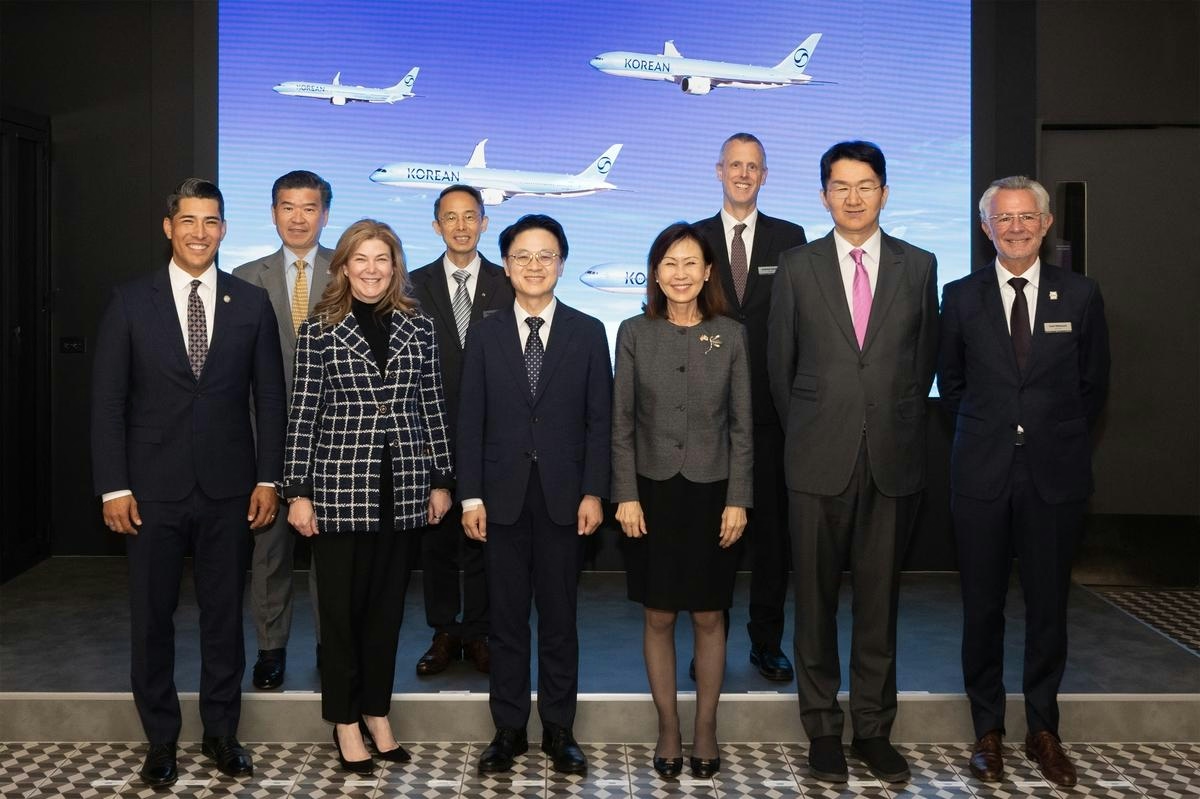
Korean Air Finalizes Order for 103 Boeing Jets and Engines
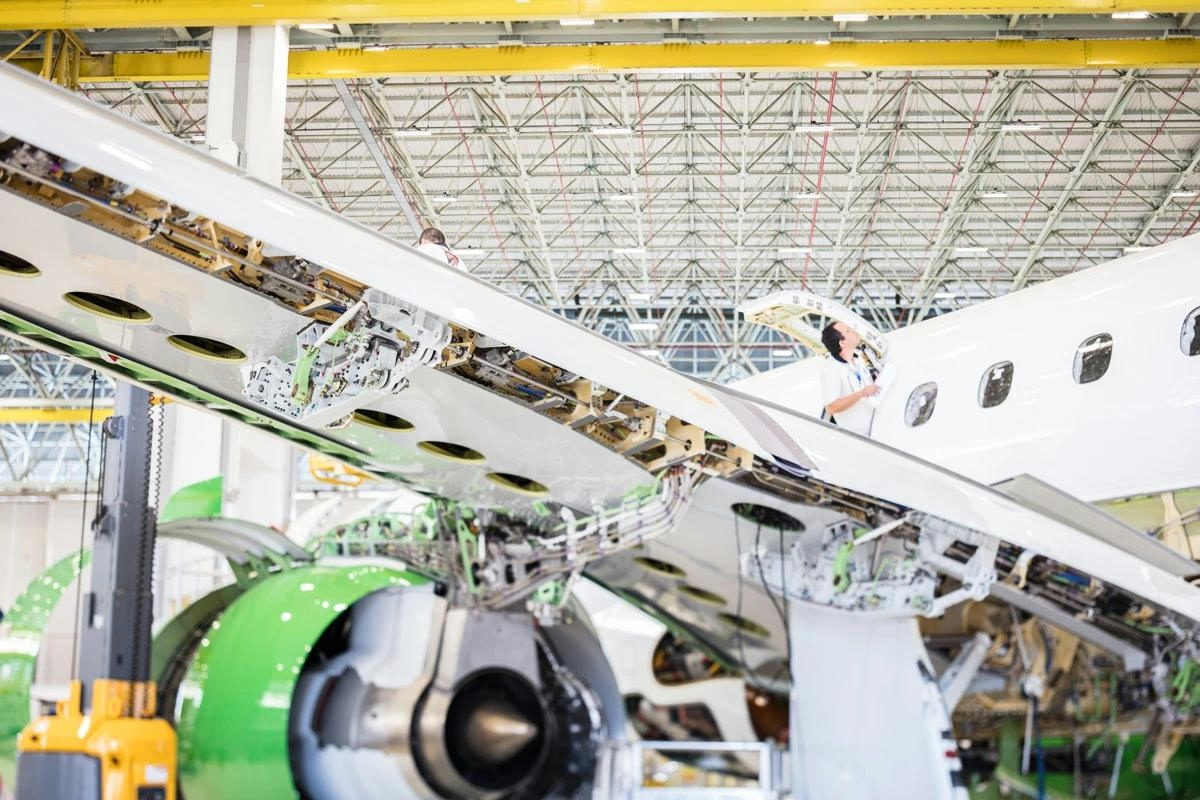
Embraer E195-E2 Features Distinctive Engine Placement Among Regional Jets
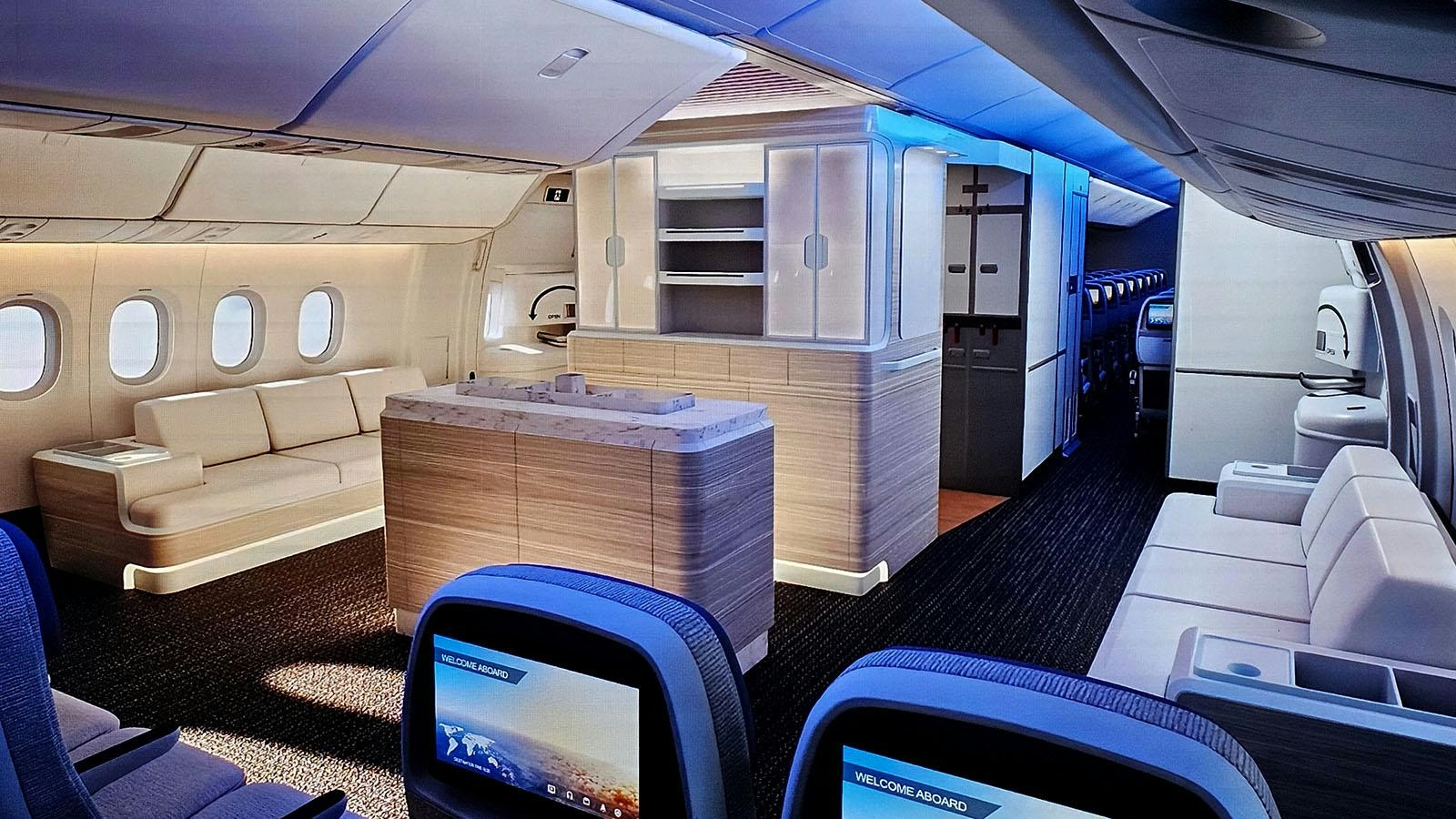
What Passengers Can Expect on Boeing’s New 777X Jet
How Ethiopian Airlines Became Africa’s Leading Carrier Amid Gulf Competition
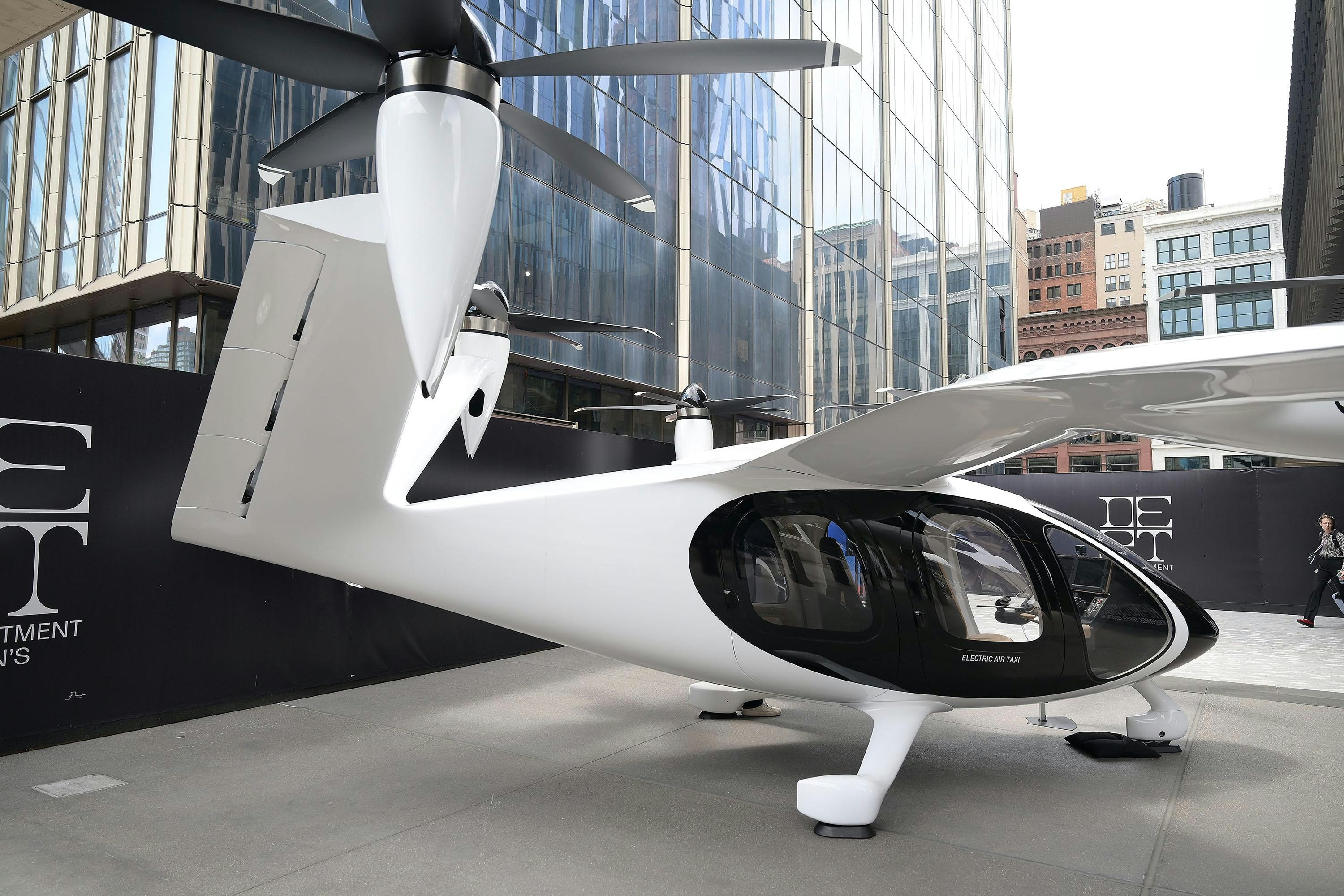
Joby Aviation Extends Autonomous Flight Capabilities with Cross-Country Tour
