
حوّل رؤى الذكاء الاصطناعي إلى أفعال منسّقة

الرائج الآن
Categories
The Debate Over AI in Aviation Misses the Mark
The Debate Over AI in Aviation Misses the Mark
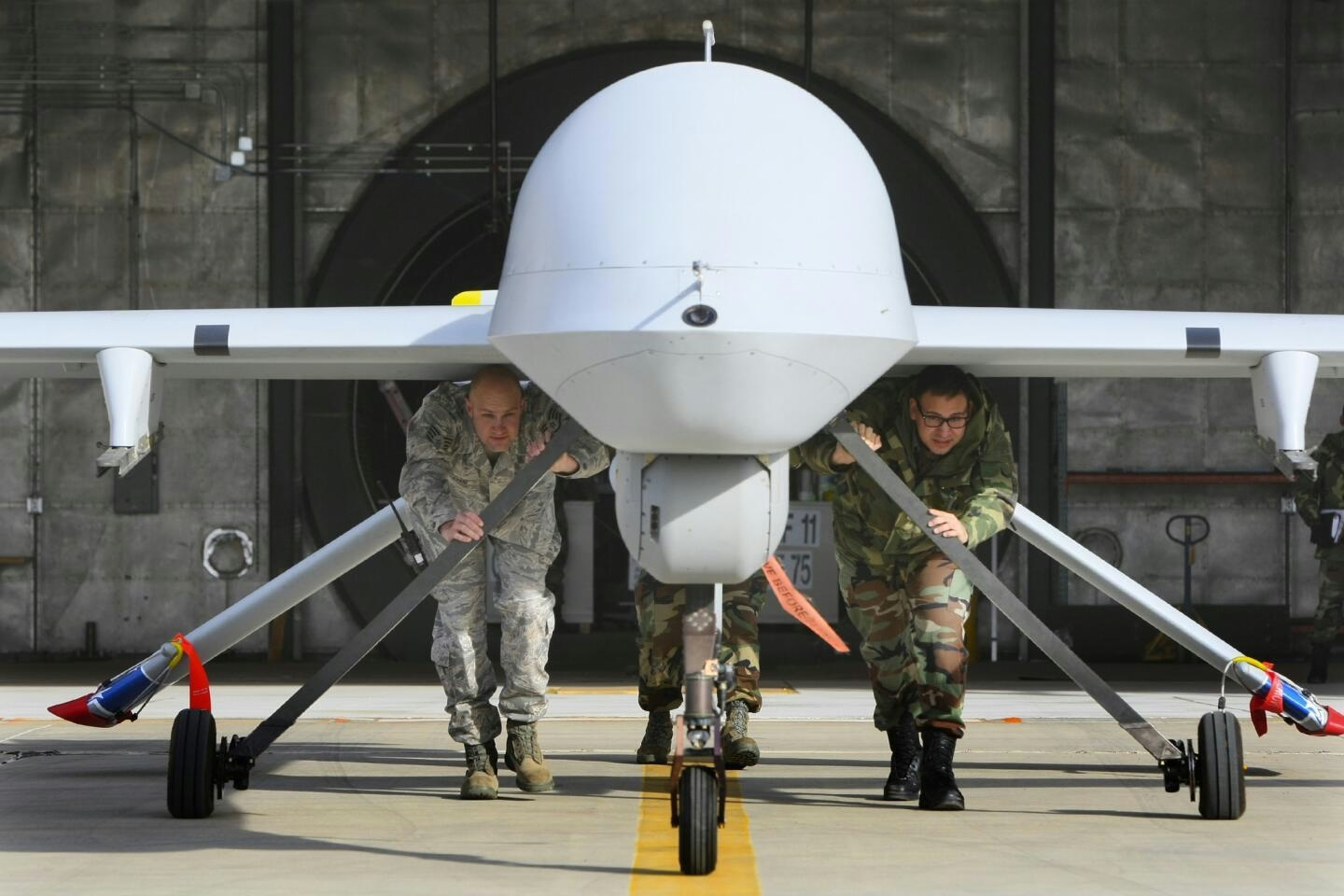
For years, the Pentagon has prioritized the integration of artificial intelligence into defense systems, presenting it as a strategic necessity. The U.S. Air Force, for instance, has unveiled plans for thousands of AI-driven “loyal wingman” aircraft intended to support human pilots rather than replace them. Meanwhile, defense contractors have demonstrated that fully autonomous flight is technologically achievable. Despite these advancements, the central debate remains focused on a binary question: should AI augment human pilots, or should it replace them entirely?
Rethinking the AI-Pilot Dynamic
This ongoing debate, however, may overlook the broader implications of AI in military aviation. Both camps remain tethered to traditional perspectives, concentrating on the perceived losses or gains associated with removing the pilot from the cockpit. Advocates for maintaining human pilots emphasize the indispensable value of human judgment and presence, particularly in unpredictable combat scenarios where AI’s dependence on training data and pattern recognition may prove insufficient. Conversely, proponents of pilotless aircraft argue that the high costs and risks involved in training and deploying human pilots justify the use of AI to undertake more hazardous missions without endangering lives.
While both positions hold merit, the Pentagon’s likely approach—a hybrid fleet of manned and unmanned aircraft—appears pragmatic. Yet, the true potential of AI lies beyond this dichotomy. Rather than simply applying AI to existing roles, the focus should shift to how AI can fundamentally redefine military aviation. The absence of a pilot is not the most compelling feature of autonomous aircraft; rather, it is the freedom to conceive entirely new capabilities. Envision aircraft designed for extreme maneuvers such as 20G turns, vertical launches from compact canisters, or rapid redeployment without reliance on traditional runways. These innovations could transform mission profiles and operational strategies in profound ways.
Broader Reflections on AI Integration
The debate surrounding AI in aviation reflects wider anxieties about AI’s integration across various industries. In the automotive sector, for example, manufacturers have invested billions in AI-driven manufacturing and sales processes, yet financial returns remain uncertain. Market skepticism is evident in ongoing concerns about the profitability of electric vehicles in China and forecasts of a challenging 2026 for the industry. Similarly, the technology sector’s enthusiasm for AI-powered products—such as AI-enabled glasses, which have sparked discussions about social pressures and cognitive effects—illustrates a mixture of excitement and apprehension regarding the rapid pace of change.
Investor sentiment further highlights this tension. Rivian’s recent stock rebound, fueled by analyst optimism about its self-driving chip and Autonomy+ subscription service, signals a shift in focus from traditional vehicle sales toward software and autonomy. Nevertheless, questions persist about the sustainability of the AI boom, with some cautioning against inflated expectations and insular dealings among major industry players.
Ultimately, the discourse on AI in aviation—and across other sectors—must transcend the question of whether AI should replace or augment humans. The critical inquiry should center on how AI can unlock new possibilities, reshape roles, and redefine what is achievable. Only by embracing forward-looking perspectives, rather than clinging to legacy frameworks, can the transformative potential of AI be fully realized.

Etihad Airways Suspends Airbus A380 Flights on Key Route

Aditya Birla Group Seeks Approval for Aircraft Leasing in GIFT City

Qatar Airways Highlights Innovation and Connectivity at Arabian Travel Market 2026

Hong Kong's Five-Year Plan Includes Andrew Fan's Aircraft Parts Processing Hub Proposal

ACIA Aero Leasing Delivers ATR72-600 to Air Nostrum

RTX Appoints Jill Albertelli as Head of Pratt & Whitney

TAT Technologies Joins Beyond Aero Hydrogen Aircraft Program

AURAK Study Highlights Barriers to Air Taxi Adoption in Emerging Economies

Xiamen Air Selects Altitude for 787 Maintenance at Heathrow

Etihad and Swissport Extend Global Partnership
