
حوّل رؤى الذكاء الاصطناعي إلى أفعال منسّقة

الرائج الآن
Categories
Transforming the Airline Source-to-Pay Value Chain from Cost Control to Value Creation
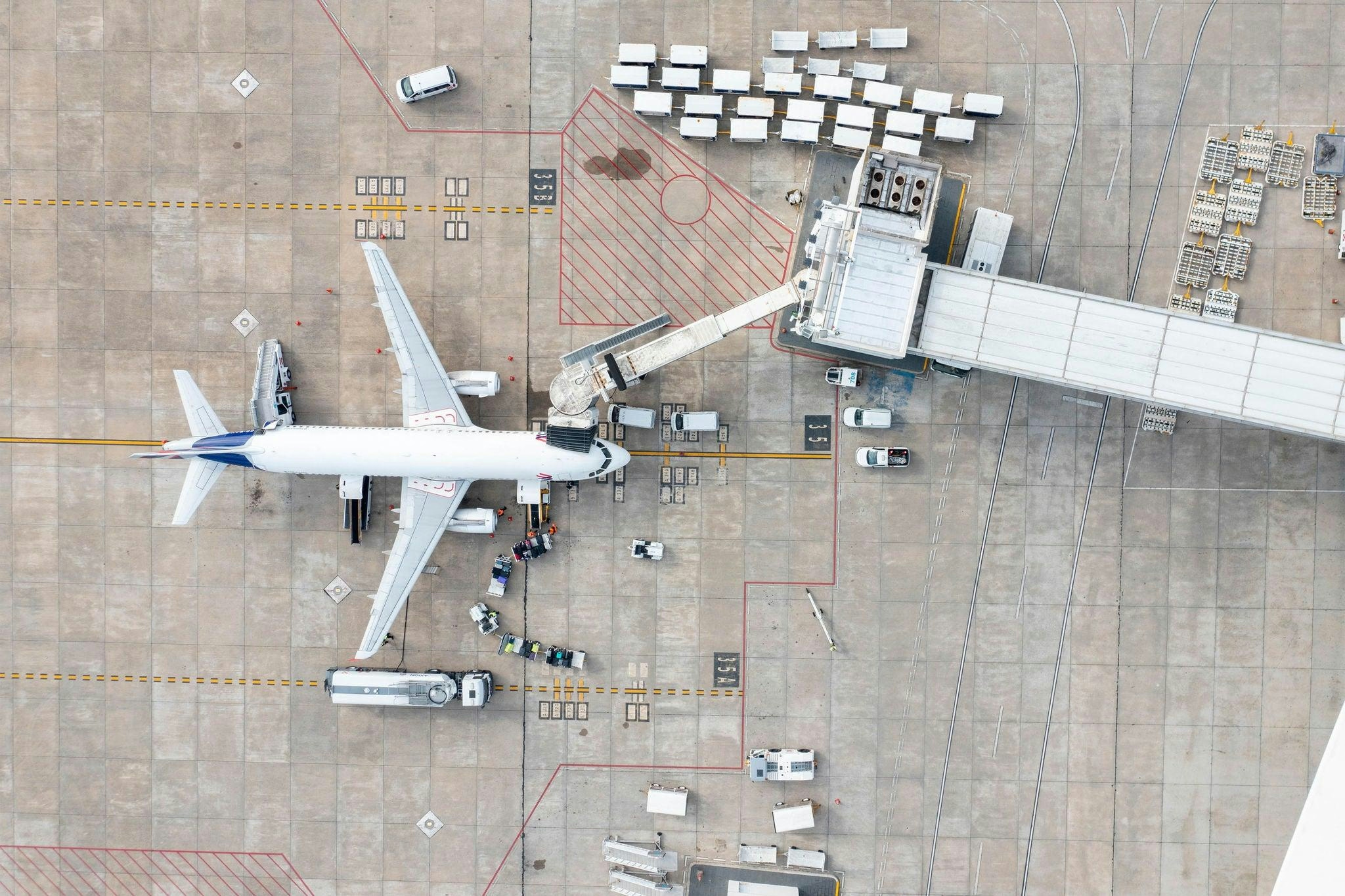
Transforming the Airline Source-to-Pay Value Chain: From Cost Control to Value Creation
Airline procurement stands at a pivotal juncture. Despite widespread adoption of modern source-to-pay (S2P) platforms, many carriers continue to face challenges stemming from fragmented processes and disconnected systems. This issue is especially pronounced in operational spend areas, which encompass safety-critical aircraft components, FAA-regulated maintenance, airport operations, and enterprise technology. In these domains, structured procurement processes are frequently circumvented, resulting in limited visibility, compliance gaps, and diminished control across the enterprise.
The Challenge of Integration
Integrating direct operational spend into S2P platforms presents both technical and organizational hurdles. Teams responsible for maintenance and airport operations prioritize speed and safety, often viewing additional procedural steps as potential obstacles. Many of the systems they depend on are decades old and mission-critical, particularly those subject to FAA regulation, making complete system replacement impractical.
In response, leading airlines have adopted strategies that synchronize legacy systems with modern S2P platforms. This integration enables governance and visibility without disrupting established operational workflows. By allowing teams to continue working within certified environments while ensuring contracts, commitments, and financial controls are aligned end-to-end, airlines create a compliant and auditable procurement environment that supports enterprise-scale direct spend.
Operationalizing Contracts for Enhanced Value
A central element in this transformation is the operationalization of contracts. Embedding contracts directly into procurement workflows increases the proportion of spend under management, reduces leakage, enhances compliance, and accelerates supplier onboarding. Despite these benefits, many airlines still maintain contracts in offline repositories or unmanaged digital folders, disconnected from execution and enforcement mechanisms.
Modern S2P models address this gap by integrating contracts, projects, and financial systems, thereby improving transparency and working capital management. This evolution elevates procurement from a cost-control function to a strategic enterprise capability that drives both financial and operational performance.
Navigating Market and Regulatory Pressures
The shift toward value creation occurs amid intensifying external pressures. Geopolitical developments in the Middle East have led to rising fuel costs, compelling airlines to adjust operations and implement fuel surcharges. Additionally, labor expenses and evolving regulatory frameworks, including potential changes in credit card legislation, add layers of complexity.
In response, some carriers are pivoting from a focus on market share to emphasizing premium services. Delta Air Lines exemplifies this trend, having successfully transitioned to a premium product model. Its strategic partnership with American Express has further enhanced value creation. Delta’s robust financial performance and innovative approach have influenced broader market dynamics, highlighting procurement’s critical role as a driver of enterprise value.
Drawing Inspiration from Other Industries
The airline sector can also glean insights from manufacturing and automotive industries, where circular economy principles are increasingly embraced. While regulatory challenges remain significant, adopting similar strategies could unlock new avenues for value creation within airline procurement.
Conclusion
Transforming the airline source-to-pay value chain extends beyond mere technological upgrades. It requires a comprehensive approach that integrates procurement into the broader enterprise operating model, operationalizes contracts, and adapts to shifting market and regulatory conditions. Through these efforts, airlines can transcend traditional cost control and emerge as genuine creators of enterprise value.

Etihad Airways Suspends Airbus A380 Flights on Key Route

Aditya Birla Group Seeks Approval for Aircraft Leasing in GIFT City

Qatar Airways Highlights Innovation and Connectivity at Arabian Travel Market 2026

Hong Kong's Five-Year Plan Includes Andrew Fan's Aircraft Parts Processing Hub Proposal

ACIA Aero Leasing Delivers ATR72-600 to Air Nostrum

RTX Appoints Jill Albertelli as Head of Pratt & Whitney

TAT Technologies Joins Beyond Aero Hydrogen Aircraft Program

AURAK Study Highlights Barriers to Air Taxi Adoption in Emerging Economies

Xiamen Air Selects Altitude for 787 Maintenance at Heathrow

Etihad and Swissport Extend Global Partnership
