
حوّل رؤى الذكاء الاصطناعي إلى أفعال منسّقة

الرائج الآن
Categories
United Airlines Airbus A319 and Boeing 737 Return Due to Engine Issues
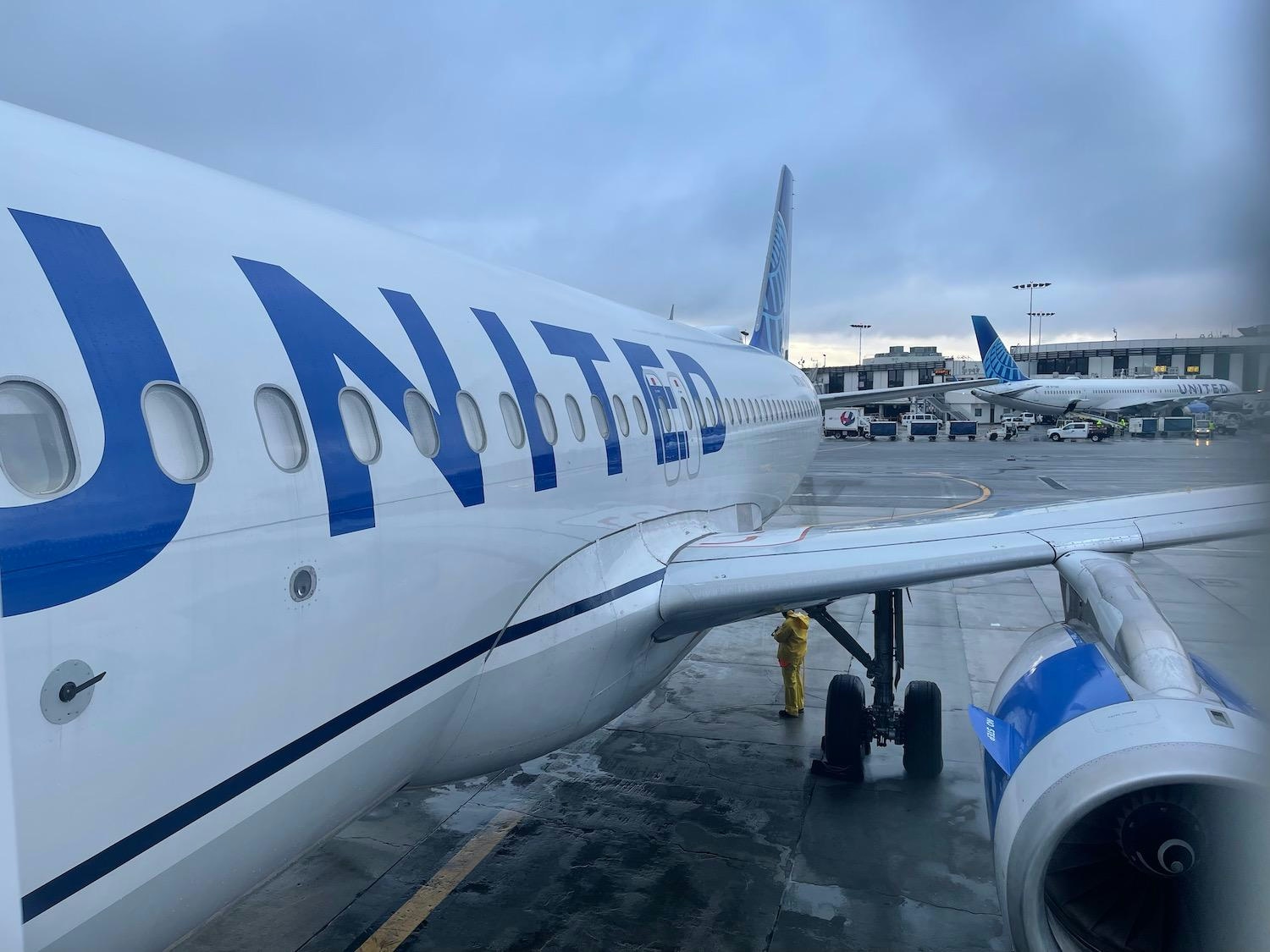
United Airlines Flights Return to Airports Following Engine Malfunctions
Two United Airlines flights recently returned to their departure airports due to separate engine-related issues, prompting concerns about aircraft reliability and potential repercussions within the aviation market. Both flights landed safely, and passengers were accommodated on alternative aircraft, although operational delays ensued.
Airbus A319 Incident at Washington Dulles
On February 3, United Airlines flight UA2241, operated by a 20-year-old Airbus A319, departed Washington Dulles International Airport (IAD) bound for Cleveland Hopkins International Airport (CLE). Shortly after takeoff, the flight crew detected abnormal engine indications and unusual noises. In response, they halted the climb at 3,000 feet and declared an emergency, returning safely to Dulles just 11 minutes after departure.
Flight records show that the aircraft had been grounded for several days prior to this event and was returned to service on February 9. United Airlines subsequently deployed a larger Airbus A320 to complete the journey, which departed six hours later and reached Cleveland in 57 minutes.
Boeing 737-800 Incident in Denver
The second incident involved United flight UA1125, a Boeing 737-800, operating from Denver International Airport (DEN) to Boise Airport (BOI). While cruising at 38,000 feet, the crew reported significant vibrations emanating from the left engine. The 25-year-old aircraft returned safely to Denver approximately two hours after departure. Maintenance teams addressed the issue promptly, allowing the aircraft to resume service the following day.
Passengers affected by the disruption were transferred to a Boeing 737 MAX 9, which departed Denver two and a half hours behind schedule and completed the flight to Boise in 98 minutes. The decision to return to Denver, a major United hub, ensured access to comprehensive maintenance and support facilities.
Industry and Market Implications
These incidents occur amid intensified scrutiny of aircraft reliability and ongoing supply chain challenges within the aviation sector. Market responses may include a shift in customer preference toward aircraft perceived as more dependable, potentially benefiting manufacturers such as Airbus, which has recently reported robust delivery figures. Airlines prioritizing operational reliability might increase orders for Airbus models, while engine manufacturers like GE Aerospace could experience heightened demand for their engines, particularly in the Asia-Pacific region.
For Boeing, these events compound existing difficulties as the company strives to restore its reputation and stabilize production and order volumes. The broader aviation market remains sensitive to such operational disruptions, especially against a backdrop of persistent supply chain constraints and geopolitical tensions affecting the industry.
United Airlines has been contacted for further information regarding both incidents. As airlines and manufacturers confront these operational and reputational challenges, maintaining a focus on safety and reliability remains critical for passengers and industry stakeholders alike.

Adobe Warns AI-Driven Trip Planning Challenges Travel Sites

The Global Parts Shortage
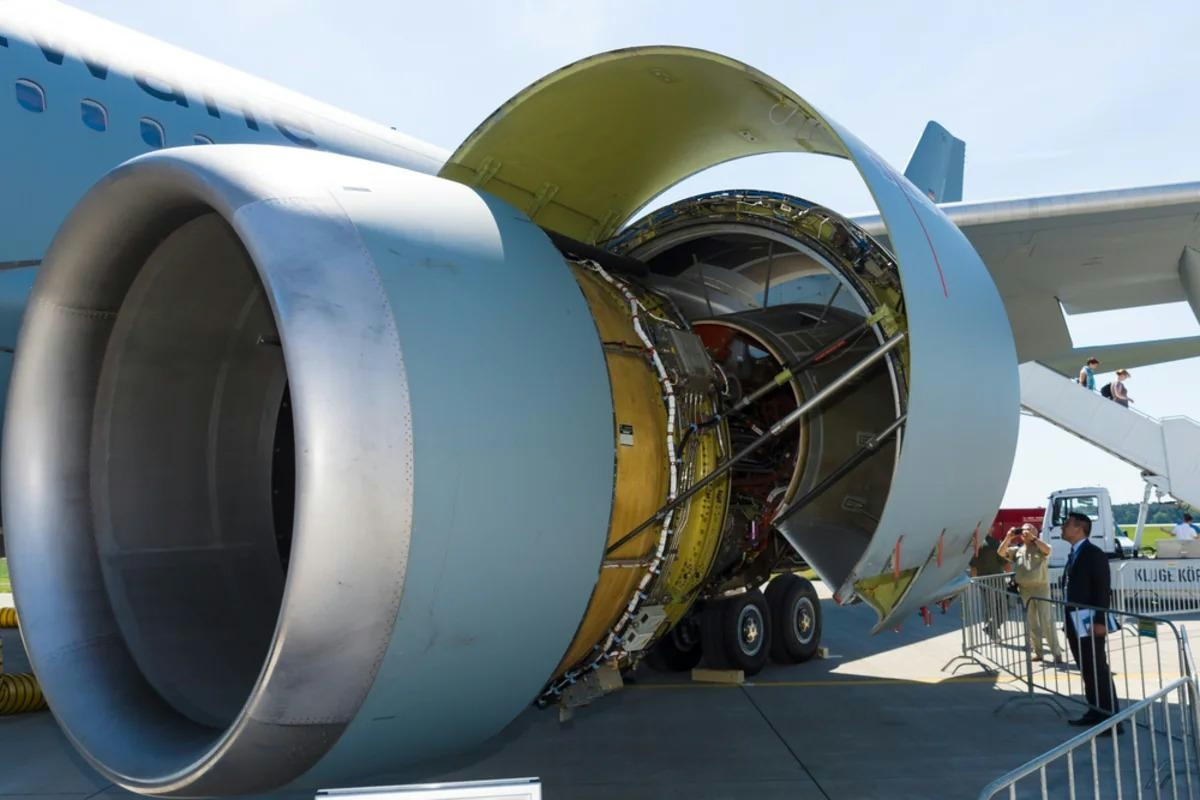
GE Aerospace's Robust Capital Position Fuels Higher Shareholder Returns
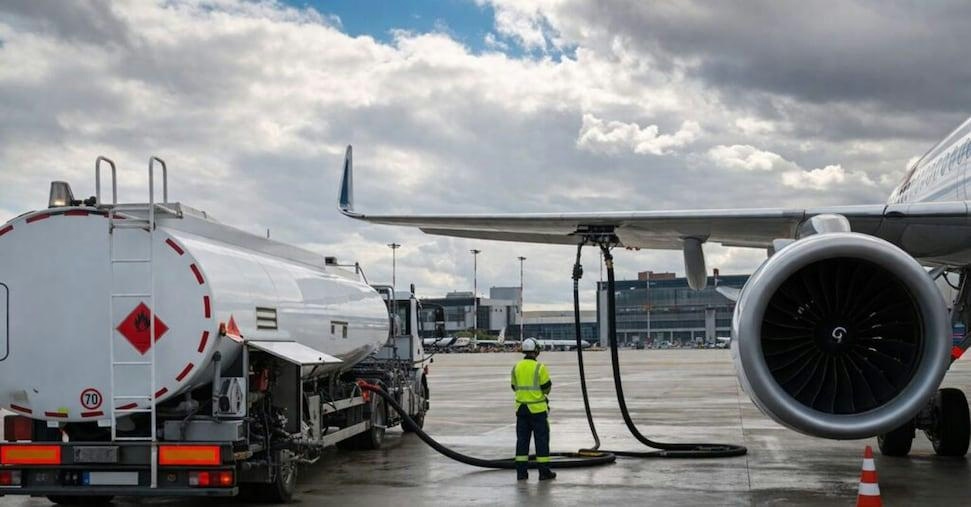
AI Advances Support Sustainable Aviation and Efficient Flight Paths

Airbus Faces Freighter Deadline Amid Weak Order Growth and Stagnant Shares

Integrated CNS System for Low-Altitude Aircraft

Chinese Robots Debut in Aviation and Military Roles at WRC 2026
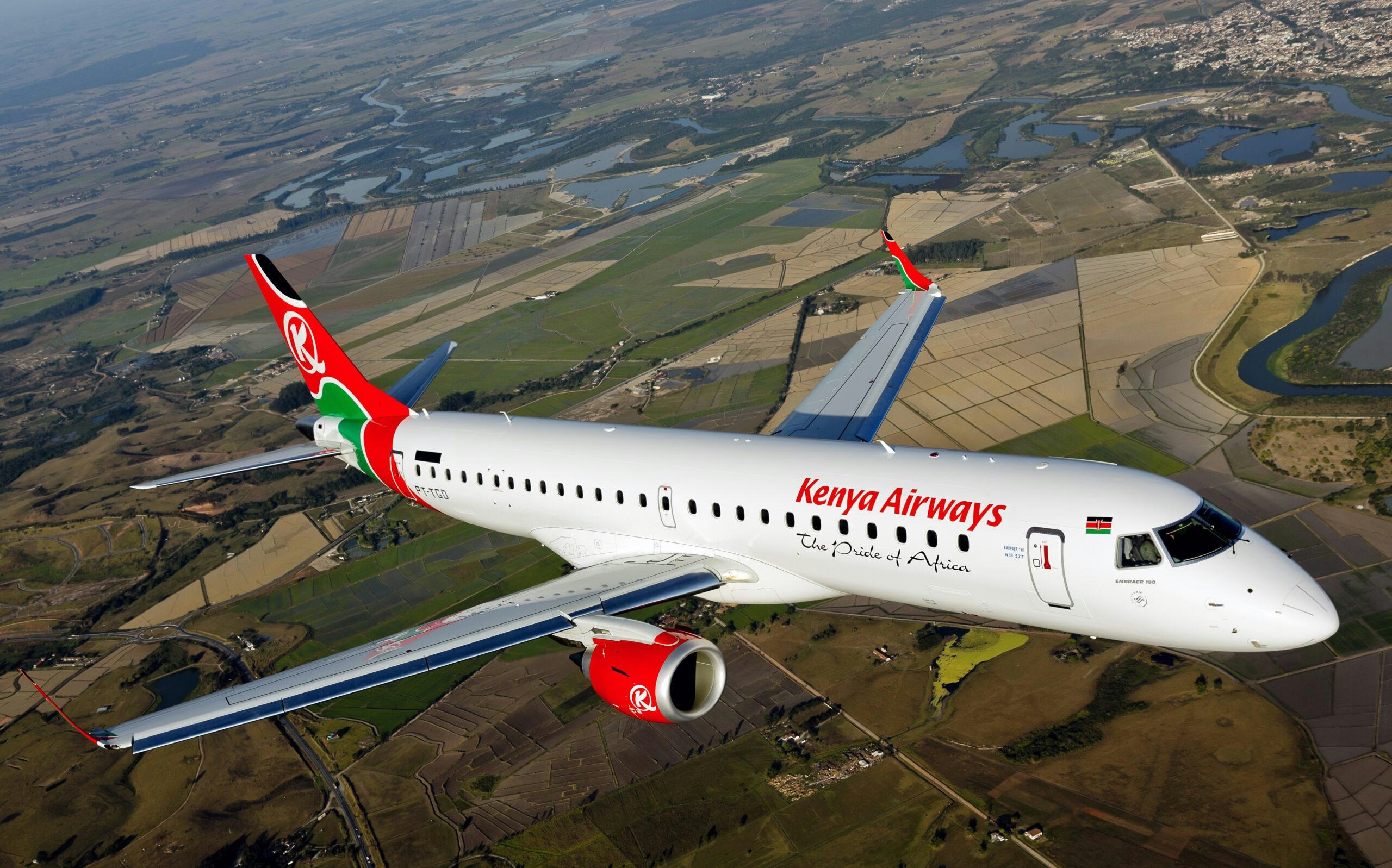
Kenya Airways Aims to Resume Operations of Grounded Fleet by Early 2027

Avora Aviation Completes A320 Sale-Leaseback Agreement with FTAI
StandardAero Expands Bombardier Global MRO Services at Van Nuys Facility
