
حوّل رؤى الذكاء الاصطناعي إلى أفعال منسّقة

الرائج الآن
Categories
Western Australia Supports Freight Efficiency Amid Rising Fuel Costs

Western Australia Supports Freight Efficiency Amid Rising Fuel Costs
Government Initiatives to Address Transport and Aviation Challenges
The Western Australian Government has introduced a comprehensive set of measures aimed at strengthening the State’s transport and aviation sectors in response to escalating fuel prices and persistent global supply chain disruptions. Developed in collaboration with industry leaders through the Industry Support Working Group, these initiatives seek to reduce operational expenses and enhance the resilience of supply chains throughout Western Australia.
A key element of the package is the ongoing support for the Regional Airfare Zone Cap (RAZC) scheme. This program offsets rising jet fuel costs to keep regional airfares stable, thereby protecting passengers from fare increases. The Government will also provide additional assistance to airlines operating critical intra-regional routes in northern and remote areas, ensuring the continuity of essential air services for isolated communities.
Enhancing Freight Efficiency on Key Transport Corridors
On the freight front, the Government has launched a three-month trial permitting 53.5-metre triple-trailer road trains to travel further south along the Great Northern Highway, between Wubin and Muchea. This initiative is designed to improve freight efficiency by enabling larger loads to reach Perth without the need for reconfiguration. The expected benefits include a reduction in truck movements, increased productivity, and lower fuel consumption along vital corridors connecting Perth with the Wheatbelt, Pilbara, and Kimberley regions. This trial builds upon earlier reforms that allowed certain road trains to carry additional fuel and fertiliser, further supporting supply chains in priority areas.
Navigating a Complex and Volatile Global Environment
Western Australia’s efforts to enhance freight efficiency occur against a backdrop of global volatility. Industry experts highlight the unpredictability of diesel prices, underscoring the importance of strategic investments in fuel-saving technologies to protect operator margins. Regulatory compliance and rising labor costs add further challenges for fleet operators, complicating operational management.
Market dynamics are also evolving, with major logistics companies such as Amazon, UPS, FedEx, and the US Postal Service considering fuel surcharges that could increase the cost of goods, particularly those with narrow profit margins. In response, competitors are increasingly adopting data-driven efficiency measures and investing in technologies like idle-reduction systems and alternative-fuel vehicles to maintain competitiveness. Additionally, geopolitical tensions continue to influence global energy and freight costs, further complicating the operational landscape for Western Australian freight operators.
Premier Roger Cook reaffirmed the Government’s commitment to alleviating cost pressures while safeguarding essential supply chains. “We will continue to work with the transport industry to support their operations and help maintain WA’s supply chain resilience,” he stated.
Transport Minister Rita Saffioti emphasized the Government’s focus on ongoing collaboration with industry to identify further efficiencies. “We’ve listened to freight industry leaders and acted quickly to roll out practical changes that improve productivity and fuel efficiency across our State’s supply chain,” she said.
Looking forward, the Government remains engaged in discussions with industry stakeholders on long-term strategies, including the adoption of electric trucks and additional operational improvements, as Western Australia adapts to the challenges of a rapidly changing global freight environment.
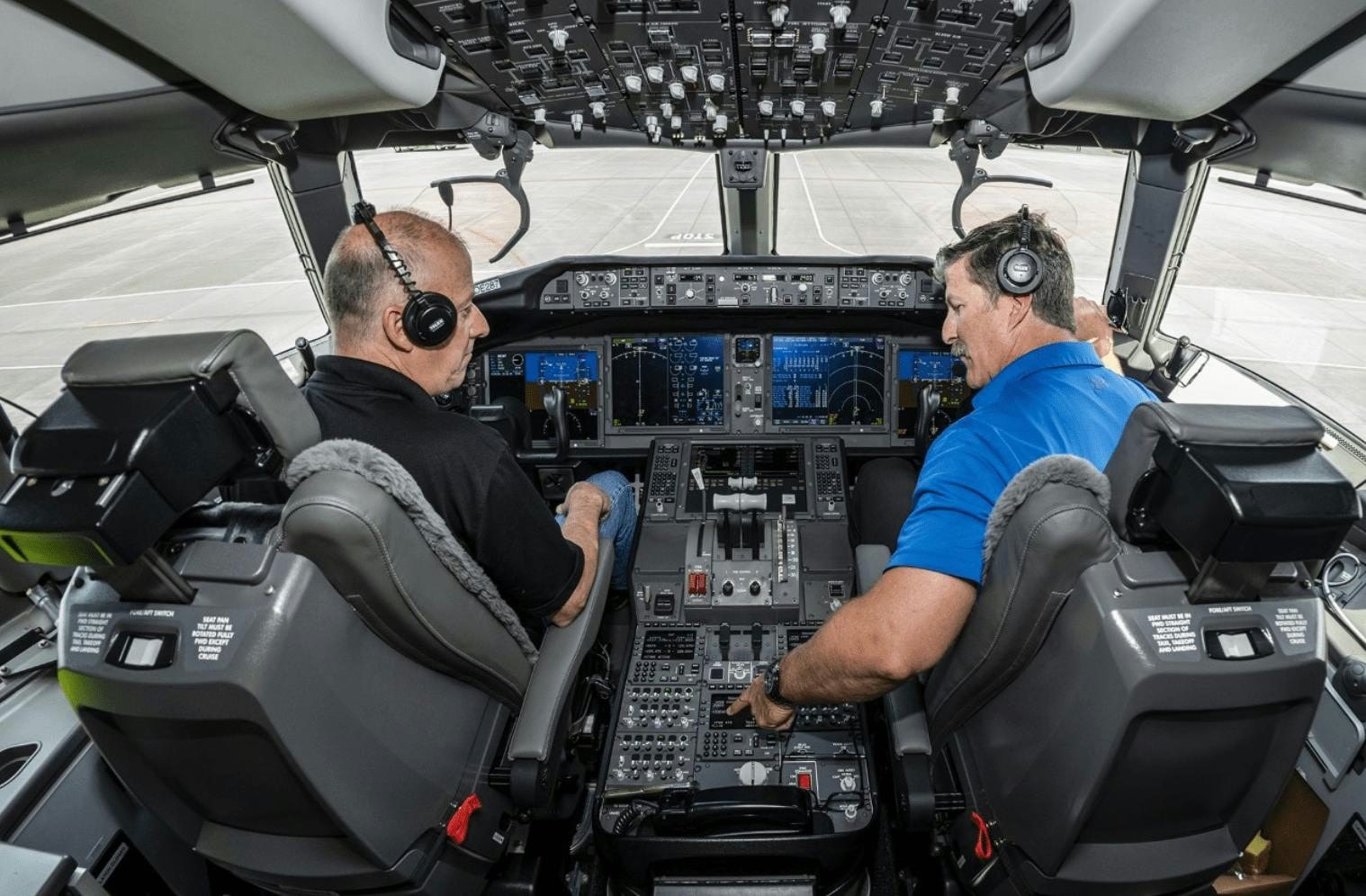
Why Widebody Pilots Lose Speed Authority Over Oceanic Airspace
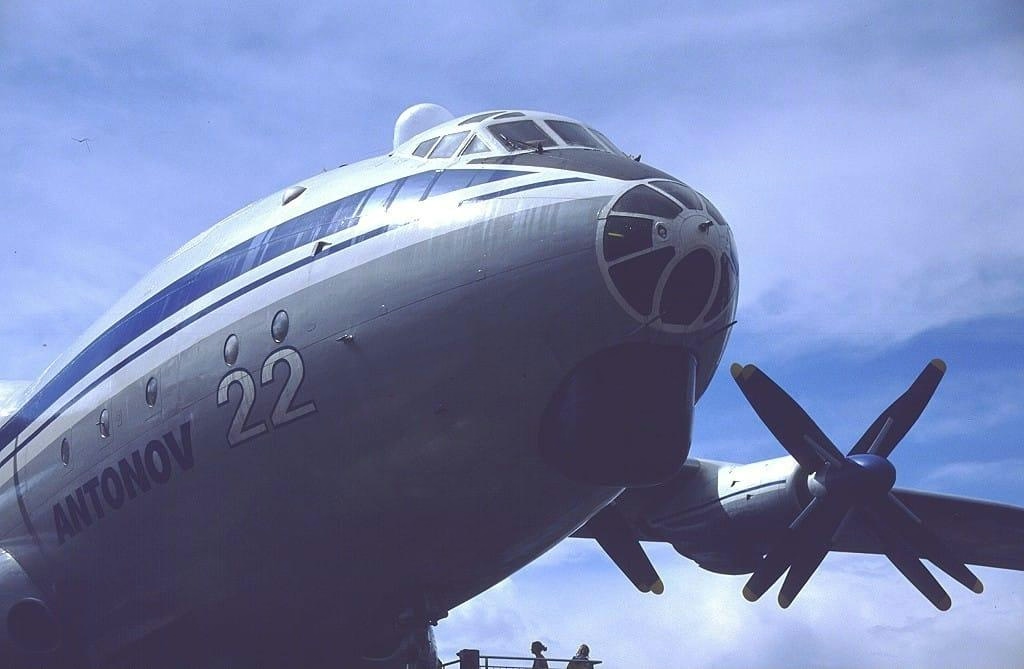
Antonov An-22: The Largest Turboprop Ever Built

Centre Approves Aviation University Expansion, Directs UP Government to Provide Land
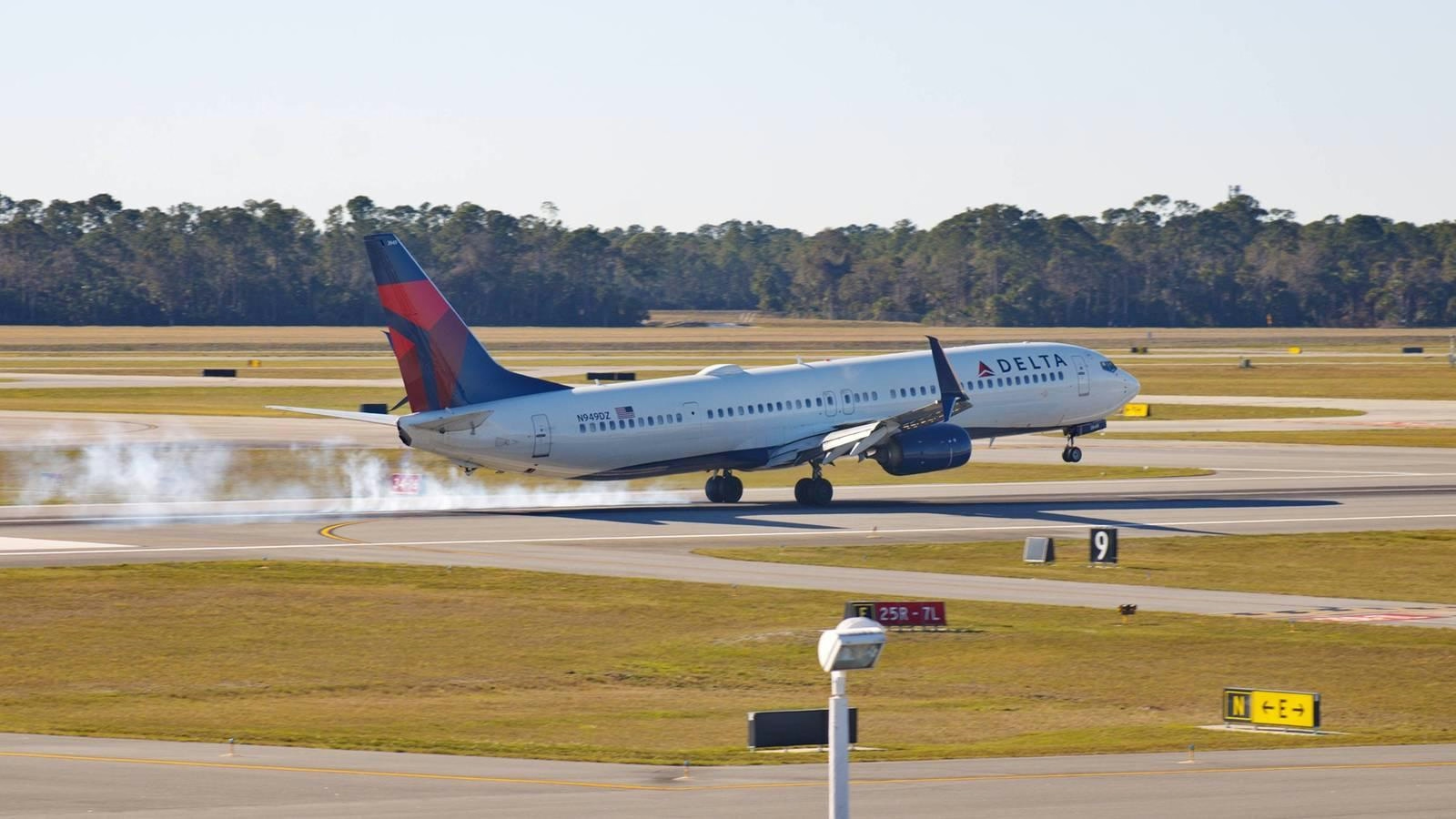
Delta 737-900ER Returns to Atlanta After Engine Issue
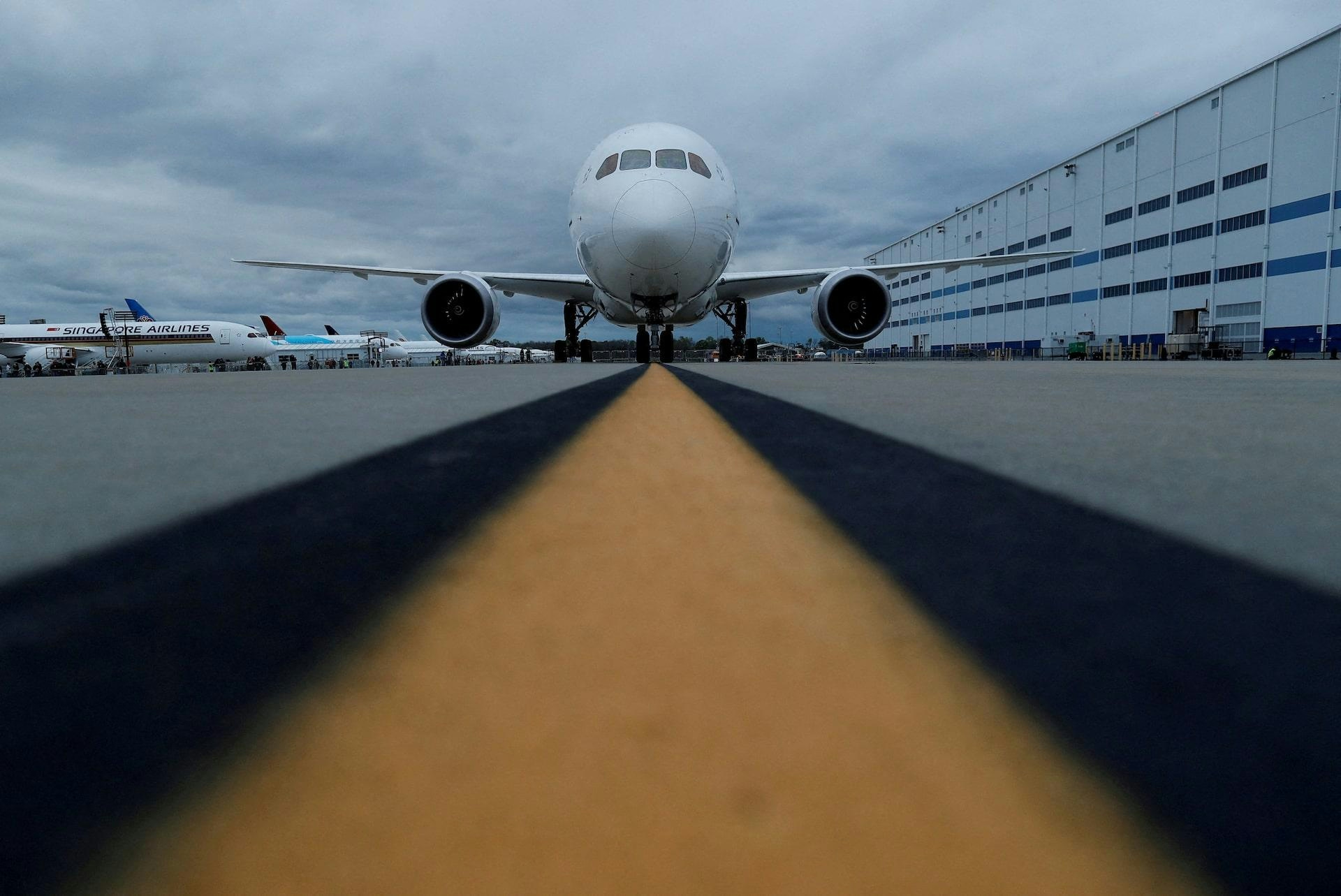
Demand for Widebody Aircraft Increases

The Dawn of Aviation Over Madras

Delta Air Lines CEO Says AI Could Boost Profits by 50%

Aircraft Engine Company Leases Miami-Dade Headquarters Amid Industrial Growth

Adobe Warns AI-Driven Trip Planning Challenges Travel Sites

The Global Parts Shortage
