Image

AeroGenie — Your Intelligent Copilot.

Ask anything. Analyze everything. Act instantly.

Trending

Categories

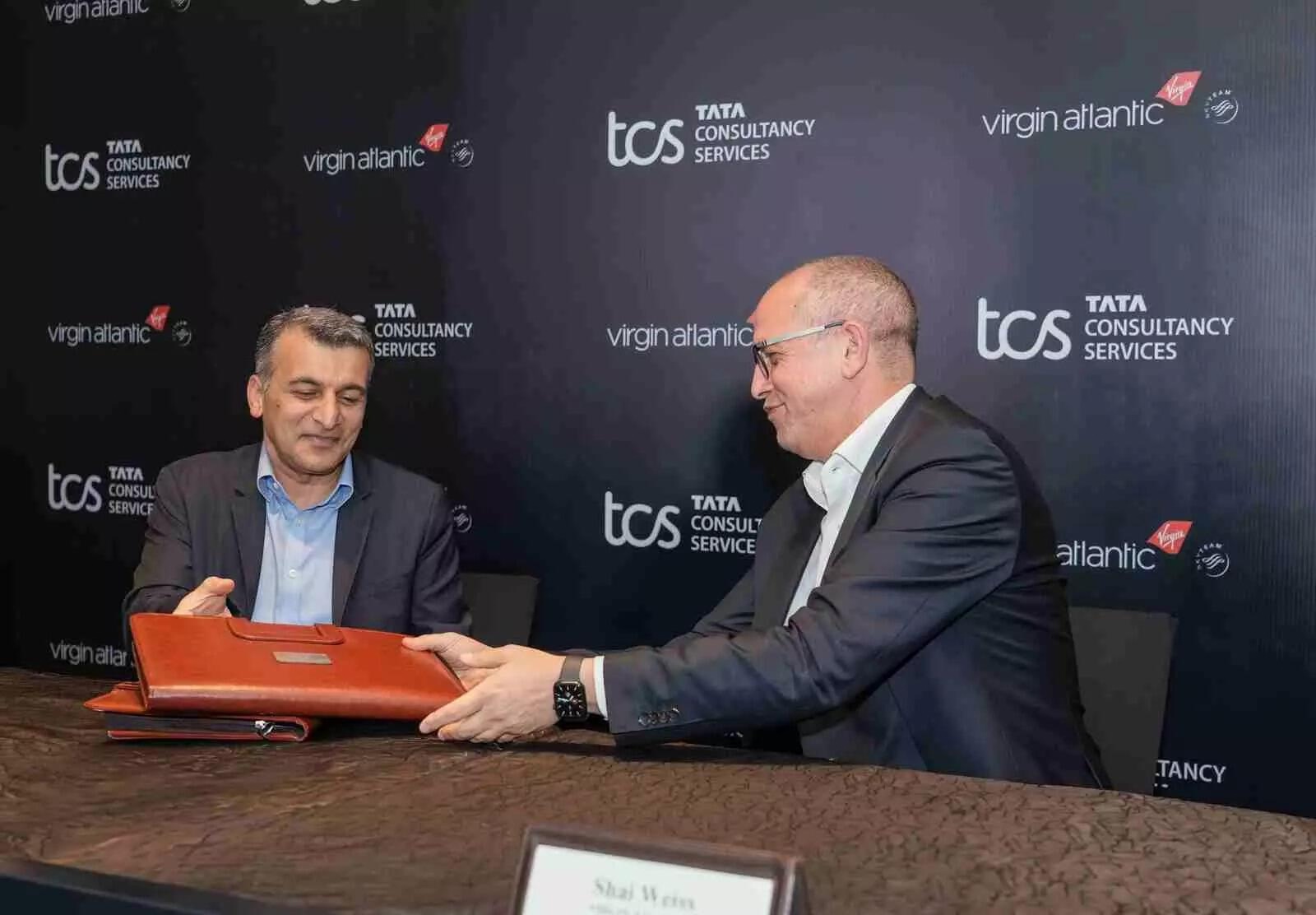
Virgin Atlantic Partners with TCS to Enhance AI Innovation and Passenger Personalization
June 9, 2025By ePlane AI
Virgin Atlantic Partners with TCS to Enhance AI Innovation and Passenger Personalization
0
0
Virgin Atlantic
Tata Consultancy Services
AI Innovation

Virgin Atlantic Partners with TCS to Enhance AI Innovation and Passenger Personalization

Virgin Atlantic has entered into a landmark seven-year strategic partnership with Tata Consultancy Services (TCS) aimed at transforming its digital infrastructure and elevating the premium air travel experience. Announced in June 2025, this alliance represents a significant investment in artificial intelligence (AI) and cloud computing, positioning the airline at the forefront of technological innovation and customer-centric service in the aviation sector.

Transforming the Digital Backbone

At the heart of this collaboration is a comprehensive modernization of Virgin Atlantic’s aging digital systems. TCS will spearhead the deployment of AI-driven, cloud-first technologies designed to enhance resilience, agility, and scalability across the airline’s global operations. A pivotal element of the partnership is the establishment of a joint Technology Command Centre, which will facilitate real-time monitoring of operational systems. This centralized hub is expected to enable faster, data-driven decision-making, improving everything from flight logistics to customer service responsiveness.

Despite the promising outlook, integrating advanced AI technologies with existing legacy systems presents considerable challenges. Ensuring a seamless transition while safeguarding data privacy and maintaining robust cybersecurity protocols will be essential as Virgin Atlantic undertakes this ambitious digital transformation.

Elevating Passenger Personalization

A defining feature of the new digital ecosystem is its emphasis on hyper-personalization. By leveraging AI to analyze millions of customer interactions, Virgin Atlantic aims to anticipate individual traveler preferences—ranging from seat selection to beverage choices—before they are explicitly requested. These personalized experiences will be integrated throughout the passenger journey, from booking to post-flight engagement, fostering deeper emotional connections and enhancing customer loyalty.

Smarter, More Sustainable Operations

Beyond passenger experience, the AI-powered transformation is expected to yield substantial operational benefits. Predictive analytics will enable the early identification of potential issues such as equipment failures or delays, thereby minimizing disruptions and improving fuel efficiency. Enhanced turnaround times and streamlined workflows will empower ground and flight crews to operate more effectively, supporting punctual and sustainable flights without compromising safety or service quality.

Industry Impact and Competitive Landscape

Virgin Atlantic’s strategic move is poised to influence the broader aviation industry by setting new benchmarks for passenger expectations and operational standards. The partnership may bolster investor confidence in the airline’s growth trajectory, while prompting competitors to accelerate their own digital transformation initiatives or seek similar alliances with technology providers.

Sustaining a competitive advantage will require Virgin Atlantic to continuously innovate, overcome integration challenges, and uphold stringent data security standards. As the airline aspires to become the world’s most loved carrier, its ability to balance cutting-edge technology with a human-centric approach will be closely observed by travelers and industry peers alike.

By embracing AI and cloud technologies, Virgin Atlantic is not merely upgrading its systems but reimagining the future of air travel, promising a smarter, more personalized, and seamless journey for passengers worldwide.
More news
Air Côte d’Ivoire Obtains $62 Million Loan for MRO Center

Air Côte d’Ivoire Obtains $62 Million Loan for MRO Center

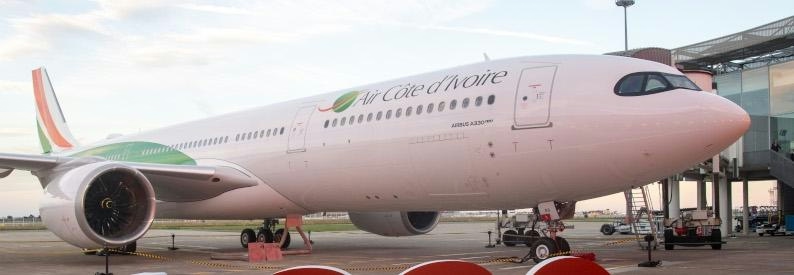
Air Côte d’Ivoire Secures $62 Million Loan to Develop Regional MRO Center Air Côte d’Ivoire has obtained a loan of XOF35 billion CFA francs (approximately USD 62 million) from the West African Development Bank (Banque Ouest Africaine de Développement – BOAD) to establish a regional maintenance, repair, and overhaul (MRO) center in Abidjan. Announced by BOAD on March 27, the facility is intended to service both Air Côte d’Ivoire’s fleet and those of third-party operators across West and Central Africa. The initiative aims to alleviate operational constraints and reduce maintenance costs within the region’s aviation sector. Addressing Industry Challenges Amid Global Disruptions The launch of this MRO center comes at a critical juncture for the aviation industry, which continues to face significant challenges due to global supply chain disruptions. These disruptions have affected the availability and pricing of spare parts and materials, potentially complicating the timely completion and efficient operation of the new facility. Furthermore, broader economic uncertainties, including geopolitical tensions such as the ongoing conflict involving Iran, may influence regional demand for MRO services and alter market dynamics. In response to these pressures, regional competitors are increasingly focused on enhancing their own MRO capabilities. Insights from the recent African MRO Summit indicate that airlines are seeking to leverage local maintenance ecosystems to improve competitiveness and reduce reliance on international supply chains. Air Côte d’Ivoire’s successful acquisition of financing may encourage other African carriers to pursue similar funding avenues to sustain and strengthen their market positions. Expansion Plans and Fleet Modernization In parallel with the MRO project, Air Côte d’Ivoire has signed a Letter of Intent with the African Development Bank (AfDB) to secure financing for aircraft acquisition, pilot and technician training, and sustainable aviation initiatives. The airline has placed an order for four Embraer E175 jets, with options for an additional eight, scheduled for delivery beginning in the first half of 2027. This fleet renewal will coincide with the gradual retirement of its four DHC-8-Q400 turboprops. Currently, Air Côte d’Ivoire’s fleet comprises five Airbus A319-100s, two A320-200s, one inactive A320-200N, and two recently added A330-900N aircraft. As the airline advances its expansion and modernization efforts, the success of the new MRO center will depend on securing continued financial support and effectively navigating the evolving challenges and competitive landscape of the regional aviation industry.
Ed Bastian Credits Employee Focus for Delta’s Recovery and Resists AI Disruption
Ed Bastian Credits Employee Focus for Delta’s Recovery and Resists AI Disruption

Ed Bastian Credits Employee Focus for Delta’s Recovery and Resists AI Disruption Delta Air Lines has solidified its position as a leading force in the global aviation industry, commanding the highest market capitalization among airlines worldwide, a dominant share of the U.S. domestic market, and top rankings in premium customer satisfaction. This remarkable turnaround, achieved just two decades after the company’s bankruptcy, is credited by CEO Ed Bastian to a steadfast commitment to employees and premium service offerings. A People-First Strategy Driving Transformation As the longest-serving active CEO among major U.S. carriers, Ed Bastian has overseen Delta’s expansive growth, particularly in the premium travel segment. The airline’s strategic investments in branding, customer experience, and a highly profitable partnership with American Express—which now generates over $8 billion annually and accounts for approximately 10% of Delta’s total revenue—have been instrumental in this ascent. Central to Delta’s success is its culture of profit-sharing, which has distributed billions to employees and contributed to the airline’s consistent recognition on the Fortune 100 Best Companies to Work For and World’s Most Admired Companies lists. Bastian’s leadership philosophy is deeply rooted in his early career experiences at PwC and PepsiCo, where he learned the importance of attention to detail and the value of nurturing talent. Growing up in a large family of eight siblings further shaped his organizational and leadership skills. His return to Delta at half his previous salary to lead the company’s bankruptcy restructuring marked a turning point. He implemented a people-first, culture-driven “turnaround playbook” that repositioned Delta from a commodity carrier to a loyalty-focused, premium brand. Bastian emphasizes that sharing profits with employees creates a virtuous cycle, enhancing service quality, brand loyalty, and shareholder returns. Navigating Crises and Industry Challenges The employee-centric approach was particularly evident during the COVID-19 pandemic. Rather than resorting to furloughs, Delta asked employees to voluntarily take unpaid leave while maintaining their jobs, benefits, and travel privileges. This strategy preserved trust and morale during a period of unprecedented disruption. Bastian underscores that culture, more than strategy, is the most challenging and vital competitive advantage to cultivate. He credits consistent, transparent communication throughout the crisis with sustaining employee confidence. Financially, Delta’s results validate this approach. The airline now generates nearly $5 billion in free cash flow and captures close to 25% of the industry’s total profit pool. Nonetheless, the company faces ongoing challenges, including rising labor costs, potential regulatory impacts on credit card partnerships, fluctuating jet fuel prices, and staffing shortages at the Transportation Security Administration. While competitors’ responses remain uncertain, Delta’s unwavering focus on premium services and employee engagement continues to distinguish it in a fiercely competitive market. A Cautious Embrace of Technology On the technological front, Bastian adopts a measured stance. He advocates for “augmented intelligence” rather than full artificial intelligence, emphasizing that in an industry grounded in human experience, technology should serve to enhance—not replace—personal service. He firmly rejects the idea of deploying AI in the cockpit, though he acknowledges its utility in operational areas such as air traffic control. “People still want to do business with people,” Bastian asserts, highlighting the enduring importance of human connection to Delta’s success. Bastian’s accessible leadership style, characterized by a public email address and a hands-on approach to customer feedback, ensures he remains closely connected to both employees and travelers. As Delta confronts ongoing industry headwinds, this people-first strategy remains the foundation of its recovery and continued leadership.
Outlook for Next-Generation Aircraft Propulsion Systems
Outlook for Next-Generation Aircraft Propulsion Systems

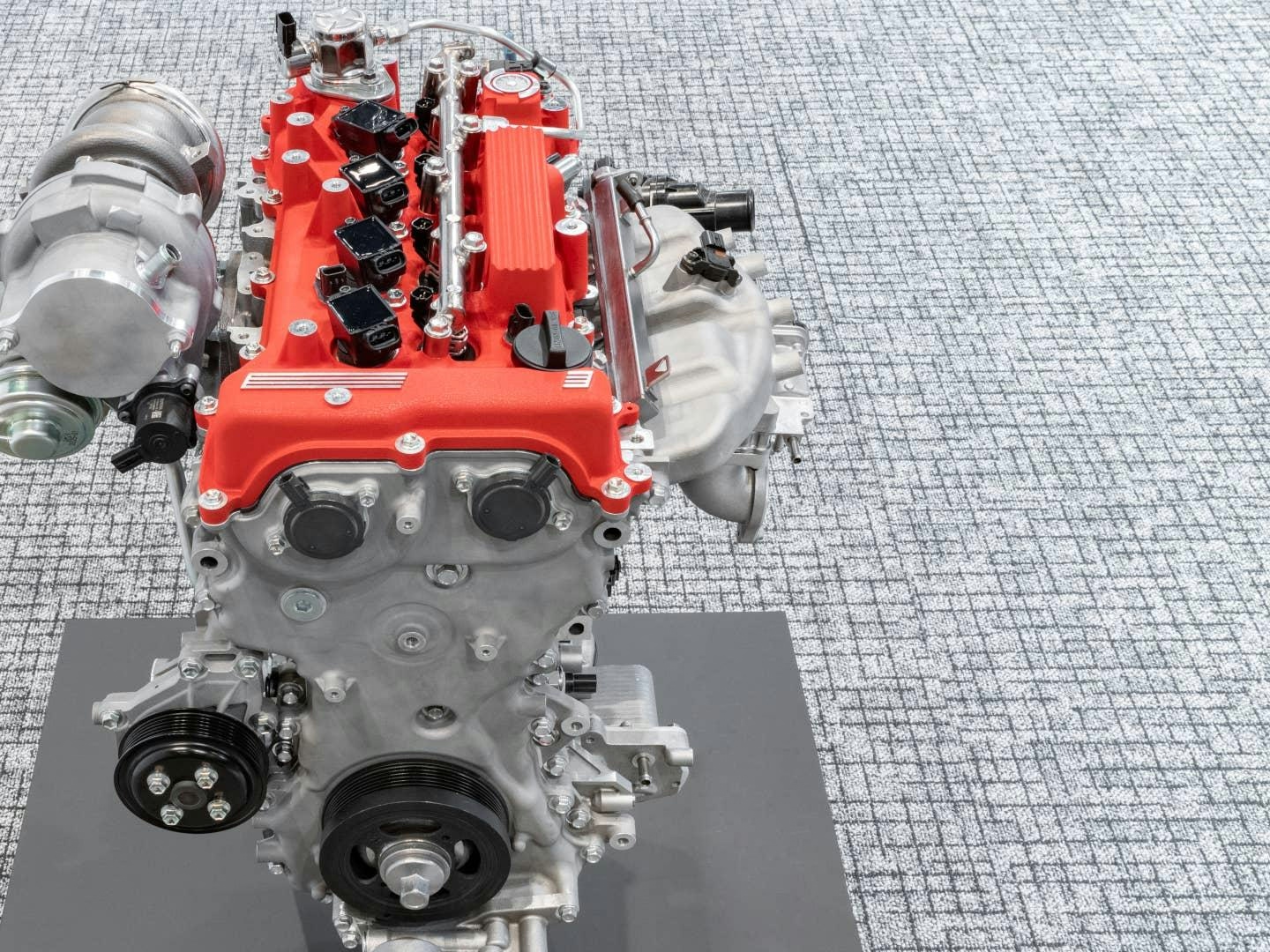
Outlook for Next-Generation Aircraft Propulsion Systems The global market for next-generation aircraft propulsion systems is on the cusp of substantial growth, with revenues expected to increase from USD 5.48 billion in 2025 to approximately USD 23.37 billion by 2035. This expansion corresponds to a robust compound annual growth rate (CAGR) of 15.61%, driven primarily by the aviation industry's commitment to developing cleaner, smarter, and more efficient propulsion technologies. Market Overview Next-generation propulsion technologies encompass a diverse range of innovations, including hybrid-electric and fully electric systems, hydrogen fuel propulsion, and advanced turbine designs. These advancements are supported by critical components such as energy storage solutions and power electronics. The market extends across commercial and military aircraft sectors, as well as emerging fields like advanced air mobility (AAM) and electric vertical takeoff and landing (eVTOL) vehicles. This broad scope reflects a clear industry shift toward sustainable and high-performance aviation. The sector is evolving beyond traditional engine technologies, integrating electric powertrains, hydrogen fuel systems, and cutting-edge turbine advancements into both new aircraft models and retrofitted existing fleets. This comprehensive approach is evident across commercial airlines, defense applications, and the rapidly developing eVTOL industry, with efficiency and sustainability serving as central pillars of development strategies. Key Growth Drivers Major airlines are accelerating the adoption of next-generation propulsion systems. For example, American Airlines has committed to purchasing 100 hydrogen-electric engines from ZeroAvia for regional aircraft, aiming to achieve near-zero in-flight emissions. These engines are anticipated to enter service by the late 2020s, marking a significant transition from pilot projects to commercial viability. Technological advancements are also shaping the future of aircraft propulsion. Manufacturers are designing fleets with advanced propulsion systems to enhance efficiency and reduce environmental impact. Airbus is developing single-aisle models that promise 20 to 30 percent improved fuel efficiency, hydrogen-compatible designs, and aerodynamic enhancements, targeting deployment by the late 2030s. Although widespread hydrogen adoption faces infrastructure challenges, demand for cleaner alternatives and hybrid technologies remains strong. The propulsion market is experiencing renewed competition. Rolls-Royce is preparing to re-enter the narrow-body engine segment with its UltraFan 30, challenging the longstanding duopoly of CFM and Pratt & Whitney. Meanwhile, ITP Aero anticipates continued growth driven by commercial aerospace demand and new commitments to programs such as the EJ200 engine. In addition, the advanced air mobility sector is approaching commercial launch, with eVTOL vehicles poised to replace helicopters in select roles. The drone market is also witnessing rapid innovation, with companies like HOBBYWING developing integrated propulsion solutions for multirotor and VTOL drones, thereby expanding the application of next-generation propulsion technologies. Market Segmentation and Outlook In 2025, conventional turbofan and turboprop engines maintained a dominant 58 percent market share, owing to their reliability and established maintenance practices. However, the market is rapidly diversifying as electrification and hydrogen propulsion gain traction, particularly for shorter routes and specialized applications. The outlook for next-generation aircraft propulsion is multifaceted. Incremental efficiency improvements in established engines, growing electrification for regional and urban mobility, and the long-term potential of hydrogen propulsion collectively contribute to a dynamic and evolving market. As technological, regulatory, and infrastructure challenges are addressed, this sector is poised to play a pivotal role in shaping the future of sustainable aviation.
Efficiency Gains in New Engine Models Compared to Older Generations
Efficiency Gains in New Engine Models Compared to Older Generations

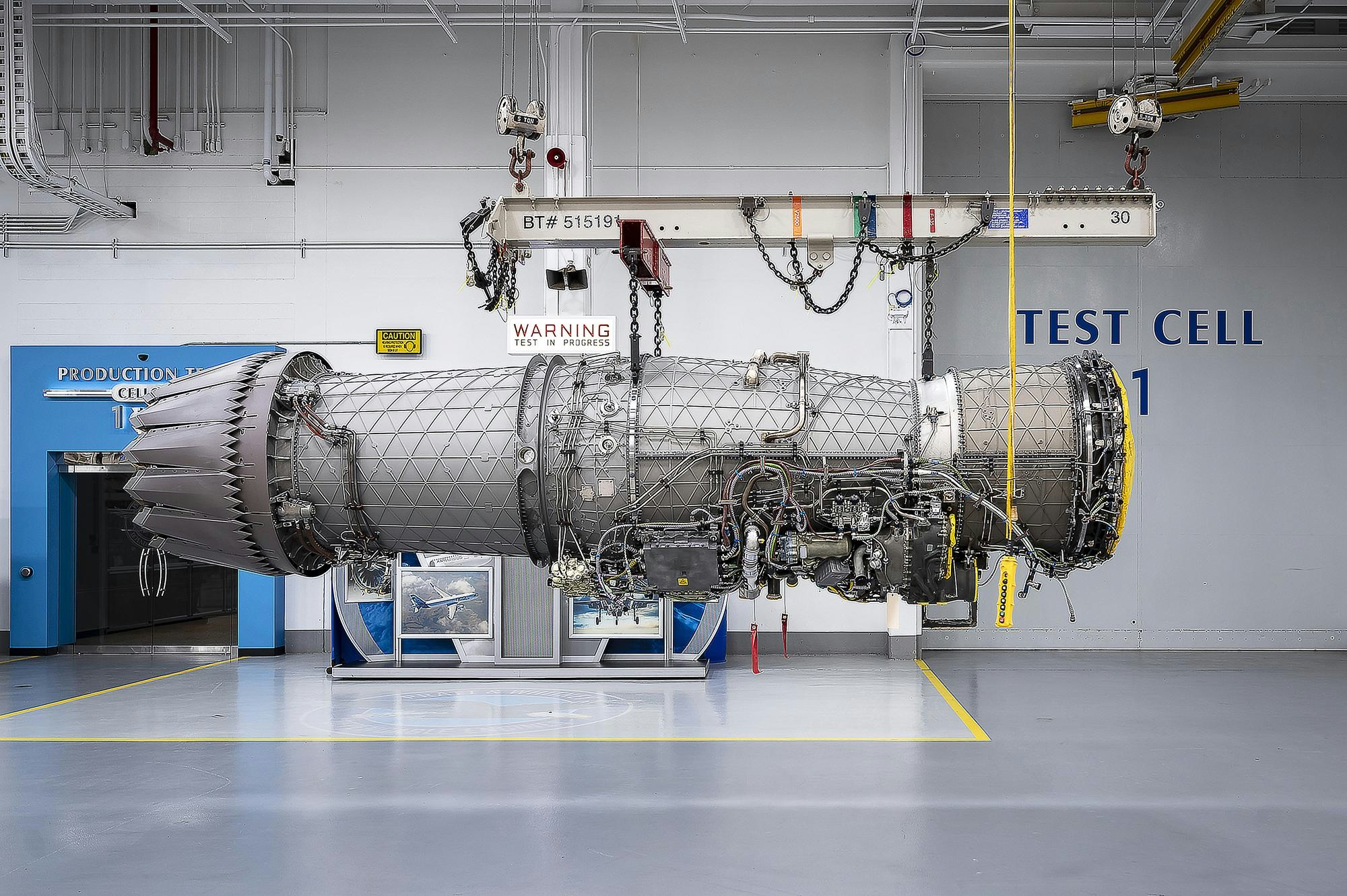
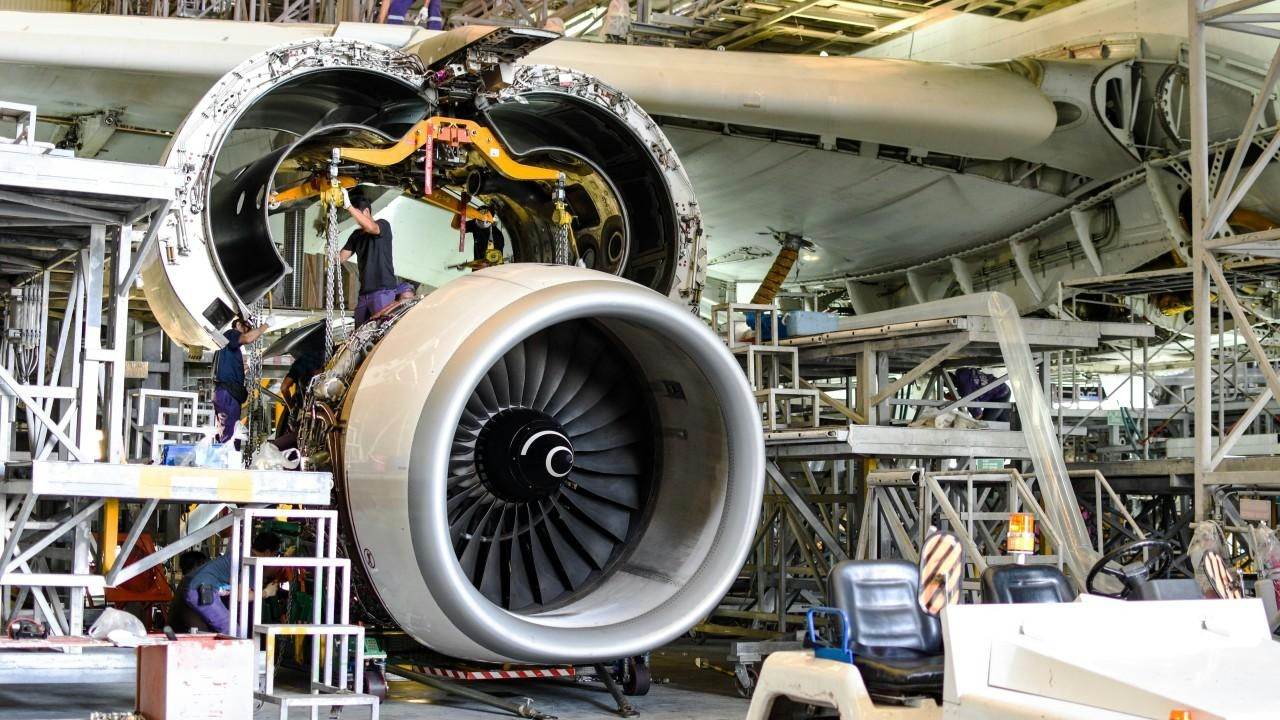
Efficiency Gains in New Engine Models Compared to Older Generations The engine remains the foremost determinant of aircraft fuel efficiency, despite notable advances in aerodynamics and materials. While improvements in airframe design have contributed to reduced fuel consumption, it is the propulsion system that primarily dictates how much fuel an aircraft consumes. Interestingly, older aircraft retrofitted with modern engines can often rival or even surpass the efficiency of newly designed aircraft, underscoring the critical role of engine technology in aviation performance. Evolution of Jet Engine Technology In the early Jet Age, engine manufacturers focused predominantly on increasing power output, with fuel efficiency considered a secondary priority. As jet engines matured and achieved the necessary thrust levels, the industry’s emphasis shifted toward reducing operational costs, particularly fuel expenses, which constitute a significant portion of airline budgets. This shift has been further accelerated by the aviation sector’s commitment to carbon neutrality by 2050, where more efficient engines are essential to lowering emissions and complying with increasingly stringent environmental regulations. The progression of jet engine technology has seen a transition from turbojets to turboprops and ultimately to turbofans, which now dominate commercial aviation. Turbojets operate by compressing air, mixing it with fuel, and combusting the mixture before expelling exhaust gases to generate thrust. Turboprops, while similar in principle, use the turbine to drive a propeller, offering improved fuel economy at the expense of speed. Turbofan engines enhance efficiency by incorporating a large fan at the front, allowing a substantial volume of air to bypass the engine core. This bypass air requires less energy to move, resulting in increased thrust and improved fuel efficiency. A key advancement in turbofan design has been the increase in bypass ratios—the ratio of air that bypasses the core compared to the air passing through it. Modern engines feature significantly higher bypass ratios than their predecessors, enabling them to produce greater thrust with only marginal increases in fuel consumption, or in some cases, even less. Measuring Modern Efficiency and Emerging Challenges Fuel consumption varies with flight conditions and aircraft configurations, yet clear efficiency trends are evident. For instance, the Boeing 737 MAX, equipped with the CFM LEAP-1B engine, achieves a 15% reduction in specific fuel consumption compared to the earlier CFM56-7B engine, which itself improved fuel efficiency by 8% over previous models. Despite these gains, the integration of advanced technologies presents new challenges. High-performance cooling systems necessary for modern engine components increase production complexity and costs, paralleling trends observed in other high-tech industries such as semiconductor manufacturing. Market reception remains cautious, as airlines and consumers assess whether these efficiency improvements translate into meaningful reductions in operating expenses or enhanced performance. Competitors may respond by developing alternative engine architectures that offer more cost-effective or specialized solutions. Additionally, the adoption of new engine models faces regulatory and supply chain obstacles, particularly in competitive and geopolitically sensitive markets like China. Trade barriers and logistical disruptions can slow the deployment of advanced engines, affecting the overall pace of efficiency improvements across the global aviation industry. While modern jet engines deliver substantial efficiency improvements over older generations, fully capitalizing on these advancements requires navigating a complex interplay of technological innovation, economic considerations, and regulatory frameworks.
Double Taxation of Airline Leasing Poses Risk to National Civil Aviation
Double Taxation of Airline Leasing Poses Risk to National Civil Aviation

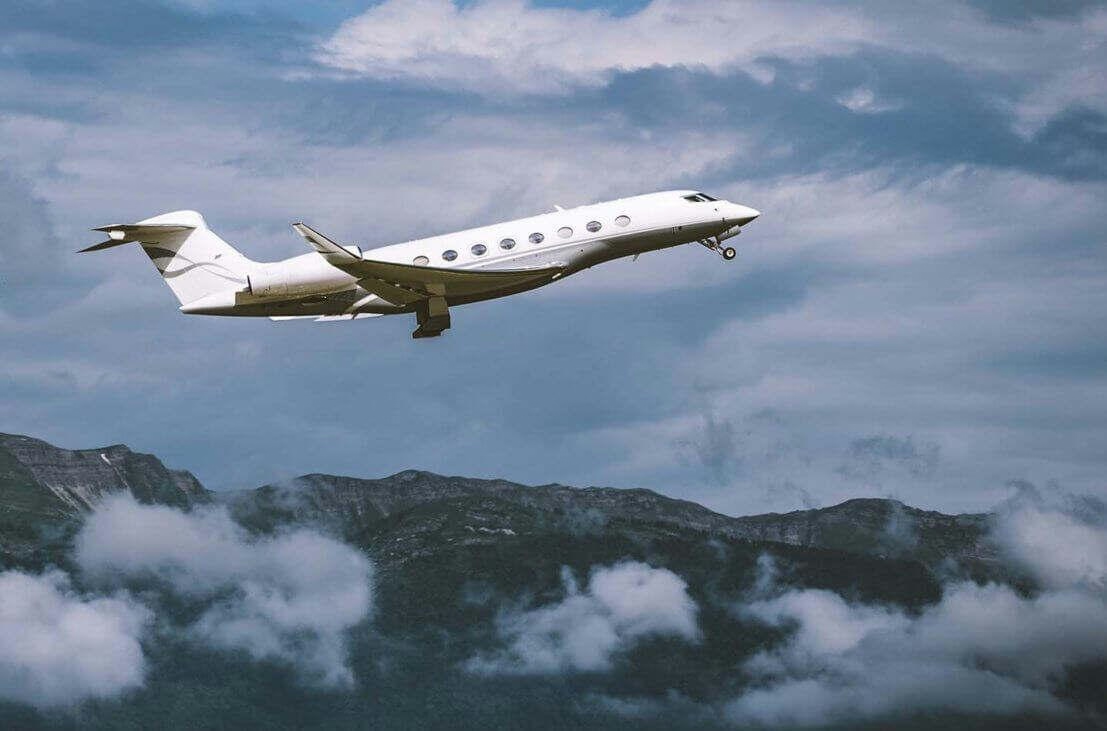
Double Taxation of Airline Leasing Poses Risk to National Civil Aviation Complexities of Double Taxation in International Business Ukrainian enterprises engaged in cross-border transactions face significant financial challenges due to the misapplication of international tax laws, particularly in sectors dependent on foreign loans, leasing, or property rentals. Despite the existence of international conventions aimed at preventing double taxation, many companies find themselves taxed twice on the same income. This issue arises from misunderstandings surrounding key tax concepts such as income classification, profit determination, and the source of income. International agreements on the avoidance of double taxation are designed to ensure that a company registered in one jurisdiction but earning income in another does not bear an excessive tax burden. In principle, these treaties prevent the same income from being taxed twice simply because it crosses national borders. However, as Igor Sukholit, audit and taxation partner at Consulting Group "Pareto" LLC, explains, the practical application of these conventions is often complicated. For instance, a Ukrainian IT firm providing software development services to a Japanese client must pay tax on its profits in Ukraine, while the Japanese client may be required to withhold a repatriation tax on the payment, remitting it to Japan’s budget. Such scenarios are common in international commerce and are reflected in the tax codes of many countries. Under Ukraine’s Tax Code, residents making income payments to non-residents sourced from Ukraine must withhold a 15% tax unless an international treaty provides otherwise. This withholding obligation applies broadly to all business entities, including individual entrepreneurs and companies operating under simplified tax regimes. However, income earned by non-residents through permanent establishments in Ukraine is exempt from this withholding tax. Implications for the Aviation Sector The problem of double taxation is particularly pronounced in the airline leasing industry. Ukrainian carriers leasing aircraft from foreign lessors risk being taxed twice on lease payments, which substantially increases their operational expenses. This added financial burden may compel airlines to raise ticket prices or accept diminished profit margins, thereby weakening their competitive position in both domestic and international markets. In response to these tax challenges, airlines are already adjusting their strategies. Some are shifting towards domestic lessors to avoid the pitfalls of double taxation, while others are renegotiating lease agreements to reduce tax liabilities. Airlines and lessors that can adeptly navigate these complex tax environments stand to gain a competitive advantage by optimizing their financial and operational frameworks. Industry data reveals growing concern among aviation stakeholders regarding the long-term consequences of double taxation. There is an emerging consensus that leasing models and tax strategies will require fundamental reassessment as the sector adapts to the evolving regulatory landscape. Calls for Greater Clarity and Reform Although international tax conventions exist to prevent double taxation, inconsistent application and the complexity of national tax legislation often leave businesses vulnerable. Experts stress the urgent need for clearer guidance and more effective enforcement of international agreements to shield Ukrainian companies—particularly those in critical sectors such as civil aviation—from undue financial strain. Absent meaningful reform, the double taxation of airline leasing threatens not only the financial viability of individual carriers but also the overall stability and competitiveness of Ukraine’s civil aviation industry.
Deutsche Aircraft Names Wolfgang Kuhl Vice President of Programs and Innovation
Deutsche Aircraft Names Wolfgang Kuhl Vice President of Programs and Innovation

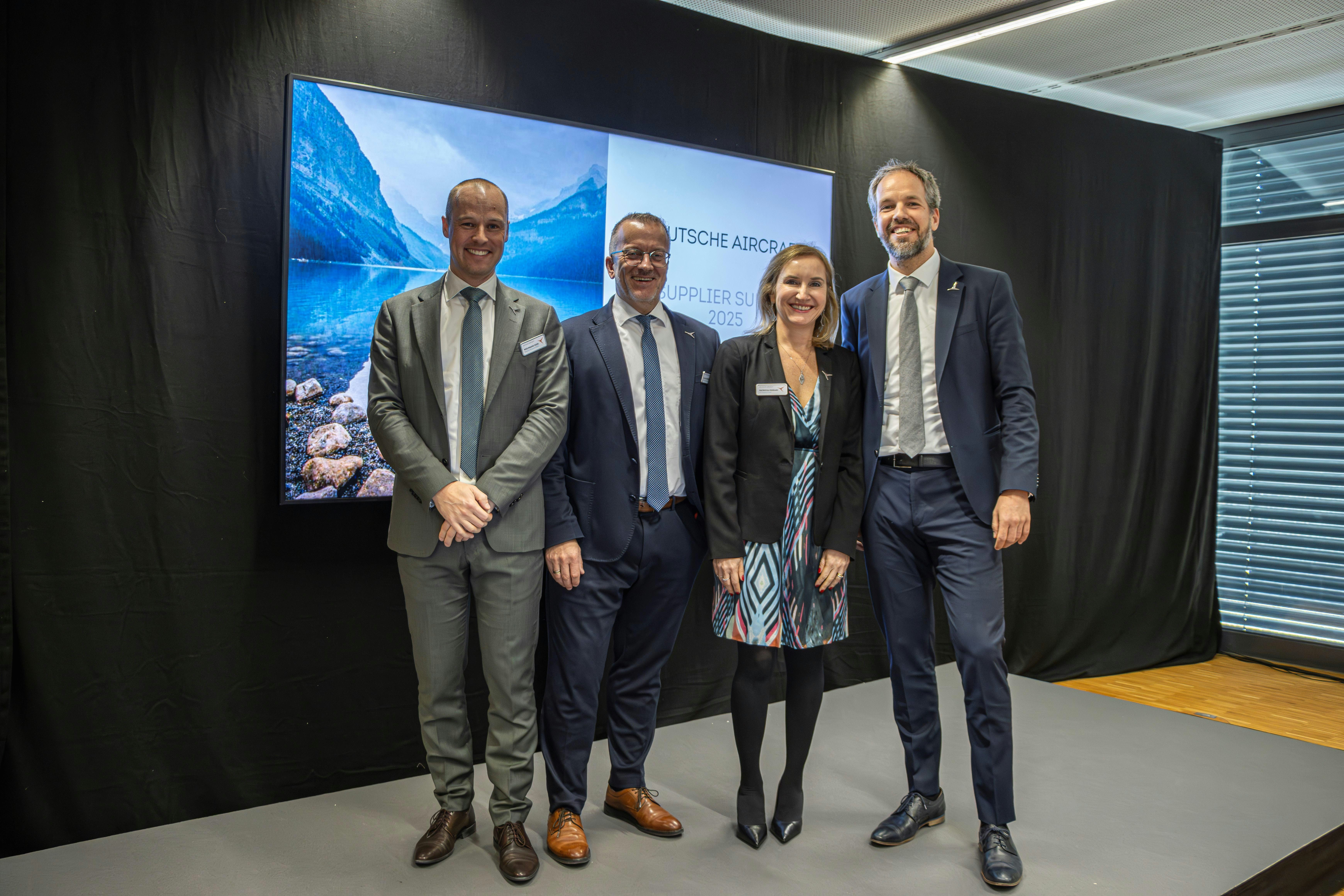
Deutsche Aircraft Appoints Wolfgang Kuhl as Vice President of Programs and Innovation Deutsche Aircraft has announced the appointment of Wolfgang Kuhl as Vice President of Programs and Innovation, marking a significant step as the company advances its D328eco® regional aircraft program. Kuhl, who has served as Director Program D328eco since 2023, brings a wealth of experience from within Deutsche Aircraft, having successfully guided the D328eco through critical design and industrialization phases. His leadership has been instrumental in the re-industrialization of the Dornier 328 platform, positioning the company for its next phase of growth. Expanded Responsibilities and Strategic Vision In his new role, Kuhl will oversee Deutsche Aircraft’s entire program portfolio and product roadmap, with a particular emphasis on maturing the D328eco platform, enhancing its multi-role capabilities, and expanding its applications within the defense sector. His prior experience includes senior roles at Airbus Defence and Space, where he contributed to major multinational UAV defense programs, equipping him with the expertise to manage complex aerospace projects. Kuhl expressed his commitment to driving innovative and resilient aviation solutions, highlighting the importance of strengthening the company’s defense applications amid a volatile global environment. Nico Neumann, CEO of Deutsche Aircraft, underscored Kuhl’s pivotal role in the company’s development. He noted that Kuhl’s expertise will be vital not only in advancing the D328eco but also in supporting the development of the D328MR for defense and multi-role use. Neumann emphasized the integration of advanced technologies, sustainability initiatives, and a robust product strategy as key elements of Kuhl’s expanded mandate. His inclusion in the Executive Leadership Team reflects Deutsche Aircraft’s confidence in his vision to foster growth in both civil and defense aviation sectors while accelerating the development of climate-friendly, next-generation regional aircraft. Competitive Market Landscape and Future Challenges Kuhl’s appointment comes at a time when Deutsche Aircraft faces intense competition in the regional and business jet markets. Established industry players such as Dassault Aviation have recently reported significant financial gains, including a 19% revenue increase and a record backlog for 2025. Similarly, competitors like Pilatus and Embraer have demonstrated strong performance, with Embraer marking a particularly successful year and Pilatus expanding aggressively in the U.S. market. These developments heighten the pressure on Deutsche Aircraft to innovate and maintain its competitive edge, especially as rivals prepare to launch new products and expand their market presence, exemplified by Dassault’s recent Falcon 10X reveal. Within this challenging environment, Kuhl will be responsible for integrating advanced technologies into future platforms, fostering cross-company innovation, and establishing strategic partnerships. Deutsche Aircraft remains committed to supporting the global Dornier 328 fleet while accelerating the development of sustainable, next-generation regional aircraft, aiming to solidify its position as a leading provider of versatile, multi-role aviation solutions.
How Fuel Shortages Could Affect Aircraft Leasing Companies

How Fuel Shortages Could Affect Aircraft Leasing Companies

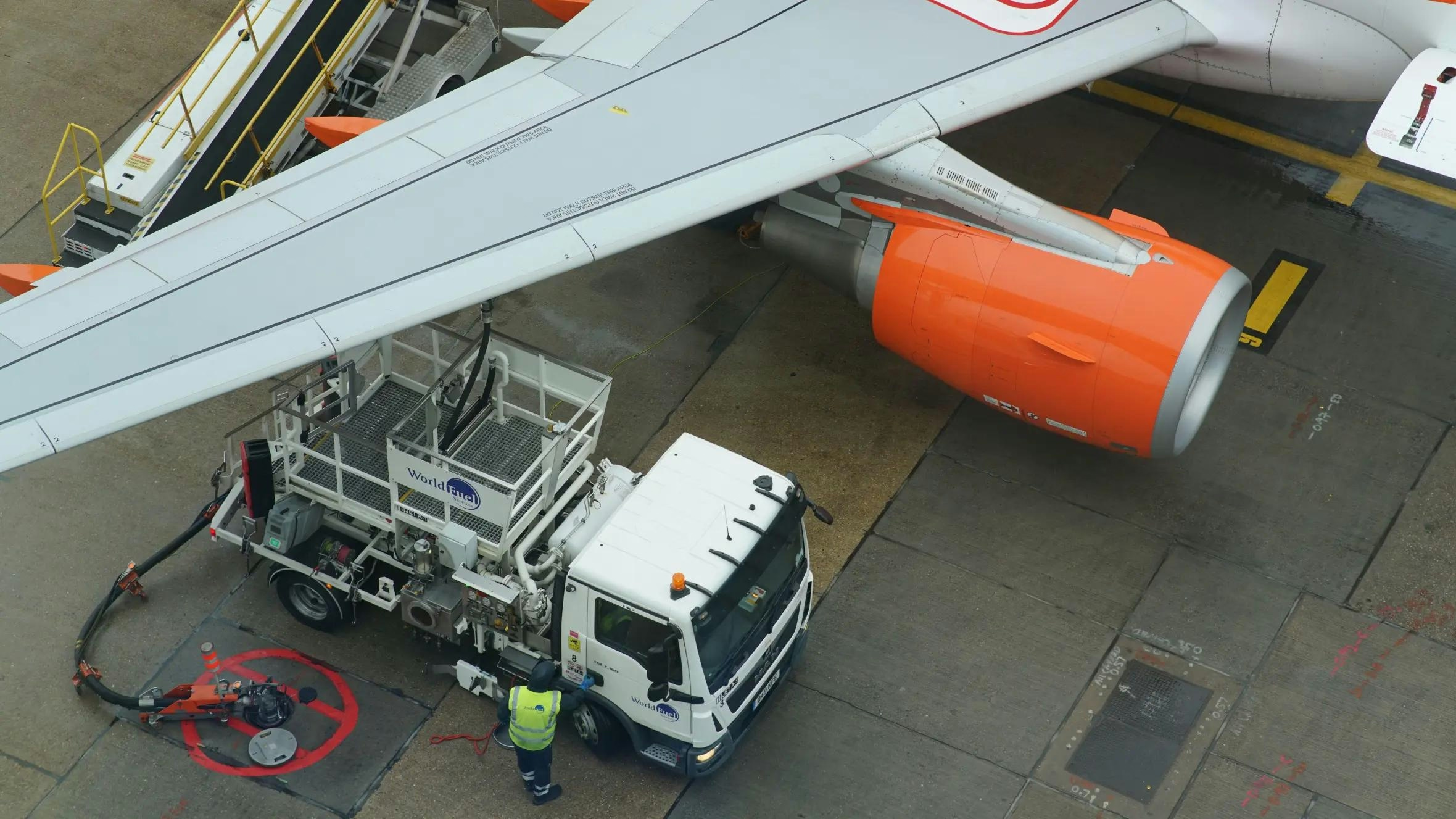
How Fuel Shortages Could Affect Aircraft Leasing Companies Ireland’s Central Role in Aircraft Leasing Ireland occupies a pivotal position in the global aircraft leasing market, with Irish-leased aircraft comprising approximately half of all leased planes worldwide. It is estimated that an Irish-leased aircraft takes off somewhere in the world every two seconds, underscoring the country’s dominance in this sector. However, emerging concerns over potential aviation fuel shortages are prompting industry stakeholders to consider the possible ramifications for this critical segment of the aviation industry. Potential Impact of Fuel Supply Disruptions Ryanair CEO Michael O’Leary recently cautioned that jet fuel supply disruptions could materialize as early as May if the ongoing conflict in the Middle East continues. While the immediate impact on aircraft leasing companies is expected to be limited, aviation analyst Gerry Byrne warns that prolonged fuel shortages and escalating prices could have more significant long-term consequences. Rising fuel costs, as recently experienced by airlines such as Alaska Air, could substantially increase operational expenses. These heightened costs may be transferred to leasing companies if airlines encounter difficulties in meeting their lease obligations. Fuel supply constraints have already caused operational disturbances in certain regions, including Slovenia and Australia, resulting in delays and cancellations. Such disruptions threaten to undermine the reliability and profitability of aircraft leasing firms. A sustained period of fuel scarcity could reduce demand for leased aircraft, compelling lessors to explore alternative fuel sources or renegotiate lease terms with airline customers. Resilience and Adaptability of the Leasing Sector Despite these challenges, the aircraft leasing industry has demonstrated considerable resilience in the face of major disruptions over recent years. During the COVID-19 pandemic, when global airline operations were severely curtailed, lessors reinforced their financial positions by offering essential liquidity through lease rescheduling and sale-and-leaseback arrangements. More recently, the sector navigated the complexities arising from the war in Ukraine, which led to the seizure of approximately 400 aircraft—many under Irish control—by the Russian government following sanctions. Byrne emphasizes that innovative financing strategies have been instrumental in helping lessors withstand such shocks. These include selling leases to international investors and pension funds, thereby securing cash flow well before lease terms conclude. While the immediate effects of fuel shortages on lessors may be contained, the industry remains vulnerable to the indirect consequences of rising fuel prices and supply chain disruptions. Should airlines face sustained financial strain, their capacity to fulfill lease payments could be jeopardized, ultimately impacting lessors’ revenues. The aircraft leasing sector’s proven adaptability and financial ingenuity will be critical as it confronts the evolving challenges posed by global uncertainties in fuel supply.
WINGIE Introduces AI Technology to Streamline Airline Refunds
WINGIE Introduces AI Technology to Streamline Airline Refunds

WINGIE Launches AI-Driven System to Transform Airline Refunds DUBAI, United Arab Emirates and RIYADH, Saudi Arabia – WINGIE, a leading travel marketplace in the Middle East and North Africa (MENA) region, has introduced an advanced artificial intelligence (AI) technology aimed at streamlining and automating the airline refund process. This innovative system enables travelers to initiate and manage refund requests entirely through digital channels, eliminating the need for traditional call center interactions and significantly reducing waiting times. Enhancing Efficiency and User Control Airline refunds have long been recognized as one of the most complex and time-consuming aspects of travel, often involving manual procedures and prolonged delays. WINGIE’s new AI-powered platform integrates directly with airline systems to automatically calculate refundable amounts and present users with clear, actionable options. Travelers can review, approve, or modify their refund requests digitally, with the process advancing automatically based on their selections. Central to this system is WINGIE’s centralized service infrastructure, which consolidates refund requests from multiple channels into a single, streamlined workflow. Enhanced by AI capabilities, this infrastructure ensures greater consistency across customer touchpoints and accelerates resolution times. Since the implementation of this technology, WINGIE reports a fivefold increase in operational efficiency alongside a marked reduction in customer waiting periods. The platform’s 24/7 accessibility further enhances convenience for users across diverse markets. “Airline refunds have traditionally been one of the most challenging parts of the travel experience,” stated Orkun Özkan, Chief Flights Officer at WINGIE. “With this technology, we are turning refunds into a fully digital, user-controlled process. By combining centralized service architecture with AI, we enable users to manage refunds more independently and efficiently. This marks an important step toward fully digital after-sales services in travel.” Broader Implications for the Travel Industry The deployment of AI-driven automation in the travel sector reflects wider industry transformations. As AI technologies increasingly assume roles in planning, booking, and operational tasks, established business models—particularly those of online travel agencies and global distribution systems—face potential disruption. The automation of intermediary functions threatens to compress margins and raises fundamental questions about the future role of such intermediaries. While AI advancements are expected to enhance the overall travel experience and expand market opportunities, much of the benefit is anticipated to accrue to suppliers such as airlines and hotels rather than traditional intermediaries. In response, competitors may accelerate their adoption of AI technologies or pursue partnerships with AI developers to maintain relevance and competitive advantage. The travel industry’s adaptation to AI-driven automation is poised to reshape value chains and redefine traveler interactions with service providers. About Wingie Enuygun Group Wingie Enuygun Group is a prominent travel marketplace in the MENA region, specializing in flight bookings through platforms including wingie.com, sa.wingie.com, wingie.ae, and enuygun.com. The company offers a comprehensive range of travel products, encompassing flights, hotels, rental cars, and bus tickets. Renowned for its innovative approach, Wingie leverages advanced AI technology to deliver a seamless user experience. Supporting 19 languages, the group employs over 400 staff members and attracts approximately 200 million visitors annually.
Aircraft Turbofan Engine Market Projected to Reach $186 Billion by 2035
Aircraft Turbofan Engine Market Projected to Reach $186 Billion by 2035

Aircraft Turbofan Engine Market Projected to Reach $186 Billion by 2035 The global aircraft turbofan engine market is anticipated to experience substantial growth over the coming decade. Industry forecasts project the market size to expand from $117.89 billion in 2026 to approximately $186.20 billion by 2035, reflecting a compound annual growth rate (CAGR) of 5.21%. This growth is primarily driven by increasing demand for air travel alongside significant investments in advanced materials and cutting-edge technologies. Market Dynamics and Regional Trends In 2025, North America held a dominant position in the turbofan engine market, accounting for 37% of the global share. Meanwhile, the Asia Pacific region is expected to register the fastest growth rate through 2035, fueled by expanding commercial aviation sectors and rising infrastructure development. Within the engine type segment, high bypass turbofan engines commanded roughly 60% of the market in 2025, although the geared turbofan (GTF) segment is projected to experience the most rapid expansion. Component-wise, the fan and compressor segment contributed about 30% of the market in 2025, with the gearbox segment anticipated to grow at the fastest pace. Commercial aviation applications represented approximately 68% of the market share in 2025, yet business and general aviation are forecasted to expand at the highest rate. Regarding thrust categories, engines producing more than 50,000 pounds-force (lbf) accounted for around half of the market in 2025, while the 20,000–50,000 lbf segment is expected to see the most accelerated growth. Technological Foundations and Innovations Aircraft turbofan engines serve as the cornerstone of modern aviation propulsion. These air-breathing jet engines feature a large, ducted fan that channels bypass air around a central core, combining the efficiency of a propeller with the speed of a turbojet. This architecture, which includes a front fan, core compressor, and rear turbine, allows the majority of air to bypass the engine core, thereby optimizing performance and enhancing fuel efficiency at subsonic speeds. The integration of artificial intelligence (AI) is rapidly reshaping the turbofan engine landscape. AI-driven predictive maintenance, generative design, and real-time health monitoring are improving operational efficiency and shortening development cycles. Machine learning algorithms, coupled with Internet of Things (IoT) sensors, enable precise forecasting of maintenance requirements, reducing downtime and preventing failures. Furthermore, AI contributes to optimizing engine aerodynamics, material selection, and flight path management, resulting in improved fuel economy and reduced emissions. Challenges and Market Pressures Despite promising growth prospects, the turbofan engine market faces several significant challenges. Intense competition within the used serviceable material market is complicating supply chains, as exemplified by AerSale’s recent difficulties in sourcing feedstock. Additionally, the surge in demand for aero-derivative gas turbines—driven by the rapid expansion of AI data centers—is placing strain on manufacturing capacity and diverting resources away from traditional aerospace production. Supply chain pressures are further exacerbated by ongoing disputes, such as the conflict between Airbus and Pratt & Whitney over engine delivery delays. This highlights the fierce competition for limited engine supplies and the potential repercussions on production schedules. Moreover, the bifurcated competitive landscape in aircraft floor panels, divided between commoditized and customized demands, introduces additional complexity for manufacturers and suppliers. Outlook The aircraft turbofan engine market is poised for robust expansion through 2035. However, industry stakeholders must adeptly navigate evolving technological requirements, supply chain constraints, and shifting competitive dynamics. Strategic investments in AI, advanced materials, and supply chain resilience will be essential to harness emerging opportunities and sustain long-term growth in this critical sector.
UK Receives Final Jet in Fleet of 48 Advanced Fighter Aircraft

UK Receives Final Jet in Fleet of 48 Advanced Fighter Aircraft

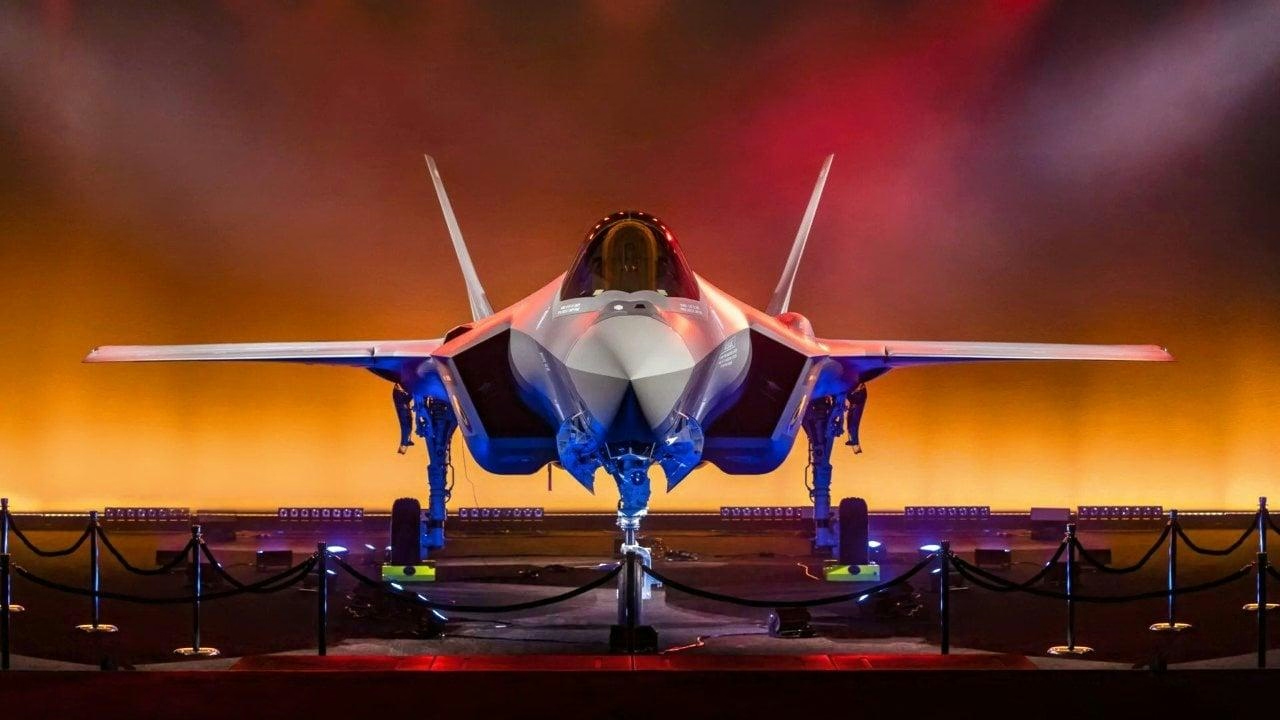
UK Completes Delivery of Initial F-35B Fighter Jet Fleet LONDON — The United Kingdom has reached a pivotal milestone in its fifth-generation airpower capabilities with the completion of its initial fleet of Lockheed Martin F-35B Lightning fighter jets. On March 27, 2026, Defence Equipment & Support formally accepted the final aircraft from the original 48-unit order at RAF Marham in Norfolk. This delivery marks the culmination of a significant phase in the UK’s advanced fighter program, despite the earlier loss of one airframe during a carrier take-off accident in November 2021, which reduced the operational fleet to 47 jets. Operational Role and Deployment The F-35B jets, operated jointly by the Royal Air Force and Royal Navy, constitute the core of Britain’s carrier strike capability. These aircraft regularly deploy aboard the aircraft carriers HMS Queen Elizabeth and HMS Prince of Wales, utilizing their short take-off and vertical landing (STOVL) capabilities. Forward deployments include RAF Akrotiri in Cyprus, where 617 Squadron’s F-35Bs contribute to regional air defence and coalition operations across the eastern Mediterranean and Gulf regions. Recent deliveries have incorporated the Technical Refresh 3 (TR3) configuration, which provides enhanced computing power and upgraded mission systems. However, this latest standard has yet to receive full operational clearance for combat missions, a factor that may influence short-term deployment and mission planning. Future Procurement and Strategic Adjustments The completion of the initial tranche underscores the UK’s ongoing commitment to advanced stealth fighter technology through its participation in the global F-35 program. The Ministry of Defence has indicated intentions to expand the fleet substantially, with a long-term target of acquiring up to 138 F-35 aircraft. Nevertheless, the precise timeline and procurement structure remain uncertain, pending the forthcoming Defence Investment Plan, which is expected to clarify funding and acquisition strategies for the coming decade. A significant strategic shift was outlined in the 2025 Strategic Defence Review, where the Ministry of Defence announced plans to procure 12 F-35A variants—conventional take-off and landing aircraft—to support NATO’s dual-capable aircraft mission. This move restores a capability absent from the RAF in recent years and reduces the number of F-35Bs in the second batch order from 27 to 15. The adjustment reflects evolving defence priorities and alliance commitments, introducing greater flexibility into the UK’s fighter fleet composition. Context Within the Global Fighter Market The UK’s progress with the F-35B fleet occurs amid notable developments in the international fighter aircraft market. France’s Dassault Aviation recently delivered its 300th Rafale fighter and has secured a total of 533 orders, demonstrating robust global demand. Concurrently, Japan continues to advance its Global Combat Air Programme (GCAP) in partnership with the UK and Italy, aiming to field a next-generation fighter jet by 2035 despite ongoing program delays. As the UK awaits further details on future procurement plans, its F-35B fleet remains central to both national defence and allied operations, reinforcing the country’s position at the forefront of modern airpower.
line