
Orchestrate AI insights into action

Trending
Categories
AI-Driven Airfare Pricing Raises Questions of Fairness
AI-Driven Airfare Pricing Raises Questions of Fairness
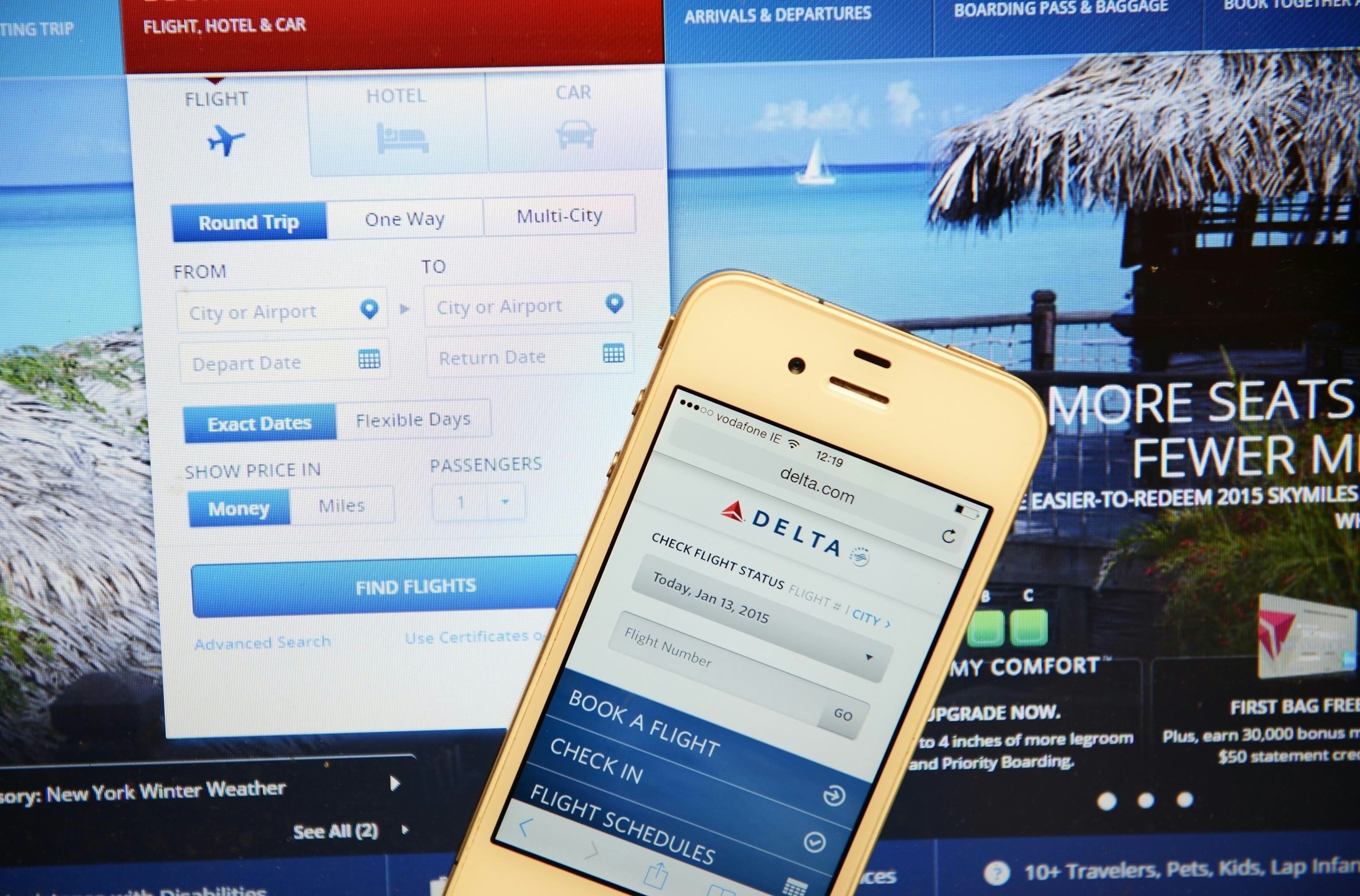
Airfare pricing is undergoing a significant transformation as airlines increasingly rely on artificial intelligence (AI) to determine ticket costs. When consumers refresh a flight search and notice fares fluctuating within minutes, it is often a direct result of AI-powered systems at work. These technologies enable airlines to forecast demand, set dynamic prices, and micro-target individual passengers. While this approach enhances operational efficiency and helps maximize seat occupancy, it has also ignited a debate surrounding fairness, transparency, and consumer privacy.
The Mechanics and Implications of AI Pricing
Modern AI-driven pricing models extend far beyond traditional methods that primarily considered historical booking data. According to Jaspreet Bindra, co-founder and CEO of a technology consultancy, airlines now integrate a broad spectrum of information into their machine-learning algorithms, including browsing behavior and purchase history. This allows for highly personalized pricing strategies tailored to individual consumers, raising concerns about potential price discrimination.
Regulators and lawmakers have taken note of these developments. In recent months, U.S. Transportation Secretary Sean Duffy voiced apprehensions about the use of AI in setting personalized airline fares, echoing similar warnings from several Democratic senators. Critics argue that such practices risk creating unfair disparities, where customers may be charged vastly different prices for identical services based on data-driven profiling.
Regulatory and Market Challenges
Beyond issues of fairness, there is growing unease about the possibility of algorithmic collusion and antitrust violations. As airlines deploy increasingly sophisticated pricing algorithms, regulators and private litigants are scrutinizing whether these systems might inadvertently facilitate coordinated pricing strategies that suppress competition and harm consumers. The inherent opacity of AI-driven pricing models complicates efforts by both regulators and passengers to understand how fares are determined.
The market response has been mixed, with skepticism about whether AI-powered pricing truly enhances transparency or merely serves as a tool for airlines to maximize profits at travelers’ expense. While some competitors adopt similar AI technologies to remain competitive, others advocate for regulatory reforms aimed at ensuring a fair and level playing field.
As AI continues to reshape airfare pricing, the industry faces mounting pressure to reconcile innovation with principles of fairness and accountability. The ongoing debate over the extent of algorithmic control and the transparency of pricing decisions remains unresolved, leaving travelers to navigate a complex and often opaque pricing landscape where ticket costs can change instantaneously.
Comments

Etihad Airways Suspends Airbus A380 Flights on Key Route

Aditya Birla Group Seeks Approval for Aircraft Leasing in GIFT City

Qatar Airways Highlights Innovation and Connectivity at Arabian Travel Market 2026

Hong Kong's Five-Year Plan Includes Andrew Fan's Aircraft Parts Processing Hub Proposal

ACIA Aero Leasing Delivers ATR72-600 to Air Nostrum

RTX Appoints Jill Albertelli as Head of Pratt & Whitney

TAT Technologies Joins Beyond Aero Hydrogen Aircraft Program

AURAK Study Highlights Barriers to Air Taxi Adoption in Emerging Economies

Xiamen Air Selects Altitude for 787 Maintenance at Heathrow

Etihad and Swissport Extend Global Partnership
