
Orchestrate AI insights into action

Trending
Categories
Airbus Delivery Surge Tests Recovery of Europe’s Aerospace Supply Chain
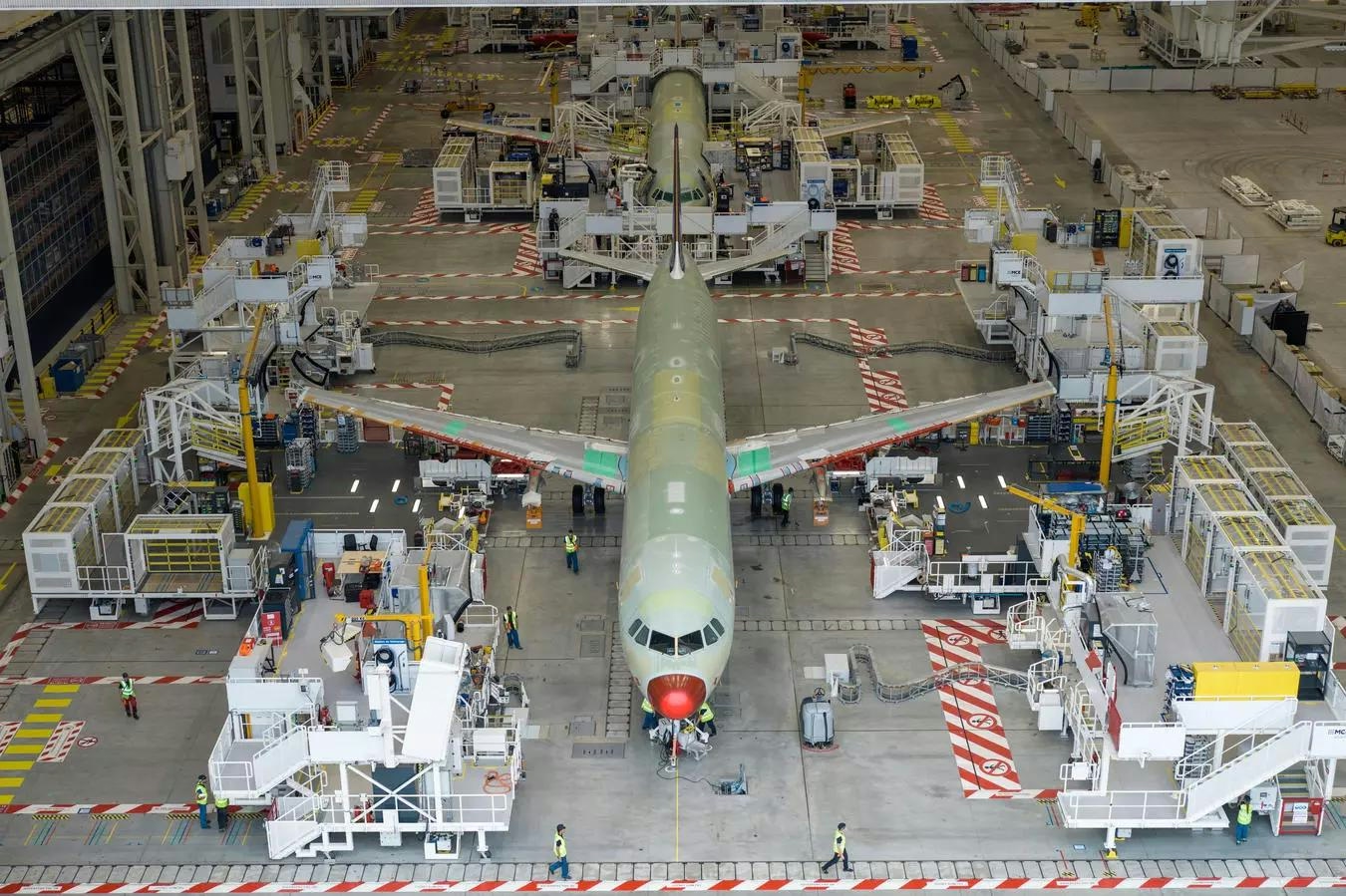
Airbus Delivery Surge Tests Recovery of Europe’s Aerospace Supply Chain
Airbus has set an ambitious internal target to deliver 900 commercial aircraft in 2026, signaling growing confidence in the recovery of Europe’s aerospace supply chain. This target follows a strong performance in June, when the company handed over 89 jets—a notable acceleration that suggests some easing of earlier disruptions, particularly in engine supply and delayed deliveries to China. Despite this optimism, Airbus’s official public guidance remains steady at approximately 870 deliveries, reflecting ongoing vulnerabilities in engines, components, and final assembly processes.
Production Challenges and Supply Chain Constraints
The discrepancy between Airbus’s internal target and its public forecast underscores the complexity of the recovery. Achieving 900 deliveries would indicate a robust rebound across one of Europe’s most intricate industrial networks. However, by maintaining the official guidance at 870, Airbus acknowledges persistent risks. Production continues to face constraints in critical areas such as engines, cabin interiors, aerostructures, certification processes, and customer readiness. These factors collectively expose the supply chain to potential disruptions that could impede delivery schedules.
June’s delivery surge partly represents the catch-up of aircraft delayed earlier in the year, including jets destined for Chinese customers. While this strong monthly performance is encouraging, it does not guarantee that Airbus can sustain such a pace through the remainder of the year. Aircraft deliveries are central to Airbus’s financial results, as revenue is recognized upon handover. Moreover, the delivery rate directly affects airlines awaiting new capacity and suppliers whose investment decisions depend on predictable production output.
Engine supply remains the most critical bottleneck in the production chain. As aircraft manufacturers do not control every component, shortages can leave otherwise completed jets grounded while suppliers address production and maintenance challenges. Although recent improvements suggest some relief in engine availability, the sector continues to balance the demand for new engines with the need to support the existing fleet. Airlines require spare engines and parts to maintain current operations, while Airbus needs powerplants for new deliveries. Additional persistent challenges include shortages in cabin equipment, seats, aerostructures, and skilled labor—any of which can halt deliveries even in the final stages of assembly.
Geopolitical and Market Implications
These pressures are further underscored by Airbus’s recent notification to A320neo series customers regarding delays for jets scheduled for delivery in 2027 and 2028, indicating that production challenges are expected to persist. The market is closely monitoring how the sector manages the delicate balance between ramping up output and maintaining quality and reliability.
Delayed handovers to China have contributed to earlier backlogs. Completing these deliveries is crucial not only for meeting Airbus’s annual targets but also for reinforcing its position in one of the world’s largest aviation markets. However, this exposure also brings commercial and geopolitical complexities, as European policymakers debate economic dependence and trade risks associated with China. Aircraft exports remain vital to Europe’s manufacturing base, yet political tensions, certification hurdles, and potential export controls could disrupt delivery patterns.
Meeting the official guidance of 870 deliveries will require sustained performance throughout the second half of the year. The internal objective of 900 deliveries adds further ambition but also highlights that Europe’s aerospace recovery remains a delicate balancing act with limited margin for error.

DAE and Neuberger Launch New Aircraft Leasing Partnership
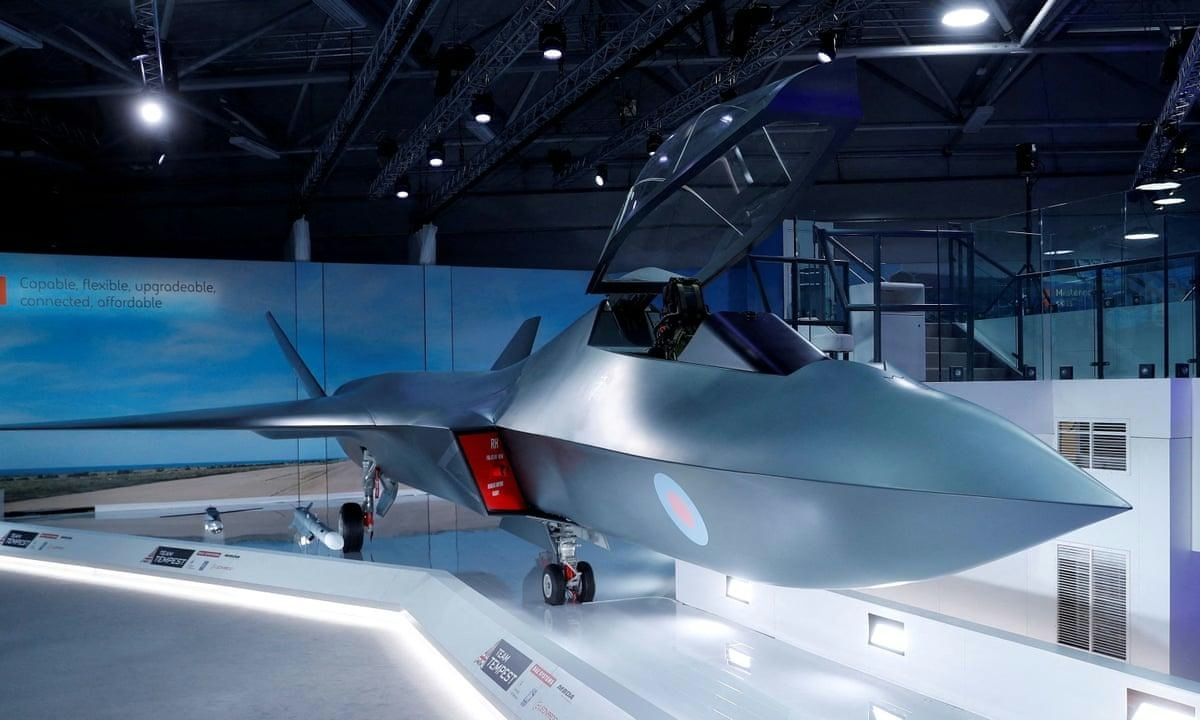
Next Phase of Trinational Fighter Jet Program Begins
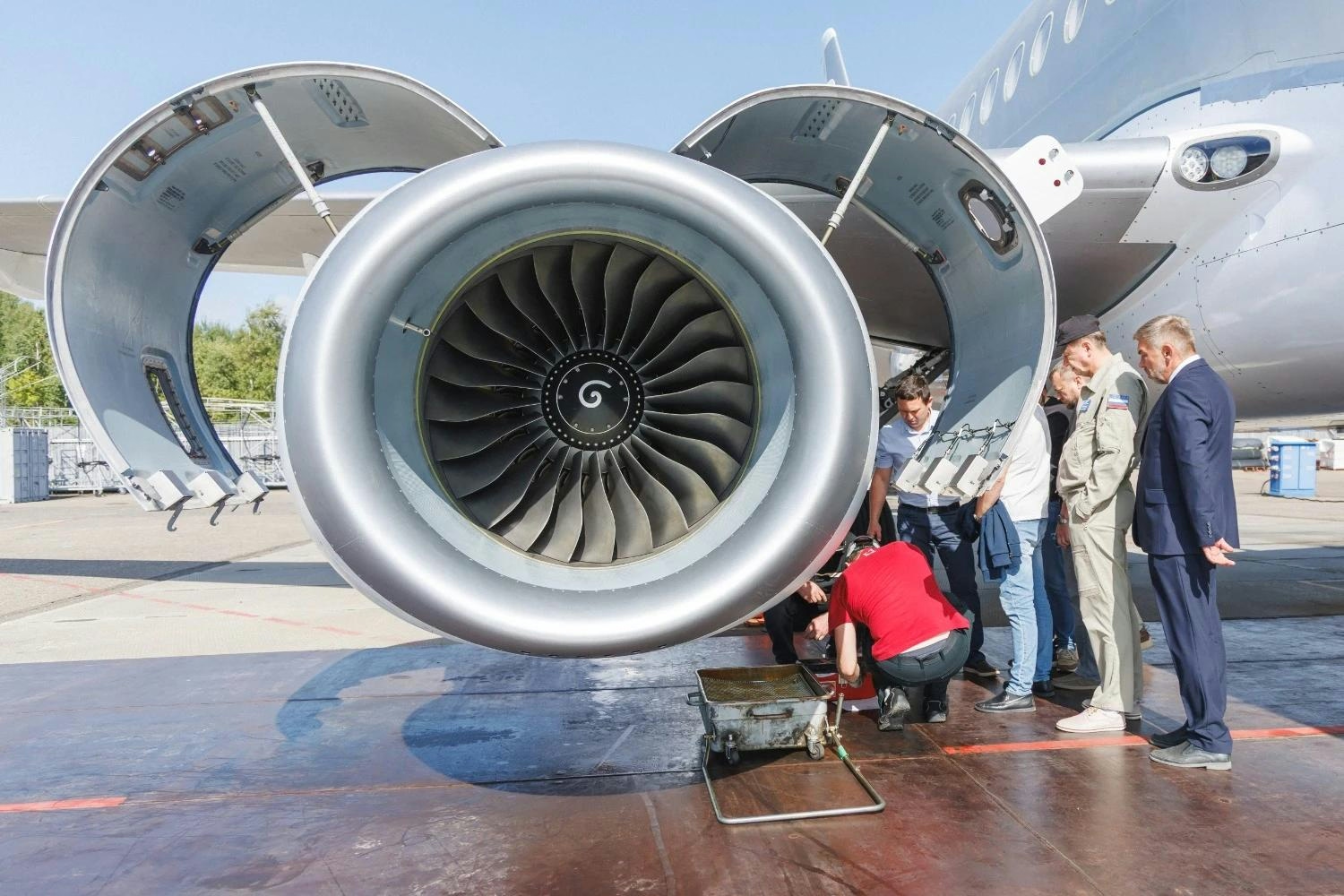
SSJ-100 Aircraft Engines to Undergo Upgrades in Russian Aviation
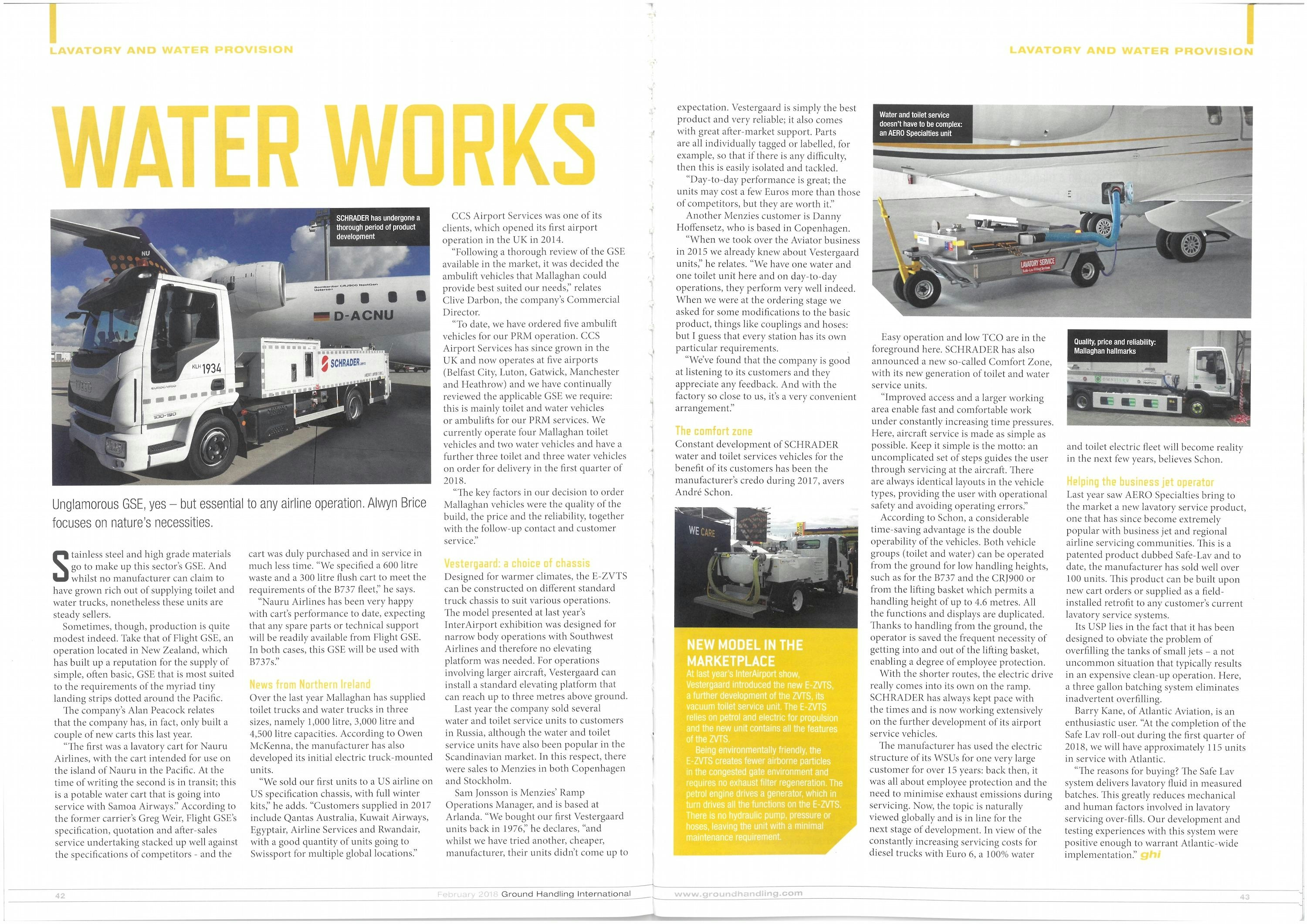
Global Analysis of the Aircraft Water Service Trucks Market
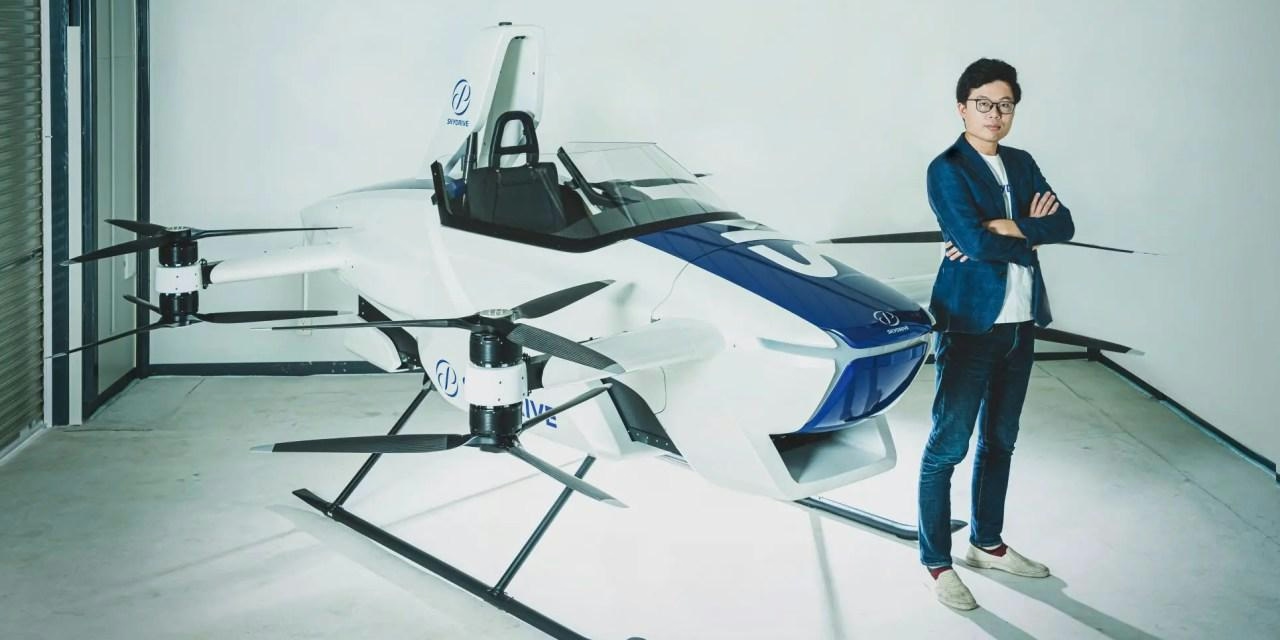
SkyDrive Reveals Full-Size Aircraft Mockup Abroad

Latham & Watkins Advises Avenue Capital Group on $360 Million Aviation Leasing Continuation Vehicle
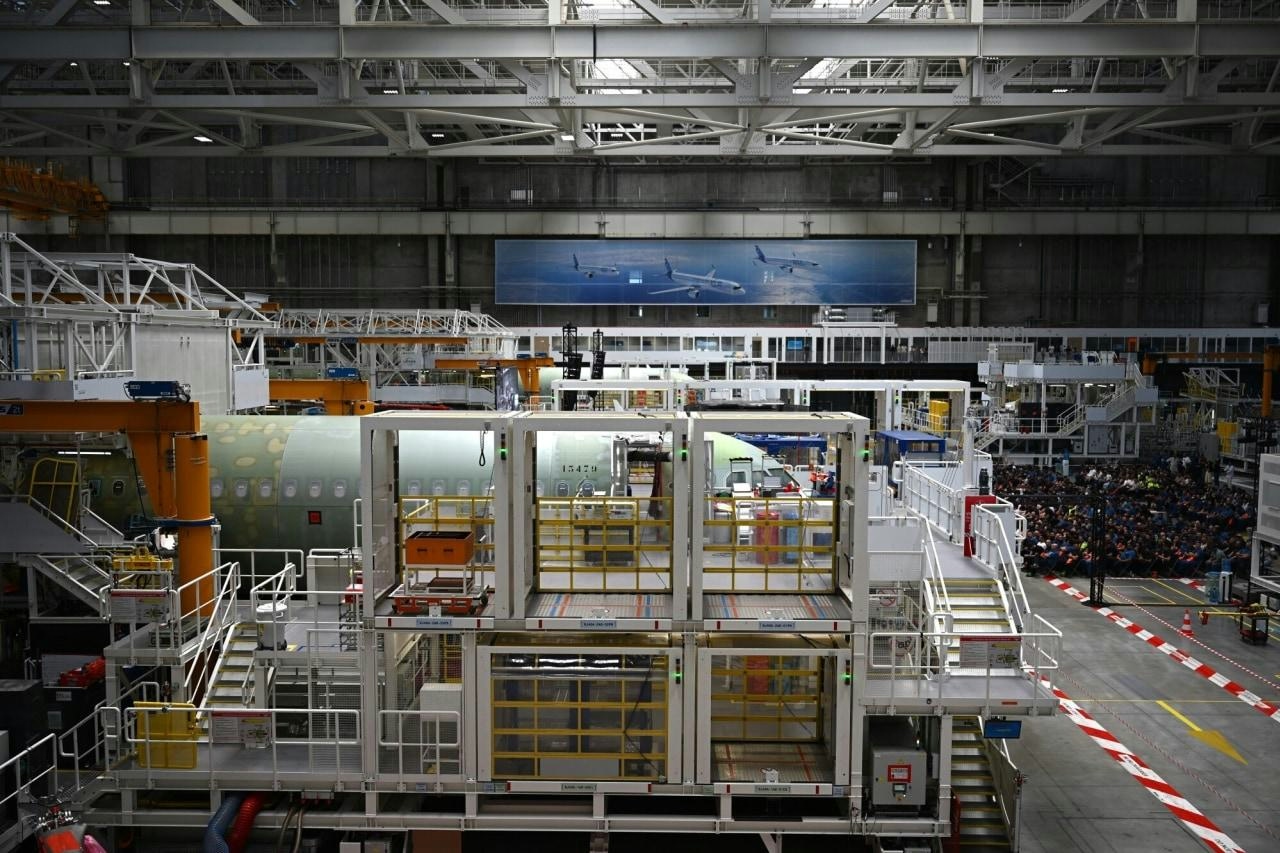
KKR Commits $1.4 Billion to Third Aircraft Leasing Platform with Altavair
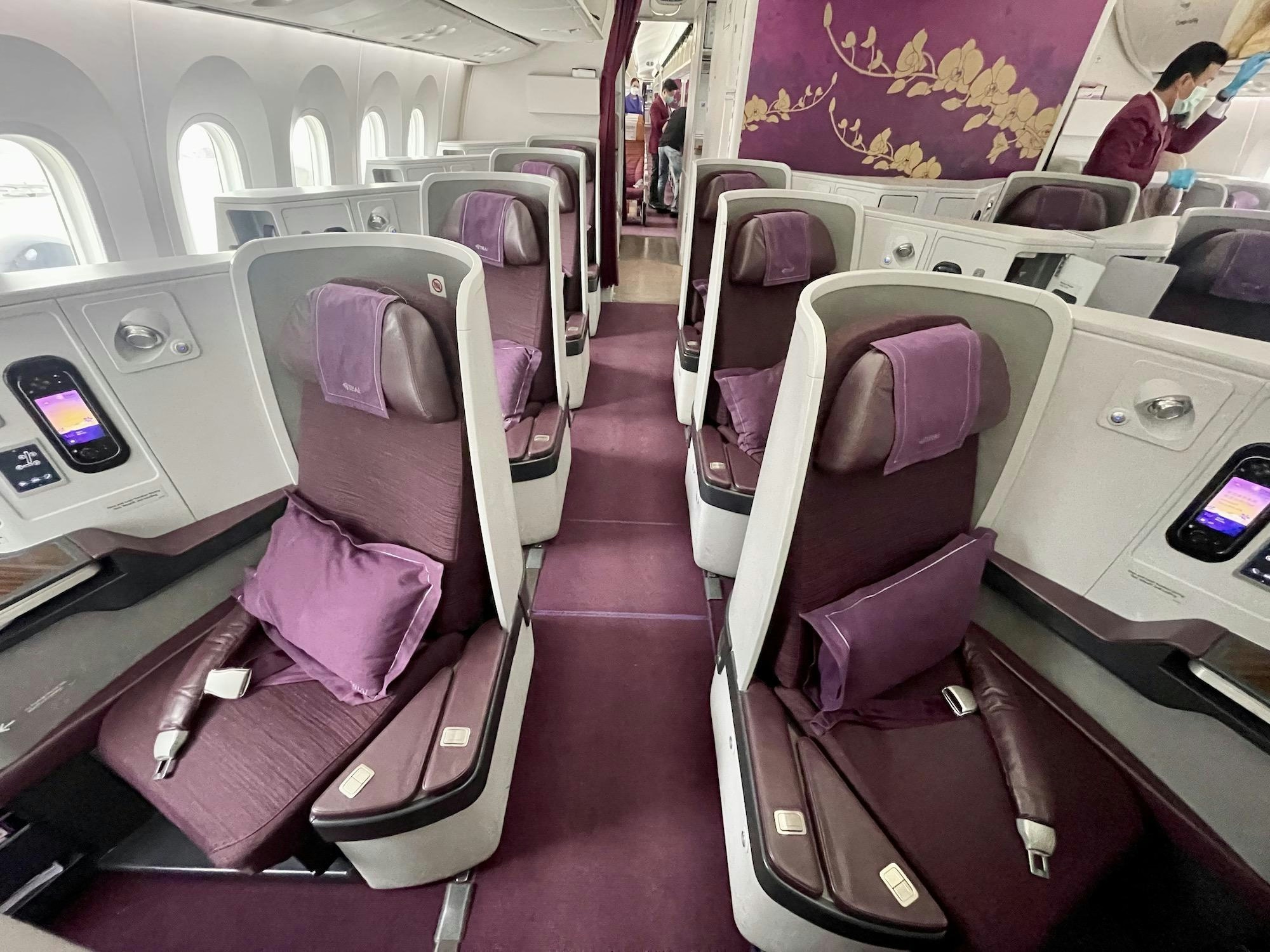
Thai Airways to Decide on Long-Haul Widebody Replacement Within Two Years

Malaysia's MJets Air Wet Leases a Boeing 737-800SF
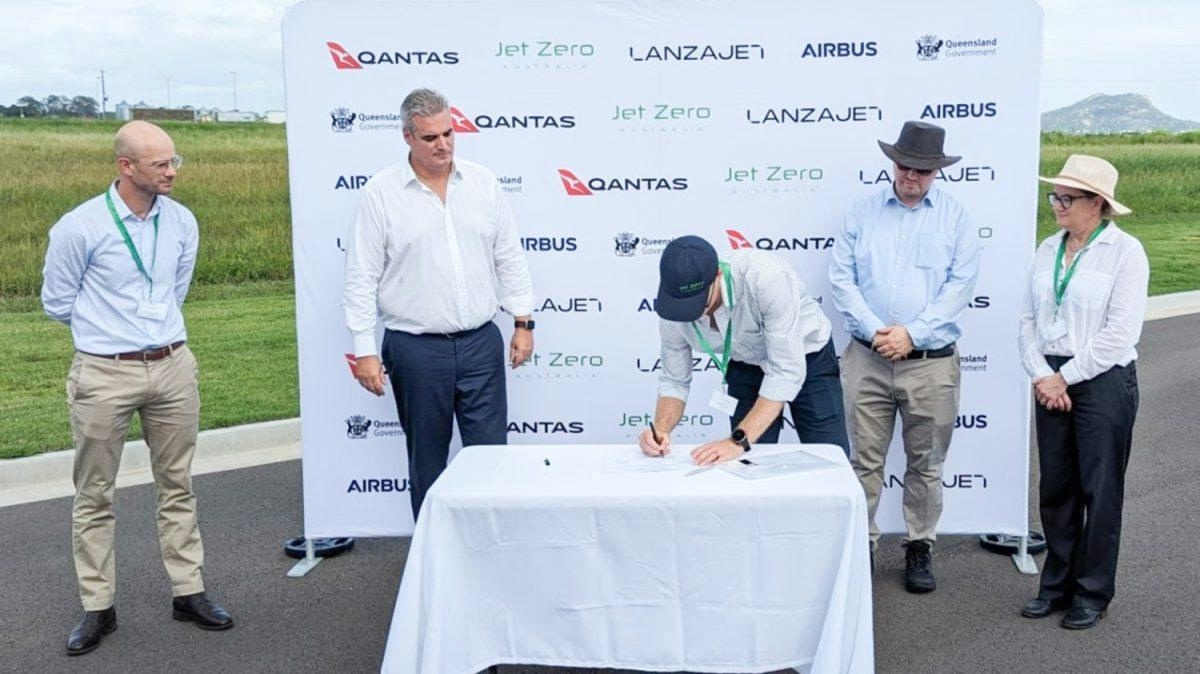
Brisbane Airport Begins Using Sustainable Aviation Fuel
