
Orchestrate AI insights into action

Trending
Categories
Delta CEO Announces Partnership to Introduce Flying Taxis at Airport
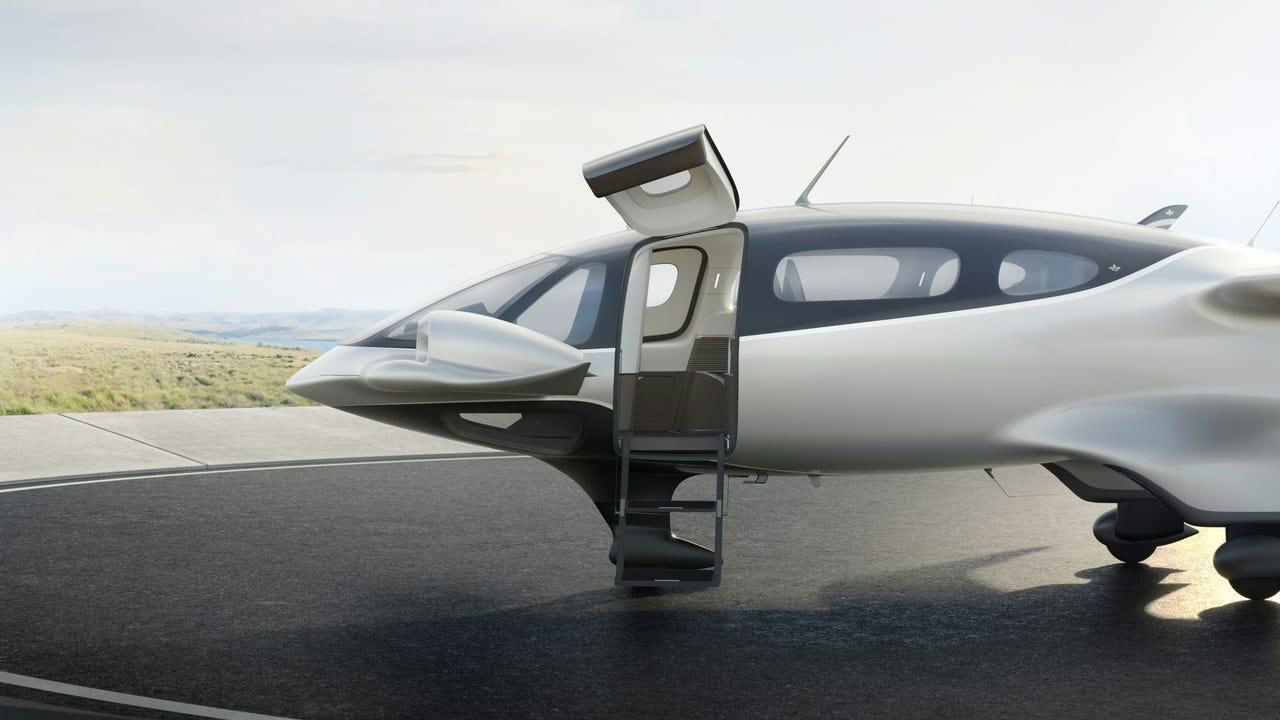
Delta Air Lines to Introduce Flying Taxis and Electric Taxiing Systems
Partnership with Joby Aviation to Launch Electric Air Taxis
ATLANTA — Delta Air Lines is poised to transform airport transportation with the introduction of electric air taxis and innovative ground operations technologies. In an exclusive interview, Delta CEO Ed Bastian revealed the airline’s collaboration with Joby Aviation to deploy electric air taxis designed to ferry passengers directly from their homes to airport terminals. Flight testing for these vehicles is already underway, with Joby’s electric air taxis currently operating in parts of the Middle East. The company, headquartered in Dayton, Ohio, is expanding production capabilities at its 140-acre facility near Dayton International Airport, with the capacity to manufacture up to 500 aircraft annually.
Bastian emphasized that the air taxis are intended to ease road congestion rather than reduce air traffic. He illustrated the convenience for travelers living in suburban areas, describing a scenario where a ten-minute flight on a Joby air taxi could deliver passengers directly to a Delta lounge, followed by a swift transfer to their departing flight. Joby is actively pursuing commercial passenger certification from the Federal Aviation Administration, aiming to launch the service by 2026. The initial rollout will focus on New York and Los Angeles, two of the busiest metropolitan areas in the United States, though no specific timeline has been announced for Atlanta.
Advancing Sustainable Ground Operations with Green Taxi Aerospace
In addition to airborne innovations, Delta is advancing its commitment to sustainability through a partnership with Green Taxi Aerospace to develop an all-electric taxiing system for aircraft. This technology aims to reduce emissions and improve efficiency during ground operations, although it faces potential regulatory and technical hurdles. The initiative has already attracted attention from competitors such as Republic Airways and SkyWest Airlines, who may seek to implement similar electric taxiing solutions to maintain competitive parity.
Embracing Technology to Enhance Customer Experience
Beyond transportation innovations, Bastian highlighted Delta’s strategic use of artificial intelligence to improve customer service, particularly through enhancements to the FlyDelta app. While acknowledging the hype surrounding AI, he stressed the airline’s cautious approach to ensure that technology effectively addresses traveler needs and streamlines the management of their journeys.
As Delta marks its centennial anniversary, these pioneering partnerships and technological advancements reflect the airline’s vision for shaping the future of air travel over the next hundred years.

Etihad Airways Suspends Airbus A380 Flights on Key Route

Aditya Birla Group Seeks Approval for Aircraft Leasing in GIFT City

Qatar Airways Highlights Innovation and Connectivity at Arabian Travel Market 2026

Hong Kong's Five-Year Plan Includes Andrew Fan's Aircraft Parts Processing Hub Proposal

ACIA Aero Leasing Delivers ATR72-600 to Air Nostrum

RTX Appoints Jill Albertelli as Head of Pratt & Whitney

TAT Technologies Joins Beyond Aero Hydrogen Aircraft Program

AURAK Study Highlights Barriers to Air Taxi Adoption in Emerging Economies

Xiamen Air Selects Altitude for 787 Maintenance at Heathrow

Etihad and Swissport Extend Global Partnership
