
将人工智能洞察转化为可执行行动

热门趋势
Categories
AirAsia and Major Airlines Cut Flights Amid Jet Fuel Shortages and Rising Prices
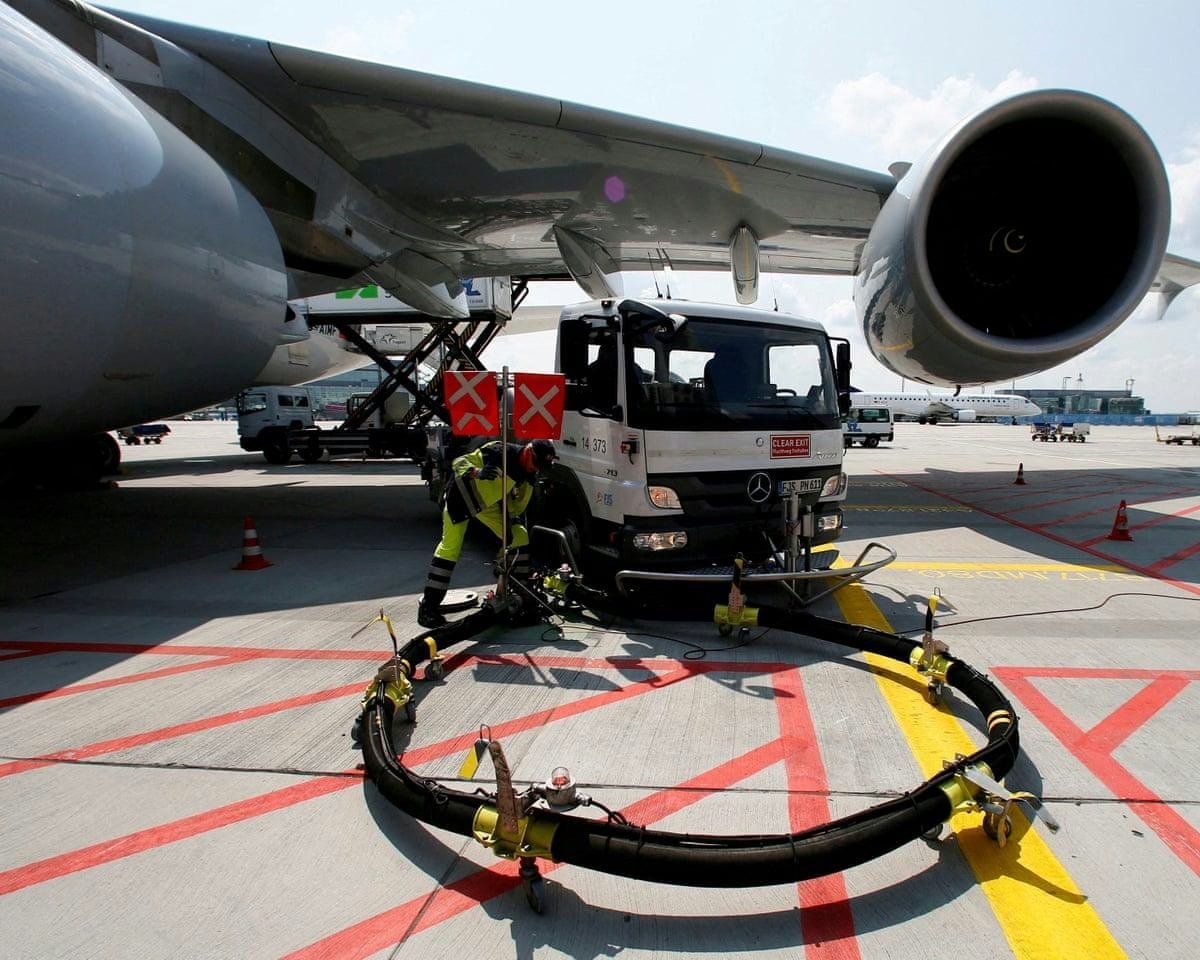
AirAsia and Major Airlines Cut Flights Amid Jet Fuel Shortages and Rising Prices
Escalating Fuel Costs and Supply Disruptions
The global aviation sector is grappling with a severe jet fuel crisis, compelling major airlines such as AirAsia, British Airways, Lufthansa, Qantas, SAS, and Air Canada to reduce flight operations and increase ticket prices. Over recent months, the price of jet fuel has surged dramatically, climbing from $85 to more than $200 per barrel. This sharp rise is primarily attributed to escalating geopolitical tensions in the Middle East and persistent disruptions in oil supply chains.
The ongoing conflict involving Iran and threats to the Strait of Hormuz—a vital corridor for global oil shipments—have significantly strained oil supplies worldwide. These developments have driven jet fuel prices to unprecedented levels, imposing substantial financial burdens on airlines still recovering from the economic fallout of the COVID-19 pandemic. Given that jet fuel can constitute up to 30% of an airline’s operating expenses, the recent price surge has forced carriers to implement stringent cost-control measures to maintain viability.
Industry Responses and Regional Impacts
In response to these challenges, airlines are adopting a range of strategies including flight reductions, increased surcharges, and capacity adjustments. AirAsia, one of Asia’s leading low-cost carriers, has announced considerable cuts to its flight schedules, focusing particularly on less profitable routes to mitigate rising fuel costs. European carriers are similarly affected; Lufthansa, for instance, has already canceled nearly 20,000 flights scheduled over the next six months to conserve fuel, with the possibility of further reductions if supply constraints persist.
The situation is especially critical in Europe, where analysts warn that jet fuel reserves could become dangerously depleted by mid-May. This shortage threatens to cause additional flight cancellations during the peak summer travel season, despite strong passenger demand. Airlines face a precarious balance between sustaining profitability amid soaring fuel expenses and meeting consumer expectations, with travelers likely to encounter higher fares and increased disruptions.
Broader Economic and Industry Implications
Industry experts emphasize that unless jet fuel prices stabilize and supply chains improve, the aviation sector may experience further capacity cuts and heightened financial pressures. The repercussions extend beyond airlines, as rising operational costs are expected to cascade to consumers, potentially undermining the fragile recovery of global air travel.
As carriers like AirAsia and Lufthansa navigate these unprecedented challenges, the coming months will be pivotal in determining the resilience of the aviation industry amid the ongoing jet fuel crisis and its extensive consequences for both airlines and passengers.

Etihad Airways Suspends Airbus A380 Flights on Key Route

Aditya Birla Group Seeks Approval for Aircraft Leasing in GIFT City

Qatar Airways Highlights Innovation and Connectivity at Arabian Travel Market 2026

Hong Kong's Five-Year Plan Includes Andrew Fan's Aircraft Parts Processing Hub Proposal

ACIA Aero Leasing Delivers ATR72-600 to Air Nostrum

RTX Appoints Jill Albertelli as Head of Pratt & Whitney

TAT Technologies Joins Beyond Aero Hydrogen Aircraft Program

AURAK Study Highlights Barriers to Air Taxi Adoption in Emerging Economies

Xiamen Air Selects Altitude for 787 Maintenance at Heathrow

Etihad and Swissport Extend Global Partnership
