
将人工智能洞察转化为可执行行动

热门趋势
Categories
Airbus Finalizes VietJet Deal Amid Optimism for Tariff Resolution at Air Show
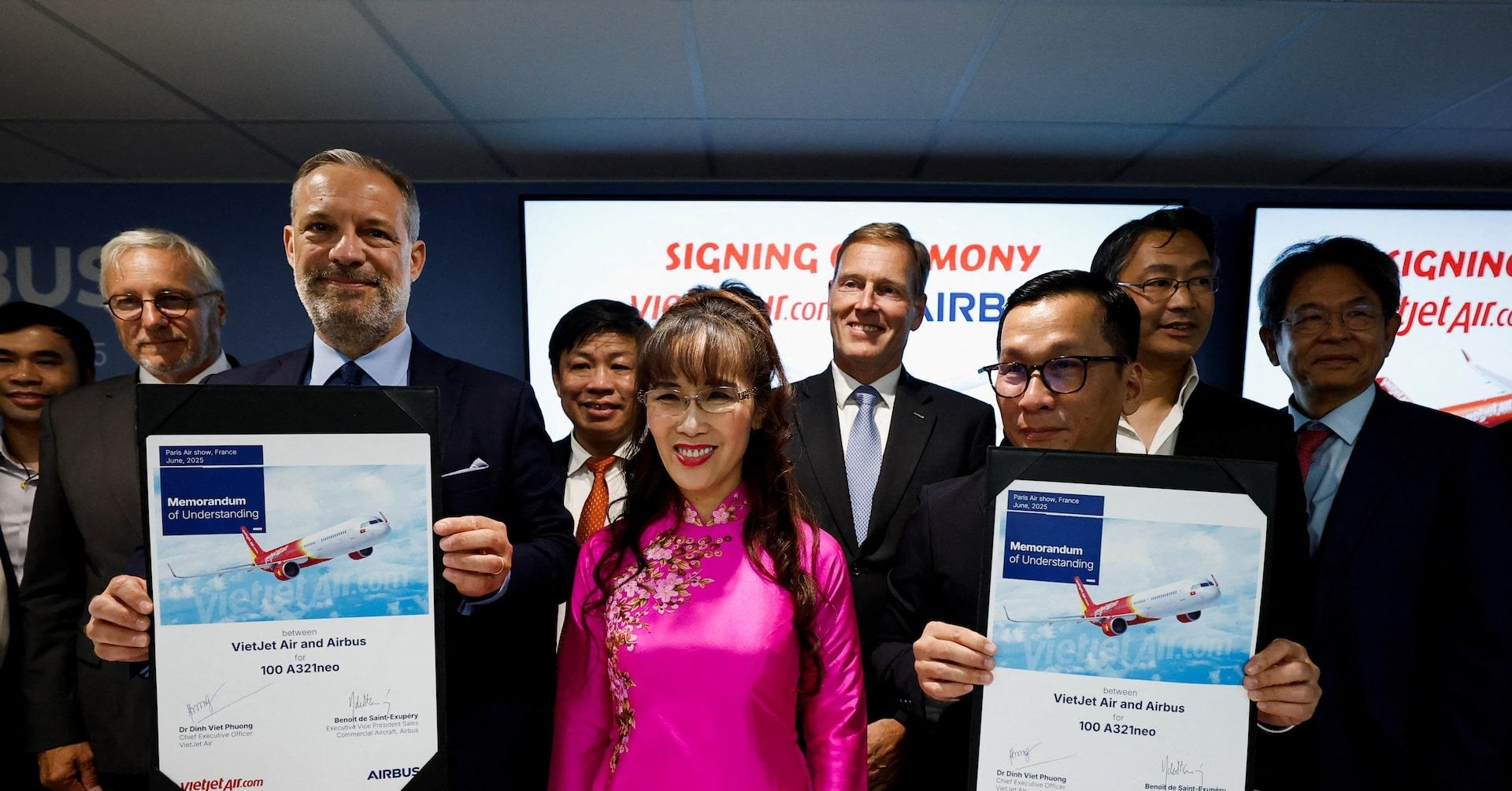
Airbus Finalizes VietJet Deal Amid Optimism for Tariff Resolution at Air Show
Airbus has secured a significant aircraft order with Vietnamese low-cost carrier VietJet, marking a pivotal moment at this year’s international air show. This agreement highlights Airbus’s expanding influence in Southeast Asia, a region experiencing rapid growth in air travel demand. The deal arrives amid growing optimism that longstanding trade tariff disputes may soon be resolved, a development that has positively influenced market sentiment and investor confidence.
Strengthening Presence in Southeast Asia
The contract with VietJet involves a substantial number of aircraft, reinforcing Airbus’s strategic position in the fast-developing Southeast Asian aviation market. However, the company faces notable challenges in managing the delivery schedule for such a large order. Persistent global supply chain disruptions continue to affect aircraft manufacturers worldwide, complicating production and delivery timelines.
Despite these logistical obstacles, the market response has been largely favorable. Investors have welcomed the scale of the VietJet order and the potential easing of trade tensions, which could enhance Airbus’s international operations. The deal is widely regarded as a strategic victory for Airbus, particularly as it competes with Boeing for dominance in the region.
Competitive Dynamics and Industry Implications
Industry analysts anticipate that Boeing and other aircraft manufacturers will intensify efforts to secure comparable agreements with VietJet and other regional carriers in response to Airbus’s gains. This increased competition is expected to spur more aggressive sales campaigns and may result in more favorable terms for airlines in Southeast Asia. Manufacturers are keen to capitalize on the region’s expanding aviation market, which continues to attract significant investment.
In addition to navigating competitive pressures, Airbus must address the complexities of fulfilling large-scale orders while maintaining production quality and adhering to delivery schedules. The company’s performance in managing these challenges will be closely monitored by investors and airline customers alike.
The VietJet agreement, announced during the air show, underscores the ongoing recovery and transformation of the aviation sector. Airlines are actively modernizing their fleets and preparing for future growth, even as the industry contends with supply chain issues and geopolitical uncertainties. Airbus’s ability to deliver on its commitments amid these conditions will be a key factor in shaping its competitive standing and the broader trajectory of the global aviation market.

Etihad Airways Suspends Airbus A380 Flights on Key Route

Aditya Birla Group Seeks Approval for Aircraft Leasing in GIFT City

Qatar Airways Highlights Innovation and Connectivity at Arabian Travel Market 2026

Hong Kong's Five-Year Plan Includes Andrew Fan's Aircraft Parts Processing Hub Proposal

ACIA Aero Leasing Delivers ATR72-600 to Air Nostrum

RTX Appoints Jill Albertelli as Head of Pratt & Whitney

TAT Technologies Joins Beyond Aero Hydrogen Aircraft Program

AURAK Study Highlights Barriers to Air Taxi Adoption in Emerging Economies

Xiamen Air Selects Altitude for 787 Maintenance at Heathrow

Etihad and Swissport Extend Global Partnership
