
将人工智能洞察转化为可执行行动

热门趋势
Categories
Airbus Issues Emergency Software Update for A320 Jets, US Airlines Report Minimal Delays
Airbus Issues Emergency Software Update for A320 Jets; US Airlines Report Minimal Delays
Airbus has mandated an urgent software update for its A320-family aircraft following the identification of a rare flight-control anomaly during internal testing. The global directive requires all operators to install a critical software patch on both passenger and cargo variants of the A320 before their next scheduled flight or within a narrowly defined regulatory timeframe.
Minimal Disruption for US Airlines
Despite the emergency nature of the update, major US carriers reported only minor operational disruptions. Delta Air Lines, among other leading operators, mobilized engineering teams and adjusted ground crew rotations overnight to expedite the installation process, thereby minimizing cancellations and delays. Most passengers experienced only brief gate holds or short maintenance stops. United Airlines confirmed that its fleet was unaffected by the issue, while American Airlines initially reported that 340 aircraft required the update but later revised this figure to 209 jets. Airlines proactively communicated with affected passengers and deployed standby aircraft to cover flights when necessary, ensuring continuity of service.
Regulatory Oversight and International Response
The update underwent review by US aviation regulators in close coordination with international authorities, including the European Union Aviation Safety Agency (EASA). EASA issued an emergency directive mandating the replacement of ELAC (Elevator Aileron Computer) units—the flight control computers—on the most severely affected aircraft before they are permitted to return to service. While regulators classified the software patch as a safety priority, they stopped short of issuing a grounding order. Instead, airlines are required to confirm installation and provide ongoing reports on system performance.
Technical Details and Implementation
The software update addresses how the aircraft’s flight-control system processes specific sensor inputs and logic sequences, thereby mitigating the risk of an unlikely automation response. As a software-only fix, it requires no physical modifications to the airframe, which has helped keep maintenance times brief. Airlines applied the update using ground maintenance tools, followed by automated system checks and, where necessary, short functional flights or simulator runs to verify successful installation.
Operational Measures to Limit Delays
To reduce passenger inconvenience, airlines staggered maintenance windows to avoid peak departure periods, utilized standby aircraft to cover affected flights, and employed remote troubleshooting to accelerate validation processes. Customer service teams remained active throughout, with rebooking tools prepared to manage any ripple effects. Passengers were advised to check flight status prior to travel, allow extra time for potential gate-side maintenance, and subscribe to airline alerts for real-time updates.
Industry Impact and Next Steps
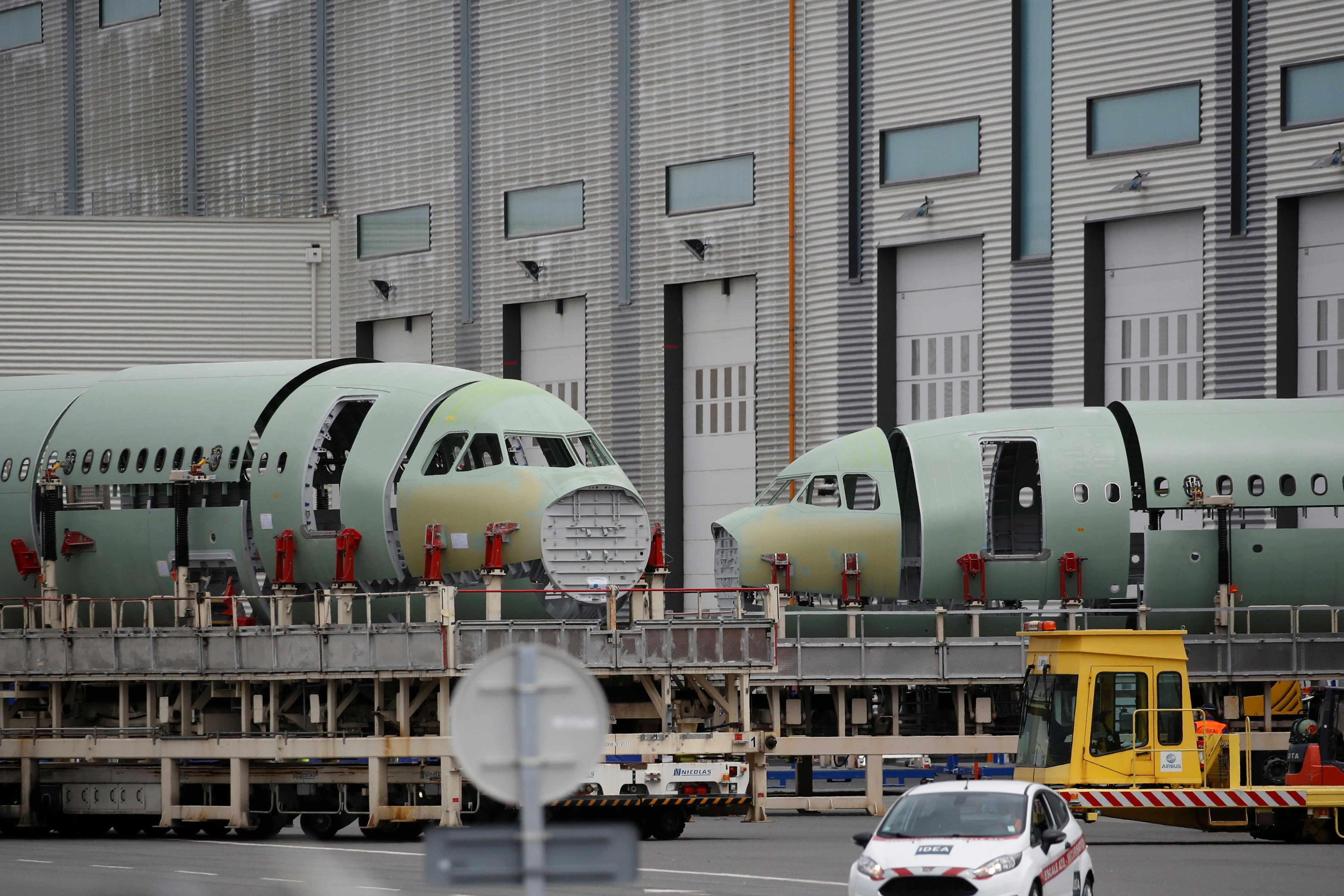
Airbus has worked closely with airlines and suppliers to ensure the software fix does not disrupt new aircraft deliveries, with production lines incorporating the update as part of routine software loading. Industry analysts anticipate that this incident will prompt more stringent software validation protocols across the aviation sector. Airlines are currently submitting compliance reports, and regulators will continue to monitor system performance. Further communications from Airbus and aviation authorities are expected as additional data becomes available.

Etihad Airways Suspends Airbus A380 Flights on Key Route

Aditya Birla Group Seeks Approval for Aircraft Leasing in GIFT City

Qatar Airways Highlights Innovation and Connectivity at Arabian Travel Market 2026

Hong Kong's Five-Year Plan Includes Andrew Fan's Aircraft Parts Processing Hub Proposal

ACIA Aero Leasing Delivers ATR72-600 to Air Nostrum

RTX Appoints Jill Albertelli as Head of Pratt & Whitney

TAT Technologies Joins Beyond Aero Hydrogen Aircraft Program

AURAK Study Highlights Barriers to Air Taxi Adoption in Emerging Economies

Xiamen Air Selects Altitude for 787 Maintenance at Heathrow

Etihad and Swissport Extend Global Partnership
