
将人工智能洞察转化为可执行行动

热门趋势
Categories
Airbus Navigates Labor Tensions Amid Strong 2026 Orders and Deliveries
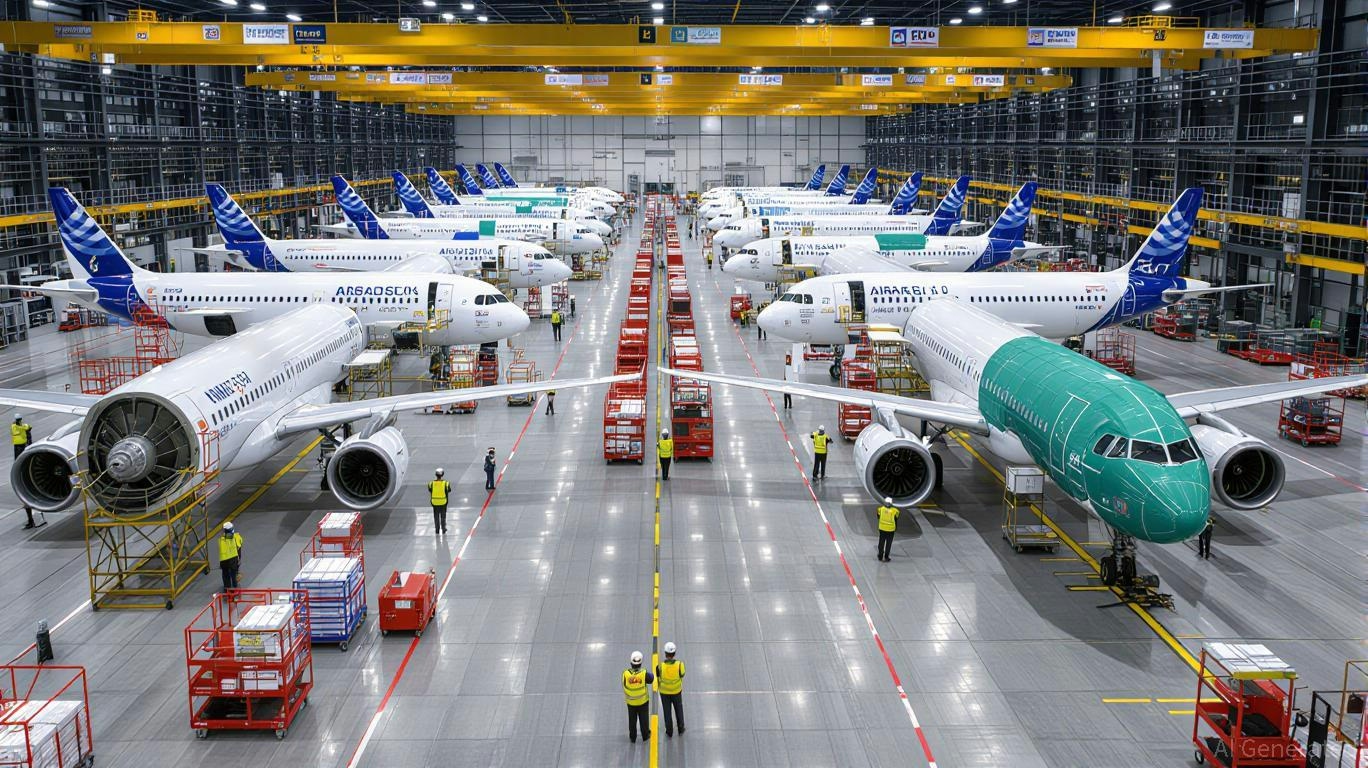
Airbus Navigates Labor Tensions Amid Strong 2026 Orders and Deliveries
Robust Order Growth Highlights Market Leadership
Airbus continues to assert its dominance in the commercial aerospace sector, securing 821 net aircraft orders in the first half of 2026—more than double the 408 orders reported by its principal U.S. competitor, Boeing. This significant surge in demand reflects airlines’ growing preference for Airbus’s broad portfolio of narrowbody and widebody aircraft. The widening gap between Airbus and Boeing underscores the European manufacturer’s strengthened market position, particularly as Boeing’s delivery pace has decelerated, intensifying competitive pressures.
Delivery Challenges and Operational Pressures
Despite the strong order momentum, Airbus faces considerable operational challenges in meeting its ambitious delivery target of 870 aircraft for the year. Achieving this goal necessitates an average monthly delivery rate of approximately 90 aircraft for the remainder of 2026. However, recent delivery figures reveal a shortfall, with 67 aircraft delivered in July and 47 in August to 31 customers. This pace falls significantly below the required average, highlighting the difficulties Airbus encounters in scaling production.
The disparity between the robust order intake and the current delivery cadence presents a critical concern for investors and industry analysts. The company’s ability to bridge this gap will depend heavily on resolving ongoing labor disputes, ensuring supplier reliability, and effectively managing the ramp-up of key production programs.
Labor Unrest and Broader Market Context
Labor tensions have emerged as a significant risk factor, with strikes and workforce unrest threatening to disrupt production schedules and delay deliveries. These challenges come at a pivotal moment as Airbus strives to capitalize on favorable market conditions. The broader European equity environment remains supportive, exemplified by the CAC 40 index’s 0.98 percent rise to 8,401.18 points on August 28, 2026. Nonetheless, company-specific issues related to labor and production continue to influence Airbus’s stock performance on a daily basis.
External Variables Impacting Deliveries
In addition to internal operational hurdles, Airbus must navigate external factors that affect delivery timelines. For major customers such as Air New Zealand, ongoing supply chain disruptions and the financial stability of airlines introduce further complexity. These elements compound the challenges Airbus faces in meeting its delivery commitments and sustaining its competitive advantage.
As Airbus endeavors to resolve labor disputes and enhance production output, the coming months will be crucial in determining whether the company can convert its strong order book into consistent delivery performance, thereby maintaining its leadership in the global aerospace industry.

Etihad Airways Suspends Airbus A380 Flights on Key Route

Aditya Birla Group Seeks Approval for Aircraft Leasing in GIFT City

Qatar Airways Highlights Innovation and Connectivity at Arabian Travel Market 2026

Hong Kong's Five-Year Plan Includes Andrew Fan's Aircraft Parts Processing Hub Proposal

ACIA Aero Leasing Delivers ATR72-600 to Air Nostrum

RTX Appoints Jill Albertelli as Head of Pratt & Whitney

TAT Technologies Joins Beyond Aero Hydrogen Aircraft Program

AURAK Study Highlights Barriers to Air Taxi Adoption in Emerging Economies

Xiamen Air Selects Altitude for 787 Maintenance at Heathrow

Etihad and Swissport Extend Global Partnership
