
将人工智能洞察转化为可执行行动

热门趋势
Categories
Airlines Urge Increased Competition in Used Jet Engine Parts Market

Airlines Call for Greater Competition in the Used Jet Engine Parts Market
Global airlines are intensifying their appeals to jet engine manufacturers to relax restrictions on independent suppliers of reconditioned engine components. The industry continues to face persistent shortages and escalating costs, prompting the International Air Transport Association (IATA), which represents approximately 300 airlines worldwide, to advocate for a more open market for used parts. This push follows a recent European antitrust settlement concerning turboprop engines, which has raised hopes for broader reform.
European Antitrust Settlement and Its Implications
In a significant development last month, the European Commission concluded an antitrust investigation into Pratt & Whitney Canada, the leading producer of turboprop engines. The company agreed to remove contractual barriers that had previously limited access to used engine sections. This decision is expected to benefit operators of ATR and Dash-8 turboprop aircraft by enabling independent firms to source, refurbish, and resell certified used parts, thereby fostering competition with new components.
Nick Careen, IATA’s senior vice president for operations, safety, and security, emphasized the importance of this ruling, noting that it will assist ATR and Dash-8 operators. He further highlighted the potential for similar measures to be extended to the main jet engine markets, which represent the most significant challenges and opportunities within the sector. Pratt & Whitney Canada welcomed the agreement, while its parent company, RTX, declined to comment.
Supply Chain Challenges and Market Pressures
The call for expanded access to used jet engine parts arises amid ongoing supply chain disruptions that have particularly affected the jet engine sector. Airlines have reported acute shortages of high-pressure turbine blades, especially for CFM56 engine overhauls. These shortages have resulted in prolonged maintenance cycles and increased reliance on spare engines and short-term leases. The situation has been exacerbated by the lingering impacts of the COVID-19 pandemic and the continuing jet fuel crisis, complicating the market dynamics further.
Airlines contend that the limited competition in the aftermarket for engine parts has driven prices upward and intensified operational difficulties. According to IATA estimates, shortages of engine parts and maintenance capacity cost airlines nearly $6 billion in the previous year.
Industry Responses and Future Outlook
Engine manufacturers argue that their restrictions are necessary to recoup substantial investments in technology and innovation, and their openness to independent aftermarket suppliers varies across companies. In response to growing pressure, some manufacturers are exploring strategic partnerships and alternative supply chains to mitigate the effects of parts shortages.
The debate over the availability of used parts is central to a broader industry challenge concerning engine supplies, which has emerged as one of the most pressing issues in 2023. Increasing the repair and reuse of existing components could help alleviate shortages by freeing new parts for recently delivered aircraft.
At the International Society of Transport Aircraft Trading conference in Copenhagen, aviation executives warned that engine delays and shortages are expected to persist for the foreseeable future. Jennifer Moulton, global head of sales at Dubai Aerospace Enterprise, remarked, “It is going to take a long time before this issue is resolved—who knows, a few years.”
While Pratt & Whitney indicated in July that some maintenance disruptions were beginning to ease, airlines and industry observers anticipate ongoing challenges as the sector continues to navigate complex supply and demand pressures.

Red Sea Airlines to Lease Two Boeing 737 MAX 8 Aircraft
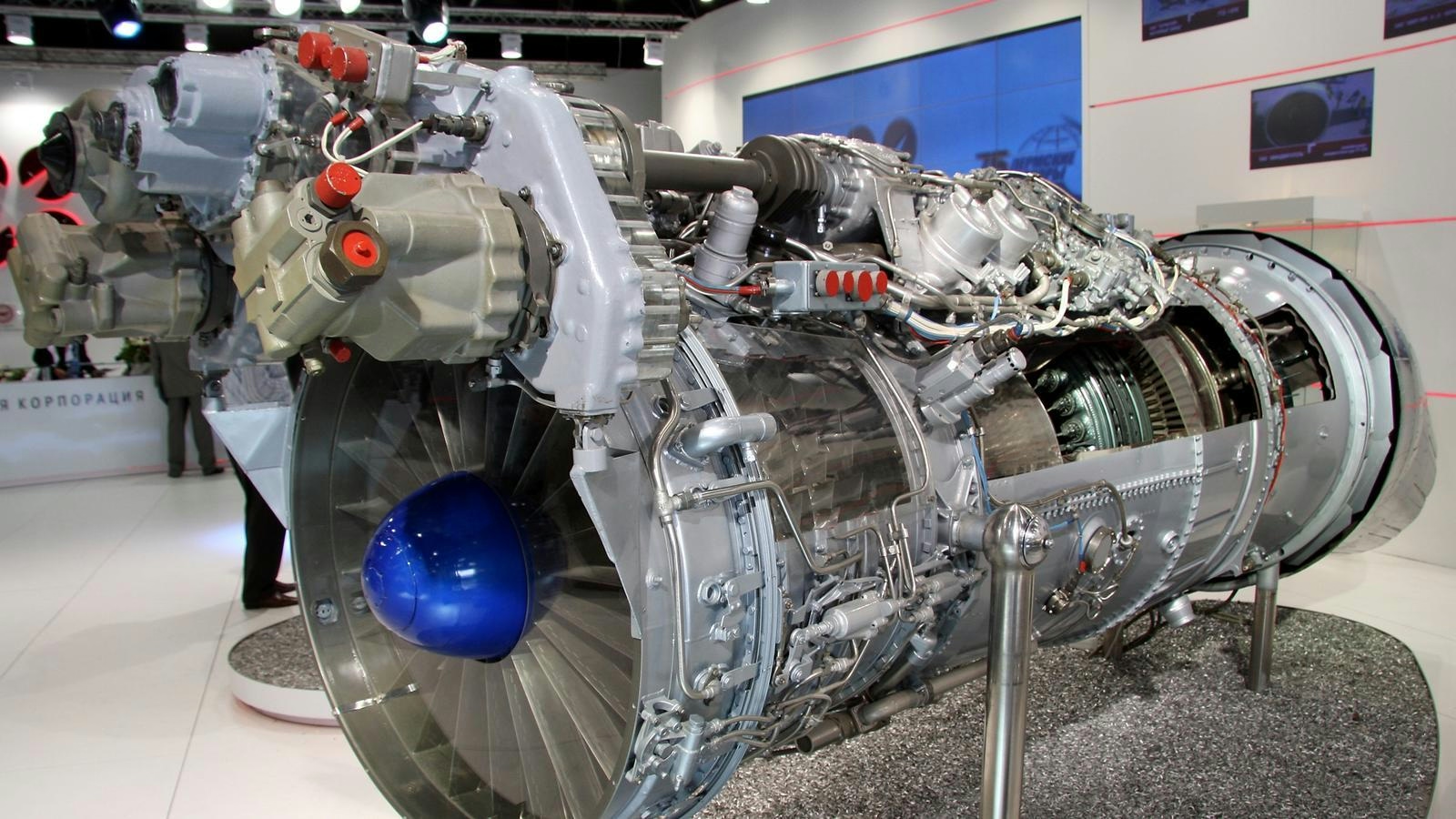
Su-30 and Su-34 Fighter Jets' Engines Contribute to Urban Heat
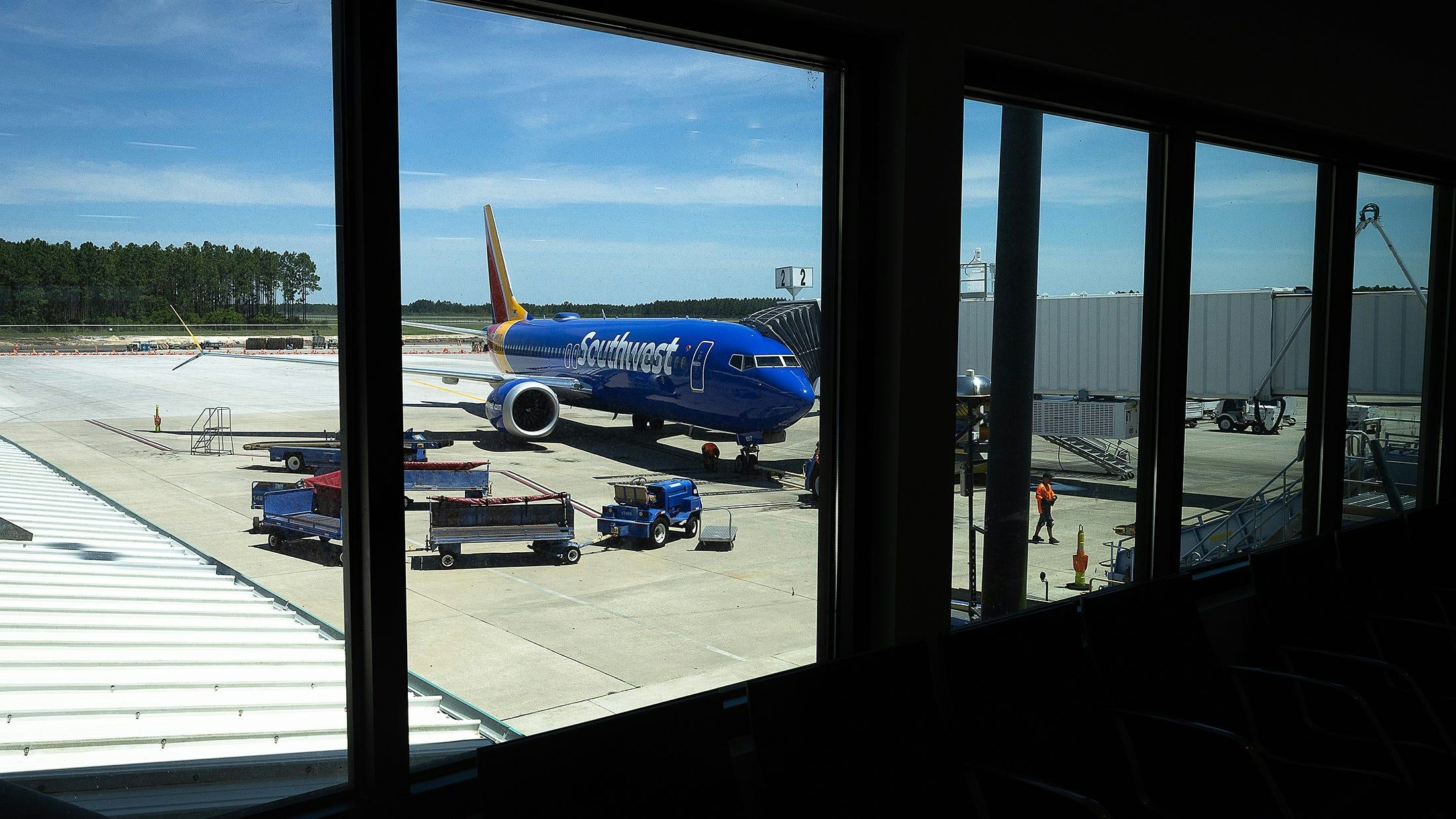
Future Developments Planned for NWF Beaches Airport

airBaltic Files for Chapter 11 Bankruptcy Protection
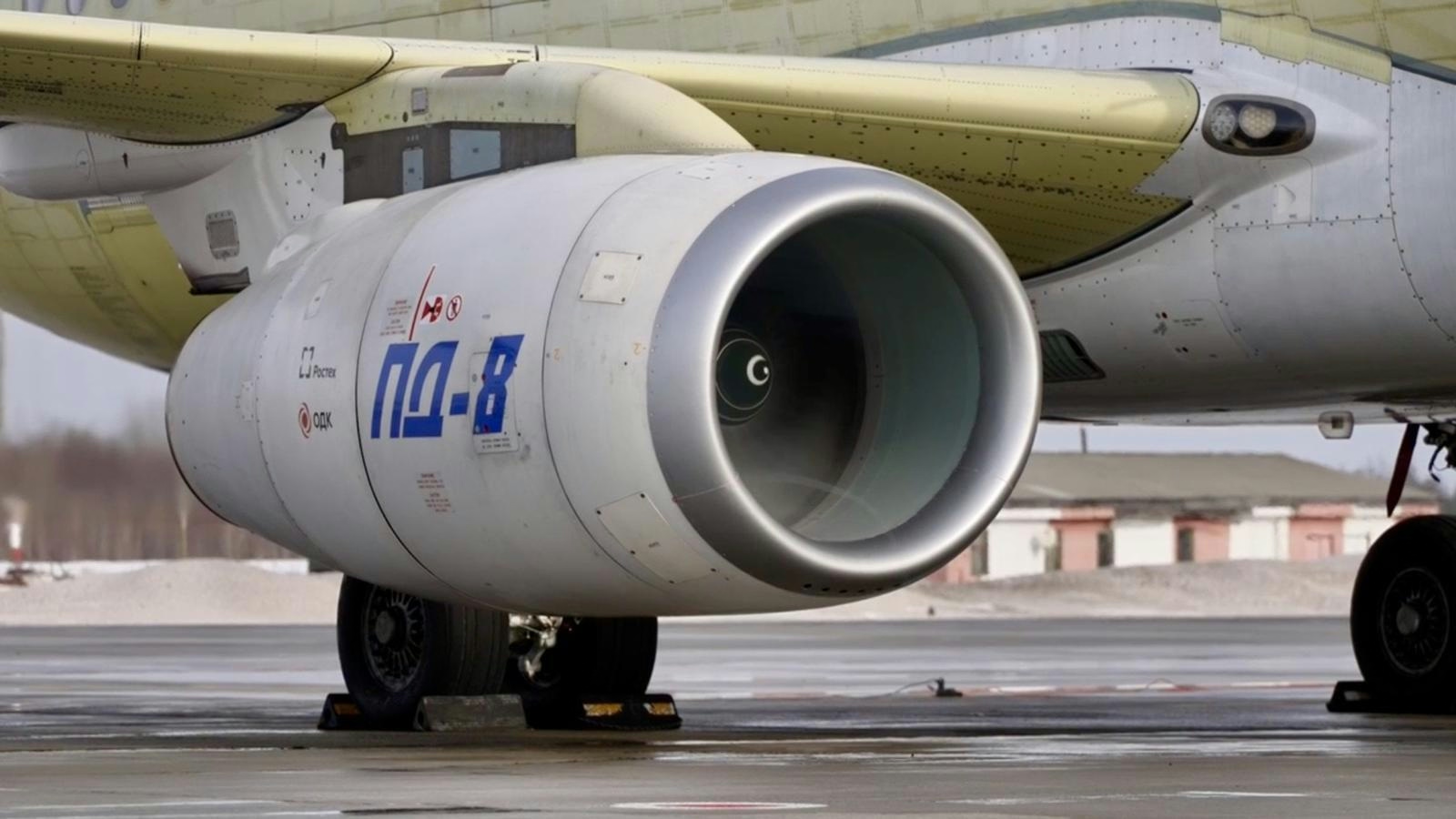
PD-8 Engine Encounters Corrosion Issues from Saltwater Exposure

Weekly Summary: August Deliveries, Year-to-Date Orders, and 4.1 Million Share Buyback
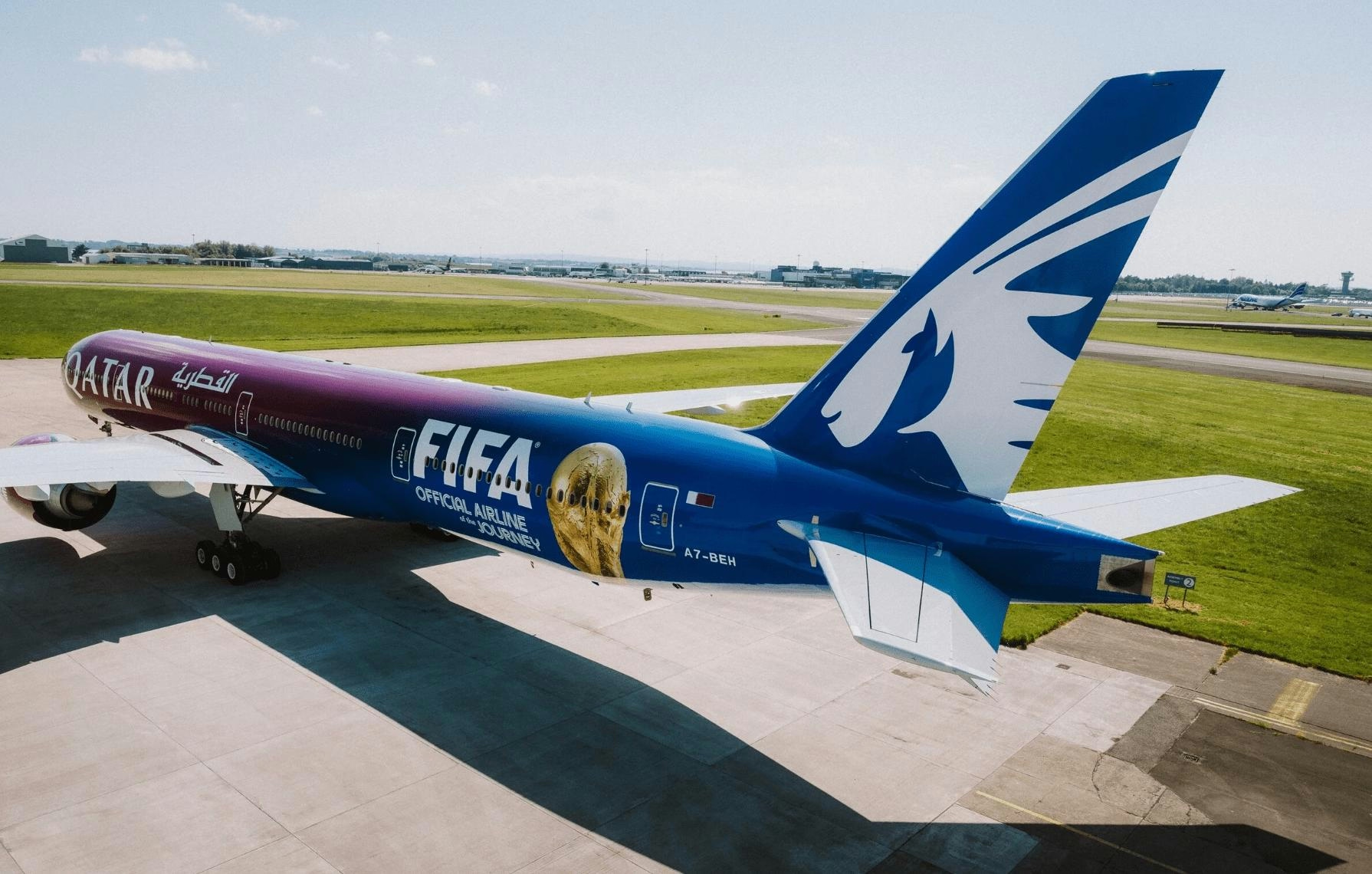
Linking Ireland’s Aircraft Leasing Industry to Elite Football
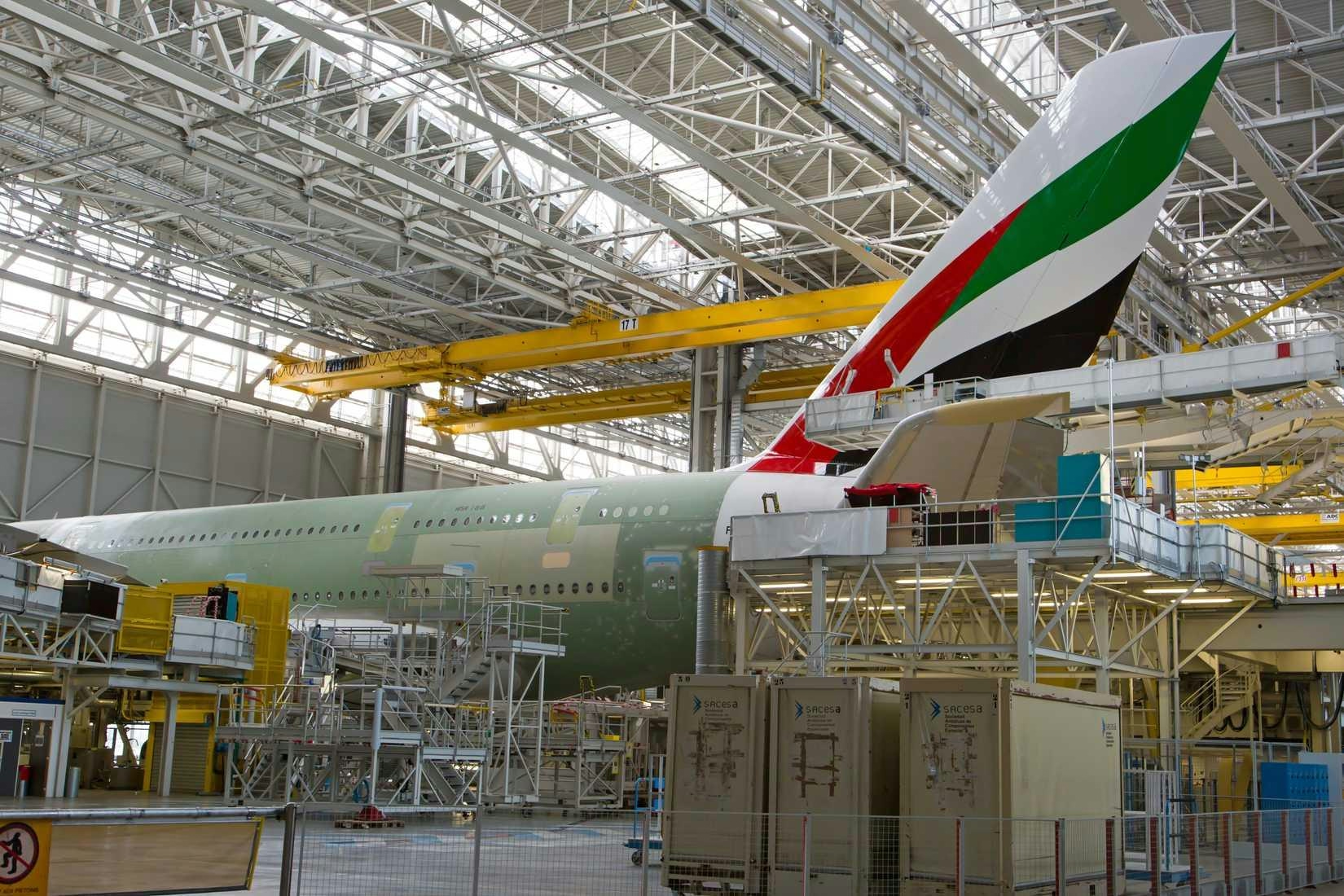
Airbus A380 at Tarbes Yields Over 90% of Parts for Active Fleets Through Careful Dismantling
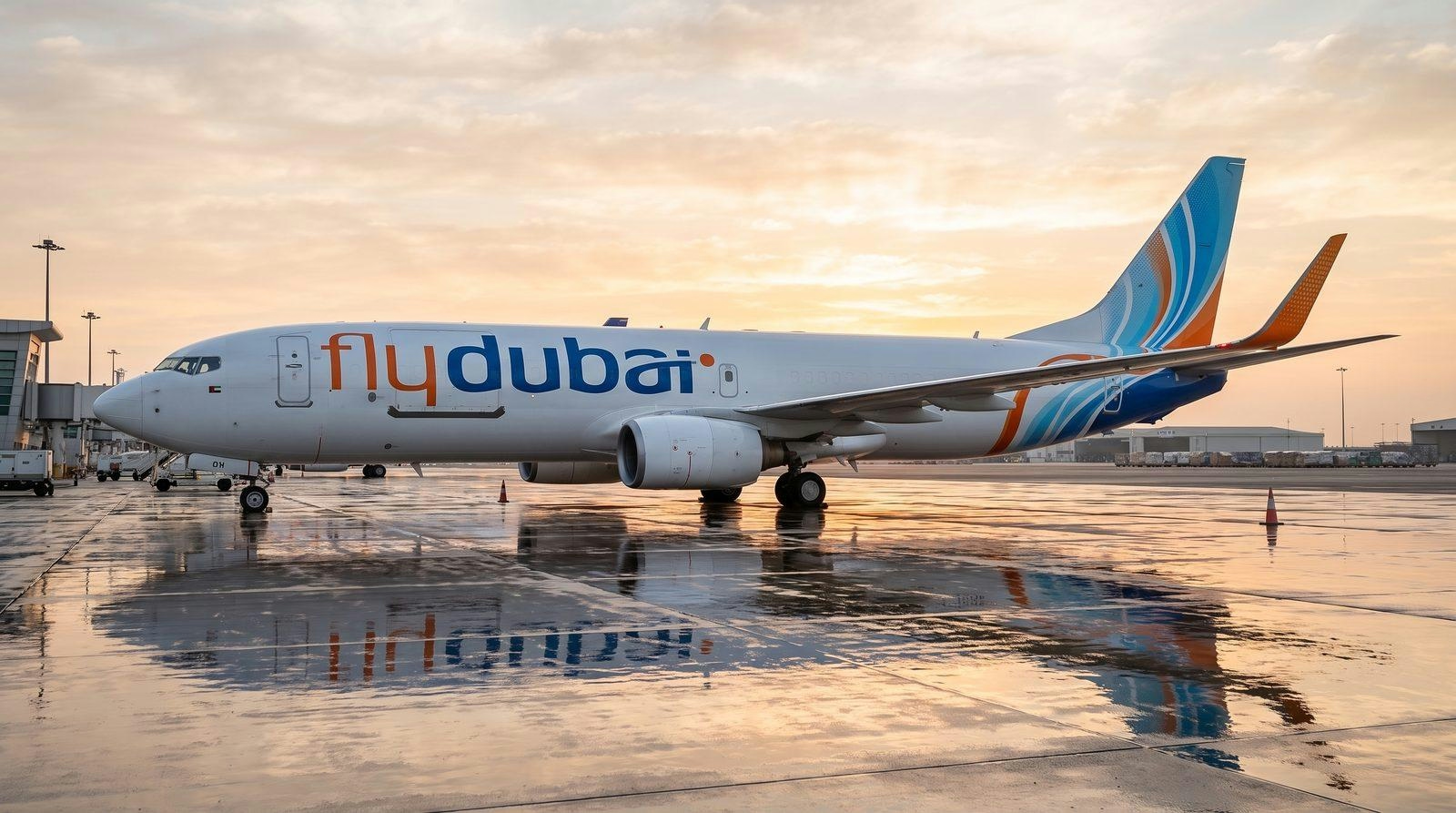
flydubai Begins Dedicated Freighter Operations with Three Leased 737-800s
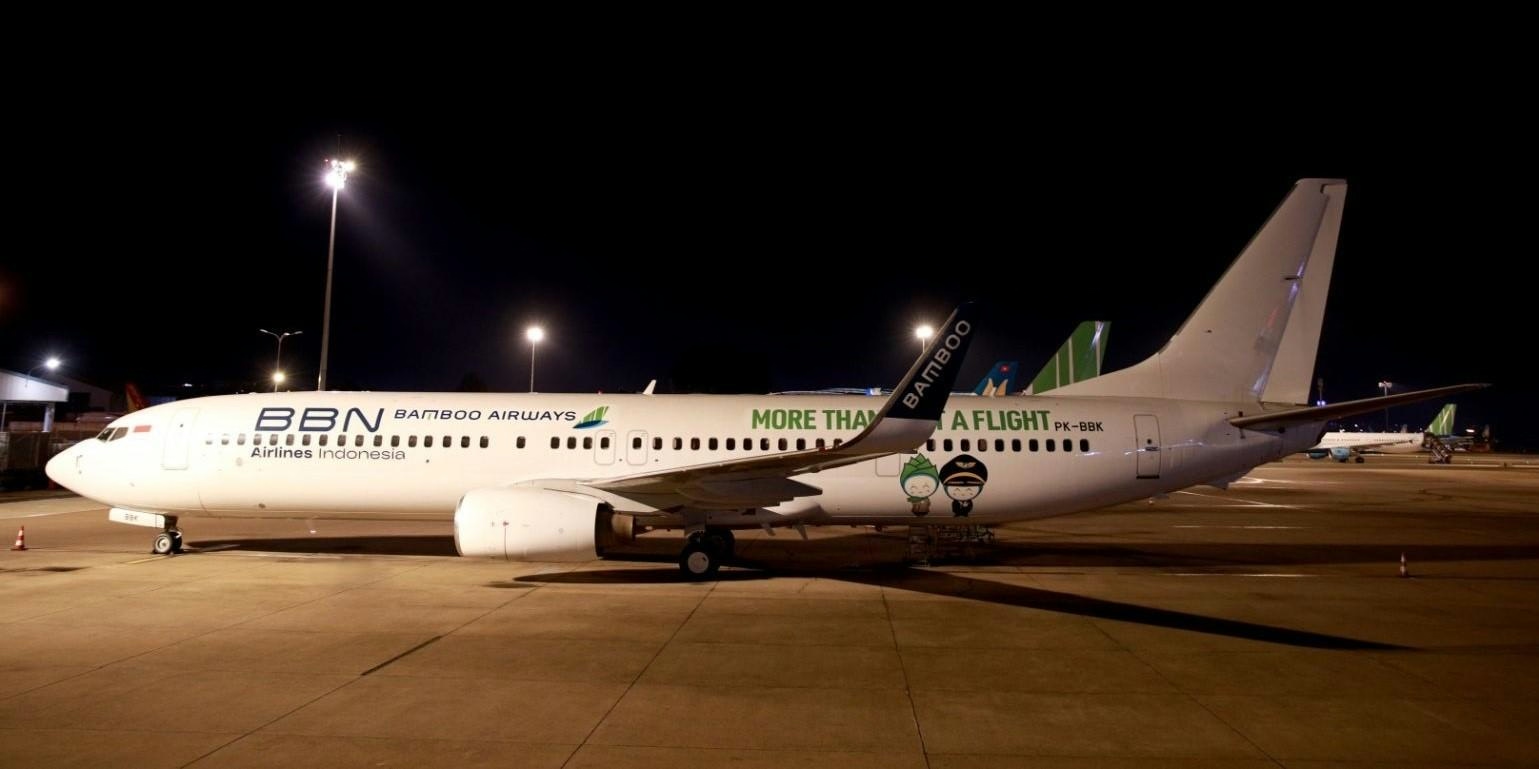
BBN Airlines Becomes IATA Member
