
将人工智能洞察转化为可执行行动

热门趋势
Categories
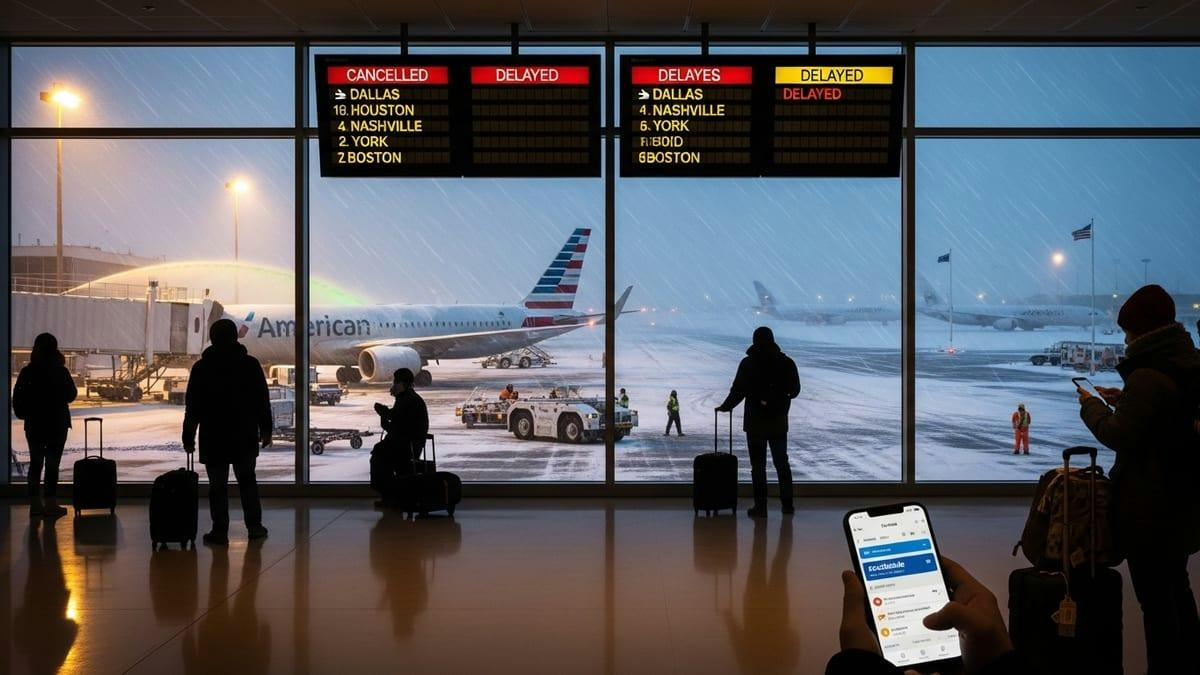
Airlines Use AI to Manage Flight Disruptions Amid Storm
Airlines Use AI to Manage Flight Disruptions Amid Storm
Widespread Disruptions from Severe Winter Storm
A powerful winter storm that swept across the United States over the weekend caused unprecedented disruption to air travel, resulting in the cancellation of more than 11,400 flights—the largest single-day disruption since the onset of the pandemic. Major airports including LaGuardia, JFK, Philadelphia, and Dallas-Fort Worth experienced cancellations approaching or exceeding 90% of scheduled departures. The storm prompted winter weather alerts for over 180 million people, placing immense strain on airline operations nationwide.
The impact was felt across the industry, with Delta Air Lines canceling additional flights in Atlanta and along the East Coast. American Airlines removed hundreds of flights from its schedule and offered flexible rebooking options to affected passengers. United Airlines and JetBlue Airways issued travel alerts and waived change fees in efforts to alleviate passenger inconvenience. Despite these measures, the Federal Aviation Administration reported that by Monday, more than 4,000 flights remained canceled and nearly 10,000 were delayed, with hopes to restore normal operations by Wednesday.
Accelerating AI Adoption to Manage Complex Operations
The scale and speed of such disruptions compress airlines’ decision-making windows to mere minutes, forcing rapid choices about flight cancellations, crew repositioning, and passenger rerouting before delays cascade across the network. The mounting operational pressures and escalating costs have accelerated the adoption of artificial intelligence (AI) and generative AI systems by major carriers.
Over the past year, airlines including Air France-KLM, Emirates, and United Airlines have integrated AI into their core operations to expedite critical decisions. Air France-KLM, for instance, has developed a cloud-based generative AI platform that industrializes use cases across departments, enabling operations, commercial, and support teams to leverage shared models and data. This strategy moves beyond isolated pilot projects, embedding AI into daily workflows to enhance responsiveness.
United Airlines has pursued a similar approach. According to United’s Chief Information Officer Jason Birnbaum, AI is now central to compressing decision cycles during irregular operations, extending beyond routine process optimization. By integrating AI into systems already used by employees, United ensures that real-time insights and recommendations are readily available, allowing planners to evaluate knock-on effects and minimize downstream disruptions.
Enhancing Customer Support and Industry-Wide Implications
AI’s role extends beyond internal decision-making to customer support. United has deployed conversational AI tools that enable travelers to rebook flights, explore alternatives, and obtain timely information during disruptions. This technology reduces wait times and alleviates pressure on customer service agents. For airlines, each successful self-service interaction helps manage the surge in passenger needs during major operational disturbances.
The challenges posed by severe weather and operational disruptions are not confined to U.S. carriers. IndiGo, India’s largest airline, recently reported that mass flight disruptions, regulatory penalties, and new labor-related costs have affected its profitability. Nevertheless, the airline has stabilized operations and is preparing for steadier growth, reflecting a broader industry trend toward resilience and digital transformation.
As severe weather events become more frequent and complex, airlines are increasingly relying on AI-driven decision-making and customer support systems to manage disruptions swiftly and maintain a competitive edge in a challenging environment.

Etihad Airways Suspends Airbus A380 Flights on Key Route

Aditya Birla Group Seeks Approval for Aircraft Leasing in GIFT City

Qatar Airways Highlights Innovation and Connectivity at Arabian Travel Market 2026

Hong Kong's Five-Year Plan Includes Andrew Fan's Aircraft Parts Processing Hub Proposal

ACIA Aero Leasing Delivers ATR72-600 to Air Nostrum

RTX Appoints Jill Albertelli as Head of Pratt & Whitney

TAT Technologies Joins Beyond Aero Hydrogen Aircraft Program

AURAK Study Highlights Barriers to Air Taxi Adoption in Emerging Economies

Xiamen Air Selects Altitude for 787 Maintenance at Heathrow

Etihad and Swissport Extend Global Partnership
