
将人工智能洞察转化为可执行行动

热门趋势
Categories
American Airlines Flight Returns to Myrtle Beach After Engine Fire Caused by Bird Strike
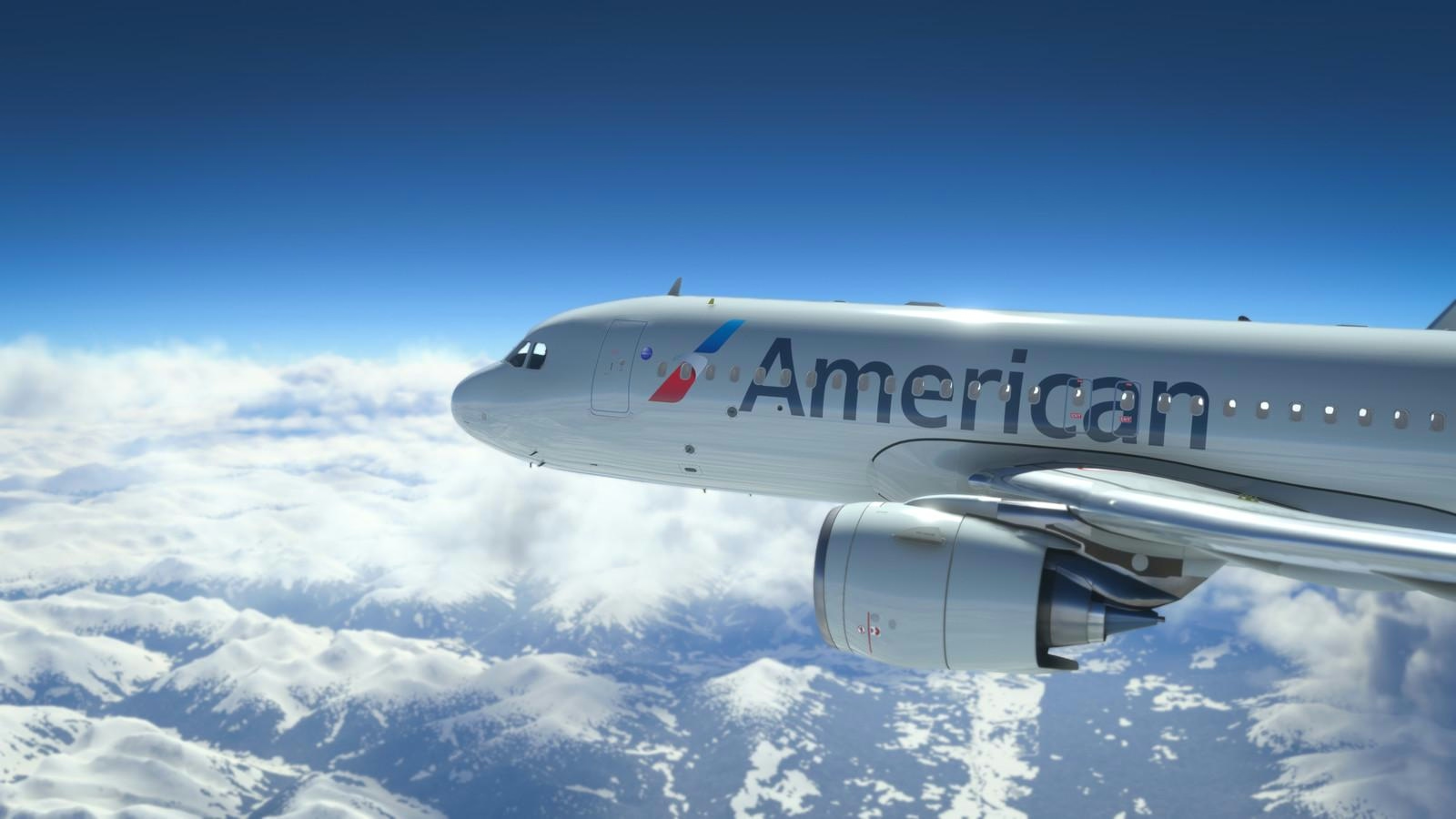
American Airlines Flight Returns to Myrtle Beach Following Engine Fire Caused by Bird Strike
Incident Overview
Bird strikes remain a persistent hazard in aviation, with the United States reporting up to 60 such incidents daily. While most result in minimal disruption, a recent flight operated by American Airlines experienced a more severe consequence when a bird strike ignited visible flames in one of its engines, necessitating an emergency return to the departure airport.
Flight 1760 departed Myrtle Beach at 8 a.m., bound for Charlotte Douglas International Airport. Shortly after takeoff, as the aircraft ascended over open water, passengers and air traffic controllers observed flames and sparks emanating from the left engine. One passenger recounted the experience, describing a loud bang followed by significant rumbling that prompted her to ask her husband to cover their daughter’s ears. Video footage captured from inside the cabin showed flames shooting from the engine against the backdrop of the Atlantic Ocean.
Air traffic control personnel also witnessed birds striking the engine, leading the pilot to issue a “Mayday” distress call. The aircraft, a Boeing 787-8 Dreamliner, remained airborne for only 36 minutes before safely returning to Myrtle Beach. Thanks to the prompt and coordinated response of the flight crew and air traffic controllers, all passengers disembarked without injury.
Investigation and Aftermath
Following the emergency landing, American Airlines immediately removed the aircraft from service for a comprehensive inspection. Maintenance teams discovered significant bird remains and feathers within the affected engine. Although ground-based video footage showed intermittent flames and sparks, airline officials emphasized that there was no indication of a sustained engine fire.
The incident has prompted heightened scrutiny of American Airlines’ safety protocols and emergency response measures. Regulatory authorities are expected to investigate the airline’s handling of the event, which may lead to operational disruptions as the damaged aircraft undergoes repairs. Passengers impacted by the emergency landing were rebooked on alternate flights, though some chose to make different travel arrangements.
Broader Implications for the Aviation Industry
This event raises broader concerns within the airline industry regarding the risks posed by bird strikes. American Airlines may face reputational challenges as public confidence in flight safety is tested. Competitors might leverage the situation to underscore their own safety records in an effort to reassure travelers. Financial repercussions are also possible, including compensation claims from affected passengers and costs related to emergency response and aircraft maintenance.
Historically, bird strikes have posed serious risks to aviation safety. The deadliest U.S. incident occurred in 1960 when Eastern Air Lines Flight 375 crashed after colliding with a flock of starlings, resulting in 62 fatalities. Although such tragedies are rare, the recent American Airlines incident highlights the ongoing challenges airlines face in mitigating unpredictable hazards to ensure passenger safety.
American Airlines has reaffirmed its commitment to safety and is cooperating fully with authorities as investigations continue, aiming to prevent similar incidents in the future.
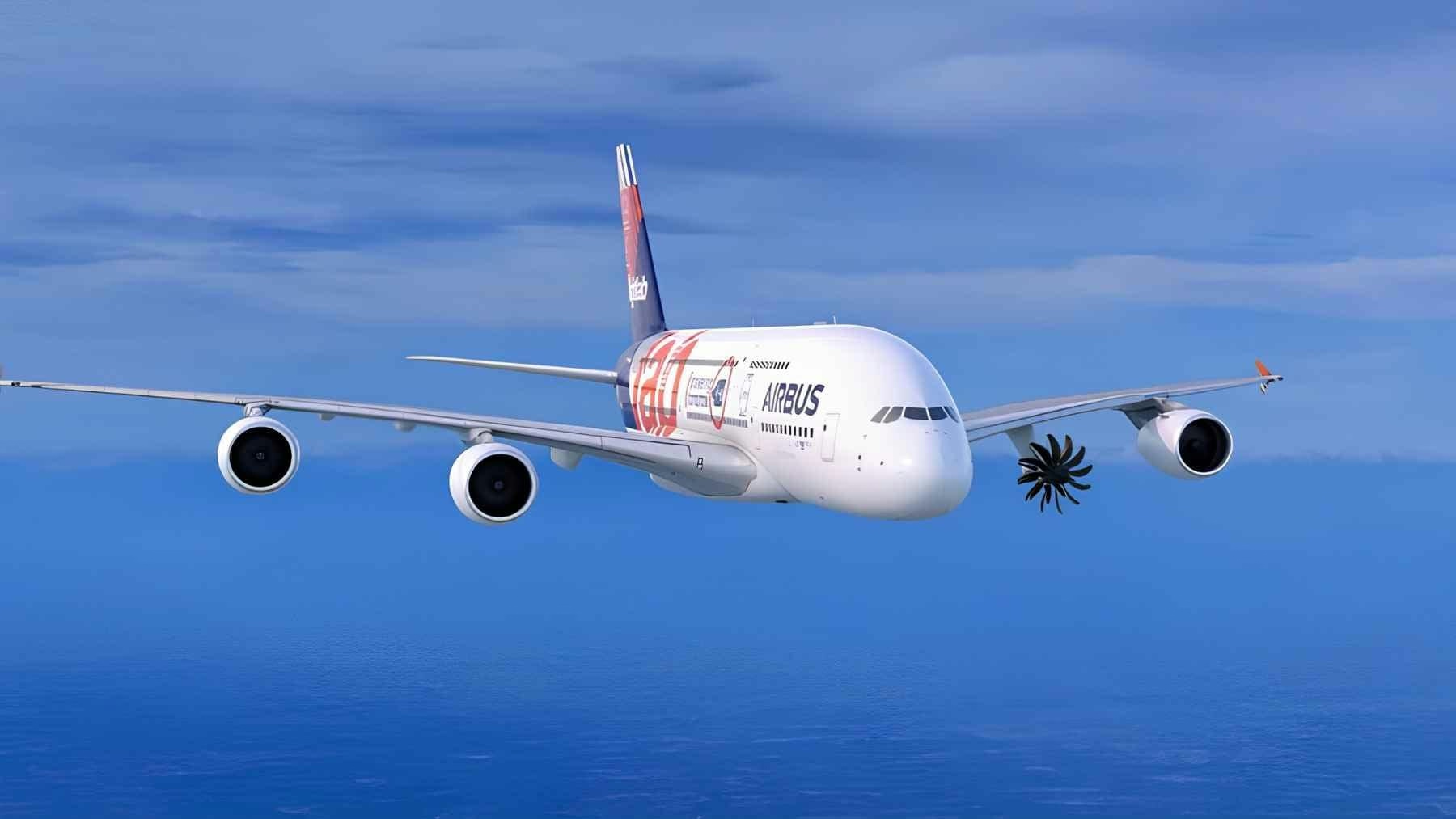
Airbus Tests Uncased Engine Fan on A380, Raising Noise and Safety Concerns
Shortest and Longest Flights of the Airbus A350
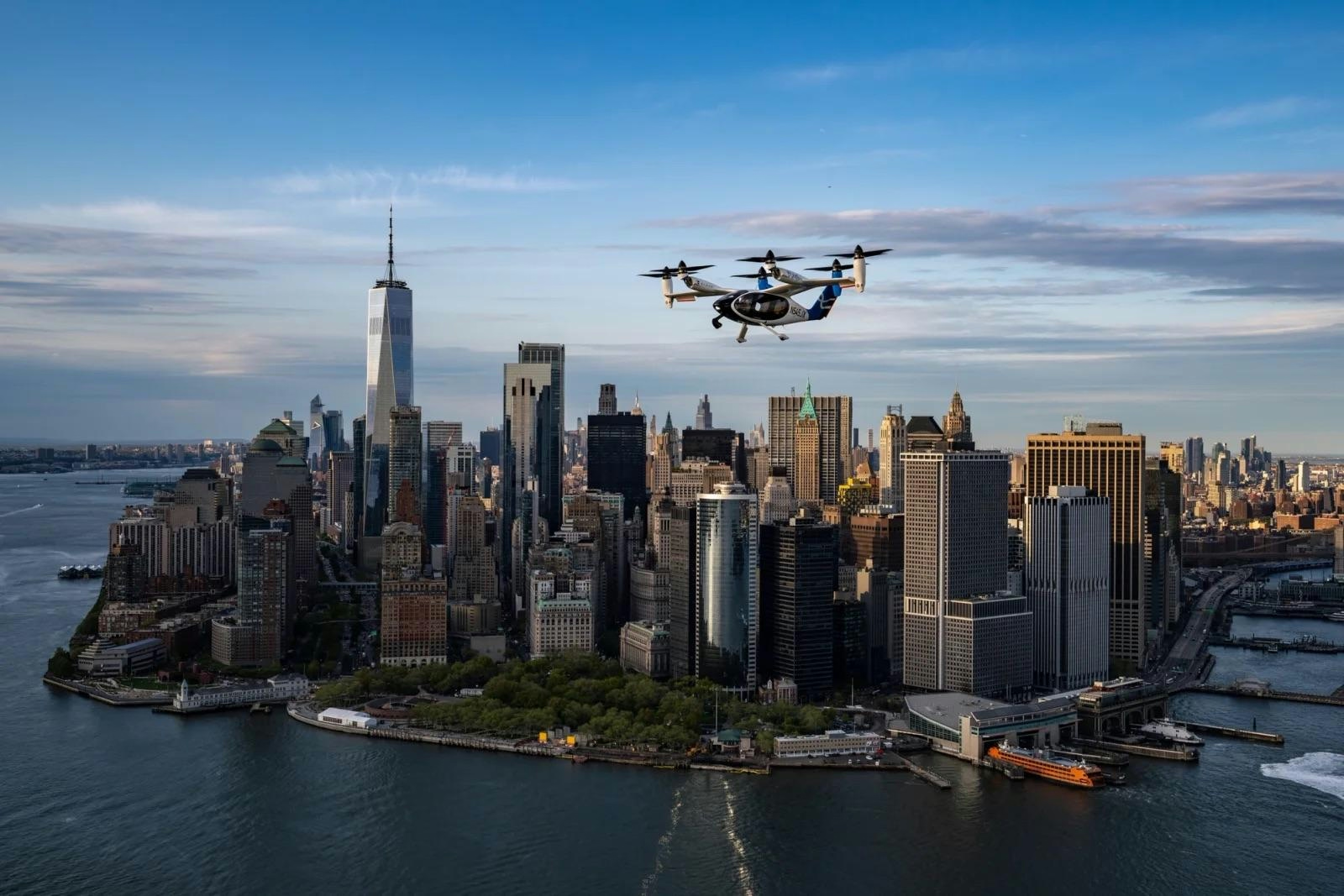
FAA Projects 24,600 Advanced Air Mobility Flights in First Year
Fort Worth Leases Space at Alliance Airport for Air Taxi Manufacturing and Testing
Joby Secures $500 Million Defense Contract
Southwest Adds Two CEOs to Board of Directors

AerFin and Lufthansa Technik Reach Component Supply Agreement

Safety Travels Uses AI Assistant to Streamline Flight Booking and Combat Online Fraud
The Impact of AI on the Global Aviation Industry
Vietnam’s Sun PhuQuoc Airways to Receive Eight Airbus A330s by April 2027
