
将人工智能洞察转化为可执行行动

热门趋势
Categories
Archer and Anduril Introduce Autonomous Aircraft Platform for Defense and Commercial Use
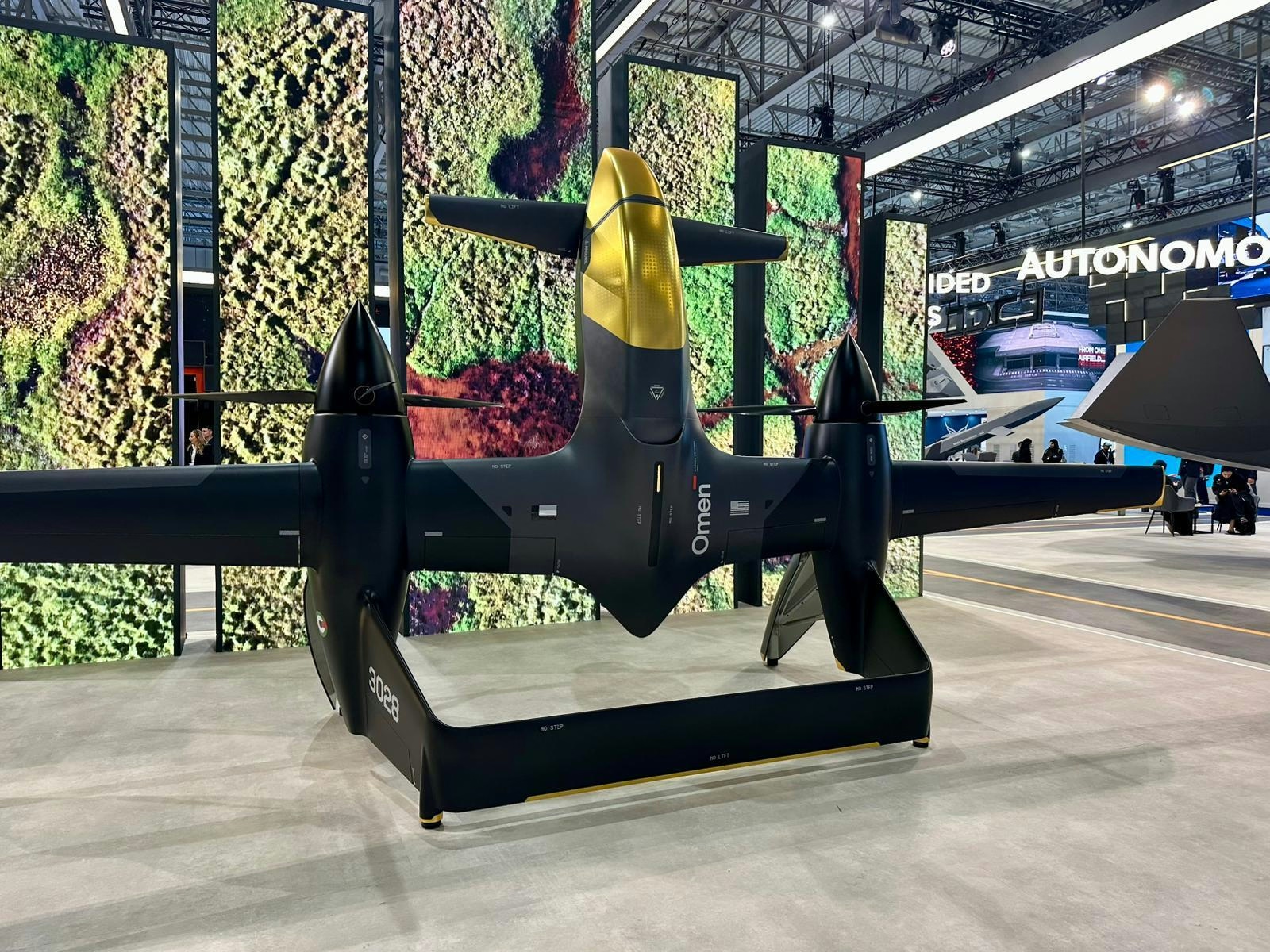
Archer and Anduril Launch Autonomous Aircraft Platform for Defense and Commercial Applications
At the Farnborough Airshow in England, Archer Aviation and defense technology firm Anduril jointly unveiled a new autonomous aircraft platform designed to serve both military and commercial markets. This collaboration, initiated in 2024, reflects a growing trend among aerospace startups to form strategic partnerships aimed at reducing development costs and accelerating the path to commercialization.
A Dual-Use Platform Tailored to Specific Needs
The defense-oriented variant, named Thunder, was prominently showcased by Anduril. Classified as a Group 5 autonomous attack rotorcraft, Thunder is engineered to operate alongside current and future crewed attack and assault aircraft. It offers advanced capabilities tailored to military missions, including strike operations and remote logistics in challenging environments. The aircraft incorporates a series hybrid-electric powertrain and tilt rotors with variable rotor speeds, enhancing its versatility across diverse flight conditions.
Archer’s CEO, Adam Goldstein, highlighted the deliberate and customer-focused design approach behind the platform. He emphasized that the aircraft was developed in response to clearly identified operational needs rather than adapting existing models. “Anduril has done a very good job of identifying needs and then building ahead of those needs before programs ever get announced… They identified a need, and we built a very specific aircraft for that need,” Goldstein stated. This approach underscores the importance of tailoring products to specific mission profiles, particularly for large-scale defense applications.
Expanding Horizons Beyond Urban Air Mobility
While Archer is widely recognized for its electric air taxis, the company plans to reveal a commercial variant of the platform and announce initial customers shortly. This move signals a strategic diversification beyond the urban air mobility sector, which has encountered significant challenges including certification delays, infrastructure limitations, and substantial capital requirements. The commercial version aims to address broader market demands, potentially encompassing cargo transport and other heavy-duty applications.
Shane Arnott, Anduril’s senior vice president of programs and engineering, noted that Thunder is designed to complement existing military rotorcraft such as the Apache and armed reconnaissance helicopters. The platform’s autonomous capabilities and hybrid-electric propulsion system position it as a flexible asset for both defense and commercial operators.
Market Reception and Future Challenges
The announcement has been met with enthusiasm from investors and defense contractors, who recognize the platform’s potential to deliver cost-effective and efficient autonomous operations. Its ability to integrate with existing military systems while reducing attrition risks has been particularly well received, positioning Thunder as a formidable competitor in the evolving aerospace landscape. This development is likely to prompt accelerated innovation among rival firms seeking to maintain their market share.
Nonetheless, Archer and Anduril face significant regulatory challenges, especially within defense markets where approval processes are rigorous and complex. Successfully navigating these hurdles will be essential for the platform’s widespread adoption and sustained impact.
As the air taxi industry increasingly explores hybrid-electric propulsion to enhance range and operational flexibility, the Archer-Anduril collaboration represents a strategic effort to broaden the application of autonomous aircraft technology. By addressing the evolving needs of both defense and commercial aviation sectors, the partnership aims to capitalize on emerging opportunities beyond traditional urban air mobility.

Etihad and Swissport Extend Global Partnership
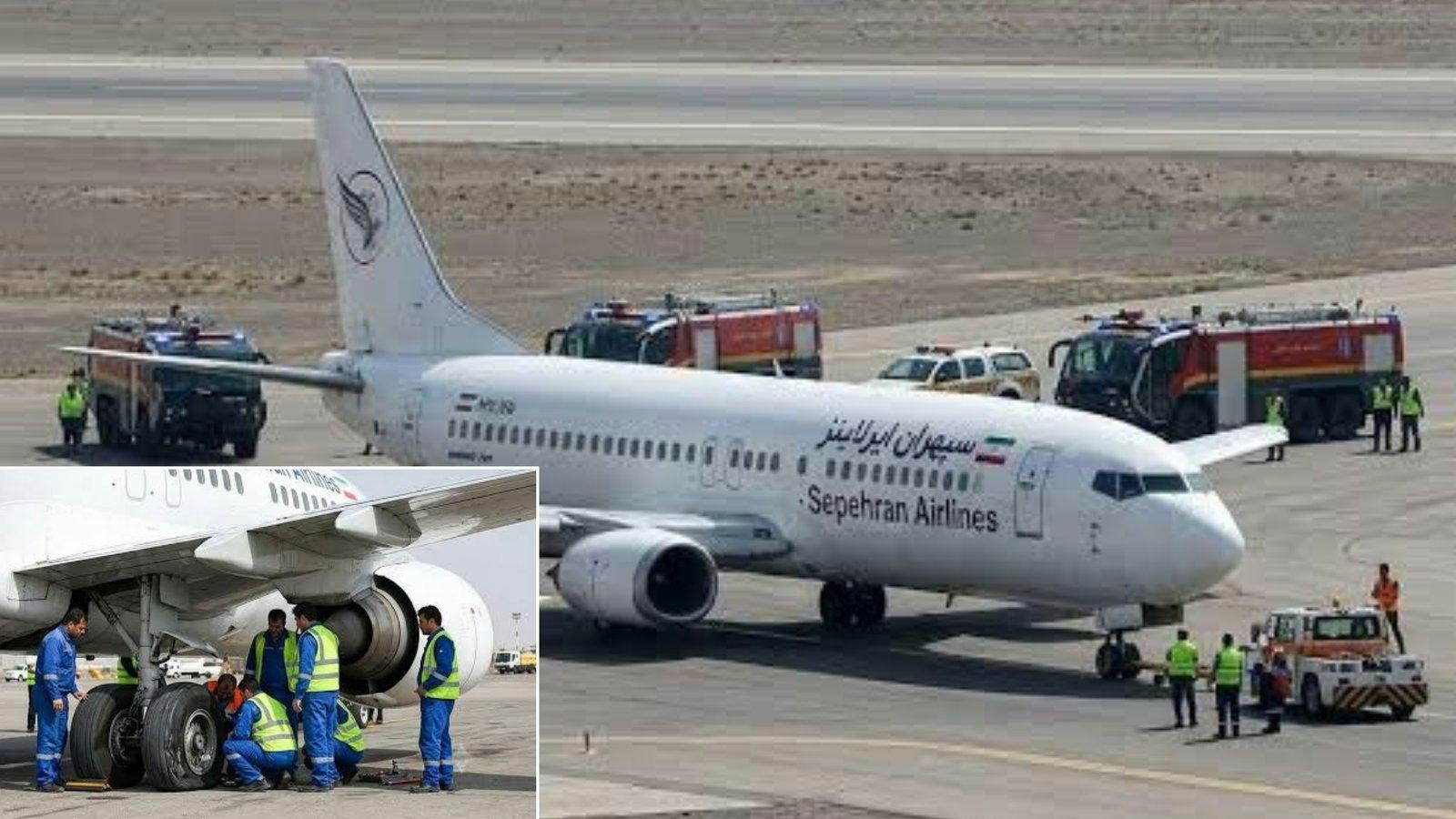
Sepehran Airlines B737 Returns to Mashhad After Tyre and Engine Issues

Etihad Deploys Widebody Fleet to Meet Strong Demand

Korean Air Finalizes $36.2 Billion Deal with Boeing
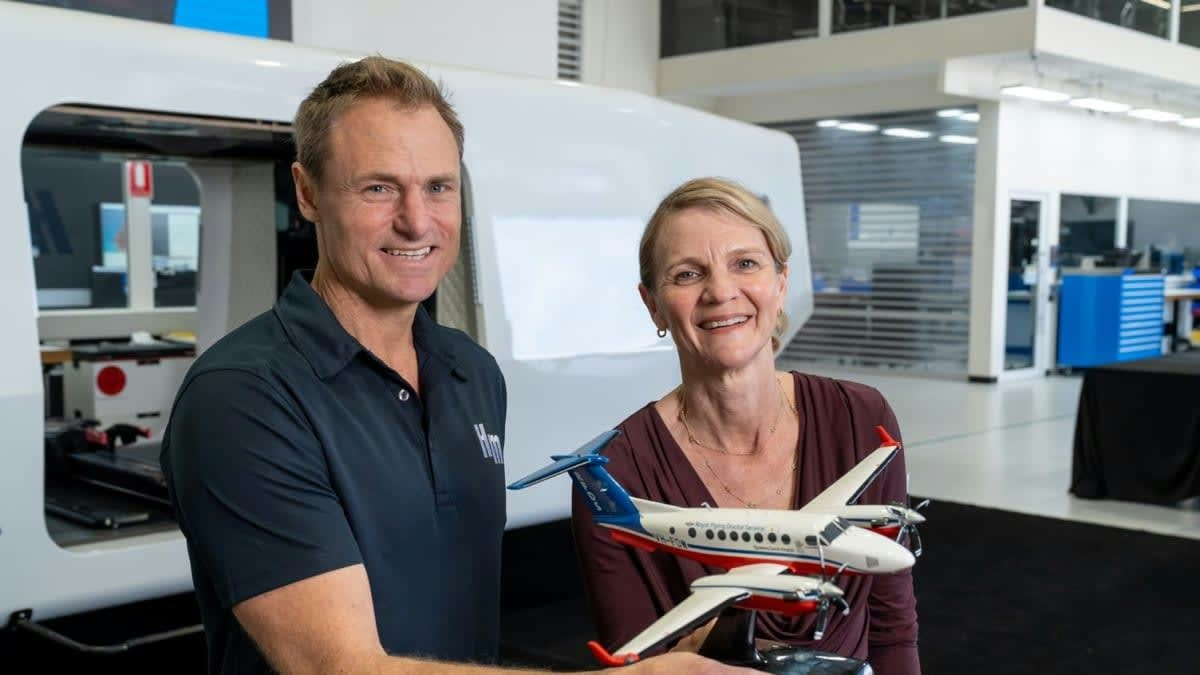
Australia’s RFDS Queensland Section Orders Six King Air 260Cs
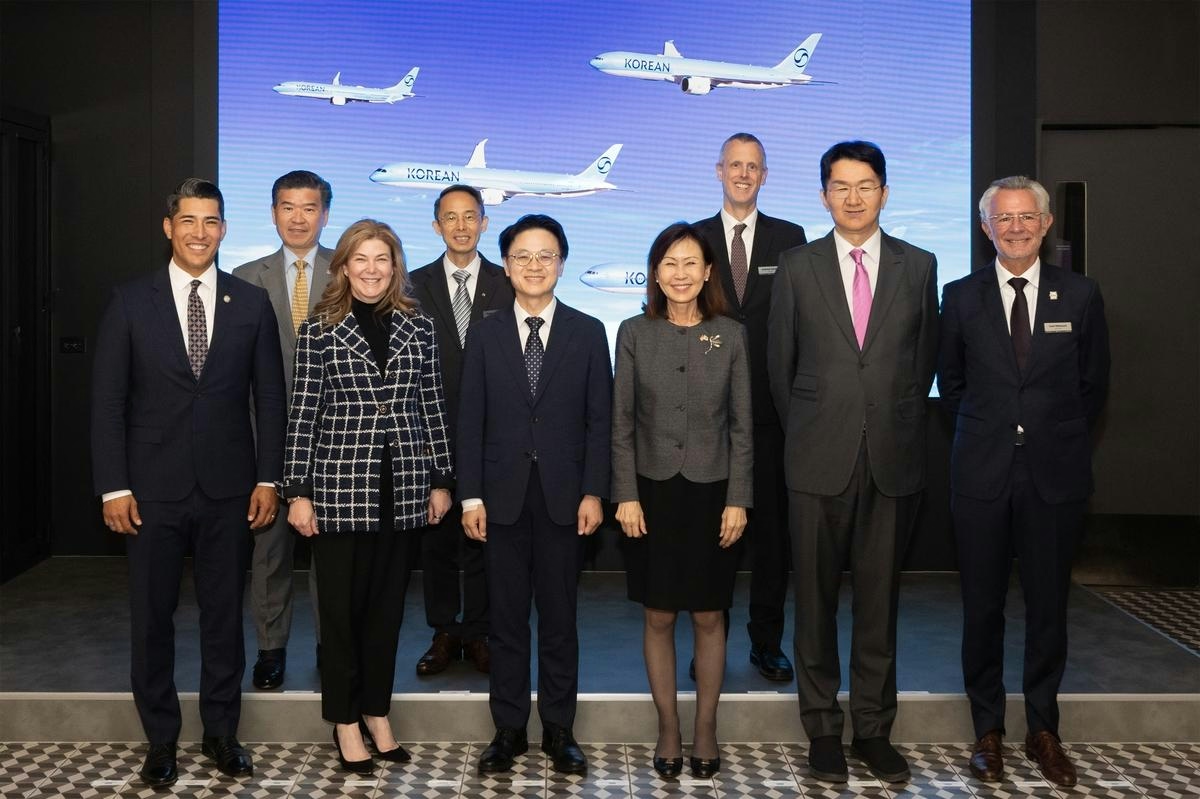
Korean Air Finalizes Order for 103 Boeing Jets and Engines
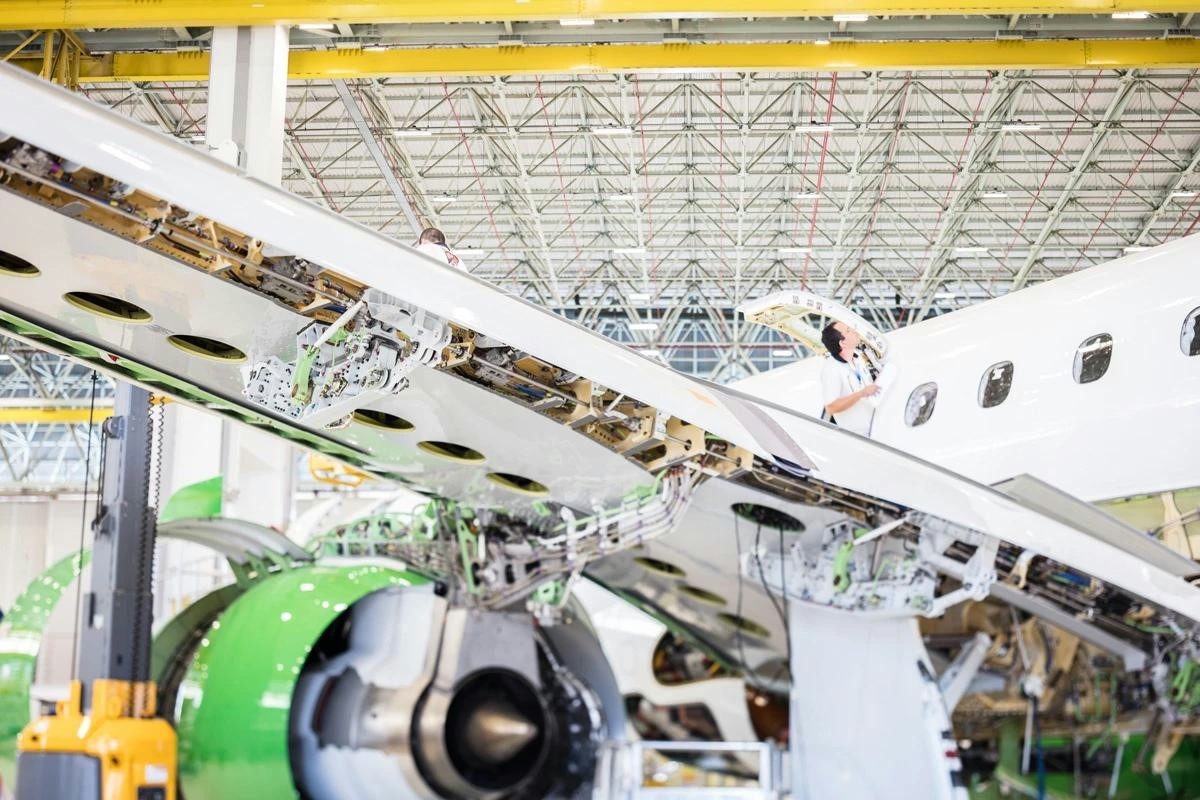
Embraer E195-E2 Features Distinctive Engine Placement Among Regional Jets
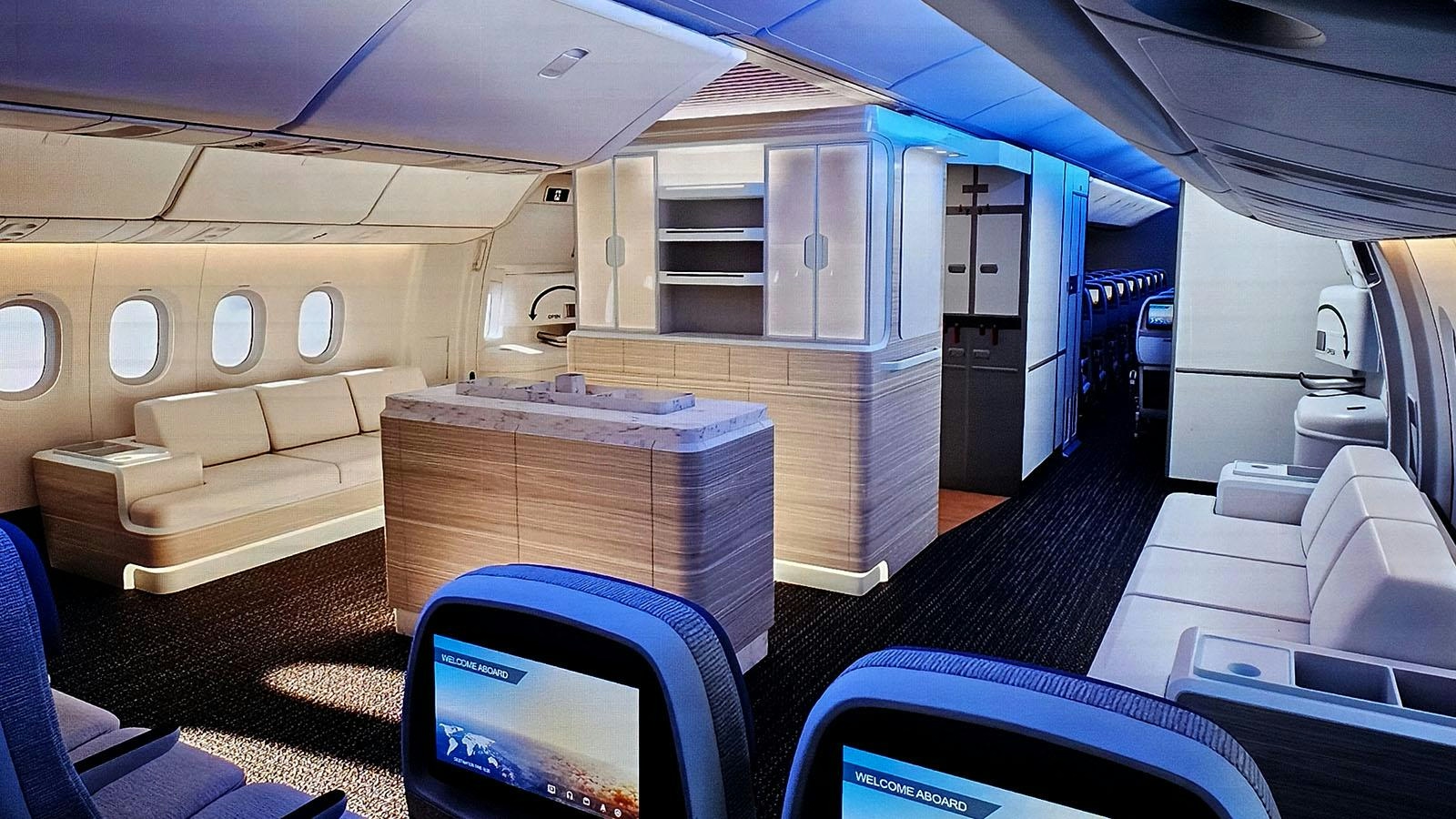
What Passengers Can Expect on Boeing’s New 777X Jet
How Ethiopian Airlines Became Africa’s Leading Carrier Amid Gulf Competition
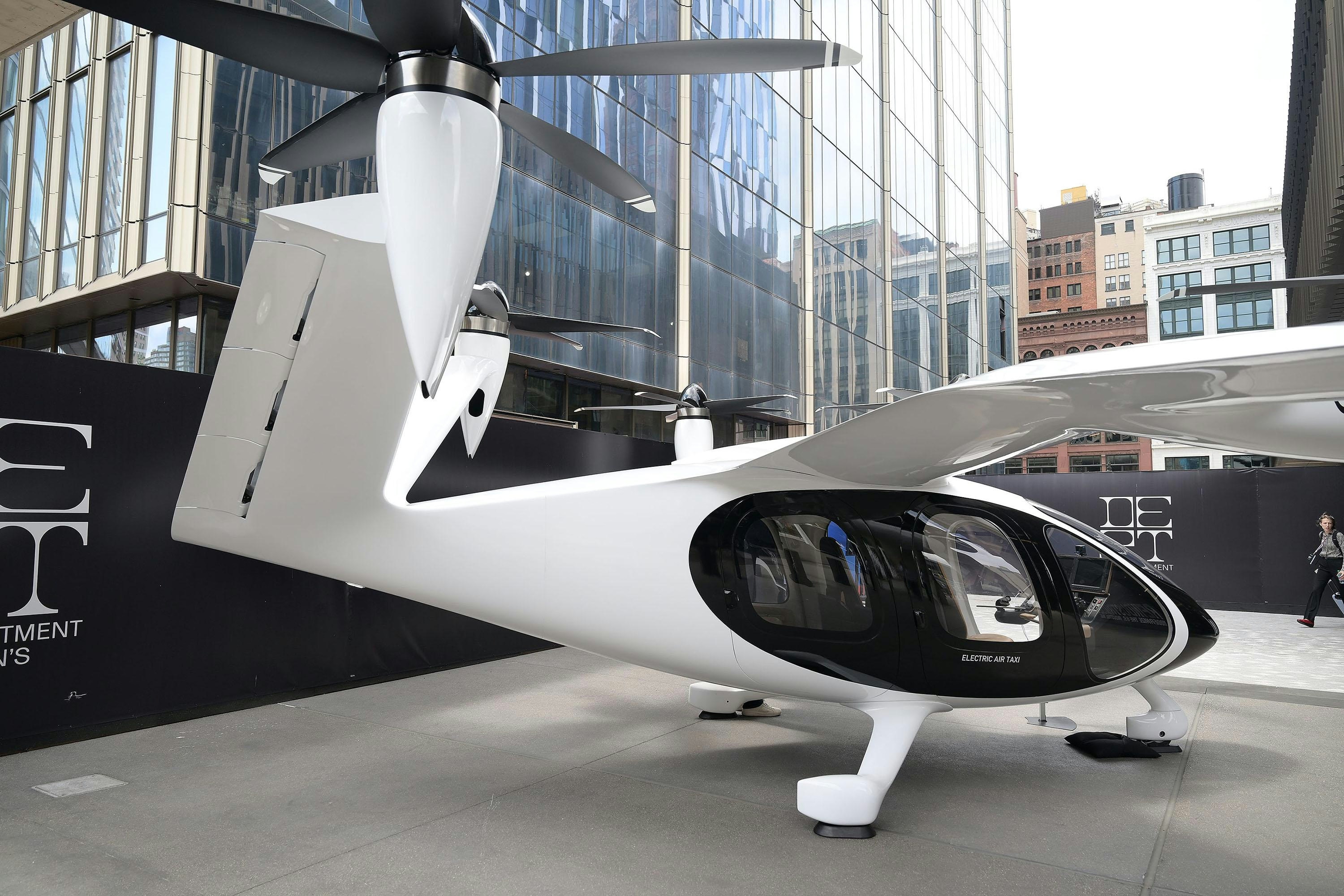
Joby Aviation Extends Autonomous Flight Capabilities with Cross-Country Tour
