
将人工智能洞察转化为可执行行动

热门趋势
Categories
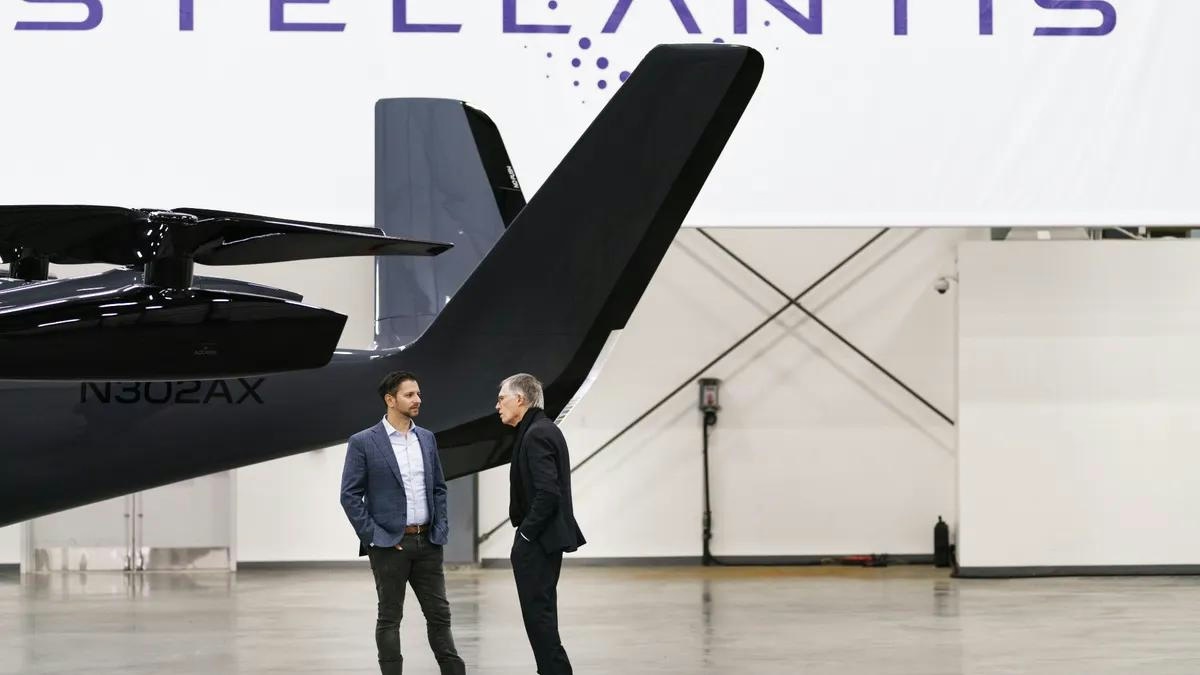
Automakers Accelerate Efforts in Electric Aviation
Automakers Accelerate Efforts in Electric Aviation
Rising Competition in a Growing Market
Chinese startups and established global competitors are intensifying their efforts to dominate the emerging market for electric aircraft motors, anticipating rapid expansion in the coming years. Domestic companies in China have surged into this sector, supported by Beijing’s commitment to developing the “low-altitude economy,” which includes drones, electric vertical takeoff and landing aircraft (eVTOL), and electric fixed-wing planes. This strategic focus reflects a broader ambition to lead innovation in electric aviation and capitalize on new transportation modalities.
Strategic Diversification and Industry Challenges
Automakers are increasingly seeking to diversify beyond traditional vehicles by leveraging their expertise in battery technology and large-scale manufacturing. Industry leaders such as General Motors are exploring ways to adapt existing infrastructure and supply chains to meet the specific demands of electric flight. At the same time, companies like Tesla face significant challenges in scaling production and maintaining their competitive edge amid intensifying rivalry.
Despite the enthusiasm, the path to widespread adoption of electric aviation remains complex. Developing reliable, lightweight, and high-performance electric motors requires substantial investment in research and development. Additionally, manufacturers must navigate stringent certification processes imposed by aviation authorities worldwide. The high initial costs and the need for extensive supporting infrastructure, including charging networks and maintenance facilities, further complicate the sector’s growth trajectory.
Market Dynamics and Policy Implications
Investor sentiment toward electric aviation is mixed. While some view the sector as a promising long-term growth opportunity capable of reshaping transportation, others remain cautious due to uncertainties surrounding adoption timelines and potential regulatory obstacles. The competitive landscape is evolving rapidly, with traditional automakers leveraging their scale and technological expertise, while startups emphasize agility and innovation to capture market share.
Policy developments add another layer of complexity. Recent changes to Canada’s electric vehicle policies and the prospect of new U.S. tariffs could influence strategic decisions and investment flows within the industry. As automakers and motor manufacturers accelerate their push into electric aviation, they must carefully navigate a multifaceted environment shaped by technological, regulatory, and market challenges. The outcome of this race will have significant implications not only for the future of aviation but also for the broader global transportation sector.

Etihad Airways Suspends Airbus A380 Flights on Key Route

Aditya Birla Group Seeks Approval for Aircraft Leasing in GIFT City

Qatar Airways Highlights Innovation and Connectivity at Arabian Travel Market 2026

Hong Kong's Five-Year Plan Includes Andrew Fan's Aircraft Parts Processing Hub Proposal

ACIA Aero Leasing Delivers ATR72-600 to Air Nostrum

RTX Appoints Jill Albertelli as Head of Pratt & Whitney

TAT Technologies Joins Beyond Aero Hydrogen Aircraft Program

AURAK Study Highlights Barriers to Air Taxi Adoption in Emerging Economies

Xiamen Air Selects Altitude for 787 Maintenance at Heathrow

Etihad and Swissport Extend Global Partnership
