图像

将人工智能洞察转化为可执行行动

立即加入 AeroGenie 候补名单!

热门趋势

Categories

Azul Airlines and Major Carriers Revamp Widebody Fleets to Cut Costs and Expand Long-Haul Routes
July 10, 2026By ePlane AI
Azul Airlines and Major Carriers Revamp Widebody Fleets to Cut Costs and Expand Long-Haul Routes
0
0
Azul Brazilian Airlines
Widebody Fleet Renewal
Long-Haul Operations

Azul Airlines and Major Carriers Revamp Widebody Fleets to Cut Costs and Expand Long-Haul Routes

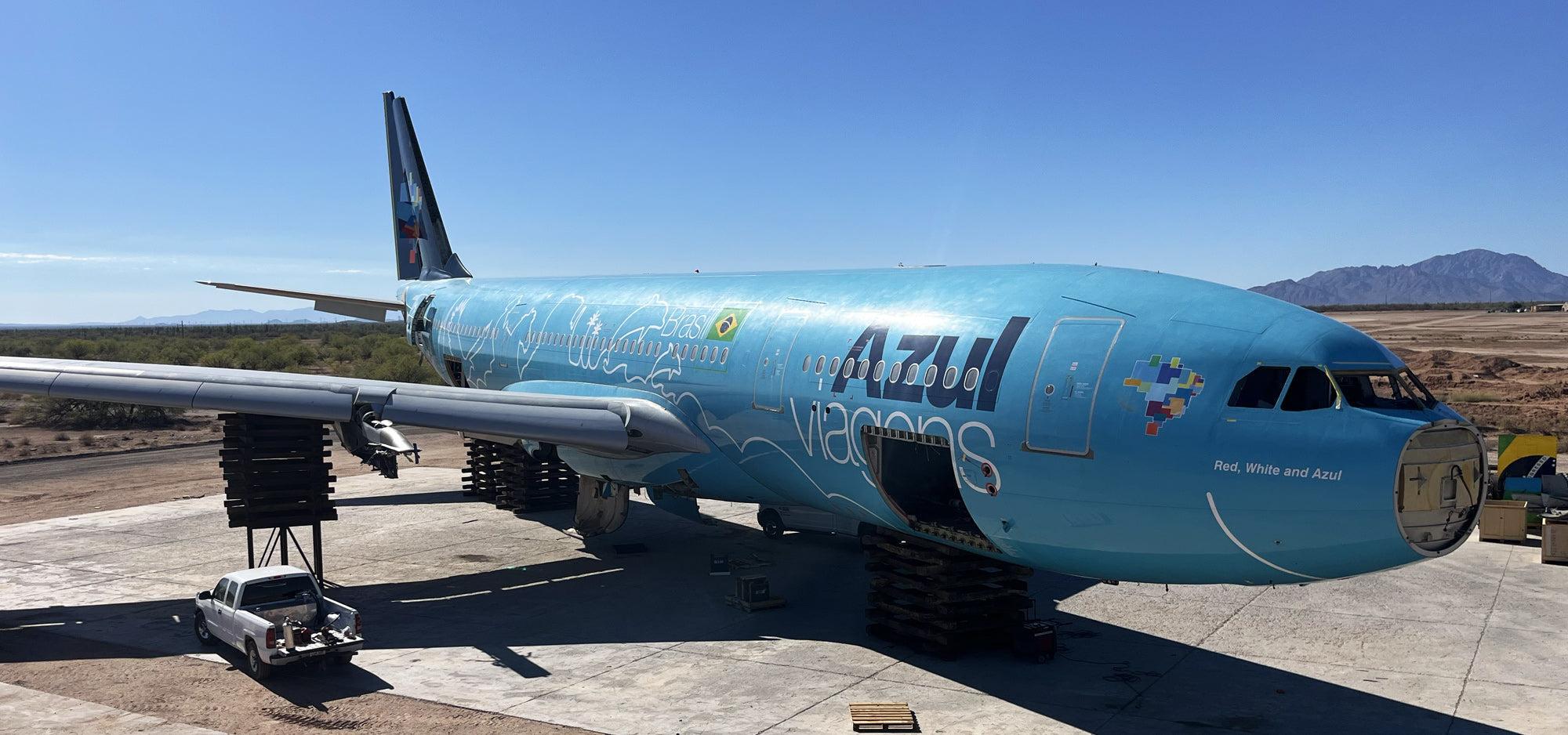
Azul Brazilian Airlines is spearheading a significant transformation within the global aviation sector, aligning with major international carriers such as Scandinavian Airlines (SAS), Air India, Philippine Airlines, and Lufthansa in overhauling their widebody fleets. This widespread industry initiative aims to reduce operational costs, stimulate long-haul growth, and redefine the landscape of international air travel. Airlines are retiring older aircraft, renegotiating costly leases, and investing in more fuel-efficient models to enhance long-term competitiveness amid an increasingly challenging market environment.

For passengers, these developments promise enhanced reliability, modernized cabin experiences, and broader international connectivity. For the airlines themselves, the focus remains on establishing more sustainable and competitive long-haul operations in the face of intensifying global competition.

Azul’s Strategy: Financial Recovery and Lease Renegotiations

Following its successful Chapter 11 restructuring earlier this year, Azul has entered a critical phase of financial recovery. The airline emerged from bankruptcy protection in February after eliminating approximately US$2.5 billion in debt and lease obligations. Building on this foundation, Azul is now renegotiating leases on its Airbus A330 fleet to secure substantially lower payments. This strategy is designed to improve liquidity and support long-term growth across its international network.

Unlike some carriers that have scaled back international services, Azul is collaborating closely with lessors to maintain its widebody fleet. This approach preserves vital connectivity to key markets while reducing fixed operating expenses. By focusing on operational optimization and profitability rather than retrenchment, Azul aims to strengthen its position in the competitive long-haul market.

Global Fleet Renewal and Competitive Dynamics

Azul’s initiatives reflect a broader trend among leading airlines worldwide. Scandinavian Airlines, having also emerged from Chapter 11, is replacing its aging A330s with 18 new Airbus A330-900neos as part of a US$10 billion fleet renewal program. Air India is retrofitting 40 legacy Boeing 787 and 777 widebodies and is evaluating the acquisition of additional Airbus A350s and Boeing 777Xs to support its long-haul expansion plans. Philippine Airlines is preparing to replace older A330s and expand its long-haul operations with new Boeing 787-10s and Airbus A350-1000s. Meanwhile, the Lufthansa Group continues its widebody renewal by adding more Airbus A350-900s and Boeing 787-9s while retiring older aircraft.

In North America, American Airlines is actively pursuing a major widebody order from Boeing or Airbus to remain competitive with Delta and United, both of which have already placed significant aircraft orders. This intensifying competition among U.S. carriers could have implications for Azul, particularly as these airlines expand their international routes into markets where Azul operates.

Market Consolidation and Emerging Challenges

The competitive environment is further influenced by consolidation among European airline giants such as Lufthansa, Air France-KLM, and International Airlines Group. This trend toward greater market concentration may pose additional challenges for Azul, as larger carriers leverage their scale to dominate key international routes and negotiate more favorable terms with aircraft manufacturers and lessors.

The Future of Long-Haul Aviation

As airlines worldwide modernize their widebody fleets, the aviation industry is entering a new era characterized by enhanced efficiency, sustainability, and global connectivity. Azul and its peers face the ongoing challenge of navigating rising competition and market consolidation while striving to deliver improved service and value to passengers. The decisions made in this transformative period will significantly influence the future of long-haul aviation for millions of travelers around the world.
More news
Farnborough 2026 Highlights eVTOLs and Aircraft Innovation

Farnborough 2026 Highlights eVTOLs and Aircraft Innovation

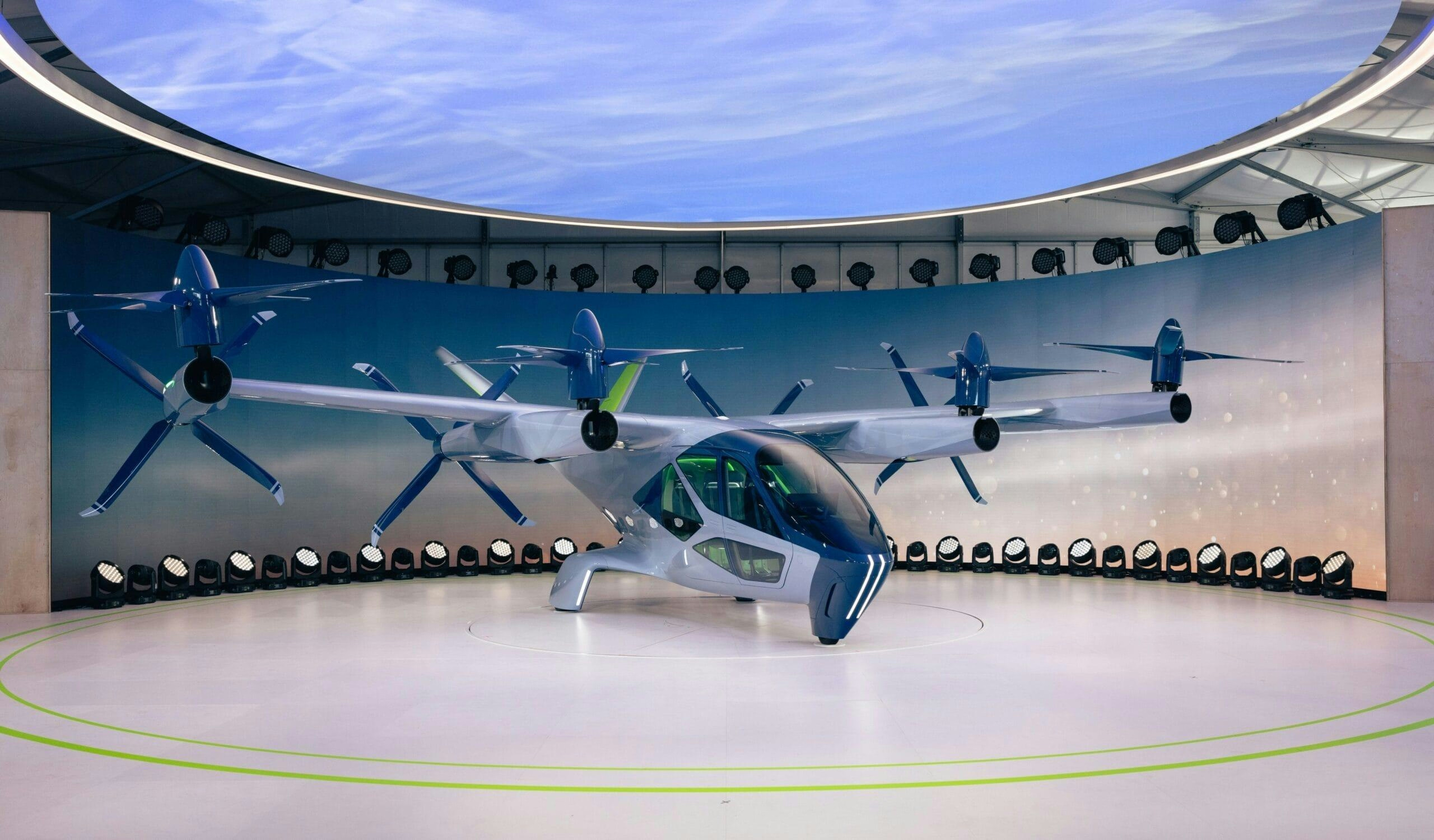
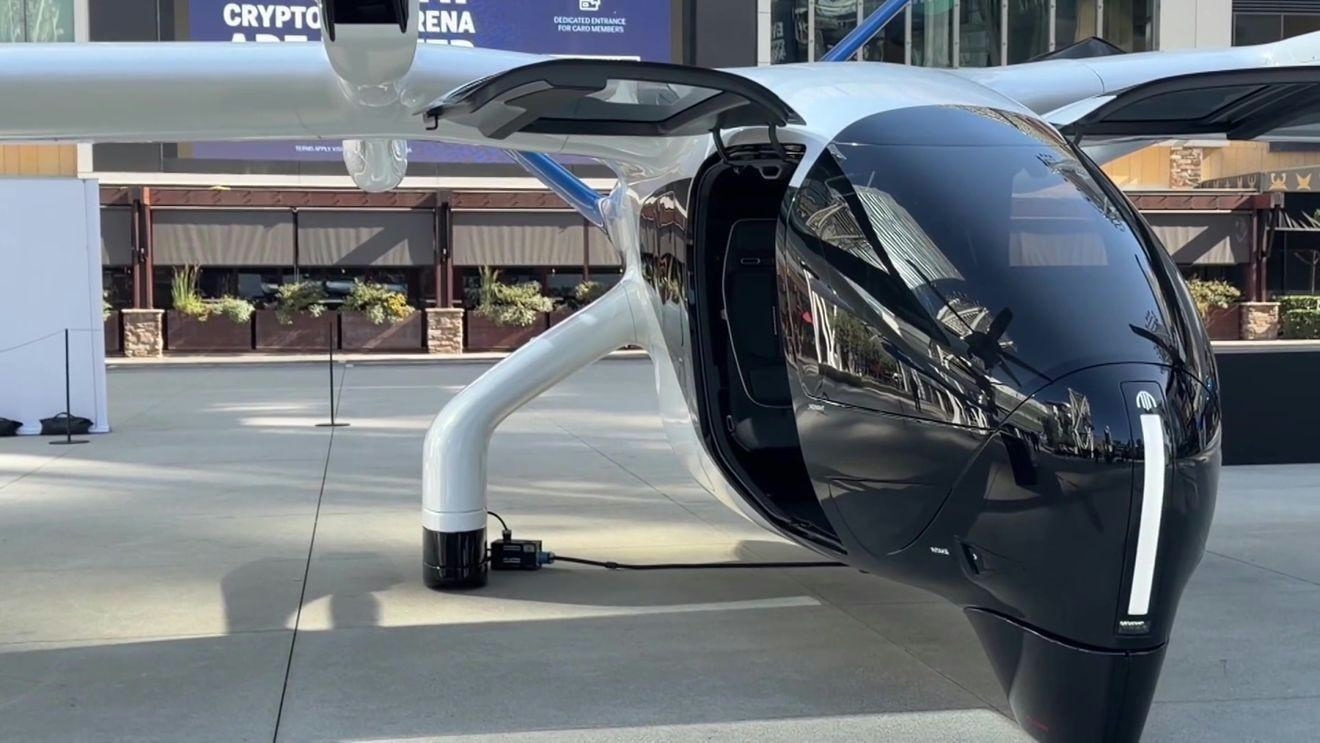
Farnborough 2026 Highlights eVTOLs and Aircraft Innovation Farnborough, United Kingdom — The Farnborough International Airshow 2026, scheduled for July 20–24, will place the future of aviation firmly in the spotlight. This prestigious event will showcase electric vertical take-off and landing (eVTOL) aircraft, advanced air mobility concepts, and next-generation aviation platforms, reflecting the aerospace industry's ongoing transformation. Hosted in Hampshire, the airshow will emphasize the sector’s commitment to cleaner propulsion systems, smarter aircraft designs, and innovative methods of connecting people and places. For aviation professionals, enthusiasts, and prospective travelers alike, Farnborough 2026 offers more than a traditional aircraft exhibition. It provides a forward-looking perspective on how air travel may evolve over the coming decades. The event will feature quieter electric aircraft designed for short-haul routes alongside highly efficient commercial jets aimed at revolutionizing long-distance travel. This convergence highlights a period of rapid change driven by sustainability, technological advancement, and enhanced passenger experience. Advanced Aviation Technology on the Global Stage Farnborough 2026 will convene a diverse array of participants, including aircraft manufacturers, aerospace innovators, government representatives, airlines, and technology firms from across the globe. The aircraft program will present a blend of conventional aviation platforms and emerging advanced air mobility technologies, underscoring the growing significance of next-generation aviation solutions. Organizers have positioned the event as a premier showcase of aerospace progress, bringing together industry leaders to demonstrate the capabilities shaping the future of flight. Among the most anticipated technologies are eVTOL aircraft, which are being developed as potential solutions for urban and regional air mobility challenges. Unlike traditional airplanes that require runways, eVTOLs utilize electric propulsion to take off and land vertically, enabling new possibilities for urban air mobility services, airport transfers, short regional flights, emergency response operations, and cargo transportation. The UK government has identified advanced aviation technologies as a cornerstone of its future transport strategy. The Department for Transport’s Future of Flight Action Plan supports the development of these emerging technologies while maintaining rigorous safety standards. The plan envisions initial passenger and cargo eVTOL operations commencing by 2028, signaling a significant milestone for the sector. Electric Aviation Progress and Industry Response A key highlight of Farnborough 2026 is expected to be the BETA Technologies CX300, exemplifying the industry’s drive toward cleaner and more efficient flight. Developers of electric aircraft are focused on reducing emissions, lowering operating costs, and delivering quieter aviation experiences. The inclusion of electric aircraft in the airshow’s flying display signals the growing mainstream acceptance of alternative propulsion technologies within aerospace. Nonetheless, the transition to advanced air mobility faces notable challenges. Infrastructure capacity remains a critical concern, as highlighted by Signature Aviation CEO Tony Lefebvre in a recent Aviation Week survey. Additionally, battery performance and certification requirements continue to pose significant obstacles to the widespread adoption of electric aviation. Despite these hurdles, market responses to eVTOLs have been increasingly positive. Indonesia recently approved AutoFlight’s V2000CG, while Eve 100 is preparing for low-speed transition flights. Industry competitors are also advancing their programs: Dassault has conducted test flights of its Falcon 10X business jet, and General Atomics plans to integrate Vaeridion’s batteries into its drone platforms. As Farnborough 2026 approaches, the event promises to underscore not only the potential of eVTOLs and electric aircraft but also the collaborative efforts and competitive dynamics propelling the next era of aviation innovation.
Ryanair Passenger Injured After Midair Engine Failure Causes Cabin Window Damage

Ryanair Passenger Injured After Midair Engine Failure Causes Cabin Window Damage

Ryanair Passenger Injured Following Midair Engine Failure and Cabin Window Damage A Ryanair Boeing 737-800 operating flight FR1879 from Thessaloniki, Greece, to Memmingen, Germany, was compelled to return to Thessaloniki early this morning after a sudden engine failure caused debris to shatter a cabin window. The incident resulted in one passenger sustaining injuries after being partially pulled toward the broken window before the crew successfully stabilized the situation. Details of the Incident The flight, operated by Malta Air on behalf of Ryanair and registered as 9H-QEU, departed Thessaloniki Airport at 6:12 AM local time, slightly delayed from its scheduled 5:55 AM departure. Shortly after takeoff, as the aircraft ascended to approximately 16,000 feet, an abrupt engine failure occurred. Debris from the malfunction struck and dislodged a passenger window, causing rapid decompression. Reports from multiple sources, including Euronews and The Mirror, indicate that a male passenger seated near the damaged window was partially sucked out, with his head and shoulders pulled toward the opening. In response, oxygen masks were deployed throughout the cabin. The flight crew promptly relocated passengers seated near the affected window and declared an emergency. Airport emergency services were alerted and prepared for the aircraft’s return. Emergency Response and Landing The pilots initiated a controlled descent, burning off excess fuel to reduce landing weight. The aircraft safely touched down back in Thessaloniki at 7:08 AM, approximately 45 minutes after the incident began. Ryanair confirmed that the injured passenger received immediate medical attention upon landing and was transported to a local hospital for further treatment. In an official statement, Ryanair said: "A Ryanair flight from Thessaloniki to Memmingen returned to Thessaloniki shortly after takeoff when a passenger window dislodged inflight. The aircraft landed normally, and passengers returned to the terminal." Authorities have launched an investigation into the cause of the engine failure and the resulting window damage. The swift and coordinated response of the flight crew and emergency services was critical in ensuring the safety of all onboard. Passenger Continuation and Ongoing Investigation To minimize disruption, Ryanair arranged for a replacement aircraft, enabling the remaining passengers to continue their journey to Memmingen with a delay of approximately four hours. The airline reiterated its commitment to passenger safety and pledged full cooperation with investigators to determine the root cause of the incident. This rare and serious event underscores the importance of stringent safety protocols and the professionalism of flight crews in managing unforeseen emergencies. No additional injuries were reported among other passengers or crew members.
Airbus Develops Engine Aiming to Eliminate Aircraft Emissions

Airbus Develops Engine Aiming to Eliminate Aircraft Emissions

Airbus Develops Engine Aiming to Eliminate Aircraft Emissions Advancing Hydrogen Fuel Cell Technology in Aviation The aviation industry, responsible for approximately 2.5% of global carbon dioxide (CO₂) emissions, faces increasing pressure to reduce its environmental impact. In response, Airbus has embarked on an ambitious project to develop a hydrogen fuel cell engine designed to eliminate in-flight CO₂ and nitrogen oxide emissions. This initiative represents a significant step toward transforming air travel into a more sustainable mode of transportation. In collaboration with MTU Aero Engines, Airbus aims to replace conventional fossil fuel-powered jet engines with hydrogen fuel cell technology. The partnership will oversee the design, testing, and certification phases, with work scheduled to commence in 2027. This project forms a critical component of Airbus’s broader strategy to promote hydrogen-powered flight and drive the aviation sector toward cleaner operations. Progress and Challenges in Hydrogen-Powered Flight The new engine development builds on momentum generated at the Airbus Summit last year, where the company updated its roadmap for the ZEROe program—Airbus’s long-term initiative to create its first hydrogen-powered commercial aircraft. Since the program’s launch in 2020, Airbus has completed multiple rounds of component testing and plans to begin ground testing in 2027. After evaluating various hydrogen propulsion concepts, the company selected fuel cells as the primary technology, following encouraging prototype results. Despite the promise of hydrogen propulsion, significant challenges remain. Key technological obstacles include efficient hydrogen storage and distribution systems, which are critical for practical implementation. Additionally, the high initial costs associated with developing and deploying hydrogen technology may impede rapid adoption. Regulatory hurdles also present complexities, as aviation authorities must rigorously certify the safety and reliability of hydrogen-powered engines before they can be integrated into commercial fleets. Industry and Market Responses Market reactions to Airbus’s hydrogen engine initiative have been mixed. Some investors express optimism about the long-term sustainability benefits and the potential for the aviation industry to substantially reduce its environmental footprint. Conversely, others voice concerns regarding the immediate economic feasibility of hydrogen technology and the difficulties involved in transitioning existing aircraft fleets. Competitors’ responses vary as well; some are exploring collaborative efforts to develop alternative green technologies, while others prioritize maintaining their current market positions. The success of the Airbus and MTU Aero Engines partnership will hinge on overcoming these technological and regulatory challenges, as well as securing market acceptance. As the ZEROe program advances, Airbus engineers continue to develop solutions that could usher in a new era of cleaner, hydrogen-powered flight.
AMAC Aerospace Launches New Training Academy

AMAC Aerospace Launches New Training Academy

AMAC Aerospace Launches New Training Academy AMAC Aerospace has unveiled AMAC Academy, a new aircraft maintenance training programme designed to cultivate highly skilled maintenance professionals through practical, industry-oriented instruction. Situated at EuroAirport Basel-Mulhouse-Freiburg, the academy is scheduled to welcome its first cohort in January 2027. Curriculum and Training Environment The academy operates within the facilities of AMAC Aerospace Switzerland AG and has been developed in strict compliance with EASA Part-147 and Swiss Federal Office of Civil Aviation (FOCA) standards. Its curriculum is tailored to prepare students for the EASA Part-66 Basic Licence, offering specialised pathways in Category B1.1, which covers mechanical systems and turbine engines, and Category B2, focusing on avionics. Training is conducted within AMAC Aerospace’s active operational environment, granting students direct access to aircraft, components, workshops, and seasoned aviation professionals. Delivered full-time in English, the programme combines theoretical classroom instruction with hands-on, real-world experience. Graduates will receive a Certificate of Recognition, which facilitates their application for an EASA Aircraft Maintenance Licence (AML) with reduced practical experience requirements. Notably, those completing the EASA Part-147 programme will be eligible to apply for the EASA Part-66 licence after four years, a year earlier than the standard five-year requirement. “Our training programmes are designed to fully meet all EASA Part-147 requirements and equip students and professionals with the knowledge, skills, and practical experience needed to succeed in today’s aviation industry,” stated Ruedi Kurz, Director of AMAC Academy, Training. Industry Context and Challenges The launch of AMAC Academy coincides with a rising demand for qualified aviation maintenance professionals. However, the academy enters a competitive landscape dominated by established training providers. To maintain its relevance, AMAC must ensure its curriculum evolves alongside rapid technological advancements in the aviation sector and attract a cadre of highly qualified instructors. Market reception is anticipated to be favourable, with growing interest from aviation enthusiasts and professionals seeking to advance their skills and career opportunities. This development may prompt competitors to enhance their own training offerings, potentially through curriculum updates or partnerships with technology firms to deliver more sophisticated training solutions. By integrating practical experience with rigorous academic standards, AMAC Academy aims to establish itself as a premier provider of aviation maintenance training in Europe, addressing both the needs of the industry and the evolving expectations of students and employers.
The Kalinin K-7: Stalin’s Seven-Engine Giant

The Kalinin K-7: Stalin’s Seven-Engine Giant

The Kalinin K-7: Stalin’s Seven-Engine Giant A Monumental Vision Takes Flight In the autumn of 1933, a remarkable aircraft emerged from a hangar on a grass airfield near Kharkiv, Ukraine. The Kalinin K-7 was less an airplane and more a colossal flying structure, its wingspan stretching an impressive 53 meters—wide and thick enough for a man to walk inside and sit comfortably. Six engines were mounted along the leading edge of the wing, with a seventh positioned at the rear in a pusher configuration. Two elongated tail booms extended behind the aircraft, giving it the appearance of a mechanical leviathan. Known simply as “the giant” by Soviet workers, the K-7 briefly held the distinction of being one of the largest aircraft in the world. It was a product of Stalin-era ambition, constructed from domestically sourced chrome-molybdenum steel, and represented a bold experiment in aviation design. However, this grand vision was short-lived, as a fatal structural failure brought the project to a tragic end within months of its first flight. Design and Engineering: A Cathedral in the Sky Konstantin Kalinin, a World War I aviator and the aircraft’s designer, envisioned a future where the wing itself would serve as the primary structure of an airplane, eliminating the need for a conventional fuselage. The K-7 embodied this philosophy with a wing root thickness of 2.3 meters, hollowed out to accommodate up to 120 passengers. The airframe was welded from Soviet chrome-molybdenum steel, a strategic choice to avoid reliance on costly imported materials. The twin tail booms supported the aircraft’s tail assembly, while two large pods beneath the wing housed fixed landing gear and, in the bomber variant, gun turrets. Armed with cannons, machine guns, and capable of carrying a heavy bomb load, the K-7 was among the largest and most heavily armed aircraft constructed before the advent of the jet age. Power and Complexity: The Seven-Engine Configuration The K-7’s propulsion system was as ambitious as its size. It featured six Mikulin AM-34 V-12 engines mounted along the wing’s leading edge, each producing 750 horsepower, complemented by a seventh engine in a rear-facing pusher arrangement. This complex setup pushed the boundaries of 1930s aeronautical engineering, presenting significant technical challenges. The aircraft’s complexity resulted in high production costs and necessitated extensive testing and certification processes, obstacles that would challenge even contemporary aerospace projects. At the time, the aviation market responded with skepticism. Both airlines and military planners questioned the practicality and economic viability of operating such a massive and intricate machine. Competitors within the Soviet Union and internationally opted to focus on more manageable and cost-effective designs or pursued alternative concepts for large aircraft. The difficulties faced by the K-7 resonate with modern aerospace challenges, such as the recent delays and certification hurdles encountered by Boeing’s Starliner program, underscoring the enduring risks inherent in pioneering ambitious aviation projects. The Tragic End of a Giant The K-7’s promising trajectory was abruptly halted on 21 November 1933, when a structural failure in one of its tail booms caused the aircraft to disintegrate mid-flight, resulting in the deaths of 15 people—14 aboard and one on the ground. Only a single K-7 was ever completed, with two additional airframes under construction before the program was cancelled in 1935. The Kalinin K-7 remains a powerful symbol of the audacity and peril involved in pushing the limits of aviation technology—a steel giant whose extraordinary promise was ultimately undone by the very complexity that defined it.
Setna iO Acquires First A320neo for US Teardown

Setna iO Acquires First A320neo for US Teardown

Setna iO Acquires First A320neo for US Teardown Amid Market Shifts Setna iO has completed the acquisition of its first Airbus A320neo in the United States, a former Spirit Airlines aircraft, to initiate its next-generation narrow-body teardown program. The dismantling will take place at AerSale’s facility in Goodyear, Arizona, marking a significant expansion of Setna iO’s capabilities in the aerospace aftermarket. Expanding Teardown and Repair Capabilities The components recovered from the A320neo will be processed through Setna iO’s integrated repair network, which encompasses Zulu Global, Landing Gear Technologies (LGT), Setnix, SETNA Parts Lab, and a range of trusted maintenance, repair, and overhaul (MRO) partners. The refurbished and used serviceable material (USM) produced will be distributed globally to support operators, lessors, and MRO providers. Tom Boulcott, Partner and Chief Strategy Officer at Setna iO, emphasized the strategic importance of this acquisition. He noted that the project builds on the expertise gained from previous A321neo teardown programs and enhances the company’s ability to supply high-quality components and repaired parts. Boulcott also highlighted the broader benefits to the SETNA Group, as the recovered components will feed specialist repair operations across its subsidiaries. The recent integration of J&C Aero into the group further strengthens Setna iO’s offerings by enabling support for aircraft interiors, seats, and cabin components sourced directly from modern A320neo aircraft, thereby broadening its product portfolio. Navigating Market Challenges and Competitive Pressures The acquisition arrives amid a complex and evolving market environment. The condition of the ex-Spirit Airlines A320neo and the variable demand for teardown services present potential challenges for Setna iO. Market responses have been mixed; while some investors are optimistic about the prospects for refurbishing and reselling components, others remain cautious due to the complexities and costs inherent in the teardown process. This move may also trigger competitive responses from other MRO providers, who could seek to acquire similar A320neo aircraft to enhance their aftermarket parts and services. As Airbus continues to increase deliveries of new A320neo models, the supply and pricing dynamics of used serviceable material in the teardown market are likely to be affected, potentially intensifying competition within the sector. Setna iO’s acquisition underscores its ongoing commitment to investing in the global aerospace aftermarket while adapting to the shifting dynamics and competitive pressures of the narrow-body aircraft segment.
Pan Am Flight Academy Expands Operations in Brazil

Pan Am Flight Academy Expands Operations in Brazil

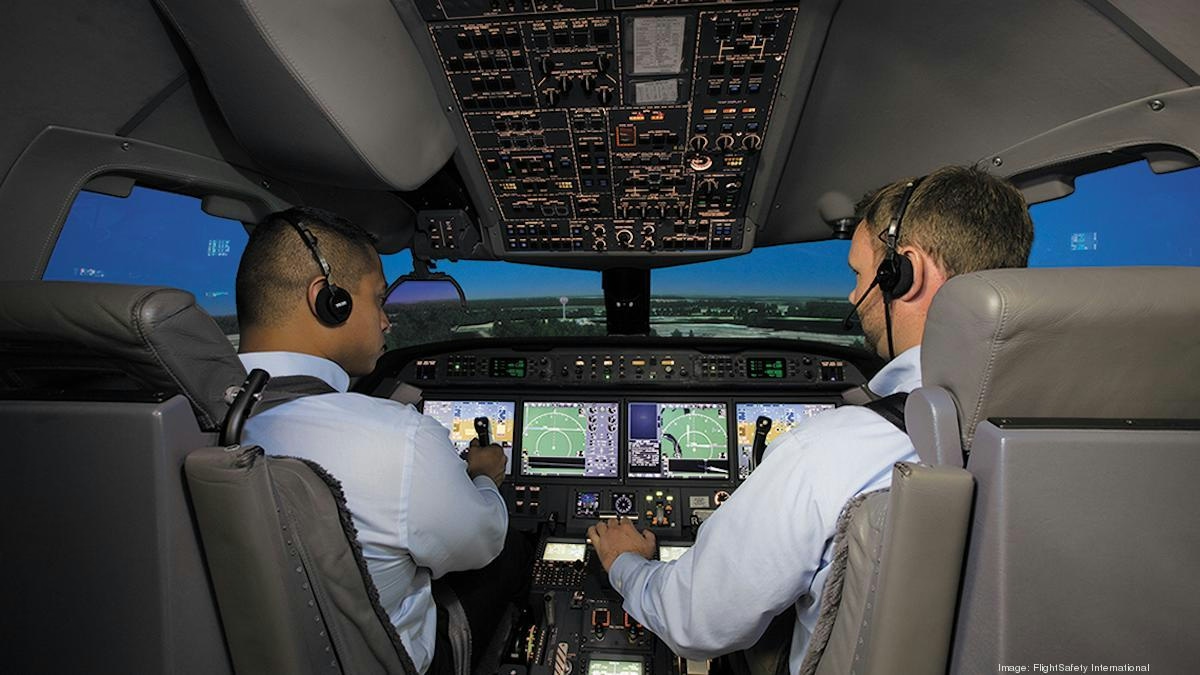
Pan Am Flight Academy Expands Operations in Brazil Pan Am Flight Academy has taken a significant step in its international growth by entering into a strategic cooperation and representation agreement with EPA Training Center, the largest regional aircraft simulator training provider in Latin America. This partnership establishes Pan Am Flight Academy’s commercial presence in Curitiba, Paraná, and aims to bolster its position within the rapidly expanding Latin American aviation sector. Strategic Partnership and Market Positioning Under the terms of the agreement, EPA Training Center will serve as Pan Am Flight Academy’s representative in Brazil, providing local commercial support, customer engagement, and business development services. By combining EPA’s extensive industry network with Pan Am’s global expertise in aviation training, the collaboration is expected to increase the Academy’s visibility and accessibility among Brazilian aviation professionals. With over five decades of experience, EPA Training Center is widely regarded as one of Brazil’s foremost aviation training institutions, playing a crucial role in the development of pilots and aviation personnel across the country. Challenges in a Competitive Landscape Pan Am Flight Academy’s expansion into Brazil occurs within a competitive and complex environment. The company may encounter regulatory challenges as aviation authorities maintain rigorous oversight of new entrants into the market. Furthermore, established local training institutions present formidable competition, and the Brazilian aviation training market may be nearing saturation. These factors could influence prospective students to favor well-established domestic academies. Industry analysts expect local competitors to respond with intensified marketing efforts, curriculum improvements, and new strategic alliances to protect their market share. Despite these obstacles, Pan Am Flight Academy’s alliance with EPA Training Center positions it to effectively navigate the evolving market conditions and address the increasing demand for high-quality aviation training in Brazil.
The Role of Aviation Software in Reducing Flight Delays

The Role of Aviation Software in Reducing Flight Delays

The Role of Aviation Software in Reducing Flight Delays Flight delays extend far beyond mere inconvenience at departure gates; they trigger cascading disruptions across connecting flights, inflate operational costs, create scheduling conflicts, and diminish passenger satisfaction. As airlines expand their fleets and airports face increasing traffic volumes, the complexity of maintaining punctual operations has intensified. Even minor disturbances can propagate through flight schedules, crew assignments, and destination logistics, amplifying the impact of initial delays. In response to these challenges, the aviation industry is increasingly adopting intelligent digital solutions that enhance operational visibility and enable faster, data-driven decision-making. Modern aviation software platforms empower airlines to monitor flights in real time, coordinate resources efficiently, anticipate potential risks, and respond promptly to unforeseen events. This proactive approach facilitates early identification and resolution of issues before they escalate into significant delays, thereby improving overall efficiency and reliability for travelers worldwide. Persistent Challenges Behind Flight Delays Flight delays rarely arise from a single cause; rather, they emerge from a complex interplay of operational factors involving airlines, airports, crews, and ground service providers. The growing volume of air traffic further complicates the management of these variables. Operational inefficiencies remain a significant contributor, as many airlines continue to rely on fragmented and disconnected systems for scheduling, dispatch, maintenance, and operations. This siloed infrastructure impedes timely information sharing and hampers rapid responses to changing conditions, increasing the likelihood of disruptions. Maintenance and fleet availability also play critical roles, with aircraft requiring regular inspections and compliance checks. Unexpected technical issues can ground planes without warning, forcing last-minute schedule adjustments that reverberate through subsequent flights. Airport and air traffic congestion present additional challenges. Rising passenger demand places considerable strain on airport infrastructure and airspace management. Limited runway capacity, crowded airspace, and gate shortages frequently result in departure queues and arrival delays, particularly during peak travel periods. Furthermore, communication gaps among airlines, airport authorities, ground handlers, maintenance crews, and air traffic controllers can exacerbate delays. Inefficiencies or inaccuracies in sharing operational updates slow decision-making processes and prolong disruptions. How Aviation Software Addresses These Issues Addressing flight delays requires more than reactive measures; it demands comprehensive operational visibility, intelligent automation, and precise forecasting capabilities. Aviation software development services are pivotal in this transformation, delivering customized solutions that integrate critical systems, streamline workflows, and support rapid, informed decision-making. Modern platforms provide real-time flight monitoring by aggregating live data from aircraft, airports, weather systems, and operational teams. This centralized visibility enables control centers to detect disruptions early, evaluate their potential impact, and minimize schedule alterations. Advanced predictive analytics employ sophisticated algorithms to forecast potential challenges such as adverse weather or maintenance requirements, allowing airlines to implement preventive strategies. Additionally, integrated systems enhance coordination among all stakeholders, reducing delays caused by communication breakdowns. Despite its advantages, the implementation of aviation software faces several obstacles. High initial investment costs, difficulties integrating with legacy systems, and the necessity for extensive staff training can impede widespread adoption. Some airlines remain cautious about the software’s efficacy and express concerns regarding data privacy. In response, industry competitors are exploring similar technologies to improve operational efficiency or developing proprietary solutions to secure competitive advantages. Data consistently underscores the disruptive and costly nature of flight delays, highlighting the urgent need for effective digital interventions. While challenges persist, the aviation sector’s gradual shift toward technology-driven operations is fostering more reliable and efficient travel experiences for passengers around the globe.
United Airlines Grounds 14 Boeing 777-200s Amid Pratt & Whitney Engine Issues

United Airlines Grounds 14 Boeing 777-200s Amid Pratt & Whitney Engine Issues

United Airlines Grounds 14 Boeing 777-200s Amid Pratt & Whitney Engine Challenges United Airlines has moved 14 of its Boeing 777-200 aircraft into long-term storage at Victorville, California, as it grapples with persistent issues related to the Pratt & Whitney PW4000 engines that power these jets. This decision follows the recent extension by the US Federal Aviation Administration (FAA) of the deadline for a comprehensive engine nacelle modification program, now set for March 2033. The extended timeline reflects the complexity and scale of the engineering upgrades required to address critical safety concerns. Engineering Complexities and Maintenance Constraints The FAA’s extension comes after years of technical difficulties, supply chain disruptions, and maintenance challenges that have affected both Boeing and Pratt & Whitney since a high-profile engine failure on United flight 328 in February 2021. That incident revealed significant vulnerabilities in the engine nacelle, fan cowl, and inlet structures, prompting regulators to mandate a full redesign rather than incremental repairs. Boeing is tasked with completing the new nacelle design by March 2029, after which airlines will have several years to retrofit their fleets accordingly. The engineering work involved in redesigning the nacelle structures is notably demanding. The components must be robust enough to contain rare but catastrophic failures while remaining lightweight for commercial operation. Each element, including latches, hinges, and containment systems, requires extensive testing and certification, prolonging the development process. Even once the redesign is finalized, airlines face a global shortage of maintenance capacity. Heavy maintenance facilities are operating at full stretch as carriers extend the service life of aging aircraft, and the scarcity of skilled technicians and replacement parts has led to significant delays in routine overhauls. The PW4000 modifications add further complexity, often needing to be coordinated with scheduled heavy maintenance and engine shop visits. Supply chain constraints, particularly for reinforced components and certified nacelle assemblies, continue to exacerbate these challenges. Broader Industry Impact and Market Implications United’s difficulties are indicative of wider industry struggles. Willie Walsh, Director General of the International Air Transport Association (IATA), reported that airlines worldwide incurred over $11 billion in additional costs last year due to supply chain failures, much of which stemmed from engine availability and maintenance delays. Other carriers, including Air New Zealand, have initiated strategic overhauls to restore profitability amid ongoing engine-related disruptions. Cyprus Airways’ CEO recently highlighted that engine availability has become a critical factor in fleet planning, underscoring the operational impact of these challenges. United’s operational issues extend beyond the 777 fleet. The airline has also grounded its new premium 787-9 Dreamliner due to problems with its Traffic Collision Avoidance System (TCAS), further complicating network planning and capacity management. With the compliance deadline now stretching into the next decade, United’s decision to park a substantial portion of its 777-200 fleet signals a gradual phase-out of one of the last major groups of Pratt & Whitney-powered 777s. This development underscores how intertwined technical, regulatory, and supply chain challenges are reshaping airline strategies and the broader global aviation landscape.
Patria Advances Innovation in Global F-35 Program

Patria Advances Innovation in Global F-35 Program

Patria Advances Innovation in Global F-35 Program Milestone in Finnish Defense Industry Cooperation Finnish defense company Patria has officially commenced the assembly of forward fuselages and engines for the F-35 fighter jet, alongside the production of critical structural components. This development marks a significant milestone in Finland’s involvement in the global F-35 program, with the project progressing according to schedule. Since Finland initiated its multirole fighter acquisition, Patria has been a pivotal participant in the industrial cooperation framework established with the United States. Petri Hepola, Patria’s Executive Vice President of Sales & Marketing and Chief Program Officer for the F-35, emphasized that after an extensive preparatory phase, production activities are now fully underway. Finland has placed an order for 64 F-35A fighters from Lockheed Martin, with Patria tasked with assembling the forward fuselages and manufacturing landing gear doors at its modernized Halli facility in Jämsä. Production of forward fuselages began in early March, while manufacturing of landing gear doors is scheduled to commence in spring 2026. Notably, Patria is the first partner outside the United States to produce forward fuselages for Lockheed Martin’s fighter aircraft, which are then shipped to the final assembly line in Fort Worth, Texas. “This represents a significant step in defense industry cooperation between Finland and the United States,” Hepola stated. Beyond supporting Finland’s own fleet, Patria will contribute to Lockheed Martin’s global F-35 supply chain. Under the current framework agreement, the company is set to produce 400 forward fuselages and landing gear door sets for F-35 fighters between 2026 and 2042. Expanding Capabilities and Strategic Challenges In addition to fuselage assembly, Patria is responsible for assembling F135 engines for the F-35. To facilitate this, new production facilities have been completed at Linnavuori, Nokia, designed to meet stringent U.S. Government and Pratt & Whitney security standards. The first engines are expected to be delivered in 2026. These facilities will also serve as centers for maintenance and overhaul of Finland’s F135 engines, with Patria overseeing lifecycle maintenance for the Finnish F-35 fleet well into the 2060s. Patria’s progress in the global F-35 program unfolds amid a complex and evolving international defense environment. Navigating procurement dynamics remains challenging, as demonstrated by Finland and Sweden’s collaboration on the Patria TRACKX armored vehicle. The competitive landscape is intensifying, highlighted by recent developments such as the U.S. decision to permit Turkey’s purchase of F-35s despite regional tensions, and Germany’s entry into global combat air programs, which may influence timelines and delivery schedules. Europe’s broader defense build-up strategy depends heavily on successful partnerships, which could both support and complicate Patria’s role within the F-35 program. As the defense sector continues to evolve, Patria’s capacity for innovation and international collaboration will be essential to maintaining its position as a key contributor to the global supply chain.
line