
将人工智能洞察转化为可执行行动

热门趋势
Categories
The Role of Aviation Software in Reducing Flight Delays
The Role of Aviation Software in Reducing Flight Delays
Flight delays extend far beyond mere inconvenience at departure gates; they trigger cascading disruptions across connecting flights, inflate operational costs, create scheduling conflicts, and diminish passenger satisfaction. As airlines expand their fleets and airports face increasing traffic volumes, the complexity of maintaining punctual operations has intensified. Even minor disturbances can propagate through flight schedules, crew assignments, and destination logistics, amplifying the impact of initial delays.
In response to these challenges, the aviation industry is increasingly adopting intelligent digital solutions that enhance operational visibility and enable faster, data-driven decision-making. Modern aviation software platforms empower airlines to monitor flights in real time, coordinate resources efficiently, anticipate potential risks, and respond promptly to unforeseen events. This proactive approach facilitates early identification and resolution of issues before they escalate into significant delays, thereby improving overall efficiency and reliability for travelers worldwide.
Persistent Challenges Behind Flight Delays
Flight delays rarely arise from a single cause; rather, they emerge from a complex interplay of operational factors involving airlines, airports, crews, and ground service providers. The growing volume of air traffic further complicates the management of these variables.
Operational inefficiencies remain a significant contributor, as many airlines continue to rely on fragmented and disconnected systems for scheduling, dispatch, maintenance, and operations. This siloed infrastructure impedes timely information sharing and hampers rapid responses to changing conditions, increasing the likelihood of disruptions. Maintenance and fleet availability also play critical roles, with aircraft requiring regular inspections and compliance checks. Unexpected technical issues can ground planes without warning, forcing last-minute schedule adjustments that reverberate through subsequent flights.
Airport and air traffic congestion present additional challenges. Rising passenger demand places considerable strain on airport infrastructure and airspace management. Limited runway capacity, crowded airspace, and gate shortages frequently result in departure queues and arrival delays, particularly during peak travel periods. Furthermore, communication gaps among airlines, airport authorities, ground handlers, maintenance crews, and air traffic controllers can exacerbate delays. Inefficiencies or inaccuracies in sharing operational updates slow decision-making processes and prolong disruptions.
How Aviation Software Addresses These Issues
Addressing flight delays requires more than reactive measures; it demands comprehensive operational visibility, intelligent automation, and precise forecasting capabilities. Aviation software development services are pivotal in this transformation, delivering customized solutions that integrate critical systems, streamline workflows, and support rapid, informed decision-making.
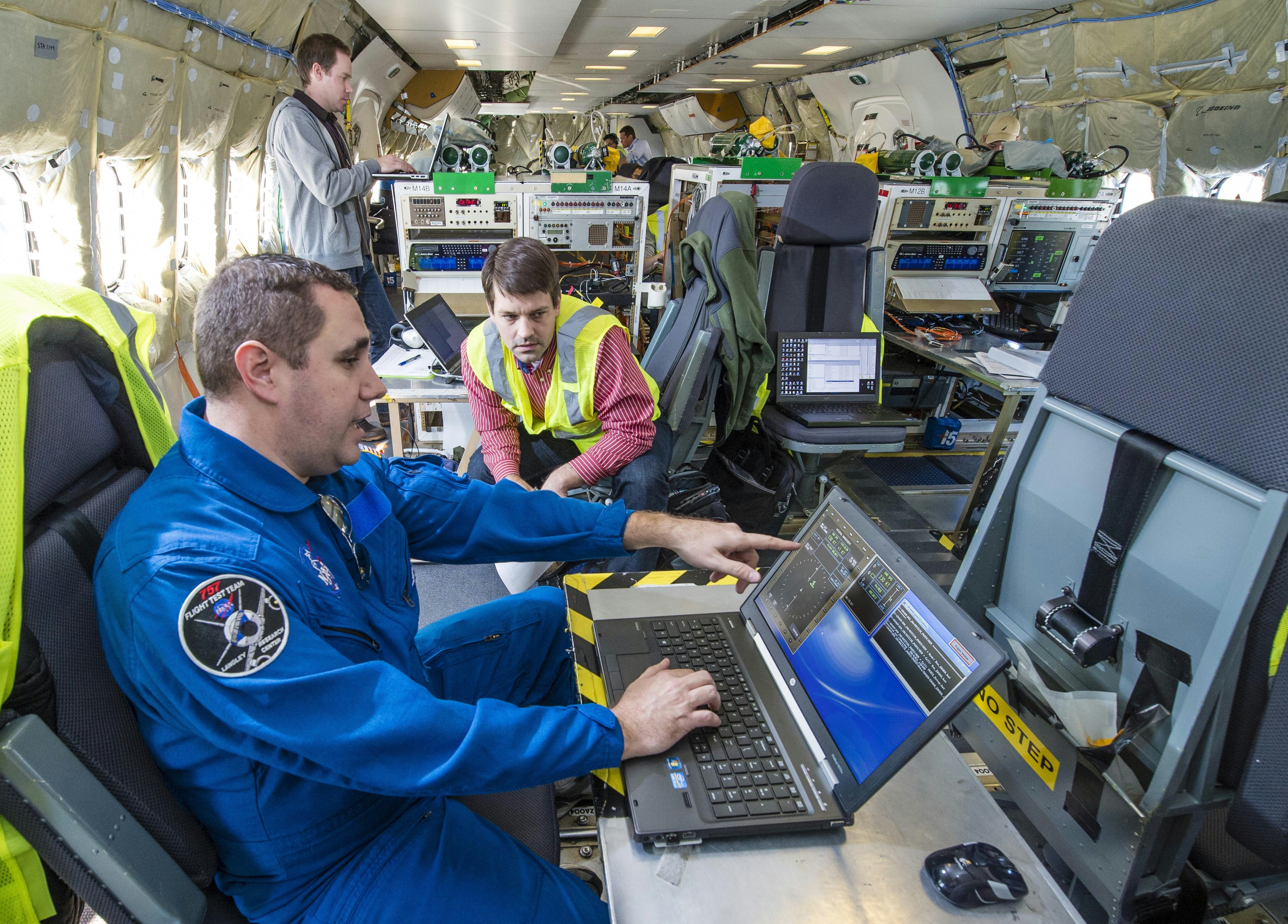
Modern platforms provide real-time flight monitoring by aggregating live data from aircraft, airports, weather systems, and operational teams. This centralized visibility enables control centers to detect disruptions early, evaluate their potential impact, and minimize schedule alterations. Advanced predictive analytics employ sophisticated algorithms to forecast potential challenges such as adverse weather or maintenance requirements, allowing airlines to implement preventive strategies. Additionally, integrated systems enhance coordination among all stakeholders, reducing delays caused by communication breakdowns.
Despite its advantages, the implementation of aviation software faces several obstacles. High initial investment costs, difficulties integrating with legacy systems, and the necessity for extensive staff training can impede widespread adoption. Some airlines remain cautious about the software’s efficacy and express concerns regarding data privacy. In response, industry competitors are exploring similar technologies to improve operational efficiency or developing proprietary solutions to secure competitive advantages.
Data consistently underscores the disruptive and costly nature of flight delays, highlighting the urgent need for effective digital interventions. While challenges persist, the aviation sector’s gradual shift toward technology-driven operations is fostering more reliable and efficient travel experiences for passengers around the globe.
Comments

Etihad and Swissport Extend Global Partnership
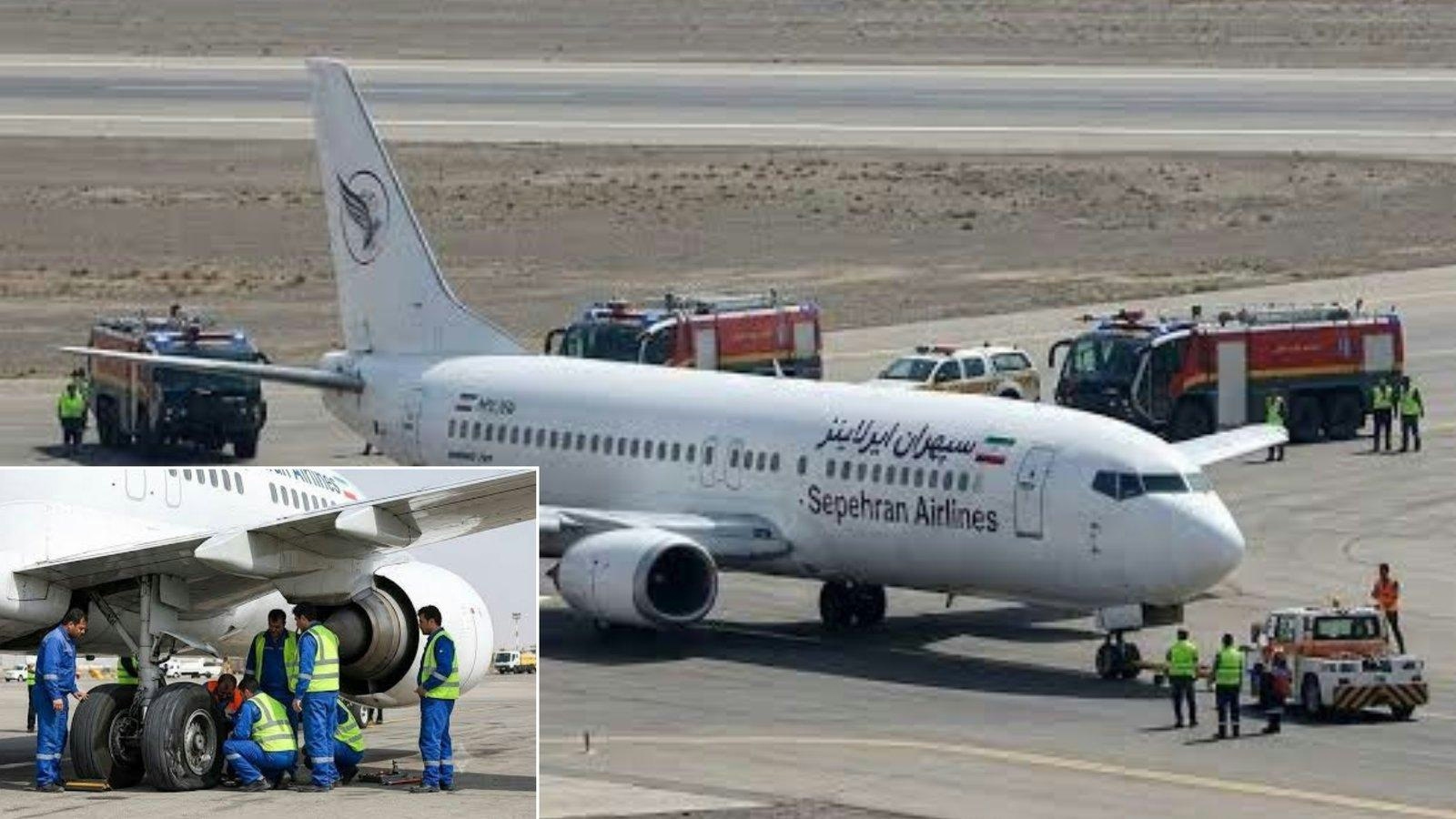
Sepehran Airlines B737 Returns to Mashhad After Tyre and Engine Issues

Etihad Deploys Widebody Fleet to Meet Strong Demand
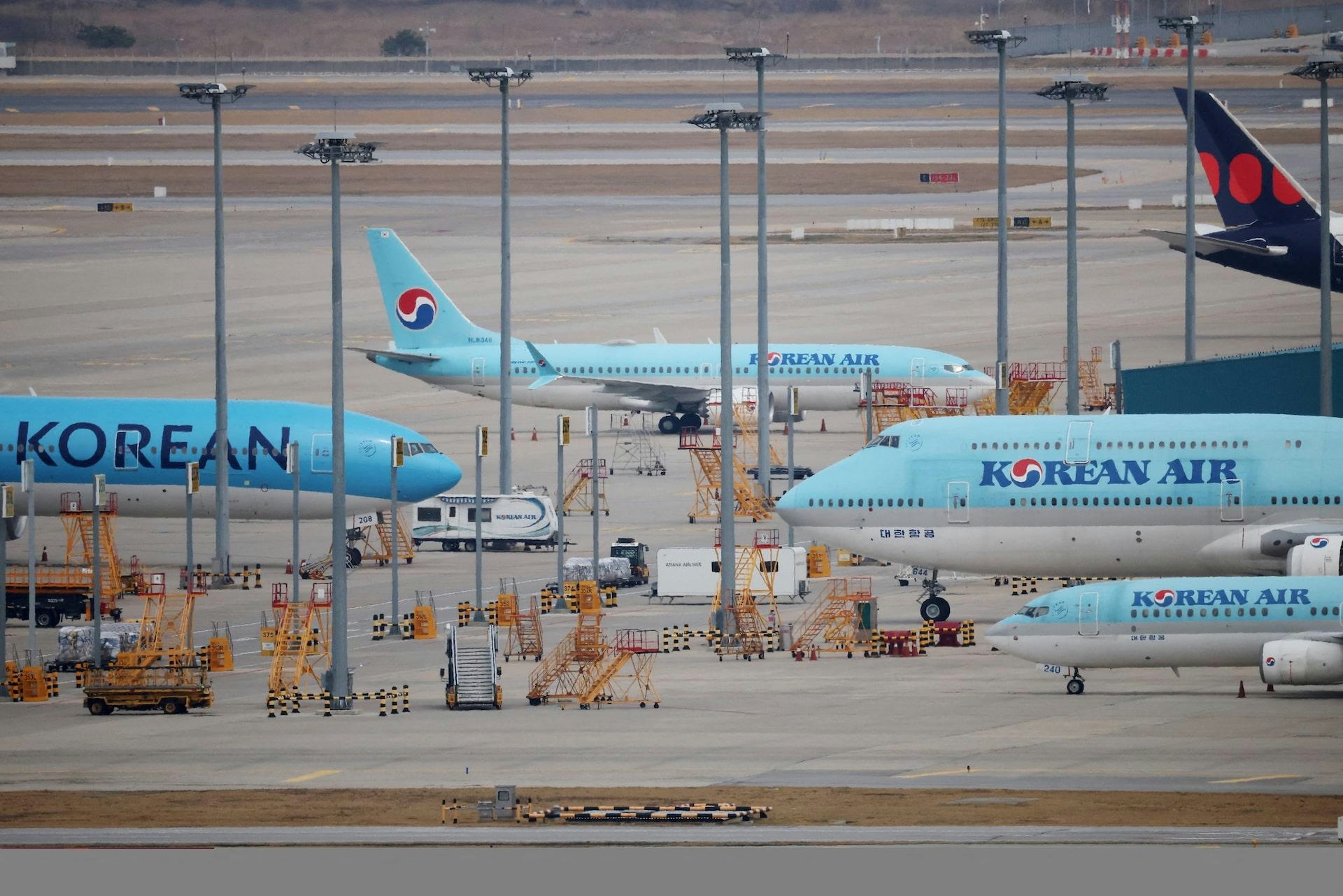
Korean Air Finalizes $36.2 Billion Deal with Boeing

Australia’s RFDS Queensland Section Orders Six King Air 260Cs

Korean Air Finalizes Order for 103 Boeing Jets and Engines
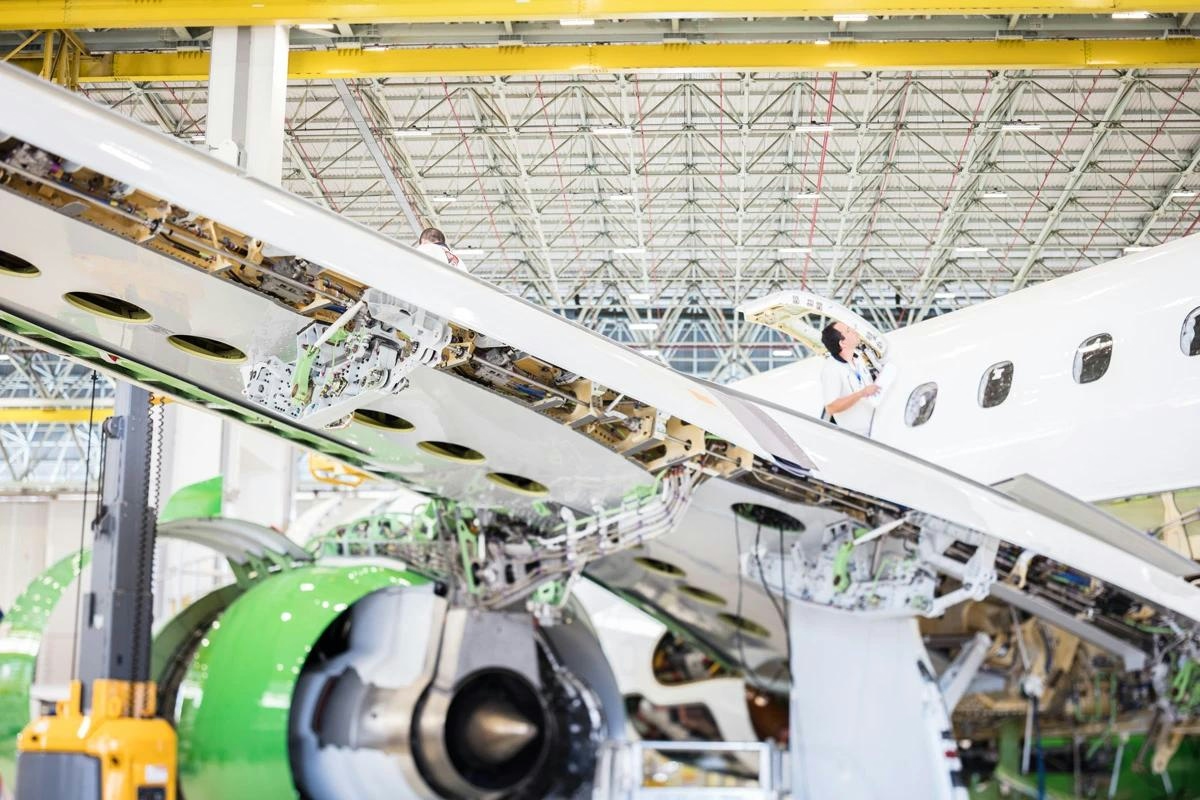
Embraer E195-E2 Features Distinctive Engine Placement Among Regional Jets

What Passengers Can Expect on Boeing’s New 777X Jet

How Ethiopian Airlines Became Africa’s Leading Carrier Amid Gulf Competition

Joby Aviation Extends Autonomous Flight Capabilities with Cross-Country Tour
