
将人工智能洞察转化为可执行行动

热门趋势
Categories
BOC Aviation Leases Nine Airbus A320neo Jets to Avianca
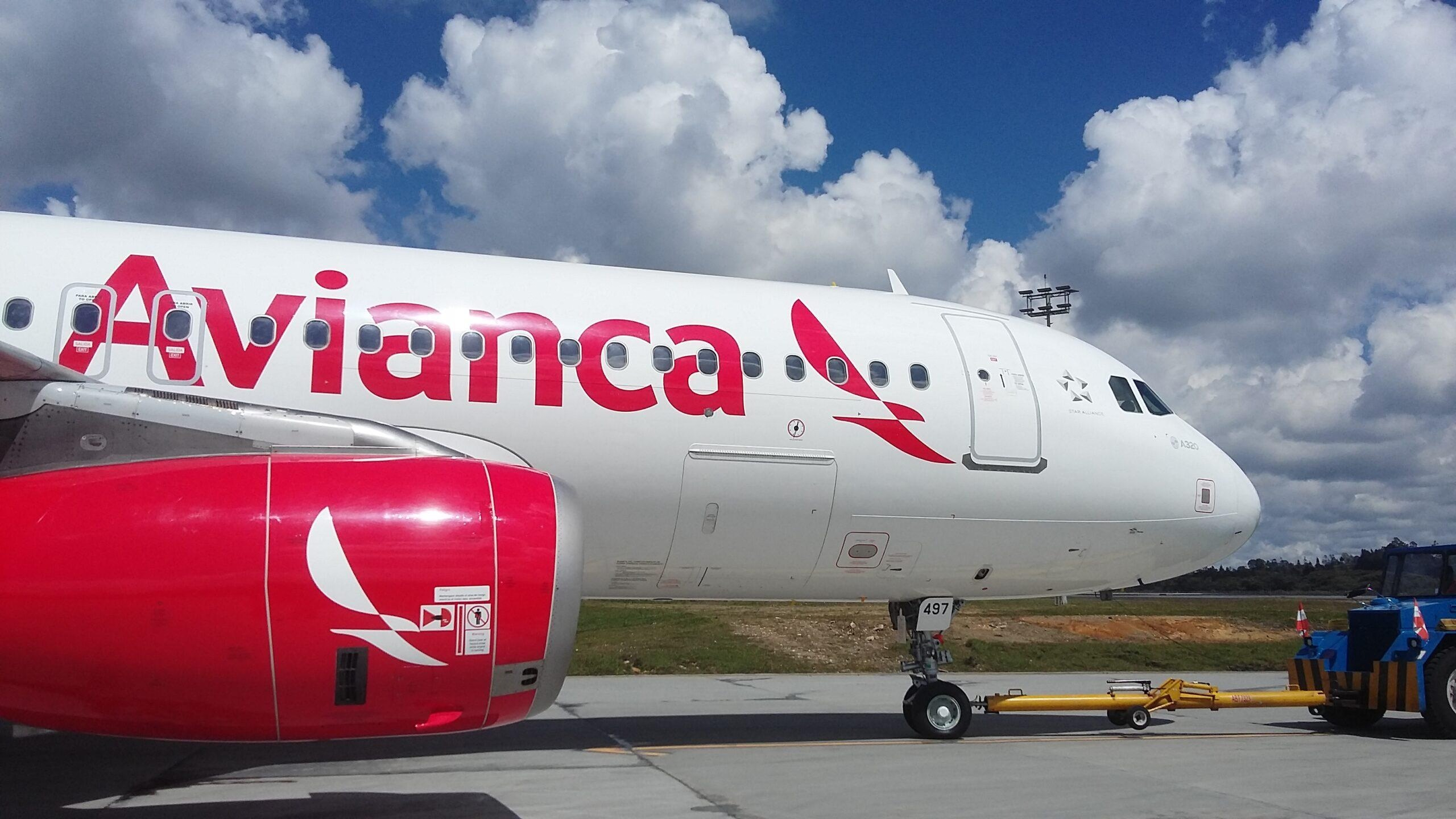
BOC Aviation Leases Nine Airbus A320neo Jets to Avianca
BOC Aviation has finalized a lease agreement with Avianca for nine Airbus A320neo aircraft, signaling a notable advancement in the aviation sector’s recovery following the disruptions caused by the COVID-19 pandemic. This transaction highlights the growing demand for fuel-efficient, narrowbody jets as airlines strive to modernize their fleets and improve operational efficiency amid an increasingly competitive market environment.
Strategic Fleet Modernization Amid Market Pressures
Avianca’s decision to incorporate the A320neo jets into its fleet coincides with leasing companies like BOC Aviation offering favorable terms to carriers adjusting to evolving market dynamics. The A320neo is widely acknowledged for its enhanced fuel efficiency and reduced emissions, aligning closely with Avianca’s strategic goals to optimize its fleet and broaden its service network. This move not only supports the airline’s operational objectives but also reflects a wider industry trend prioritizing aircraft that deliver both superior performance and environmental benefits.
Industry experts expect this agreement to generate further interest in BOC Aviation’s leasing portfolio from other airlines seeking to renew or expand their fleets. As global air travel demand continues its upward trajectory, leasing firms are witnessing increased activity, particularly for popular narrowbody models such as the A320neo. This momentum is likely to prompt competitors to pursue similar leasing arrangements or fleet expansion initiatives to maintain their market positions.
Supply Chain Challenges and Sector Recovery
The aviation industry has faced significant supply chain disruptions over the past eighteen months, including shortages of parts and raw materials, logistical delays, and labor constraints. While the automotive sector has been notably impacted by a shortage of computer chips, aviation has also experienced delays affecting aircraft deliveries and maintenance schedules. These challenges have contributed to rising costs and operational complexities throughout the industry.
Despite these hurdles, the lease agreement between BOC Aviation and Avianca represents a strong endorsement of the sector’s recovery and the value of strategic partnerships. By securing new, fuel-efficient aircraft, Avianca is better positioned to meet growing passenger demand while enhancing its environmental performance. Concurrently, BOC Aviation strengthens its standing as a leading global lessor, capitalizing on the renewed momentum in air travel.
As airlines and leasing companies continue to navigate supply chain uncertainties and intensifying competition, agreements of this nature are expected to play a pivotal role in shaping fleet strategies and market dynamics in the near future.

Etihad Airways Suspends Airbus A380 Flights on Key Route

Aditya Birla Group Seeks Approval for Aircraft Leasing in GIFT City

Qatar Airways Highlights Innovation and Connectivity at Arabian Travel Market 2026

Hong Kong's Five-Year Plan Includes Andrew Fan's Aircraft Parts Processing Hub Proposal

ACIA Aero Leasing Delivers ATR72-600 to Air Nostrum

RTX Appoints Jill Albertelli as Head of Pratt & Whitney

TAT Technologies Joins Beyond Aero Hydrogen Aircraft Program

AURAK Study Highlights Barriers to Air Taxi Adoption in Emerging Economies

Xiamen Air Selects Altitude for 787 Maintenance at Heathrow

Etihad and Swissport Extend Global Partnership
