
将人工智能洞察转化为可执行行动

热门趋势
Categories
Boeing 787 GEnx-1B Engine Deliveries Aid Airline Network Growth
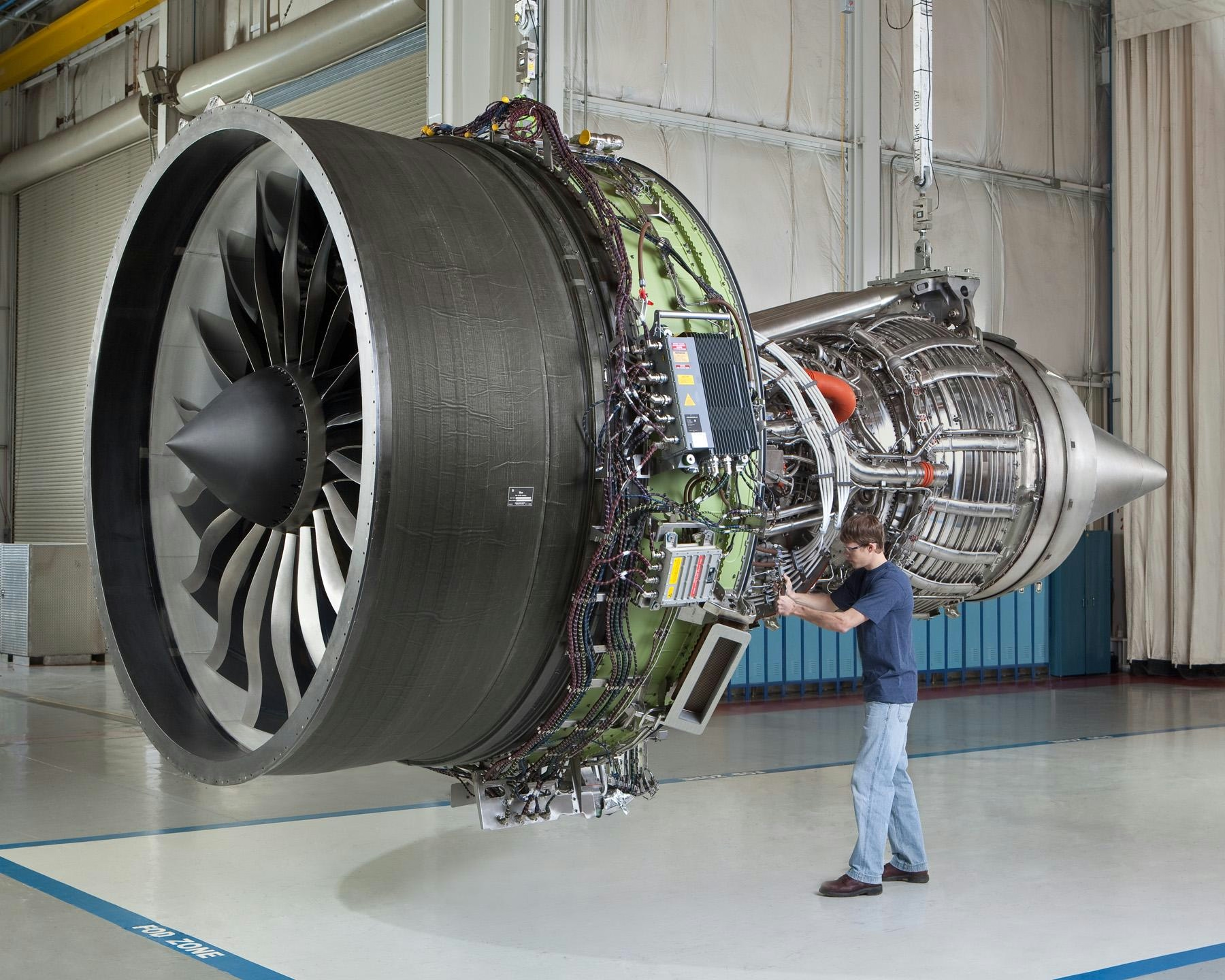
Boeing 787 GEnx-1B Engine Deliveries Facilitate Airline Network Expansion
The production of widebody aircraft is experiencing a notable recovery as supply chain constraints ease, with increased deliveries of Boeing 787 GEnx-1B engines playing a critical role in enabling airlines to restore and expand their international route networks. This resurgence is driven by General Electric Aerospace’s significant boost in engine shipments, which has helped stabilize Boeing’s Dreamliner assembly line and supports the manufacturer’s plan to increase output from eight to ten aircraft per month.
Supply Chain Recovery and Production Ramp-Up
The global aerospace industry has faced persistent challenges over recent years, including shortages of structural components, microchips, titanium castings, and engine parts. These bottlenecks have limited the ability of airlines to grow their networks and meet rising passenger demand. In response, GE Aerospace has increased production of its GEnx-1B engines by 30%, a move that has been instrumental in clearing a backlog of completed but undelivered Boeing 787 aircraft. This acceleration allows carriers to expand their fleets and reinstate transoceanic schedules across key regions such as North America, the Middle East, and Asia.
The Boeing 787 Dreamliner is powered primarily by two engine types: the GEnx-1B from GE Aerospace and the Rolls-Royce Trent 1000. The GEnx-1B, favored for its superior fuel efficiency and lower maintenance requirements, now powers approximately 80% of the active 787 fleet worldwide. Its reliability has made it the preferred choice for airlines operating frequent, long-haul routes. However, as production rates increase, GE Aerospace faces scrutiny regarding its capacity to maintain quality standards while meeting higher demand. Meanwhile, Airbus and its engine partner Pratt & Whitney continue to address their own engine reliability challenges, which may influence future market competition and airline fleet decisions.
Impact on Major Airlines and Network Strategies
Several leading airlines stand to benefit significantly from the improved availability of GEnx-1B engines. United Airlines, which operates one of the largest Dreamliner fleets globally, is leveraging these aircraft to expand its transpacific, transatlantic, and Oceania services. American Airlines is similarly using the 787 to restore international flight frequencies and adjust schedules in response to growing overseas travel demand. Air India employs the widebody jet to establish direct connections between Indian cities and major business hubs in Europe and North America. Qatar Airways utilizes the 787 to optimize route density through its Doha hub, particularly on routes where deploying larger aircraft is not commercially viable. Additionally, carriers such as Japan Airlines, British Airways, and Ethiopian Airlines depend on steady Dreamliner deliveries to maintain regional connectivity and modernize their long-haul fleets.
As engine manufacturers and airframers continue to resolve remaining supply chain issues, the ramp-up in GEnx-1B deliveries is proving pivotal for airlines aiming to restore and grow their international networks. This development is also reshaping competitive dynamics within the widebody aircraft market, underscoring the strategic importance of engine availability in global aviation expansion.

Etihad and Swissport Extend Global Partnership

Sepehran Airlines B737 Returns to Mashhad After Tyre and Engine Issues

Etihad Deploys Widebody Fleet to Meet Strong Demand

Korean Air Finalizes $36.2 Billion Deal with Boeing

Australia’s RFDS Queensland Section Orders Six King Air 260Cs

Korean Air Finalizes Order for 103 Boeing Jets and Engines

Embraer E195-E2 Features Distinctive Engine Placement Among Regional Jets

What Passengers Can Expect on Boeing’s New 777X Jet

How Ethiopian Airlines Became Africa’s Leading Carrier Amid Gulf Competition

Joby Aviation Extends Autonomous Flight Capabilities with Cross-Country Tour
