
将人工智能洞察转化为可执行行动

热门趋势
Categories
California Bans AI-Based Hotel Pricing While Airlines Continue Its Use
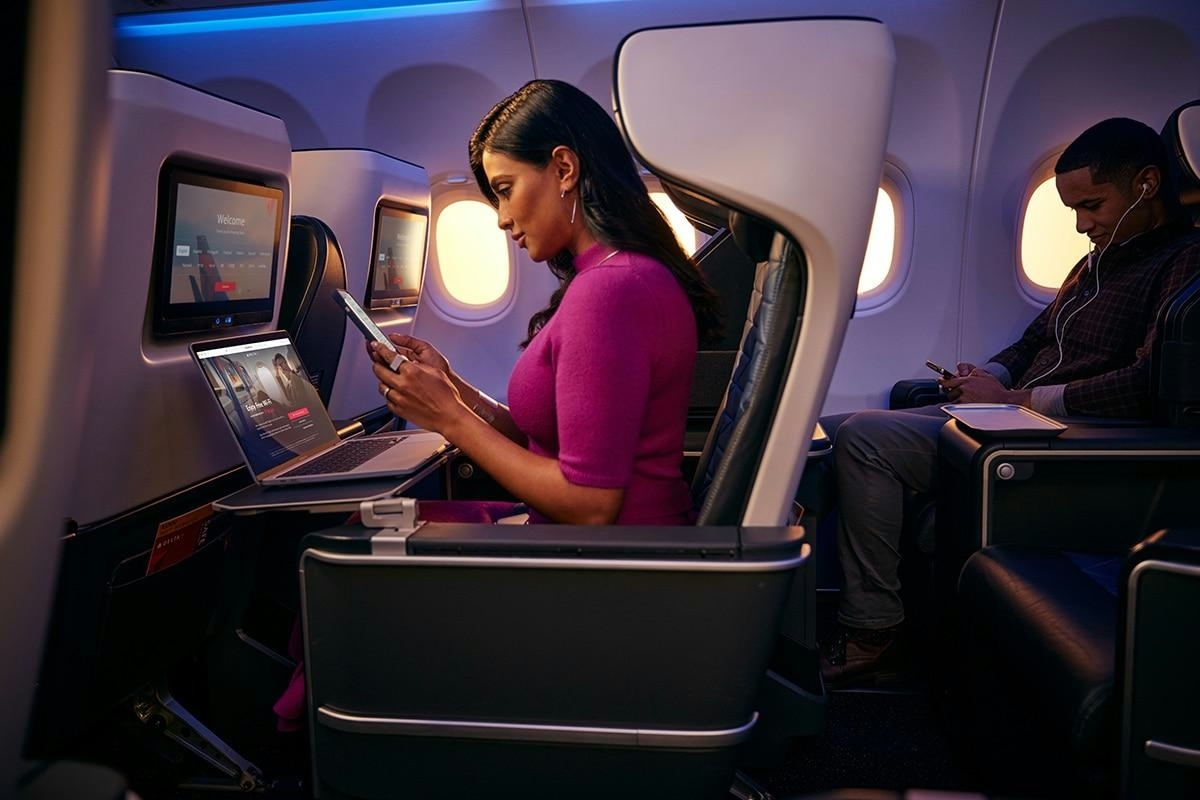
California Prohibits AI-Driven Hotel Pricing Amid Continued Airline Use of Algorithms
New Legal Framework Targets Algorithmic Pricing in Hotels
California has introduced stringent new regulations restricting the use of artificial intelligence in hotel pricing, imposing both criminal and civil liabilities for what it terms “shared pricing algorithms” and coercive pricing practices. This legislative action forms part of a wider state-level effort to address concerns over algorithmic price fixing and collusion in consumer markets. The amendments to California’s antitrust laws, encapsulated in Assembly Bill 325, explicitly ban hotels from employing AI tools that automatically adjust room rates based on competitor pricing data.
Under the new law, hotels operating within California must ensure their revenue management systems do not simply replicate competitor rates to determine prices. Instead, they are required to maintain transparent audit trails that demonstrate independent pricing decisions and compliance with the statute. This regulatory shift is expected to have a profound impact on major hotel chains, particularly those such as Hilton and Hyatt, which utilize shared pricing platforms like iDeas. These systems often set rate floors and operate in autopilot modes, making compliance a complex challenge.
To adhere to the law, hotels will need to revise contracts, modify revenue management software interfaces, and adjust default settings to allow for documented deviations from algorithmic recommendations. The legislation mandates explicit prompts for independent judgment and detailed logs of manual rate changes to prevent any inference of coercion or conspiracy. Online travel agencies (OTAs) also face increased scrutiny, as tools that recommend or pressure hotels to post specific rates or adjust inventory based on competitor data may be deemed coercive under the law’s broad definitions. Software vendors will be required to provide clear documentation of the data used and evidence of hotels’ autonomous pricing decisions.
Airlines Continue AI Pricing Under Federal Protection
In contrast to the hospitality sector, airlines remain unaffected by California’s restrictions due to federal preemption under the Airline Deregulation Act, which prohibits states from regulating airline pricing, routes, or services. Consequently, carriers such as Delta Air Lines continue to expand their use of AI in fare setting. Delta has announced plans for AI to price 20% of its tickets by the end of the year, a practice that, despite criticism, remains legal and widespread within the airline industry.
This divergence in regulatory approaches underscores a growing divide between sectors. While airlines broadly embrace AI-driven pricing models based on aggregated data, the hotel industry in California must reconsider its strategies. A recent global study indicates that hotels are still in the experimental phase of AI adoption, and California’s new legislation may slow or fundamentally reshape this trajectory.
Implications for Market Dynamics and Regulatory Challenges
The enforcement of these new rules presents significant challenges for regulators, particularly in proving collusion or price fixing when AI algorithms operate without explicit agreements. Nevertheless, California’s decisive action is poised to drive substantial changes in hotel pricing practices, competitive dynamics, and market behavior—not only within the state but potentially influencing the broader hospitality industry nationwide.

Etihad Airways Suspends Airbus A380 Flights on Key Route

Aditya Birla Group Seeks Approval for Aircraft Leasing in GIFT City

Qatar Airways Highlights Innovation and Connectivity at Arabian Travel Market 2026

Hong Kong's Five-Year Plan Includes Andrew Fan's Aircraft Parts Processing Hub Proposal

ACIA Aero Leasing Delivers ATR72-600 to Air Nostrum

RTX Appoints Jill Albertelli as Head of Pratt & Whitney

TAT Technologies Joins Beyond Aero Hydrogen Aircraft Program

AURAK Study Highlights Barriers to Air Taxi Adoption in Emerging Economies

Xiamen Air Selects Altitude for 787 Maintenance at Heathrow

Etihad and Swissport Extend Global Partnership
