
将人工智能洞察转化为可执行行动

热门趋势
Categories
Cebu Pacific Introduces Damp-Leased Aircraft to Improve Travel Experience
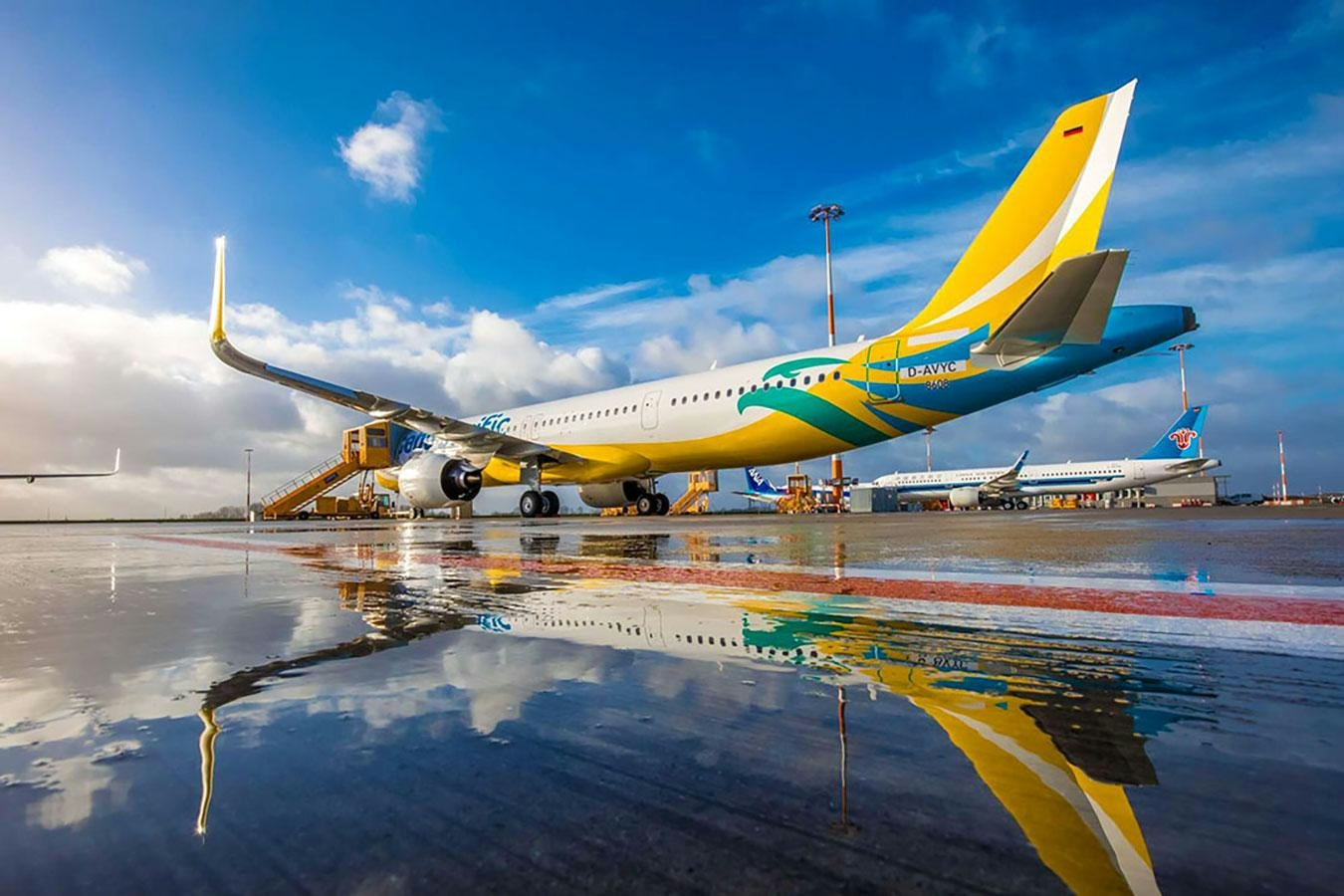
Cebu Pacific Introduces Damp-Leased Aircraft to Improve Travel Experience
Addressing Fleet Challenges with Damp Leasing
Cebu Pacific Air, a leading low-cost carrier in the Philippines, has initiated the deployment of damp-leased aircraft to enhance operational stability and improve the travel experience for its passengers. This strategic move responds to persistent technical difficulties with the airline’s Geared Turbofan (GTF) engines, which have caused frequent delays and cancellations across its network. The GTF engines, valued for their fuel efficiency and reduced emissions, have nonetheless required extended maintenance periods, disrupting Cebu Pacific’s ability to maintain its scheduled routes.
To mitigate these challenges, Cebu Pacific has entered into damp leasing agreements, whereby aircraft are leased along with crew from partner airlines. Notably, the airline has secured additional capacity from Bulgaria Air to support its operations during the busy year-end travel season. This approach allows Cebu Pacific to uphold its flight schedules and route coverage without the long-term financial and logistical commitments associated with acquiring new aircraft.
Operational Flexibility and Market Implications
Damp leasing offers Cebu Pacific significant operational flexibility, enabling the airline to adjust capacity swiftly in response to fluctuating passenger demand, particularly during peak travel periods. This arrangement also helps circumvent some of the regulatory and maintenance complexities involved in expanding the fleet through traditional means. For travelers, the introduction of damp-leased aircraft translates into improved flight availability and more consistent service, even as the airline contends with ongoing technical issues.
However, integrating aircraft and crews from international partners such as Bulgaria Air introduces its own complexities. Coordinating maintenance standards and crew operations across different carriers requires careful management to avoid logistical complications. Despite these challenges, Cebu Pacific’s proactive adoption of damp leasing is expected to reduce service disruptions and preserve its reputation in both domestic and international markets.
The move may also have broader implications for the Southeast Asian aviation sector. As Cebu Pacific expands its capacity through leasing, competitors might adopt similar strategies to maintain market share during peak seasons. This could intensify competition among regional budget airlines, potentially influencing fare structures and route availability across the region.
By embracing damp-leased aircraft, Cebu Pacific demonstrates its commitment to maintaining reliability and customer satisfaction amid technical setbacks. This flexible fleet management strategy positions the airline to navigate current challenges while sustaining its competitive presence in a dynamic and evolving market.

Eight Aboard Twin-Engine Cessna Crash in Remote Alaska
American Airlines Plans to Receive New Aircraft Deliveries in 2026

Delta Flight Returns to Atlanta Airport Due to Engine Trouble

Samoa Airways Recovers Damaged DHC-6-300 Aircraft

Man Ingested by Frontier Airlines Engine Marks Denver’s Sixth Airfield Security Breach in Three Years
The Advantages and Disadvantages of Owning Versus Leasing a Private Jet

Former Spirit Employees Express Concerns Over AI Partnership With Google

China Certifies Pilotless Air Taxi for Export; Sri Lanka First Buyer

US Pilot Hourly Pay Ranges from $90 for Regional to $465 for Widebody Flights

NASA Chooses University Teams to Support Aviation Research
