
将人工智能洞察转化为可执行行动

热门趋势
Categories
Engine Shortages Delay China’s C919 Deliveries Amid Global Aerospace Bottlenecks
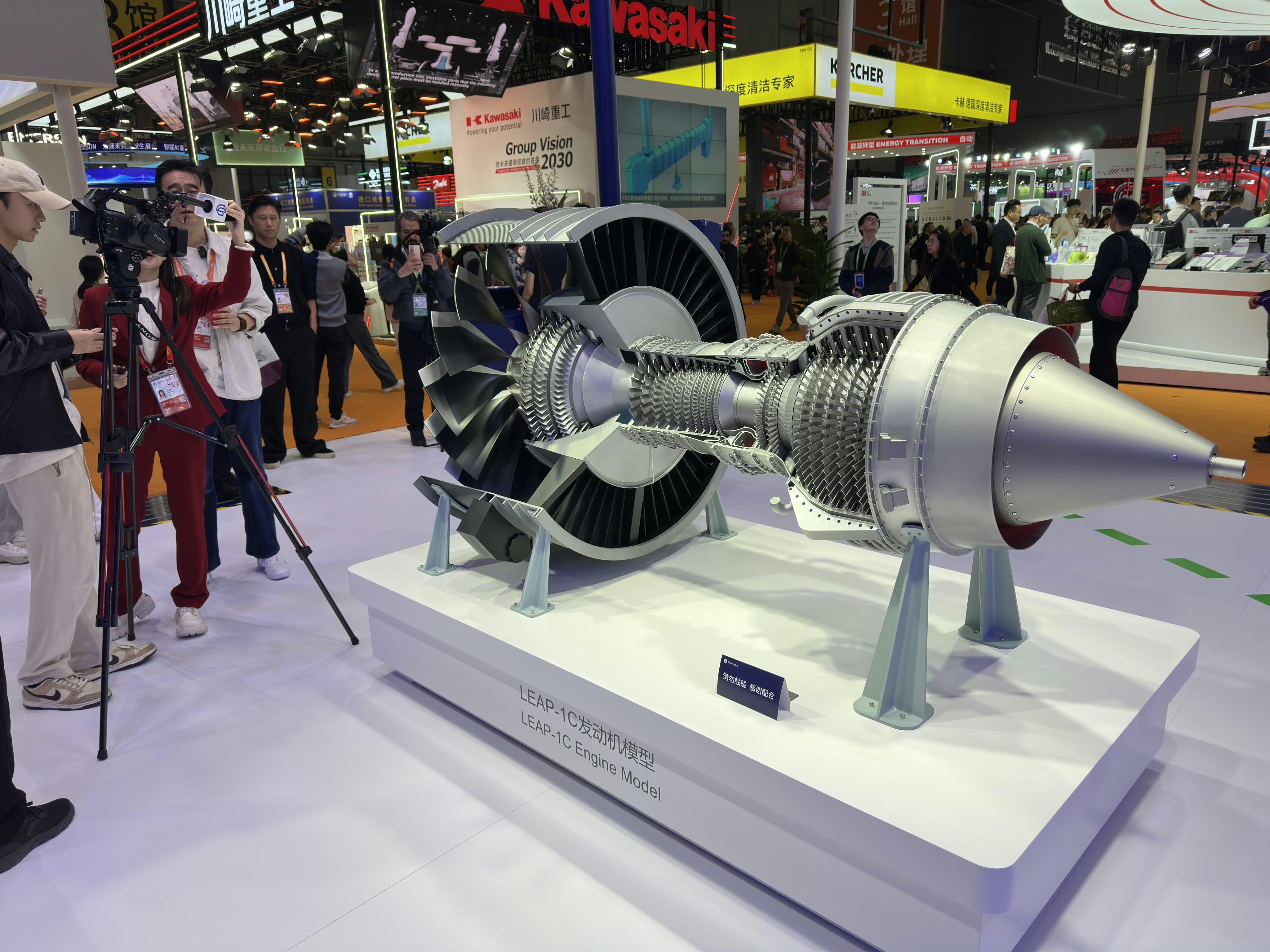
Engine Shortages Delay China’s C919 Deliveries Amid Global Aerospace Bottlenecks
Supply Chain Challenges Impact COMAC’s Ambitions
China’s efforts to expand its indigenous passenger jet program are encountering significant obstacles as global engine shortages and supply chain disruptions delay deliveries of the C919 aircraft. The Commercial Aircraft Corporation of China (COMAC), the state-owned manufacturer behind the C919, is intensifying its efforts to secure Western-made engines, particularly the Leap-1C, amid slowing production and fierce competition for limited components from international rivals.
Sources familiar with the situation report that COMAC has deployed teams of executives and technicians to key overseas suppliers in recent months, including multiple visits to a CFM International engine facility near Paris. These visits aim to enhance communication and ensure the timely delivery of the Leap-1C engines, which are jointly produced by US-based GE Aerospace and France’s Safran Aircraft Engines. The Leap-1C remains the only certified engine for the C919, as the development of a domestic alternative continues to face technical and regulatory hurdles.
Broader Industry Implications and Geopolitical Factors
The shortage of engines has resulted in several partially completed C919 airframes at COMAC’s Shanghai plant awaiting installation, delaying their handover to airlines. Industry analysts highlight that ongoing trade tensions between the United States and China have further complicated access to critical aerospace components and technology, exacerbating the supply challenges.
The global aviation sector is currently contending with widespread supply chain bottlenecks. The International Air Transport Association (IATA) has warned that these disruptions could cost airlines more than $11 billion in 2025. While COMAC struggles to meet its delivery targets, competitors such as Airbus are increasing production of comparable single-aisle jets within China, intensifying the competition for scarce parts.
Suppliers and industry experts suggest that some relief may emerge next year if geopolitical tensions ease and manufacturing capacities improve. Until then, COMAC’s efforts to secure the necessary engines remain vital to maintaining progress on the C919 program amid a turbulent global aerospace environment.

Etihad Airways Suspends Airbus A380 Flights on Key Route

Aditya Birla Group Seeks Approval for Aircraft Leasing in GIFT City

Qatar Airways Highlights Innovation and Connectivity at Arabian Travel Market 2026

Hong Kong's Five-Year Plan Includes Andrew Fan's Aircraft Parts Processing Hub Proposal

ACIA Aero Leasing Delivers ATR72-600 to Air Nostrum

RTX Appoints Jill Albertelli as Head of Pratt & Whitney

TAT Technologies Joins Beyond Aero Hydrogen Aircraft Program

AURAK Study Highlights Barriers to Air Taxi Adoption in Emerging Economies

Xiamen Air Selects Altitude for 787 Maintenance at Heathrow

Etihad and Swissport Extend Global Partnership
