
将人工智能洞察转化为可执行行动

热门趋势
Categories
Final Moments of Jeju Air Flight 2216
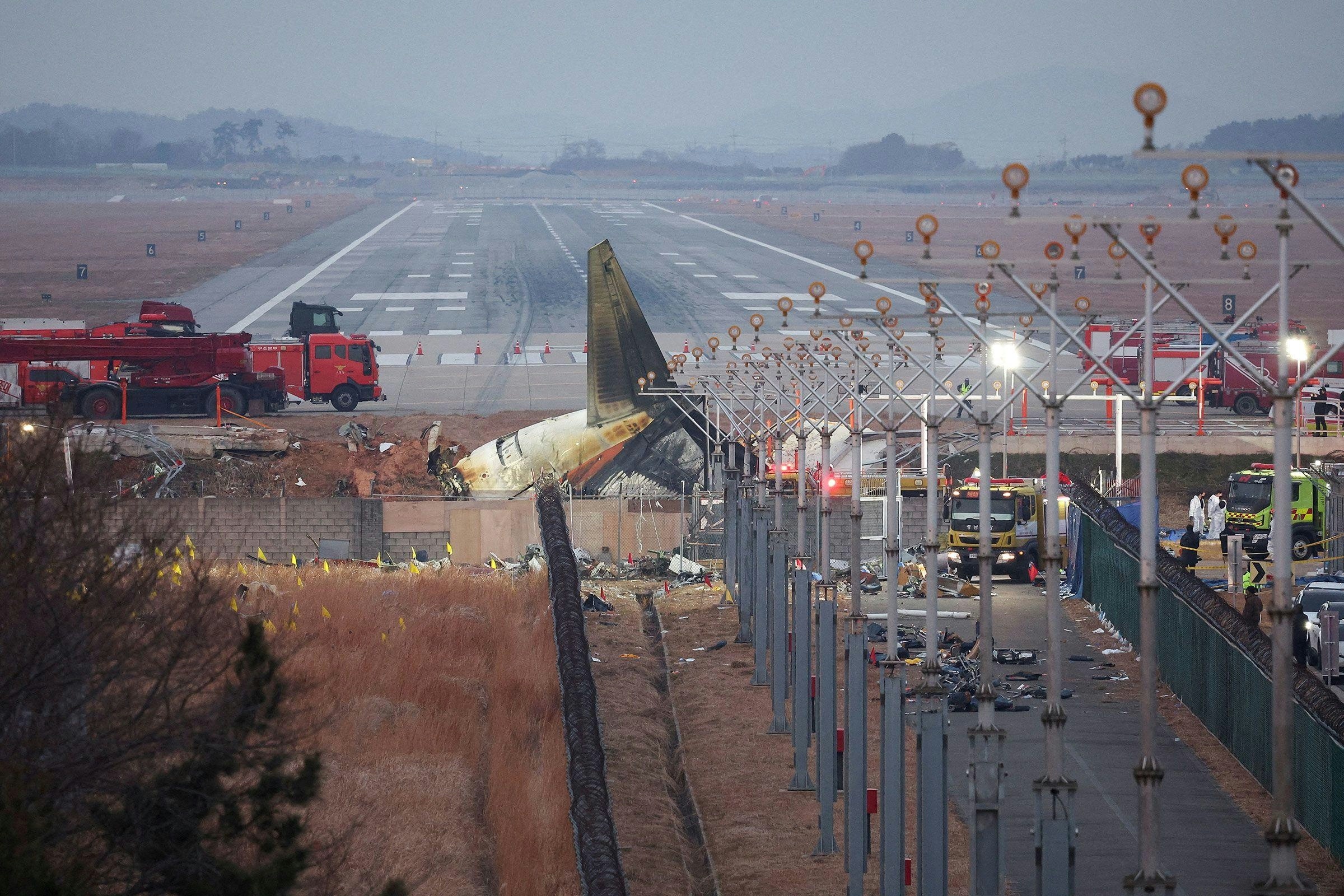
Final Moments of Jeju Air Flight 2216
On a late December night in 2024, Jeju Air Flight 2216, a Boeing 737 carrying 181 passengers from Thailand, was approaching its destination after a routine 2,000-mile journey when disaster struck. As the aircraft neared landing, it was suddenly engulfed by a large flock of birds. The birds struck the fuselage and severely damaged both engines, rendering them nearly inoperative. This unexpected assault plunged the flight crew into a rapidly deteriorating emergency.
The Crisis in the Cockpit
Inside the cockpit, the pilots were confronted with a series of critical decisions under extreme pressure. The first officer alerted the captain to the presence of numerous birds below, and moments later, the captain acknowledged the severity of the situation with the grim admission, “It’s not going to work.” The ensuing chaos culminated in one of the deadliest air disasters in recent years, resulting in 179 fatalities.
An investigation by The New York Times, incorporating interviews with aviation experts and pilots, revealed that while regulatory shortcomings and external factors played a role, the crew’s immediate reactions may have inadvertently exacerbated the crisis. The captain’s last-second maneuver, likely an instinctive attempt to avoid the bird cloud and secure a safe landing, ultimately proved fatal. Aviation training emphasizes the importance of resisting impulsive actions during emergencies. As retired pilot and trainer Ludo Gysels explained, pilots are taught to “wind your watch” — to pause, assess the situation thoroughly, and then decide on a course of action. However, the psychological impact of sudden shock, known as the startle effect, can override even the most rigorous training, compelling pilots to act hastily.
Aftermath and Industry Implications
The aircraft’s condition rapidly worsened as birds battered the plane, causing violent shaking, engine vibrations, and multiple warning signals. The right engine’s vibration levels peaked, and cockpit recordings captured the captain’s mounting distress amid the cacophony of impacts. Despite the instinct to respond immediately, aviation safety protocols stress the necessity of measured and deliberate decision-making.
In the wake of the tragedy, questions have been raised about Jeju Air’s safety procedures and pilot preparedness. The incident has prompted scrutiny of the airline’s emergency response capabilities, while competitors have highlighted the need for enhanced training focused on bird strike scenarios. Furthermore, the crash underscores the critical importance of effective communication between pilots and air traffic control, as well as the timely dissemination of warnings regarding bird activity near airports.
Though the principle of delaying action to gather information may seem antiquated, its significance remains undiminished. The catastrophe of Flight 2216 starkly illustrates how, in aviation, the difference between survival and disaster can hinge on a few pivotal seconds and the decisions made within them.
Comments
PD-8 Engine Encounters Corrosion Issues from Saltwater Exposure

Weekly Summary: August Deliveries, Year-to-Date Orders, and 4.1 Million Share Buyback
Linking Ireland’s Aircraft Leasing Industry to Elite Football
Airbus A380 at Tarbes Yields Over 90% of Parts for Active Fleets Through Careful Dismantling
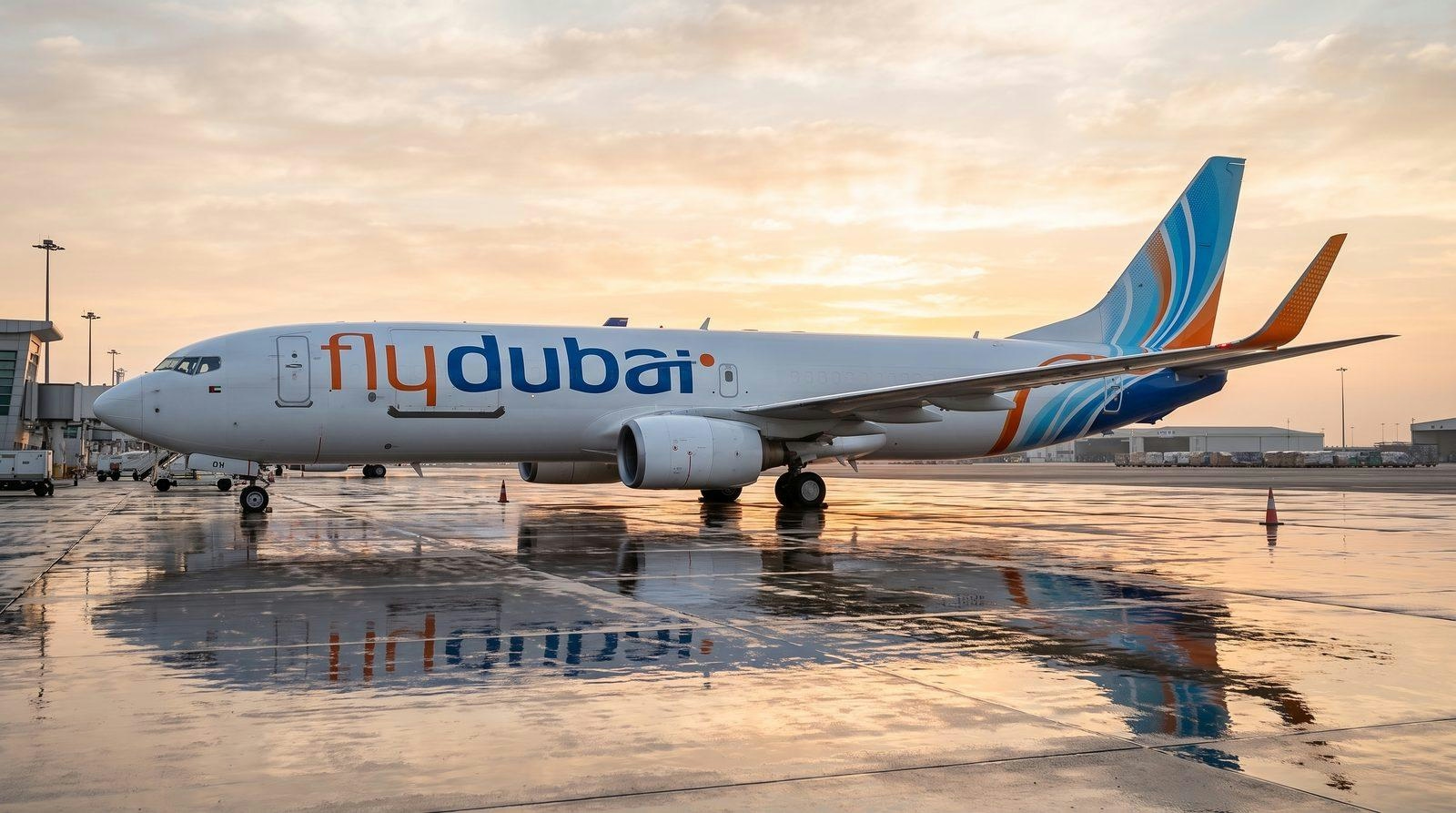
flydubai Begins Dedicated Freighter Operations with Three Leased 737-800s
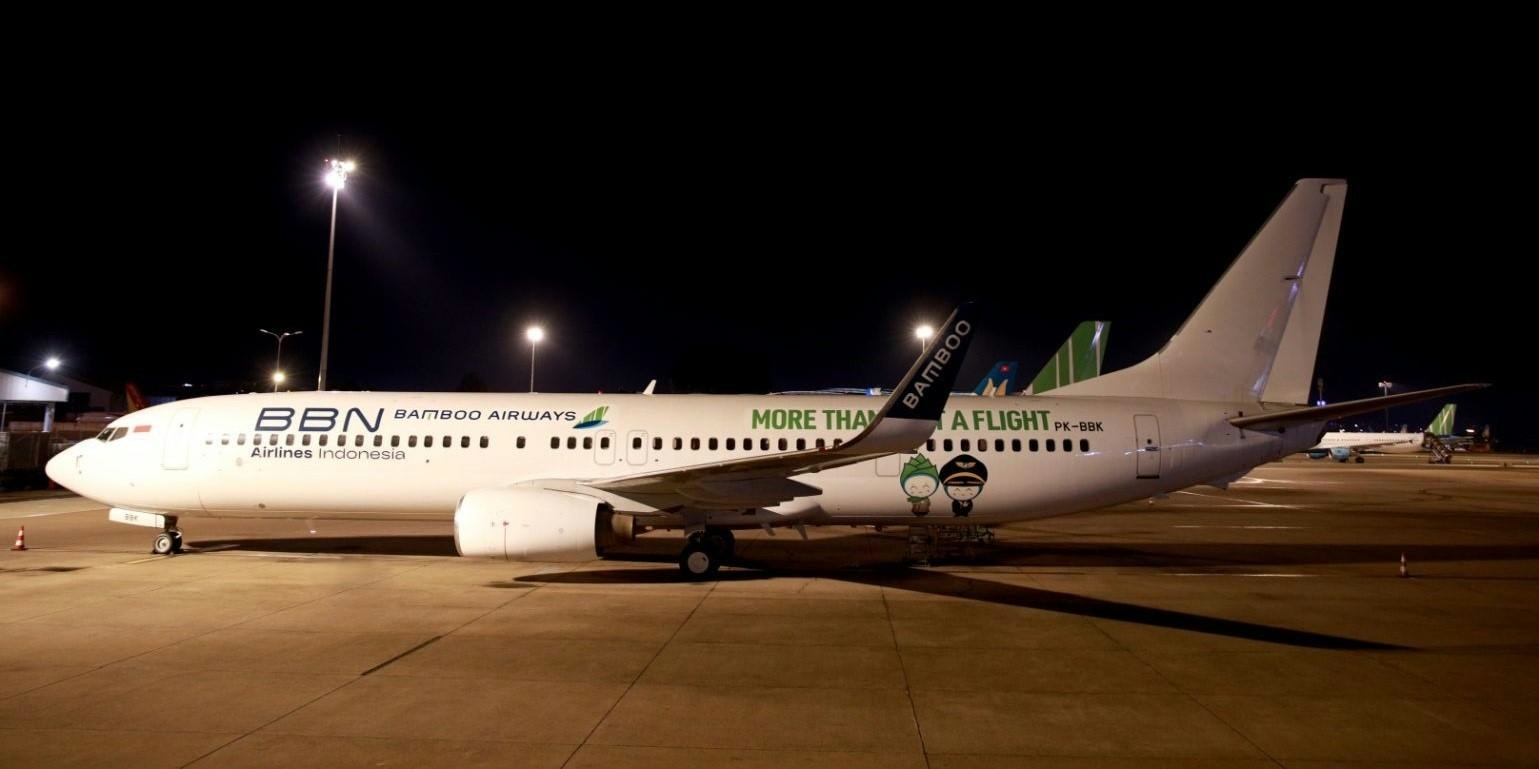
BBN Airlines Becomes IATA Member
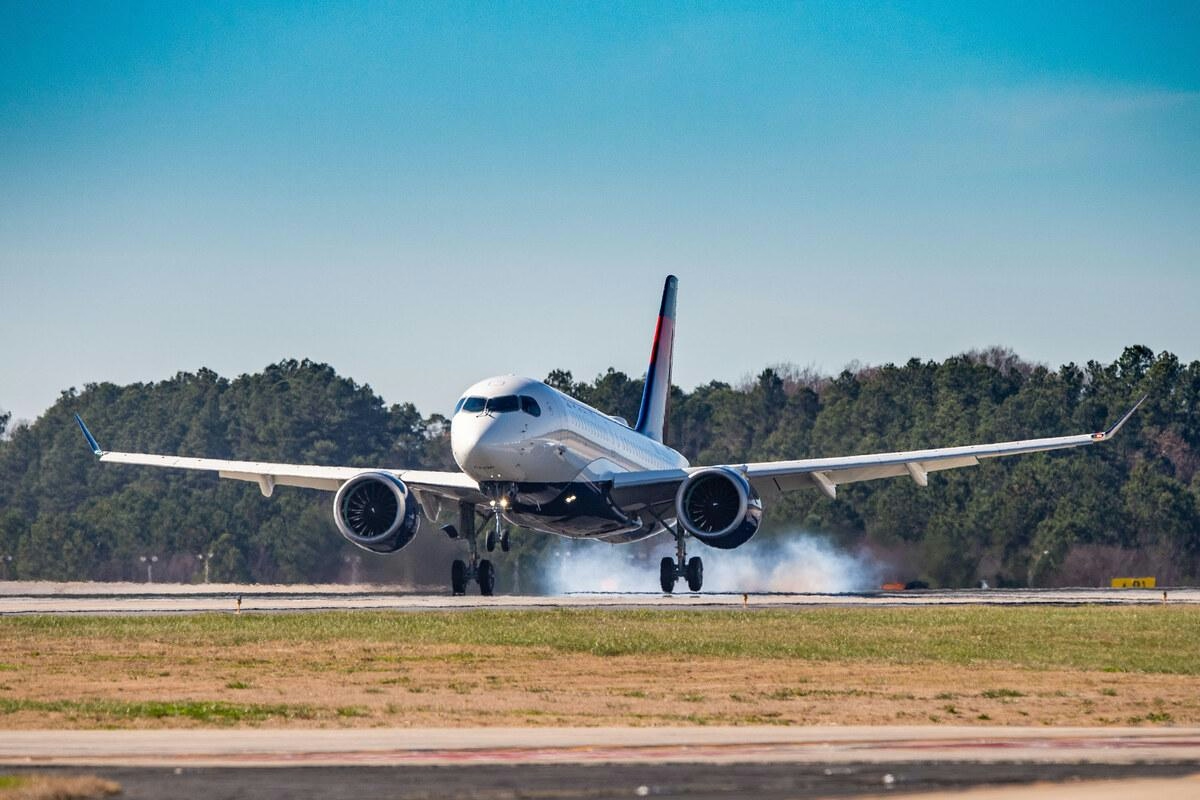
FAA Orders Breeze Airways and Delta to Inspect Airbus A220 Fuel Hoses

Philippine Aviation Navigates Expansion and Costs Amid Fuel Price Volatility
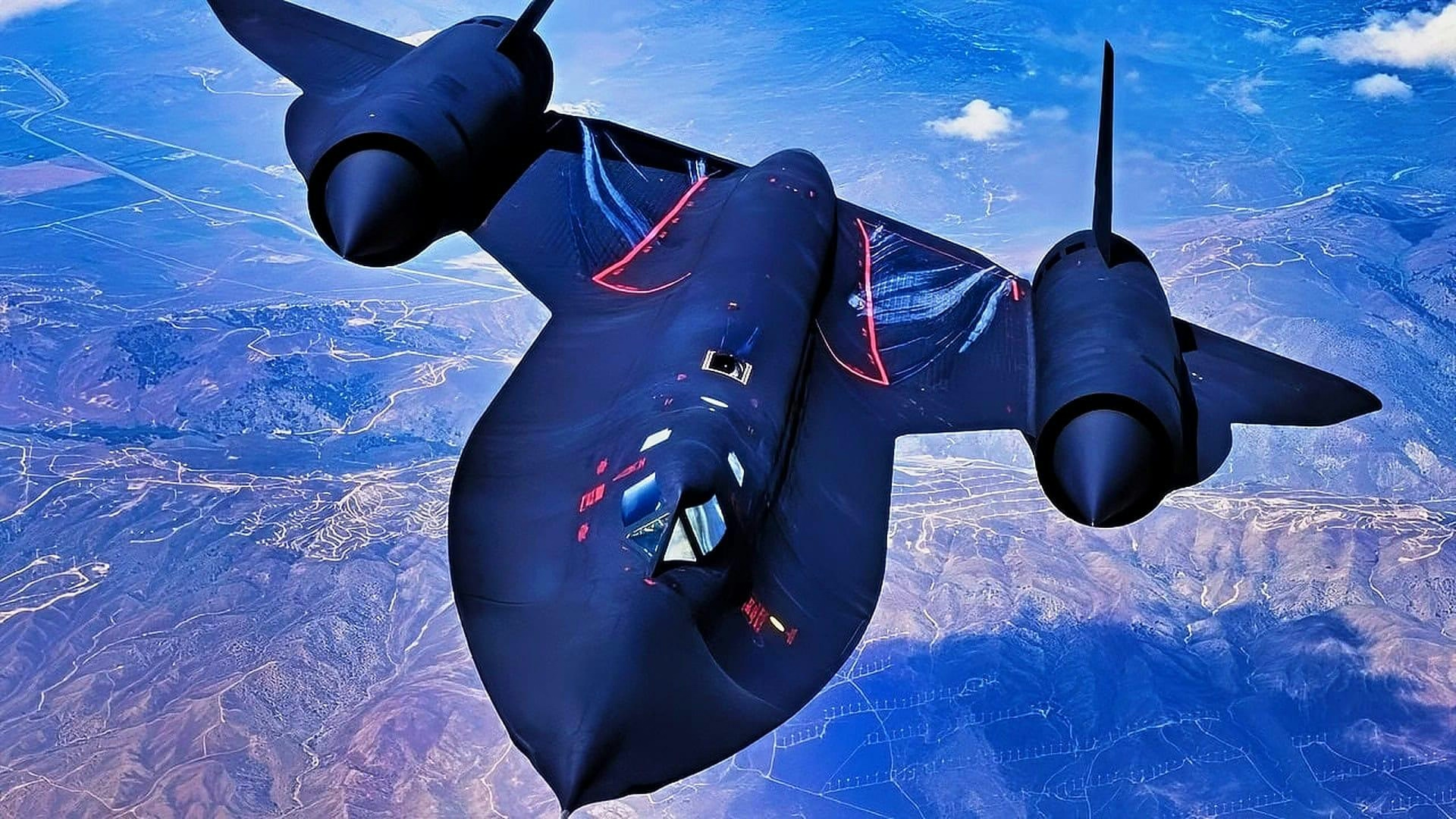
On April 26, 1971, an SR-71 Blackbird Flew Over 15,000 Miles in 10.5 Hours, Limited by Liquid Nitrogen Supply
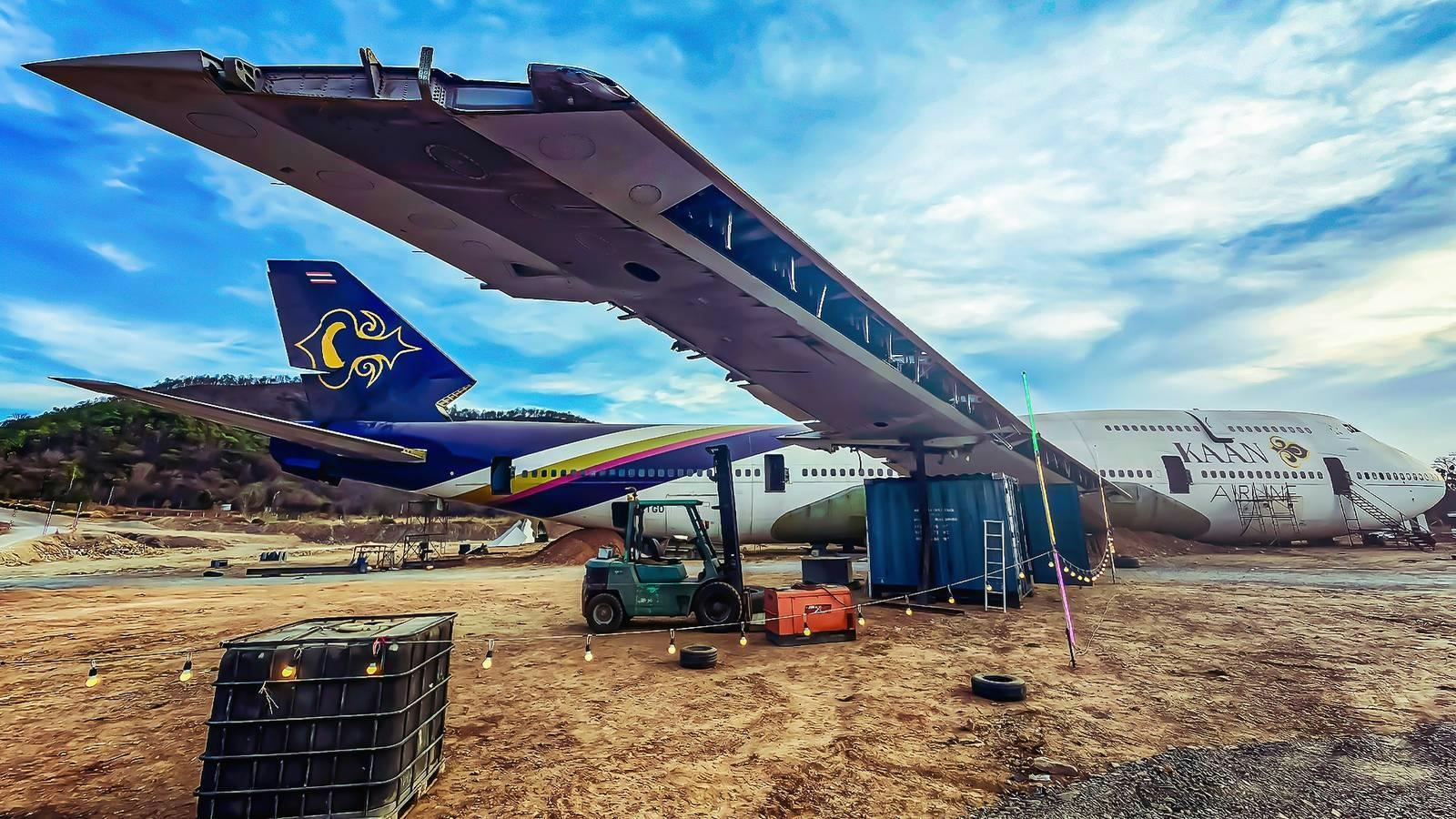
Boeing 747 Airframe Valued Less Than One Landing Gear Component
