
将人工智能洞察转化为可执行行动

热门趋势
Categories
flydubai Orders 60 GEnx Engines for New Boeing 787 Fleet

flydubai Orders 60 GEnx Engines for New Boeing 787 Fleet
Flydubai has confirmed an order for 60 GEnx engines from GE Aerospace to power its forthcoming Boeing 787 aircraft, highlighting the airline’s commitment to engine performance and durability amid its ongoing expansion. This acquisition represents a pivotal element in flydubai’s fleet modernization strategy, as the carrier prepares to introduce the Boeing 787 into its operations in the near future.
Strategic Focus on Engine Performance
Ghaith Al Ghaith, CEO of flydubai, emphasized the critical role of engine reliability in the airline’s growth plans. He stated, “The performance and durability of our engines play an integral role in the success of our operations and fleet expansion plans, especially as we prepare to welcome the Boeing 787 aircraft to our fleet in the coming years.” The partnership with GE Aerospace is expected to support flydubai’s ambitions as it embarks on this next phase of development.
Industry analysts have offered varied perspectives on the engine selection. Some interpret the move as a strategic diversification of flydubai’s engine portfolio, moving beyond its current reliance on Boeing’s 737 MAX aircraft. The GEnx engine, recognized for its fuel efficiency and reliability, has been adopted by other carriers such as Turkish Airlines for their Boeing 787 fleets. This trend underscores GE Aerospace’s strengthening position in the widebody engine market.
Broader Fleet Diversification and Market Implications
The competitive dynamics in the region’s aviation sector may experience further shifts, as Airbus is reportedly close to securing a major deal with flydubai for approximately 100 A321neo jets. Such an agreement would challenge Boeing’s longstanding dominance with the Dubai-based airline and signal a broader strategy by flydubai to diversify both its aircraft and engine suppliers.
The order for GEnx engines reaffirms flydubai’s dedication to operational efficiency and reliability as it transitions into a new growth phase. By integrating new aircraft types alongside advanced engine technologies, the airline’s recent decisions are poised to reshape its fleet composition and potentially influence wider trends within the regional aviation industry.
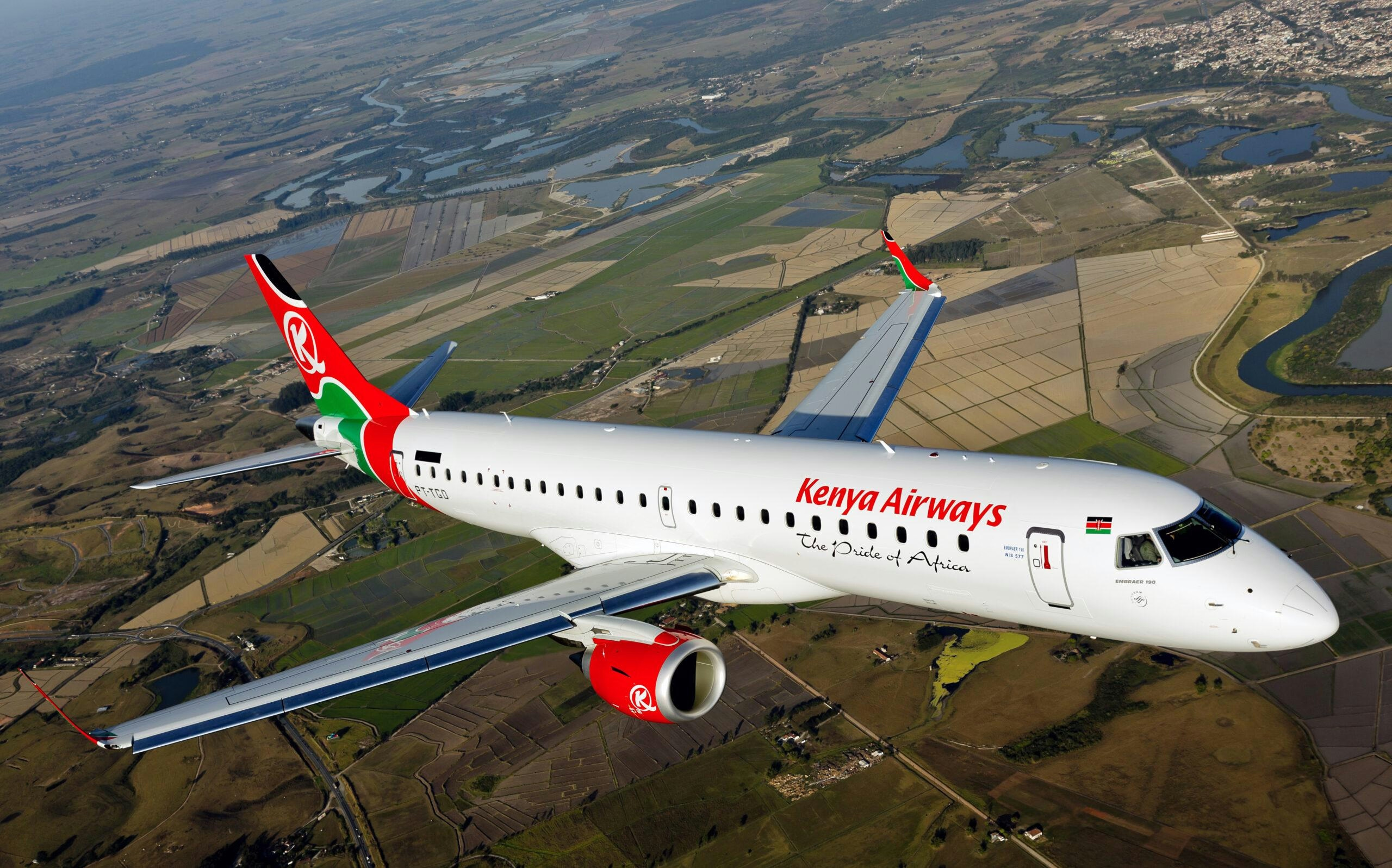
Kenya Airways Aims to Resume Operations of Grounded Fleet by Early 2027
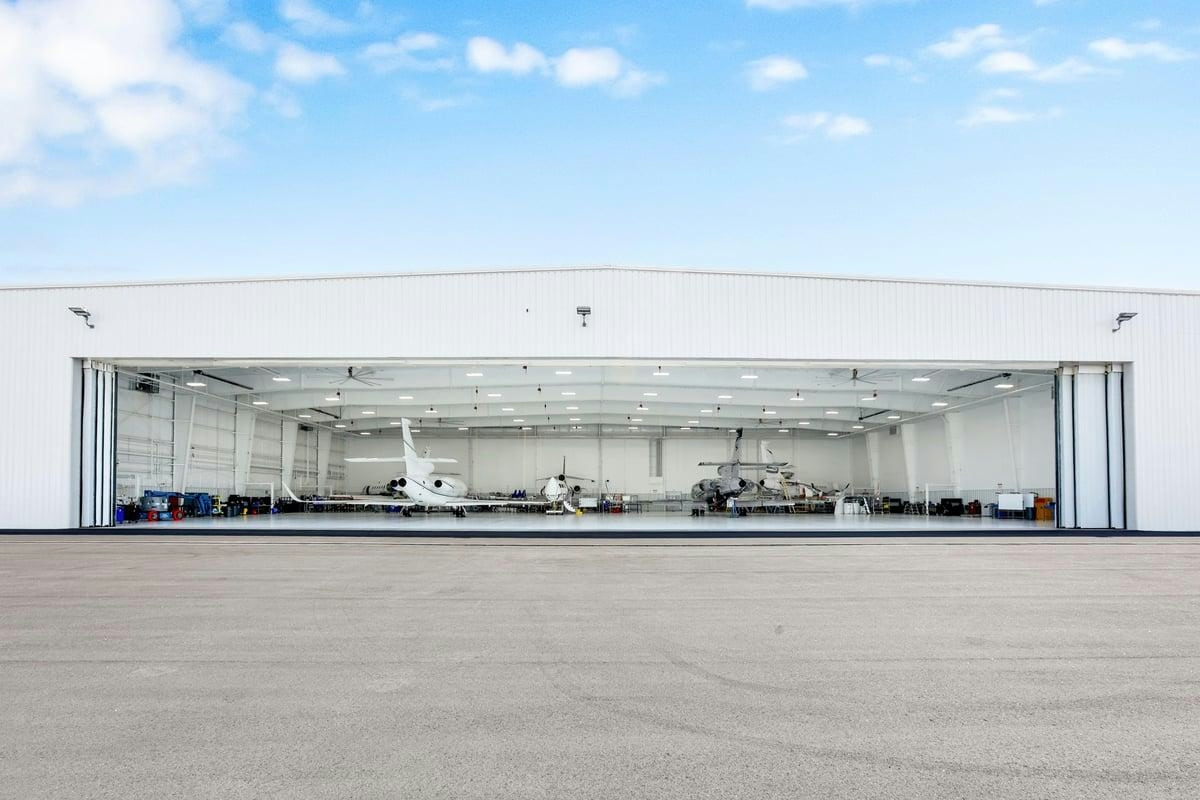
StandardAero Expands Bombardier Global MRO Services at Van Nuys Facility
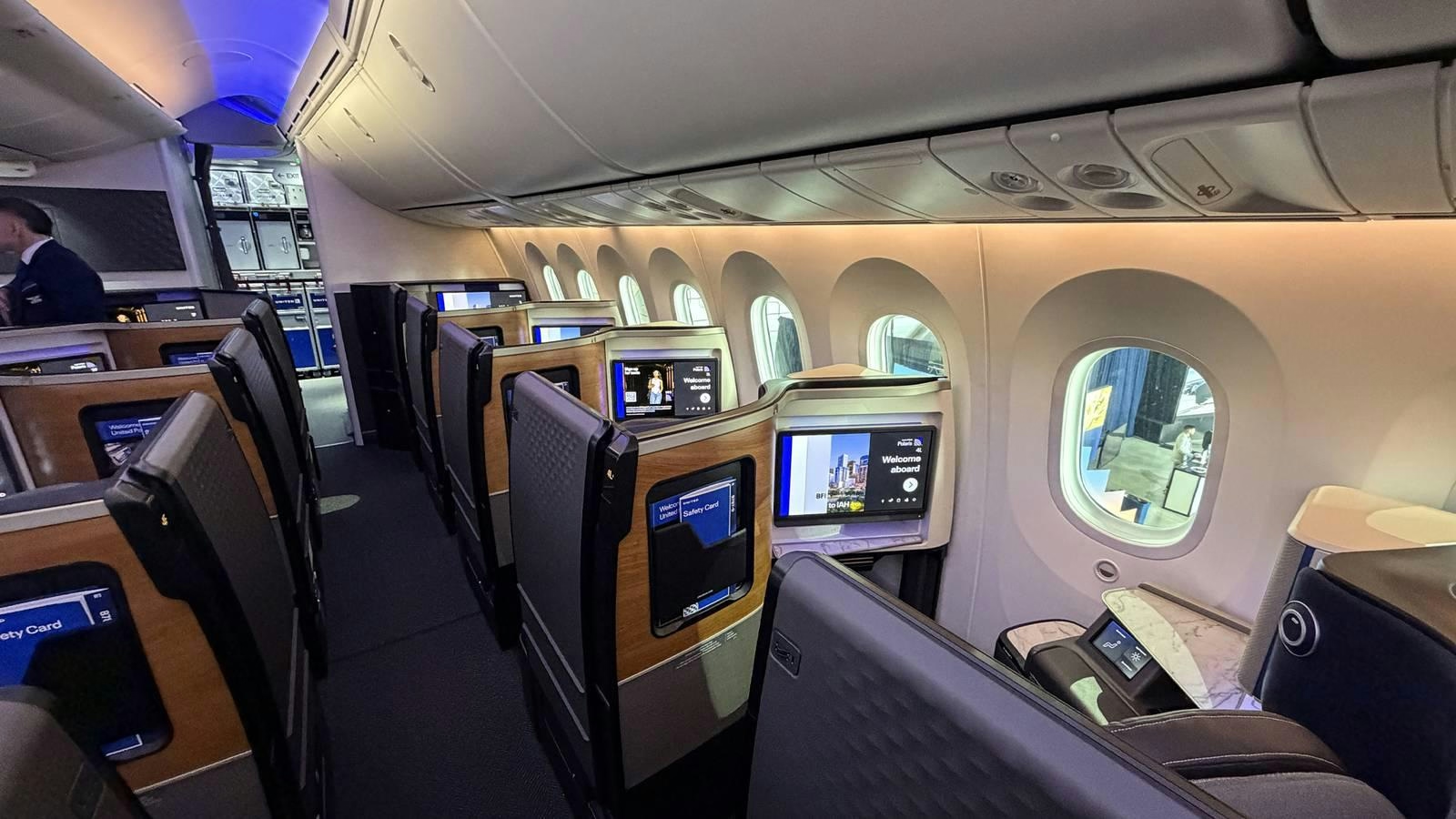
Operating Costs of a Boeing 787-9 Dreamliner Per Hour in 2026
Cabinet Urged to Form Interagency Group on Aircraft Leasing Taxation

IndiGo CEO Plans 60 Airbus A350s to Boost International Capacity by 40% by 2030

Airbus Shares Stable Amid Rising H1 2026 Deliveries and Revenue

Eight Aboard Twin-Engine Cessna Crash in Remote Alaska
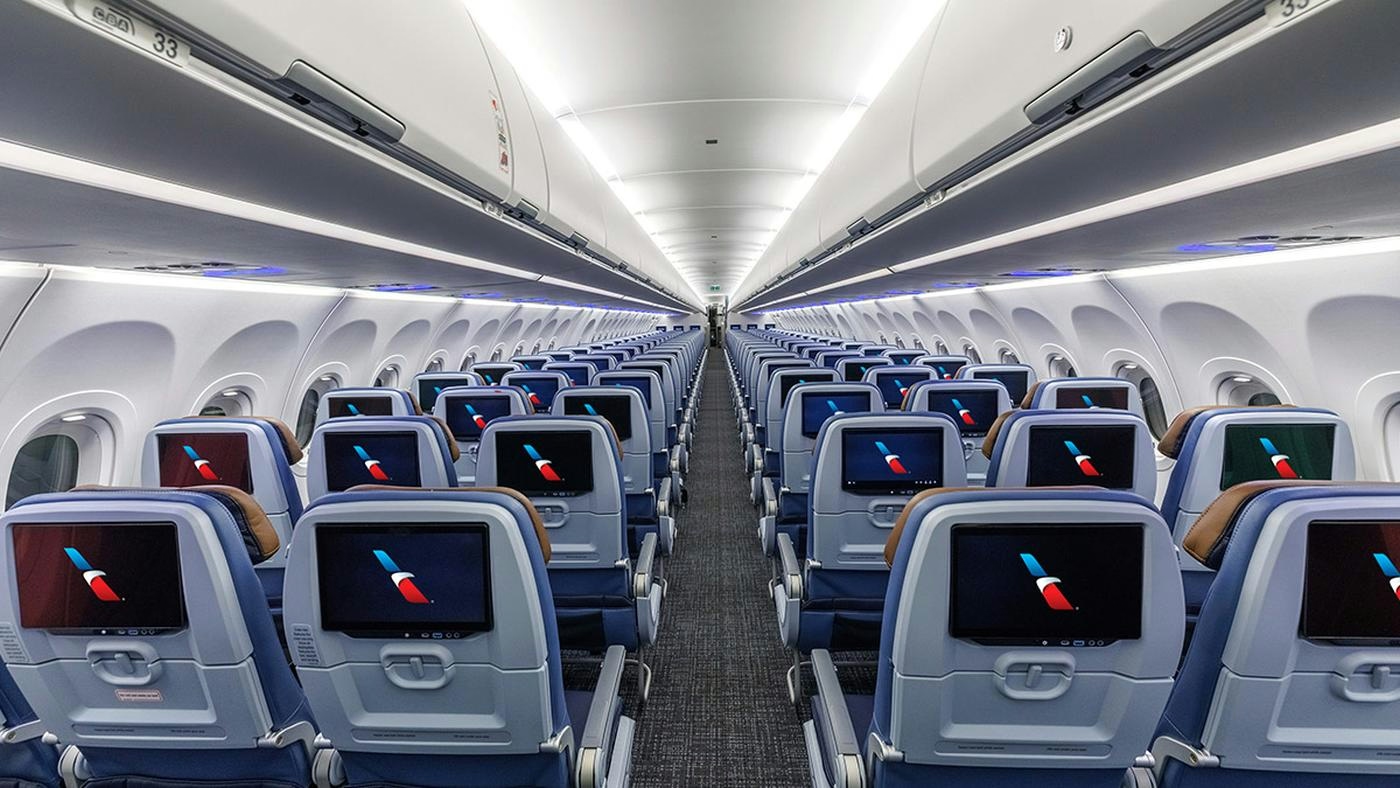
American Airlines Plans to Receive New Aircraft Deliveries in 2026

Delta Flight Returns to Atlanta Airport Due to Engine Trouble

Samoa Airways Recovers Damaged DHC-6-300 Aircraft
