
将人工智能洞察转化为可执行行动

热门趋势
Categories
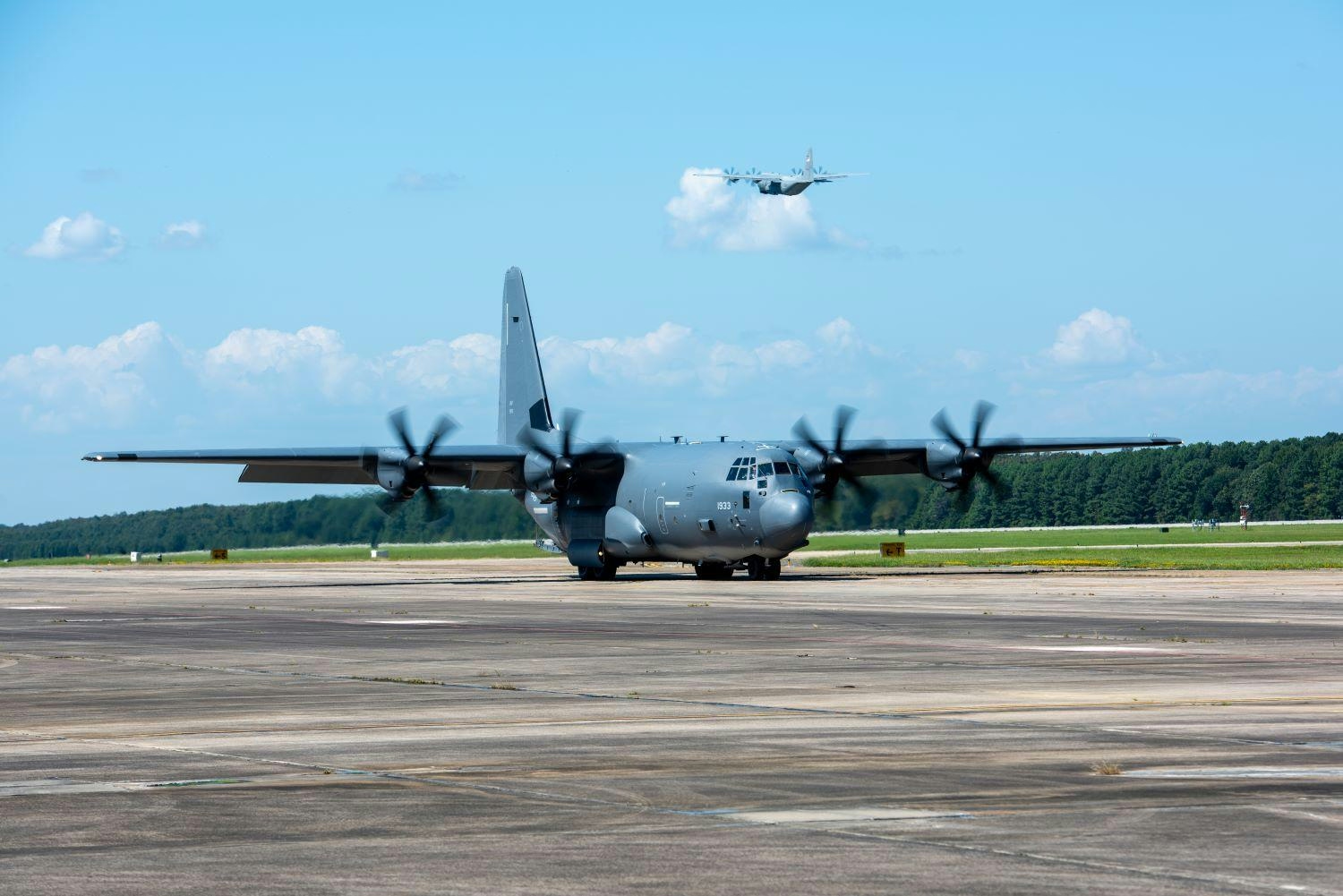
Hercules Crews Recall Landing C-130 with One or No Engines
Hercules Crews Recall Landing C-130 with One or No Engines
The C-130 Hercules, first introduced by the U.S. Air Force in 1951, remains a vital component of military airlift operations more than seventy years later. Despite its long service history, the aircraft has continuously evolved, with the latest C-130J model entering service in 1999. This version features advanced Rolls-Royce AE2100D3 turboprop engines and six-bladed composite propellers, enhancing its performance and reliability. The Hercules’ enduring reputation as a dependable workhorse is reinforced by numerous accounts from crews who have confronted extraordinary in-flight emergencies.
Challenges of Engine-Out Flight
A critical question surrounding the C-130’s operational capabilities is whether it can be safely flown and landed with only one functioning engine. James Riley, a former C-130 loadmaster with three decades of experience, offers a nuanced perspective. He explains that while takeoff on a single engine is not feasible, maintaining flight and executing a safe landing under such conditions is possible but highly dependent on various factors. These include the aircraft’s weight, ambient air temperature, and which engine remains operational. Riley emphasizes that losing three of the four engines in flight places immense pressure on the crew to keep the aircraft airborne.
Riley recalls instances where C-130s have successfully landed on a single engine, though such outcomes require meticulous fuel management, favorable weather, and consideration of airfield elevation. He describes a particularly tense episode when his crew lost two engines on the same side of the aircraft. Despite the high level of risk, the crew’s professionalism enabled them to reach an alternate airport safely within fifteen minutes.
Similarly, former crew member Cindy Hooker recounts a transatlantic flight during which her C-130 lost multiple engines before landing. She describes the aircraft’s sudden drops and recoveries as engines failed, culminating in a landing met by emergency fire crews. Despite the frightening experience and a turbulent final approach, Hooker expresses confidence in the aircraft’s capabilities and the crew’s skill, stating she would not prefer to fly in any other aircraft.
Implications for Safety and Market Perception
These firsthand accounts highlight both the resilience of the Hercules and the significant challenges faced during engine-out scenarios. Such incidents inevitably attract scrutiny from aviation regulators and insurance providers, who demand thorough incident investigations and comprehensive safety audits. Operational disruptions and logistical complications often follow, as operators reassess maintenance protocols and emergency procedures.
Market reactions to these events are closely monitored, with competitors frequently emphasizing their own aircraft’s safety records in response. This competitive dynamic can influence procurement decisions and alter market perceptions. Meanwhile, the U.S. Air Force continues to modernize its transport fleet, including the deployment of C-5M Super Galaxies, underscoring the ongoing strategic importance of large military airlifters despite the inherent risks.
The legacy of the C-130 Hercules is defined not only by its longevity and adaptability but also by the professionalism and expertise of the crews who operate it under some of the most demanding conditions imaginable.

Etihad and Swissport Extend Global Partnership

Sepehran Airlines B737 Returns to Mashhad After Tyre and Engine Issues

Etihad Deploys Widebody Fleet to Meet Strong Demand

Korean Air Finalizes $36.2 Billion Deal with Boeing
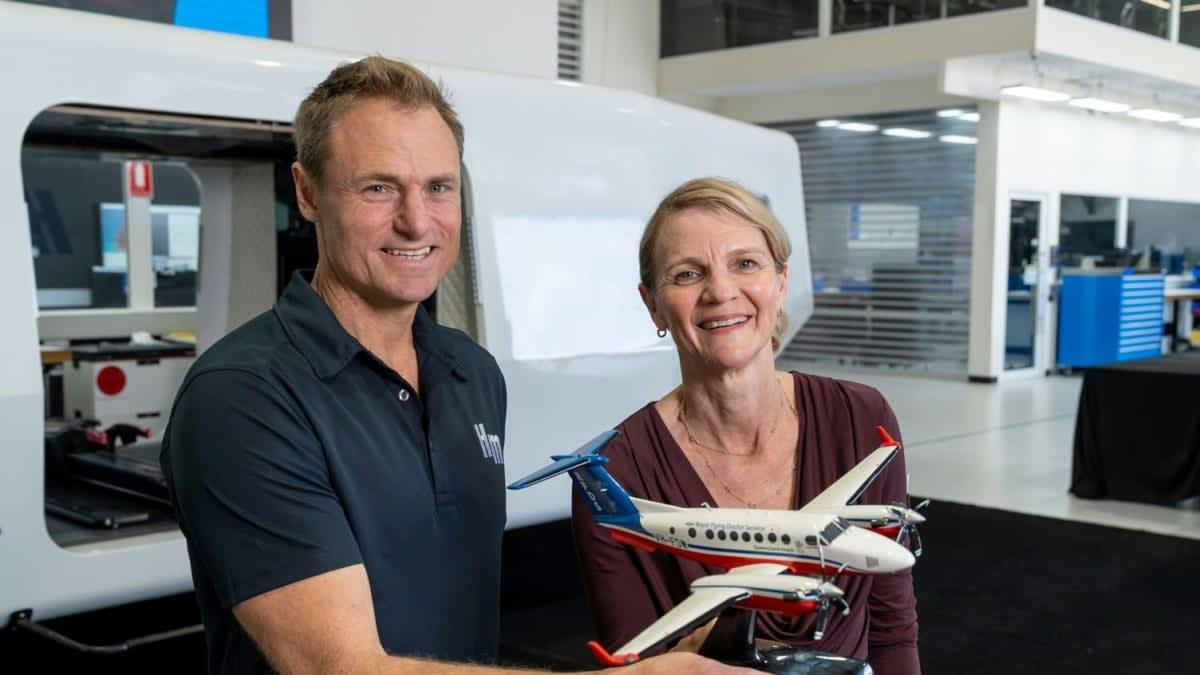
Australia’s RFDS Queensland Section Orders Six King Air 260Cs

Korean Air Finalizes Order for 103 Boeing Jets and Engines
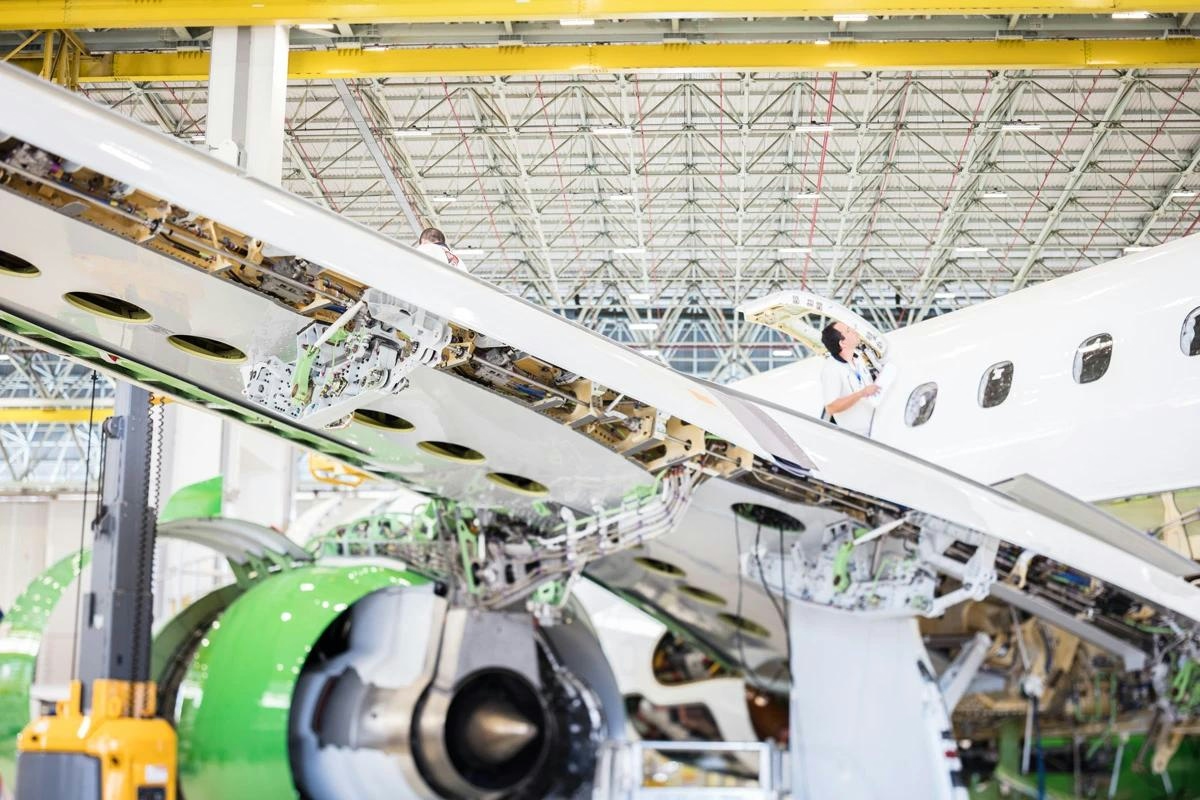
Embraer E195-E2 Features Distinctive Engine Placement Among Regional Jets
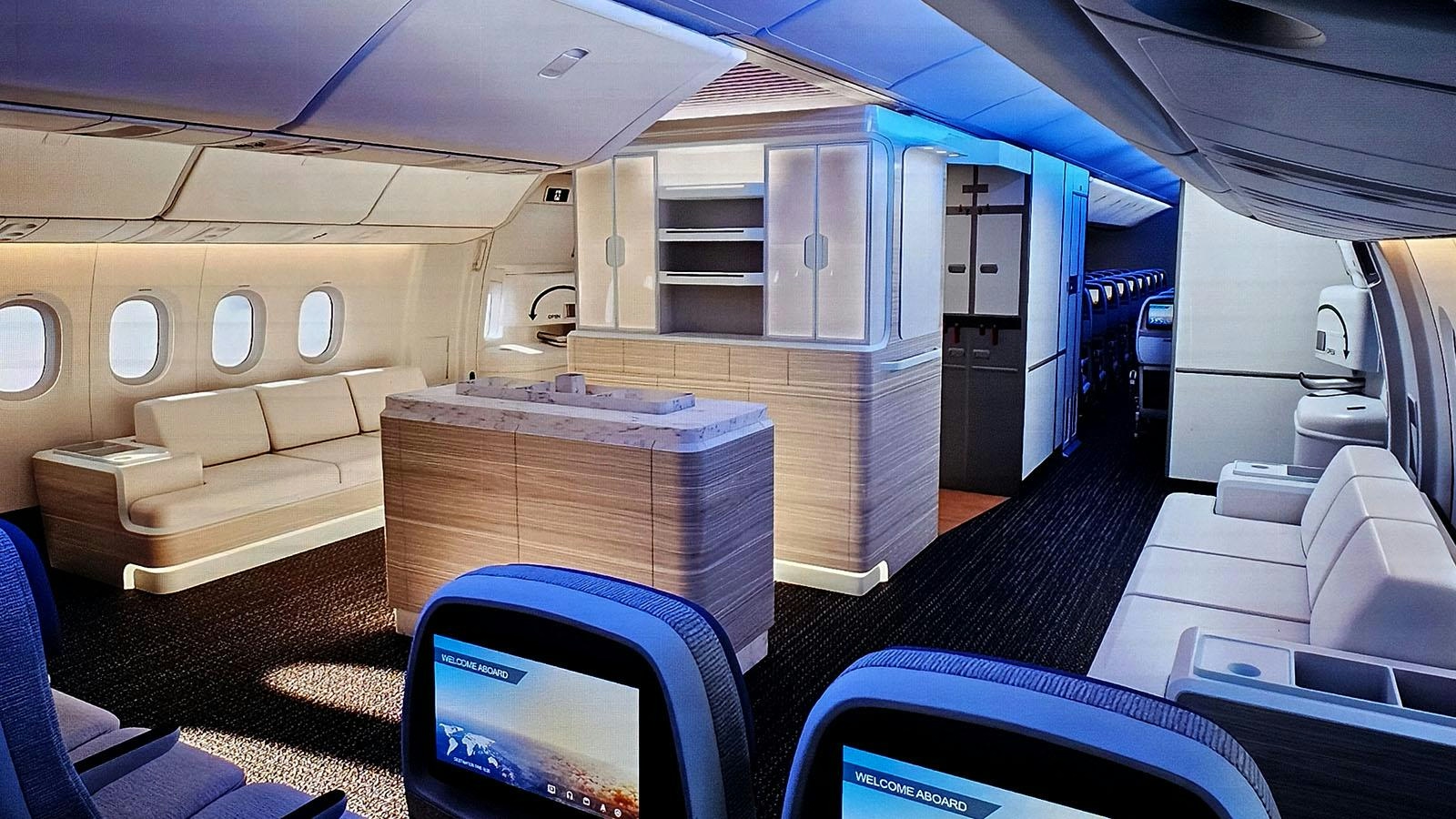
What Passengers Can Expect on Boeing’s New 777X Jet

How Ethiopian Airlines Became Africa’s Leading Carrier Amid Gulf Competition
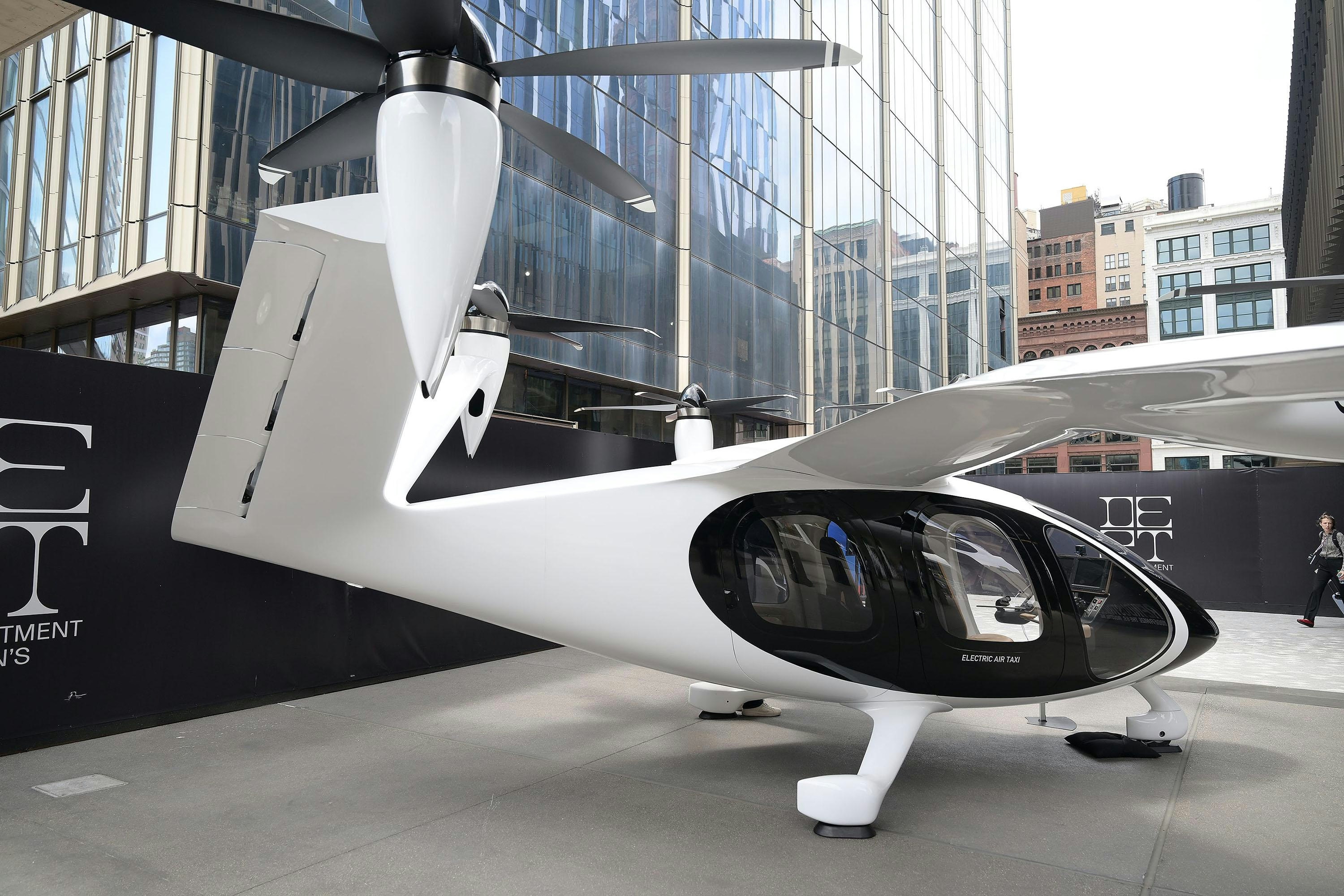
Joby Aviation Extends Autonomous Flight Capabilities with Cross-Country Tour
