
将人工智能洞察转化为可执行行动

热门趋势
Categories
IndiGo Emphasizes Digital Innovation and Fleet Expansion Following Air India's Lead
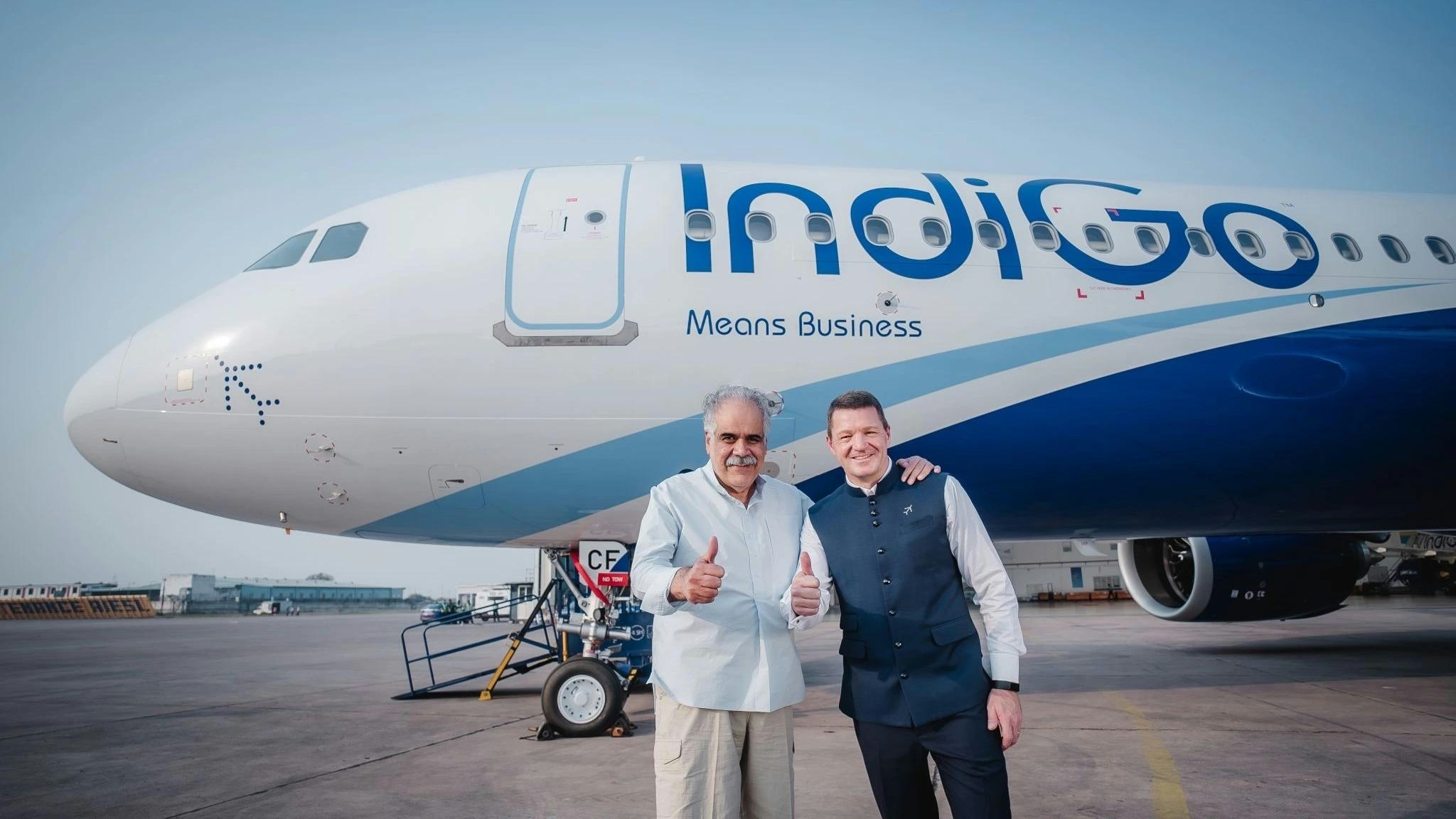
IndiGo Emphasizes Digital Innovation and Fleet Expansion Following Air India's Lead
Transforming India’s Aviation Landscape
India’s aviation industry is currently experiencing a significant transformation characterized by advancements in premium cabins, fleet modernization, and digital innovation. As Air India accelerates its extensive multi-billion-dollar revamp, IndiGo is preparing to expand its long-haul operations with the introduction of Airbus A350 aircraft and enhanced business-class services. This evolving competitive environment is prompting a shift in focus among industry players and analysts alike, who now identify operational technology, artificial intelligence, and organizational efficiency as the primary drivers of profitability and resilience, rather than traditional cabin features.
While upgraded cabins and premium products continue to capture public interest, investors are increasingly scrutinizing airlines’ digital infrastructure and operational capabilities as indicators of sustainable financial performance. Globally, airlines are investing heavily in AI-driven operations, predictive maintenance, dynamic pricing models, and digital passenger services. However, the success of these initiatives depends on the integration of comprehensive technology platforms rather than isolated technological tools.
For passengers, this shift implies that future competition will be less about seat width or entertainment options and more about operational reliability, punctuality, effective disruption management, baggage handling, digital self-service, and network robustness. As India solidifies its position as one of the fastest-growing aviation markets worldwide, investment strategies centered on digital transformation are emerging as critical determinants of long-term success.
Strategic Focus Beyond the Cabin
Traditionally, airlines competed primarily on tangible assets such as fleet size, aircraft age, premium cabins, and onboard amenities. Although modern aircraft and upgraded seating remain important for customer satisfaction and revenue generation, these factors alone no longer guarantee sustained profitability. Increasingly, airlines are prioritizing investments in integrated operational platforms, predictive maintenance systems, crew optimization, real-time disruption management, and sophisticated revenue management technologies. Collectively, these innovations have a profound impact on an airline’s daily financial outcomes.
This shift in investment philosophy reflects broader industry trends. According to Deloitte’s latest survey of airline CEOs, priorities have moved from expansion to cost control, operational reliability, and technology-enabled efficiency. Airlines are now focused on maximizing returns from existing capacity through smarter operational decisions rather than merely increasing fleet size or route networks.
Competitive Pressures and Industry Challenges
IndiGo’s commitment to digital innovation and fleet growth unfolds amid intense competition from Air India, which is simultaneously investing in premium cabins and budget fare offerings. This rivalry is expected to intensify, potentially leading to price wars and service adjustments as both carriers strive to protect or expand their market shares. While budget-conscious travelers may benefit from more competitive pricing, premium customers could express concerns over cost-cutting measures that might affect service quality.
Moreover, rising operating costs and geopolitical uncertainties—factors already affecting the European aviation sector—pose additional risks for IndiGo and its competitors. As India’s commercial aviation market continues its rapid expansion, S&P Global Ratings forecasts that airlines and airports will require substantial capital investment throughout the remainder of the decade to support growth and modernization efforts.
In this challenging environment, the ability to harness digital transformation and operational excellence will likely be decisive in determining which airlines emerge as leaders in India’s dynamic aviation sector.
Comments

Etihad and Swissport Extend Global Partnership
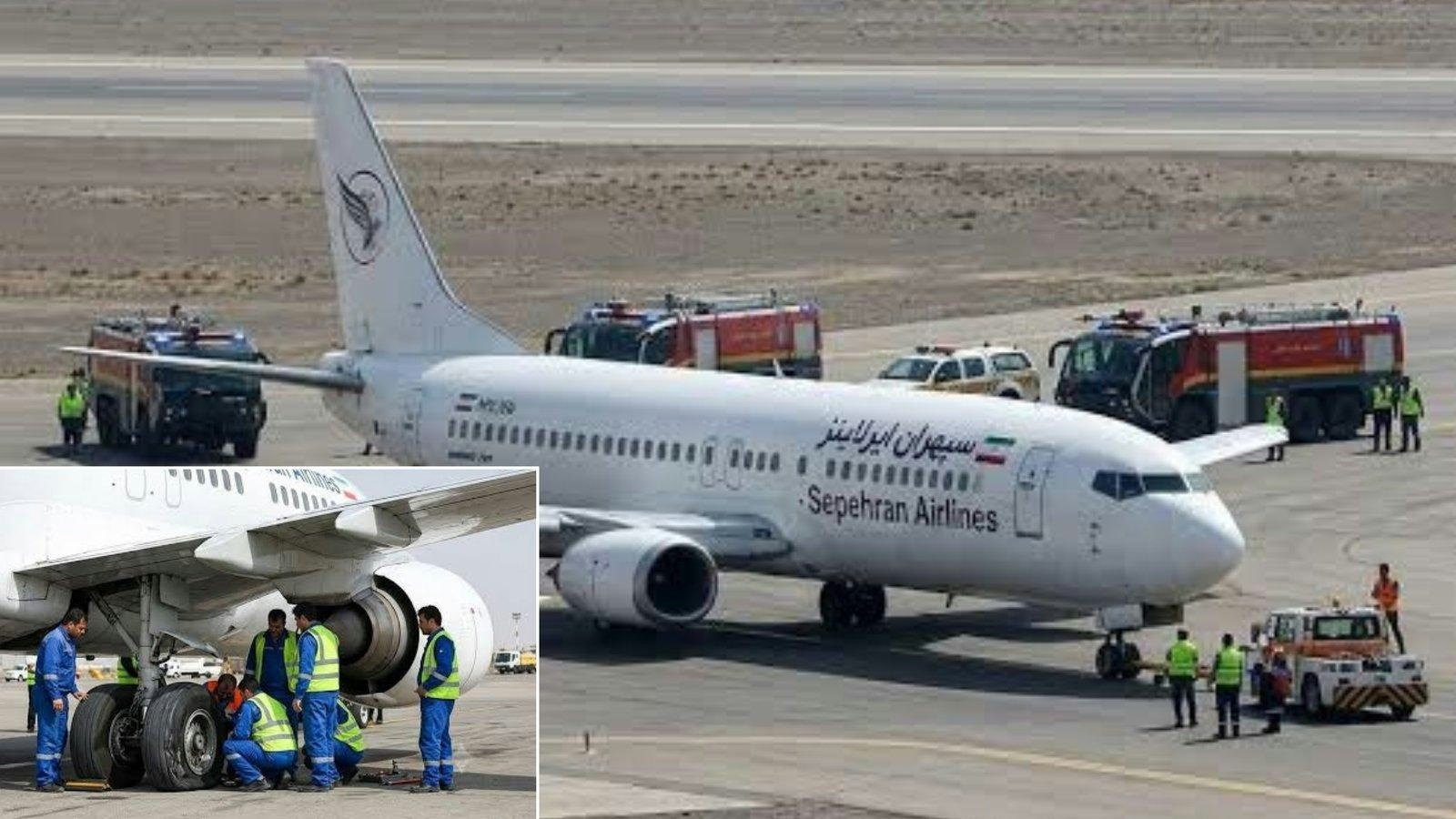
Sepehran Airlines B737 Returns to Mashhad After Tyre and Engine Issues

Etihad Deploys Widebody Fleet to Meet Strong Demand
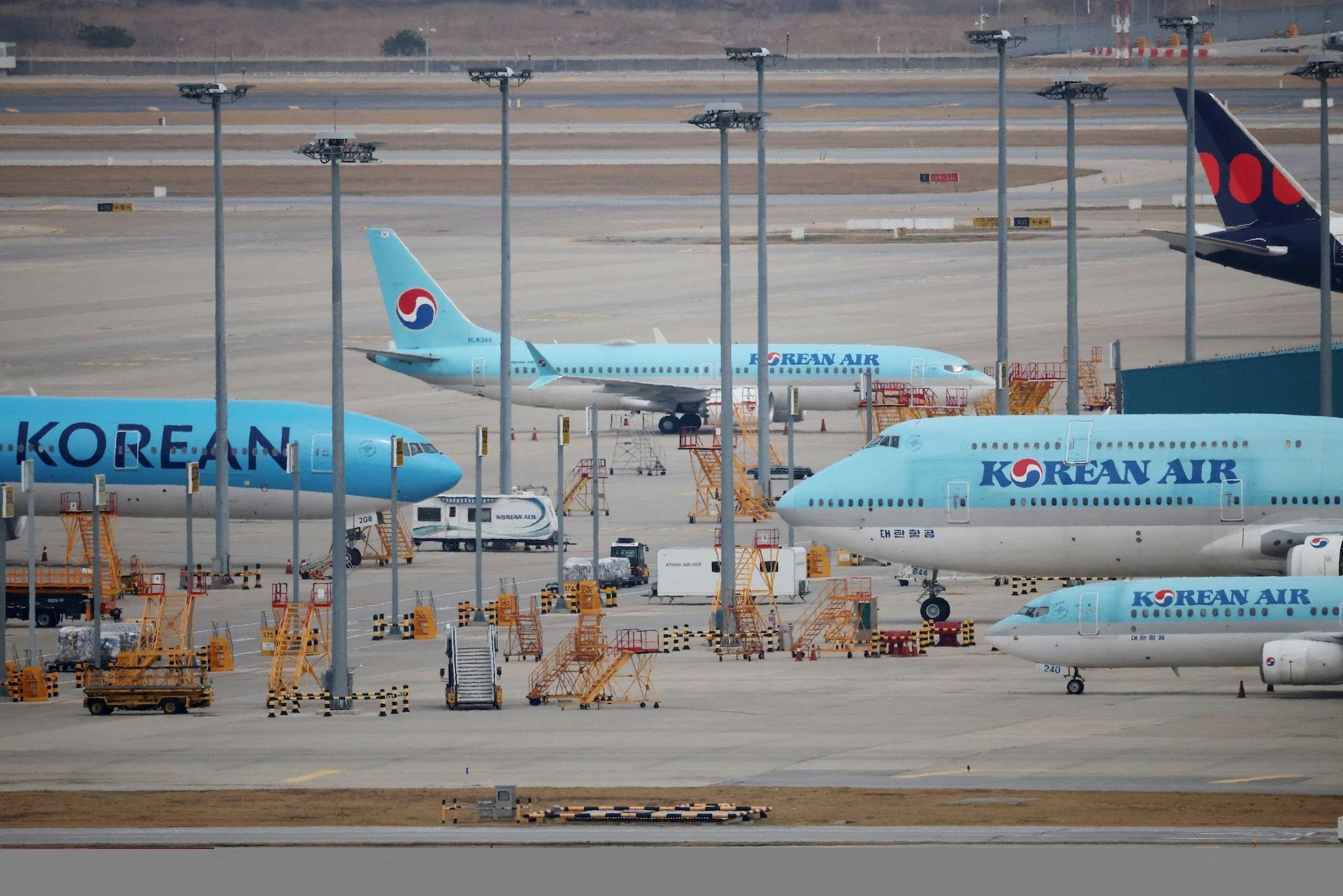
Korean Air Finalizes $36.2 Billion Deal with Boeing

Australia’s RFDS Queensland Section Orders Six King Air 260Cs

Korean Air Finalizes Order for 103 Boeing Jets and Engines
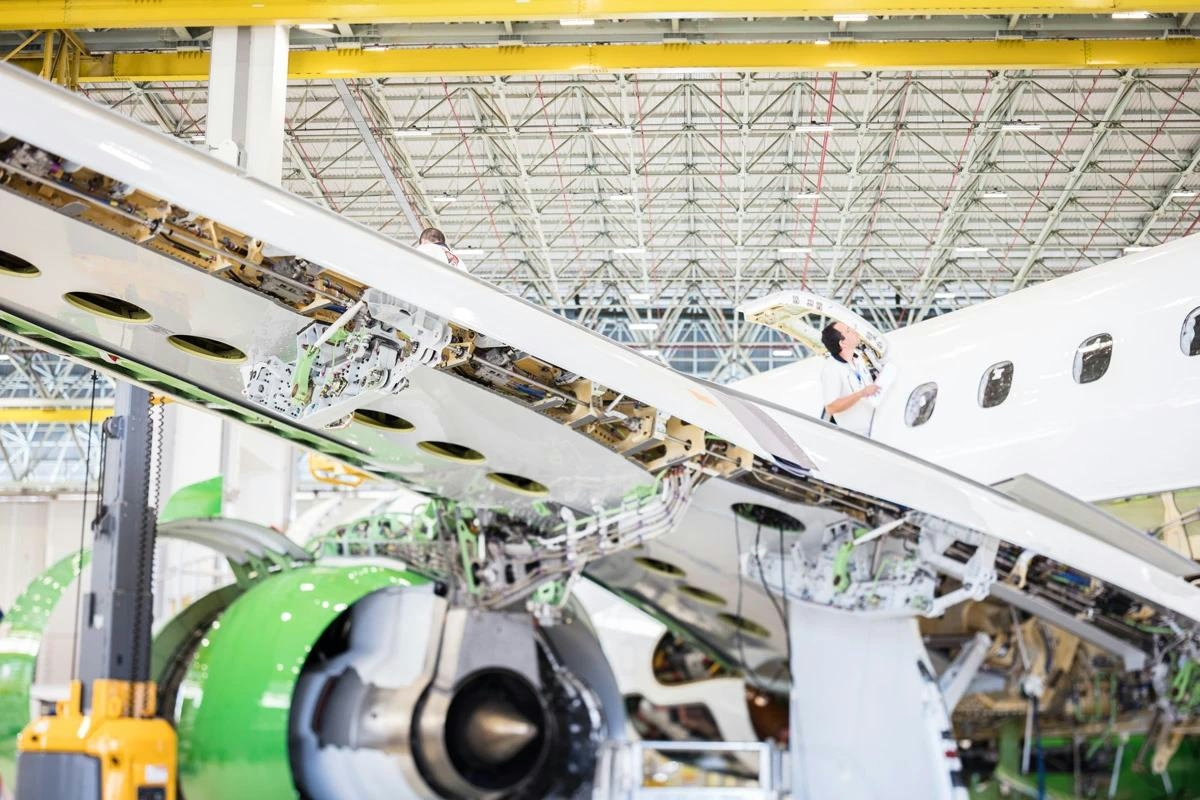
Embraer E195-E2 Features Distinctive Engine Placement Among Regional Jets
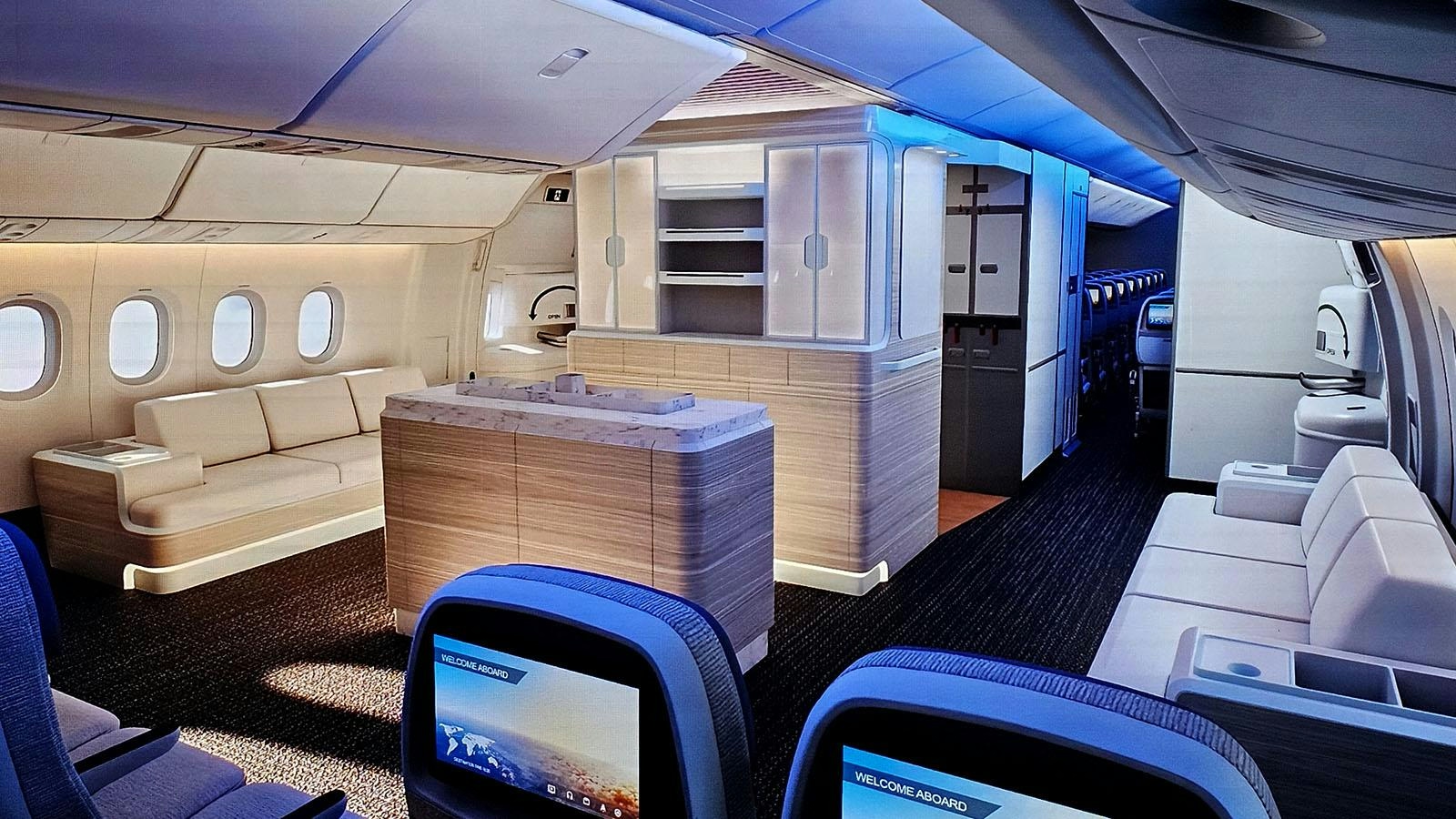
What Passengers Can Expect on Boeing’s New 777X Jet
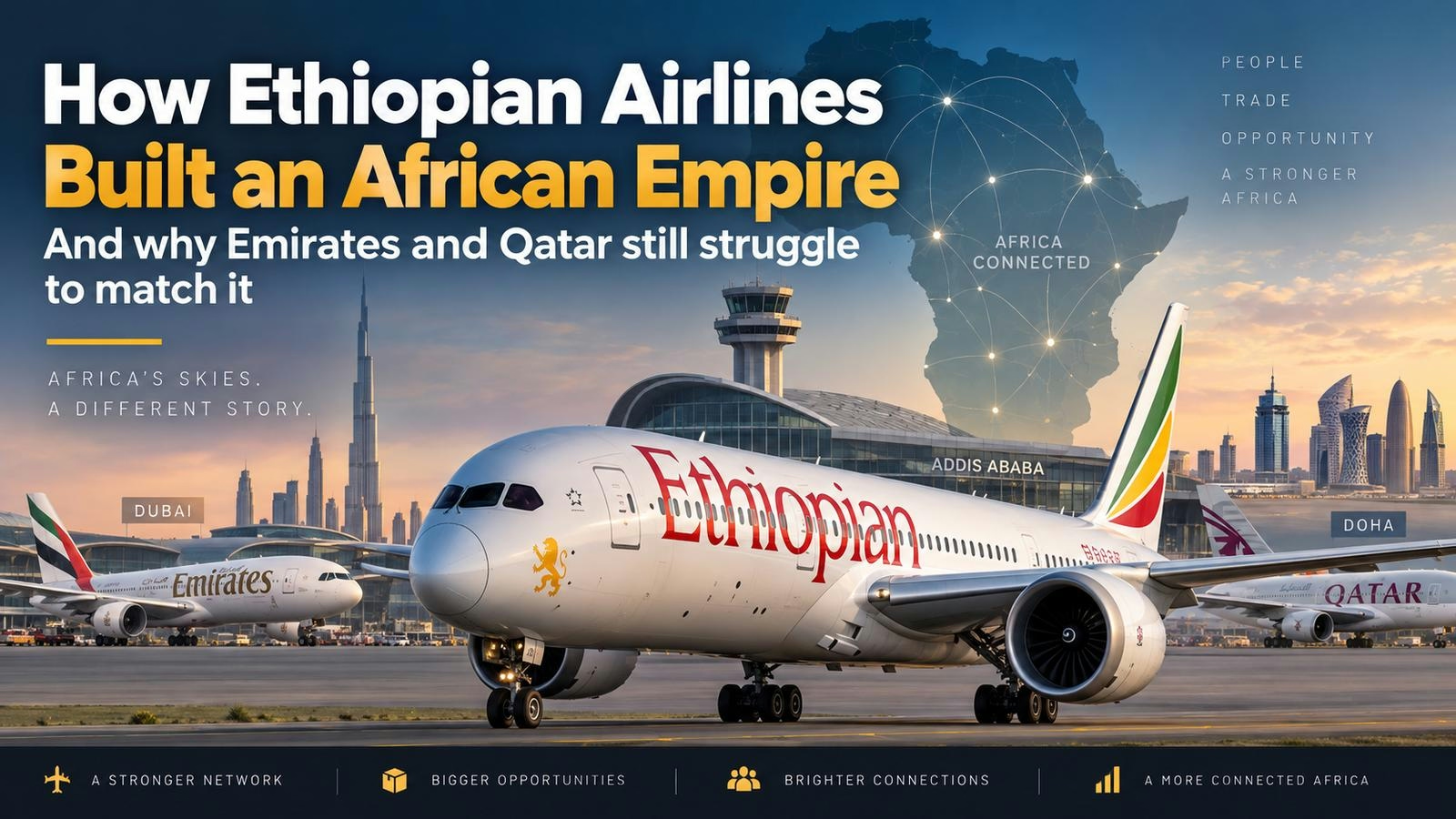
How Ethiopian Airlines Became Africa’s Leading Carrier Amid Gulf Competition
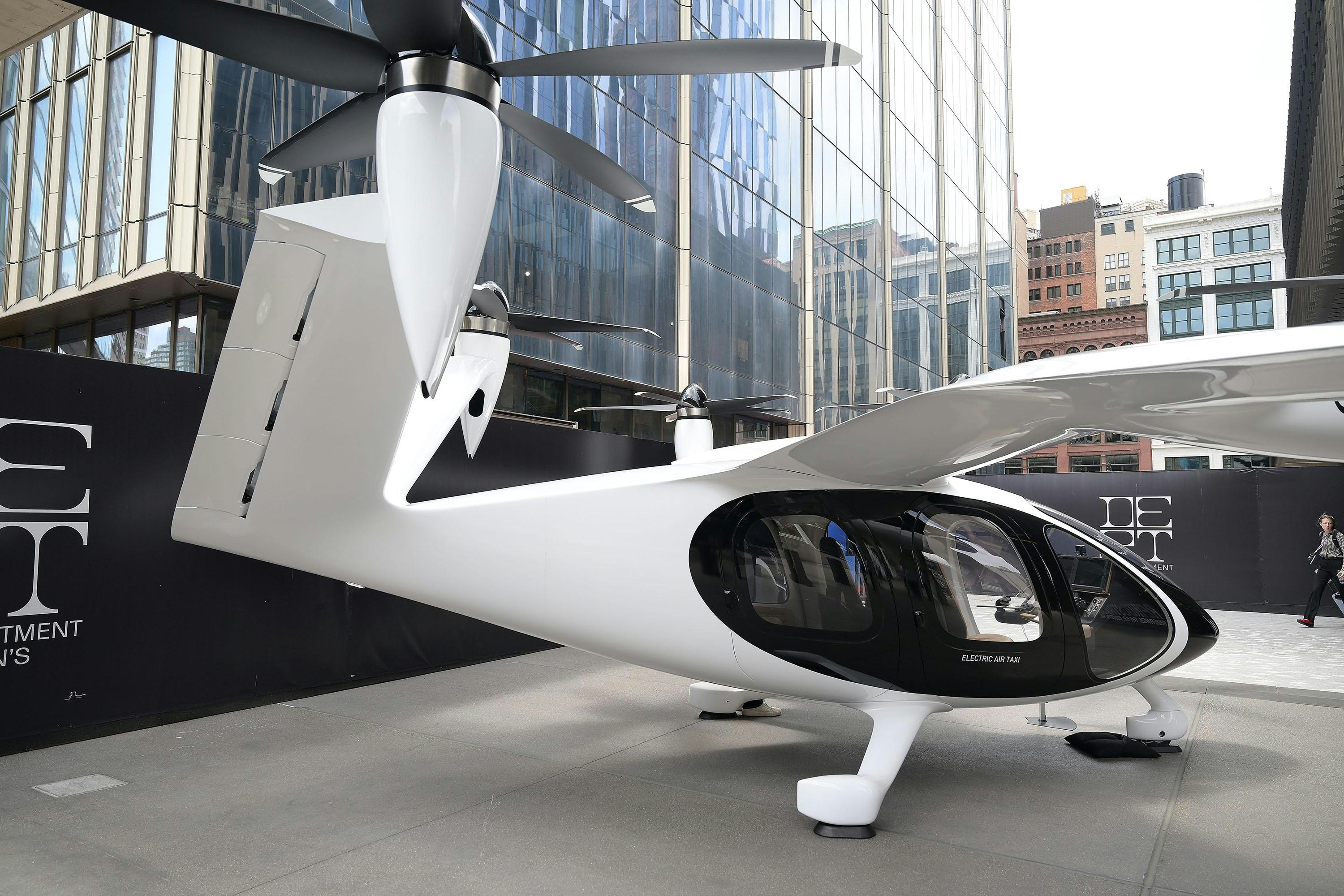
Joby Aviation Extends Autonomous Flight Capabilities with Cross-Country Tour
