
将人工智能洞察转化为可执行行动

热门趋势
Categories
Jet Engine Range Threatened by Tightening Rhenium Supplies
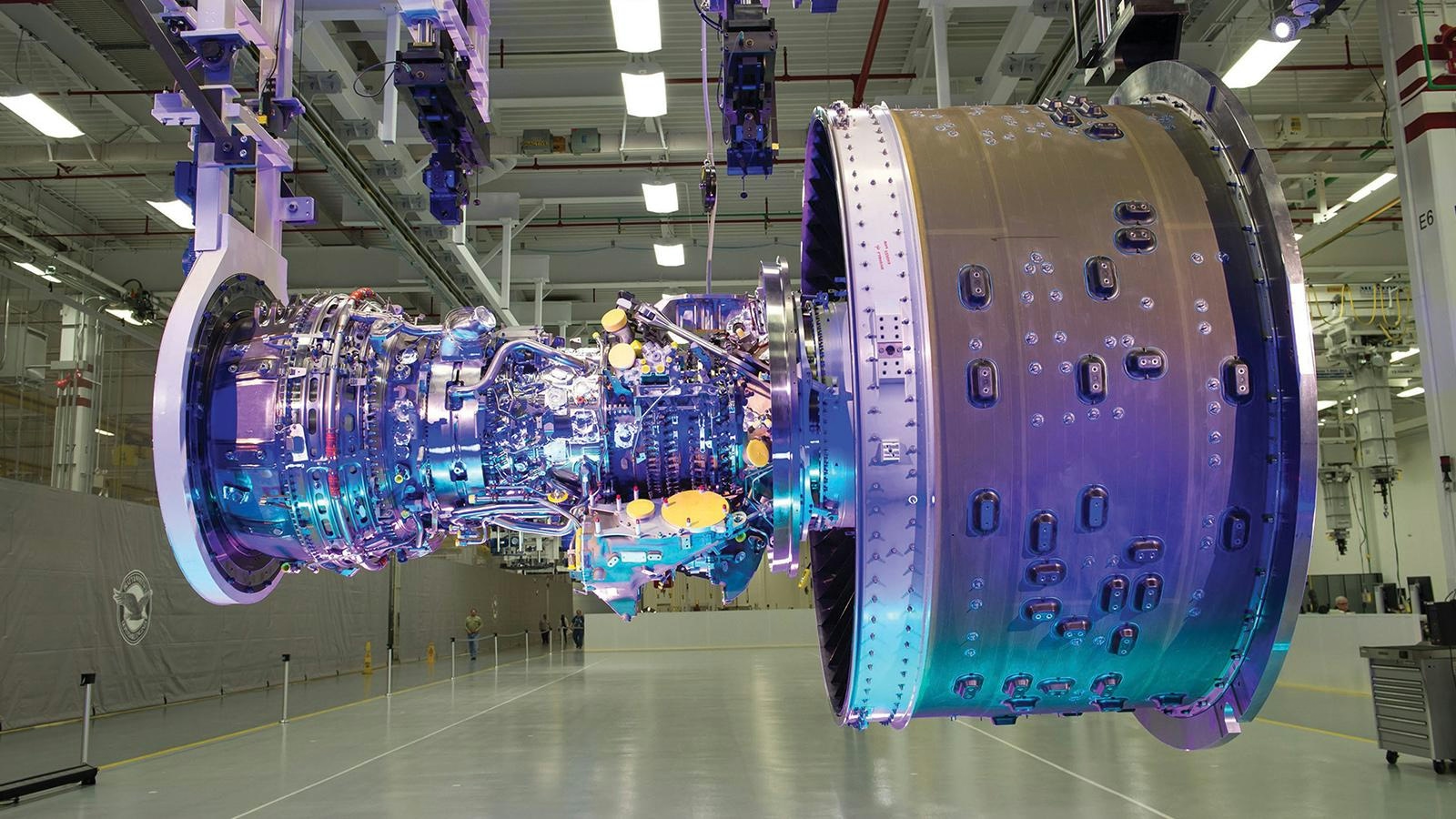
Jet Engine Range Threatened by Tightening Rhenium Supplies
Jet engines represent a pinnacle of modern aerospace engineering, composed of thousands of components fashioned from specialized metals and alloys designed to endure extreme heat, stress, and vibration. The latest generation of high-bypass turbofan engines, which power aircraft such as the Boeing 787, 777X, and Airbus A350, have revolutionized long-haul air travel by enabling ultra-long-range flights with improved fuel efficiency and reduced emissions. These advancements have largely supplanted older four-engine models. At the heart of these technological strides lies a critical yet often overlooked element: rhenium.
Rhenium: The Critical Ingredient
Rhenium is an exceptionally rare, silvery-white metal distinguished by the highest boiling point and the third-highest melting point among naturally occurring elements. These unique properties render it indispensable for aerospace applications that demand exceptional performance under high temperatures and mechanical stress, particularly in turbine blades. When alloyed with nickel, rhenium forms superalloys capable of operating at temperatures approaching 1,700°C and rotational speeds exceeding 40,000 revolutions per minute. This remarkable resilience is vital for maintaining engine efficiency, optimizing thrust-to-weight ratios, and ensuring durability.
According to data from Project Blue, approximately 80% of global rhenium production is consumed by the aerospace sector, predominantly for jet engine manufacturing. Demand for rhenium is expected to grow at an annual rate of 2.1% between 2024 and 2034, driven by increasing aircraft and engine production.
Mounting Pressure on Supply Chains
The aerospace industry’s plans to produce around 46,500 new commercial aircraft over the next two decades have intensified the need to secure adequate supplies of rhenium and other critical metals. This demand is further amplified by rising defense expenditures and new military aircraft programs, including the F-35 and Eurofighter, which require advanced engines and high-temperature alloys.
Geopolitical tensions and trade disputes have already disrupted supplies of essential materials such as yttrium and titanium. Although rhenium is used in smaller quantities, its status as a "minor metal" introduces deeper vulnerabilities. It is essential yet difficult to scale production rapidly, making supply chains particularly fragile.
Fragile and Complex Supply Chains
Global rhenium production is limited to approximately 50 to 60 metric tonnes annually, with nearly half sourced from Chile, which holds 55% of known reserves. Importantly, rhenium is not mined directly; it is recovered as a by-product of molybdenum extraction, which itself is a by-product of copper mining. This layered dependency severely restricts the ability to increase rhenium supply in response to rising demand.
The tightening availability of rhenium is already causing concern within the aerospace industry. Potential disruptions to supply chains threaten not only jet engine production but also aircraft performance and delivery schedules. Market responses are intensifying, with major manufacturers such as Airbus and Pratt & Whitney reviewing and renegotiating engine supply agreements. Competitors like Rolls-Royce are actively exploring alternative materials and new suppliers to mitigate the impact of shortages.
As the industry adapts to these challenges, the broader aerospace sector faces the prospect of increased costs and potential delays in aircraft deliveries. The reliance on rhenium highlights the urgent need for enhanced supply chain resilience and innovation in materials science to sustain the development of the next generation of jet engines.

BBN Airlines Becomes IATA Member

FAA Orders Breeze Airways and Delta to Inspect Airbus A220 Fuel Hoses

Philippine Aviation Navigates Expansion and Costs Amid Fuel Price Volatility
On April 26, 1971, an SR-71 Blackbird Flew Over 15,000 Miles in 10.5 Hours, Limited by Liquid Nitrogen Supply
Boeing 747 Airframe Valued Less Than One Landing Gear Component

The Rear-Fan Engine Behind the Crash of the World's Fastest Airliner
Morphing Aircraft Skin Improves Safety and Fuel Efficiency

BRICS Nations Commit to Enhanced Cooperation on Sustainable Transport and Green Aviation
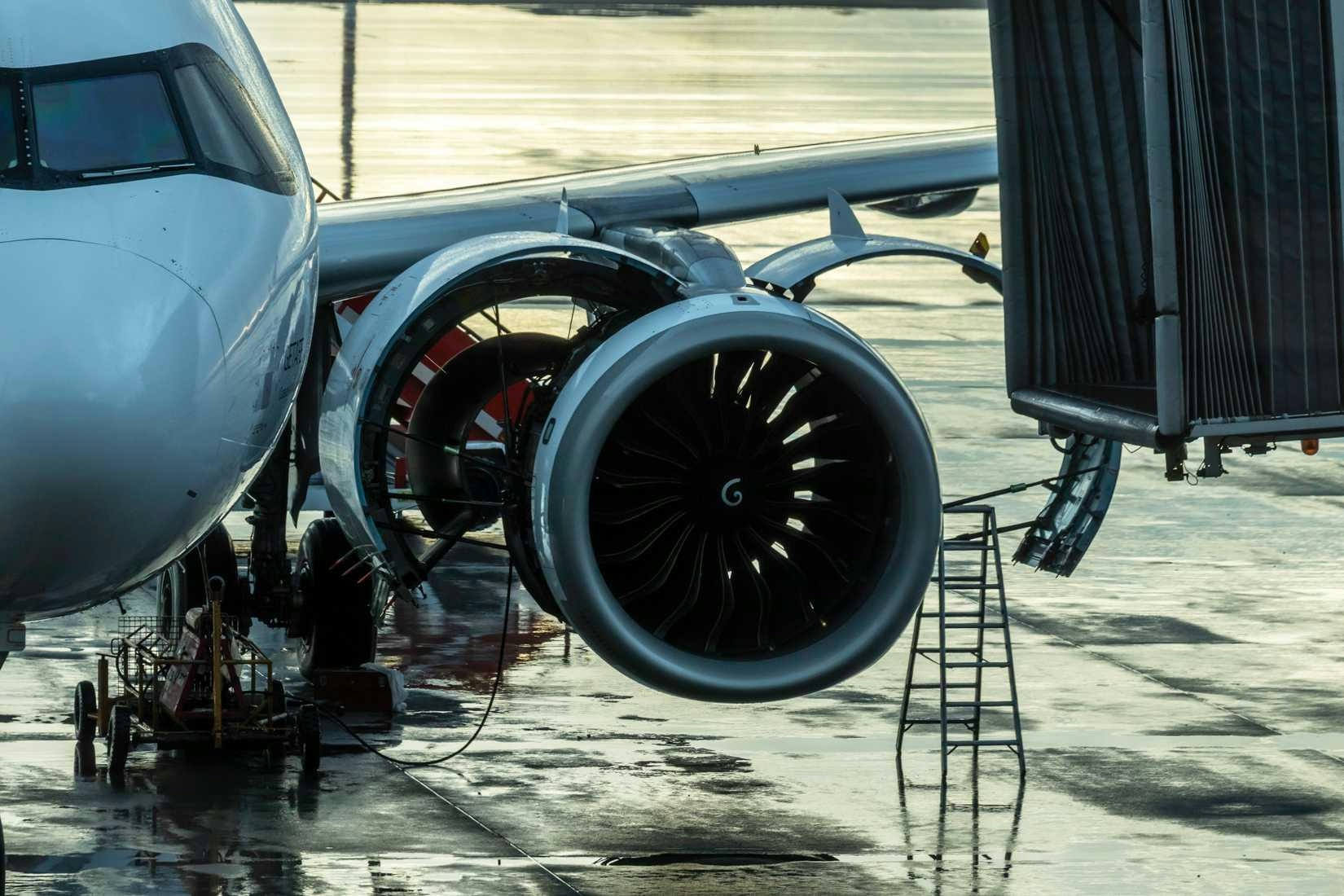
CFM Turbine Upgrade Doubles LEAP Engine Service Life in Harsh Conditions
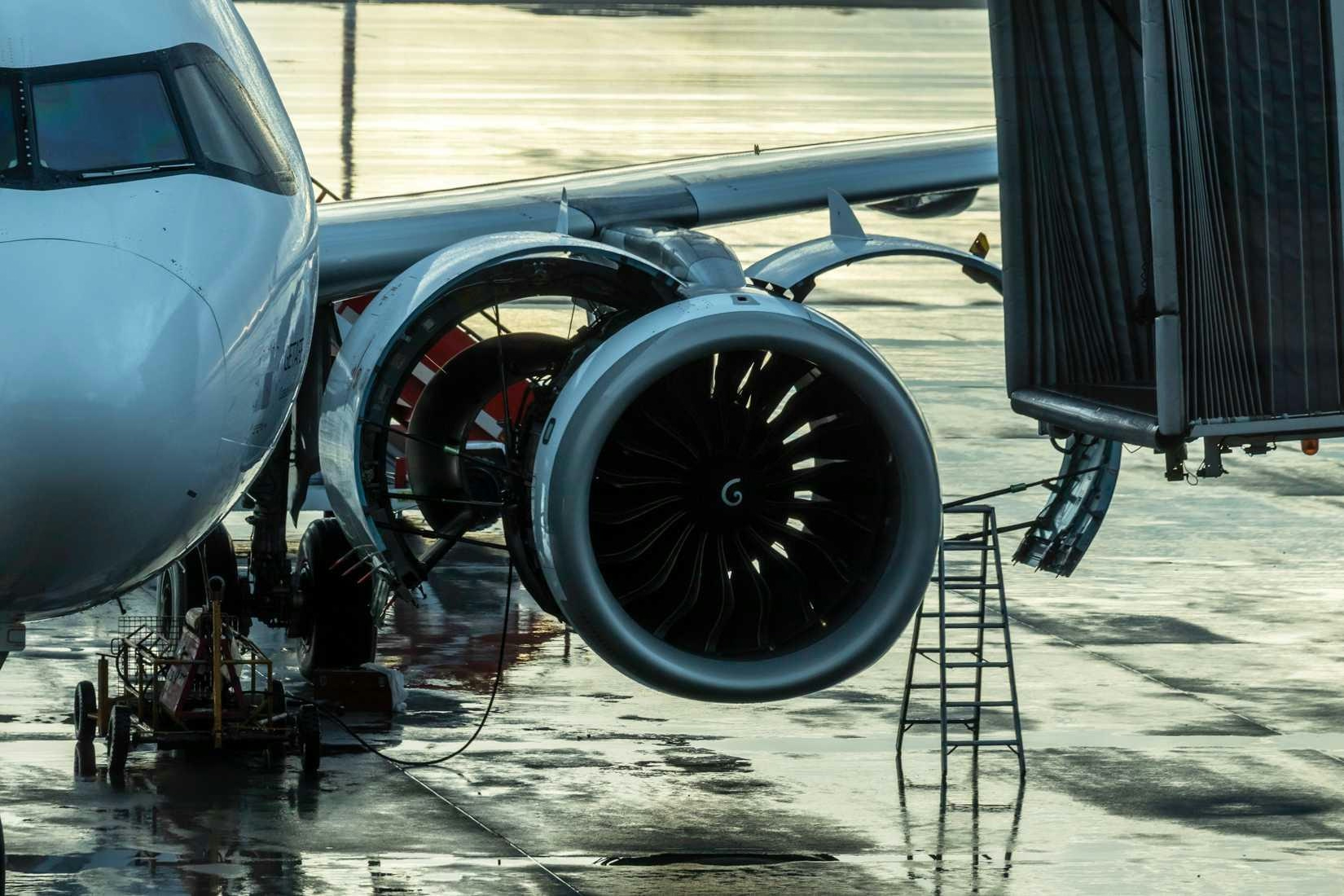
CFM Upgrade Doubles LEAP Engine Lifespan in Harsh Climates
