
将人工智能洞察转化为可执行行动

热门趋势
Categories
Long-Term Preservation of CF34 Engines
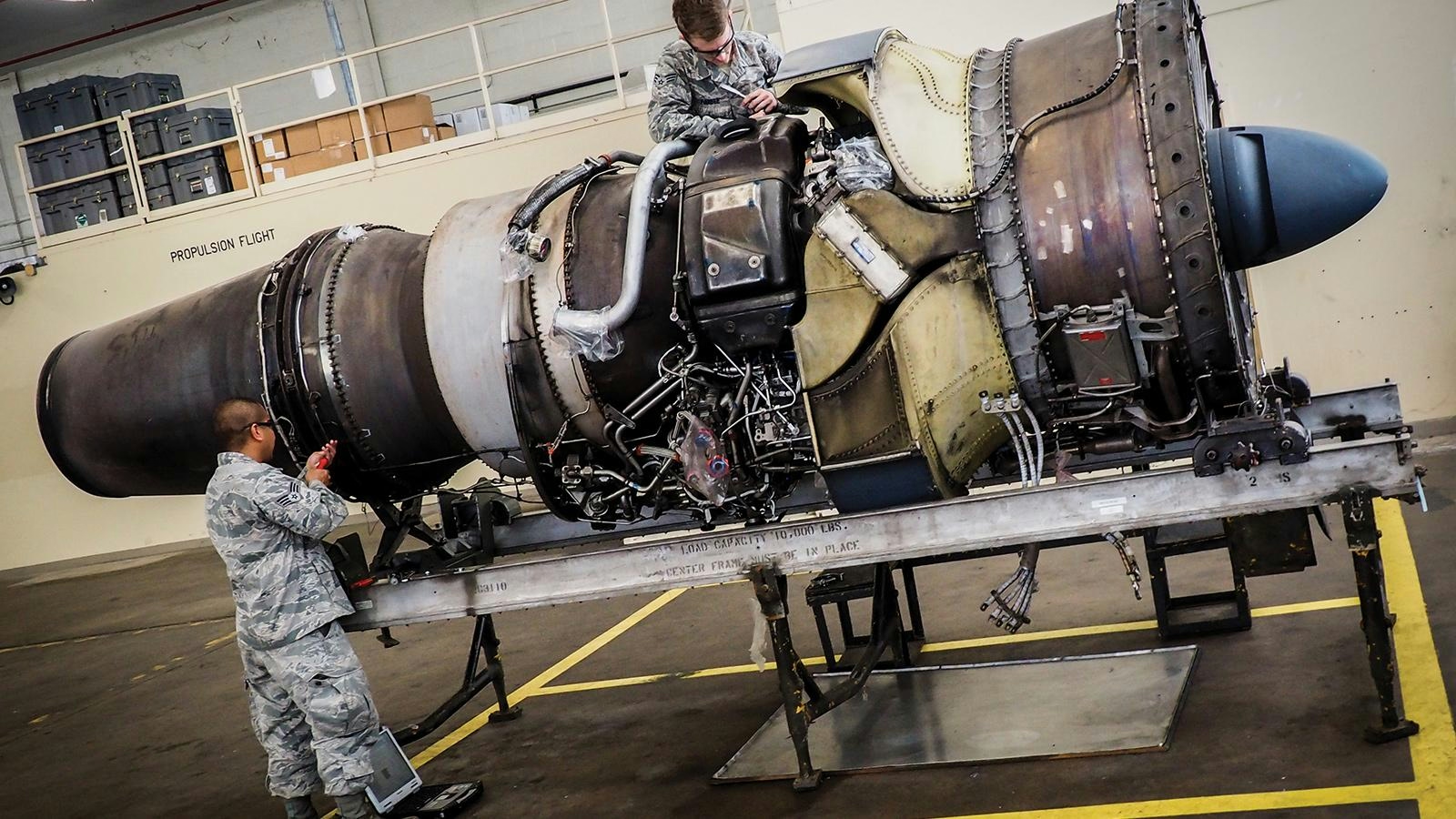
Long-Term Preservation of CF34 Engines: Maintenance and Industry Dynamics
Proper long-term preservation of CF34 engines is essential to maintaining their reliability and operational readiness, particularly as airlines place greater emphasis on durability and managing ownership costs. GE Aviation’s recommended maintenance procedures for CF34 engines, which cover preservation periods ranging from 180 days to two years, stress the importance of adhering strictly to approved aircraft or engine manuals and employing appropriate safety equipment. These guidelines are designed to help operators safeguard engine integrity during extended storage, thereby reducing the risk of corrosion and mechanical deterioration.
Challenges in Maintenance and Market Pressures
Despite these established procedures, the preservation process presents several challenges. Airlines have expressed concerns regarding the durability of CF34 engines and the escalating costs associated with their ownership, especially as aging fleets demand more intensive maintenance. Compounding these issues, the industry faces supply constraints amid a surge in demand for engine repairs and spare parts. This increased demand has strained maintenance schedules and parts availability, compelling both operators and manufacturers to respond with agility.
Market Outlook and Competitive Landscape
Nonetheless, market sentiment remains optimistic. GE Aerospace recently raised its profit forecast for 2026, attributing this to sustained demand for engine maintenance and support services despite persistently high fuel prices. The company has adopted a proactive stance, exemplified by strategic agreements such as its recent contract with SPDB Financial Leasing for CF34-10A spare engines. This deal aims to bolster fleet operations and accommodate anticipated growth.
The competitive environment is also intensifying. CFM International, a principal competitor, has secured substantial contracts for its LEAP-1A engines with airlines including Avianca and FlyOne Armenia. These developments underscore the fierce competition within the commercial engine market and highlight manufacturers’ ongoing efforts to meet customer requirements, navigate supply chain challenges, and seize new business opportunities.
As airlines and lessors contend with these complexities, strict adherence to proper long-term preservation procedures remains vital. Operators are advised to consult official maintenance documentation and prioritize safety measures to ensure their CF34 engines remain service-ready, supporting both current operations and future expansion in a dynamic market landscape.

Etihad and Swissport Extend Global Partnership

Sepehran Airlines B737 Returns to Mashhad After Tyre and Engine Issues

Etihad Deploys Widebody Fleet to Meet Strong Demand

Korean Air Finalizes $36.2 Billion Deal with Boeing

Australia’s RFDS Queensland Section Orders Six King Air 260Cs

Korean Air Finalizes Order for 103 Boeing Jets and Engines

Embraer E195-E2 Features Distinctive Engine Placement Among Regional Jets

What Passengers Can Expect on Boeing’s New 777X Jet

How Ethiopian Airlines Became Africa’s Leading Carrier Amid Gulf Competition

Joby Aviation Extends Autonomous Flight Capabilities with Cross-Country Tour
