
将人工智能洞察转化为可执行行动

热门趋势
Categories
Lufthansa and Boeing Discuss Future of Delayed 777X Deliveries
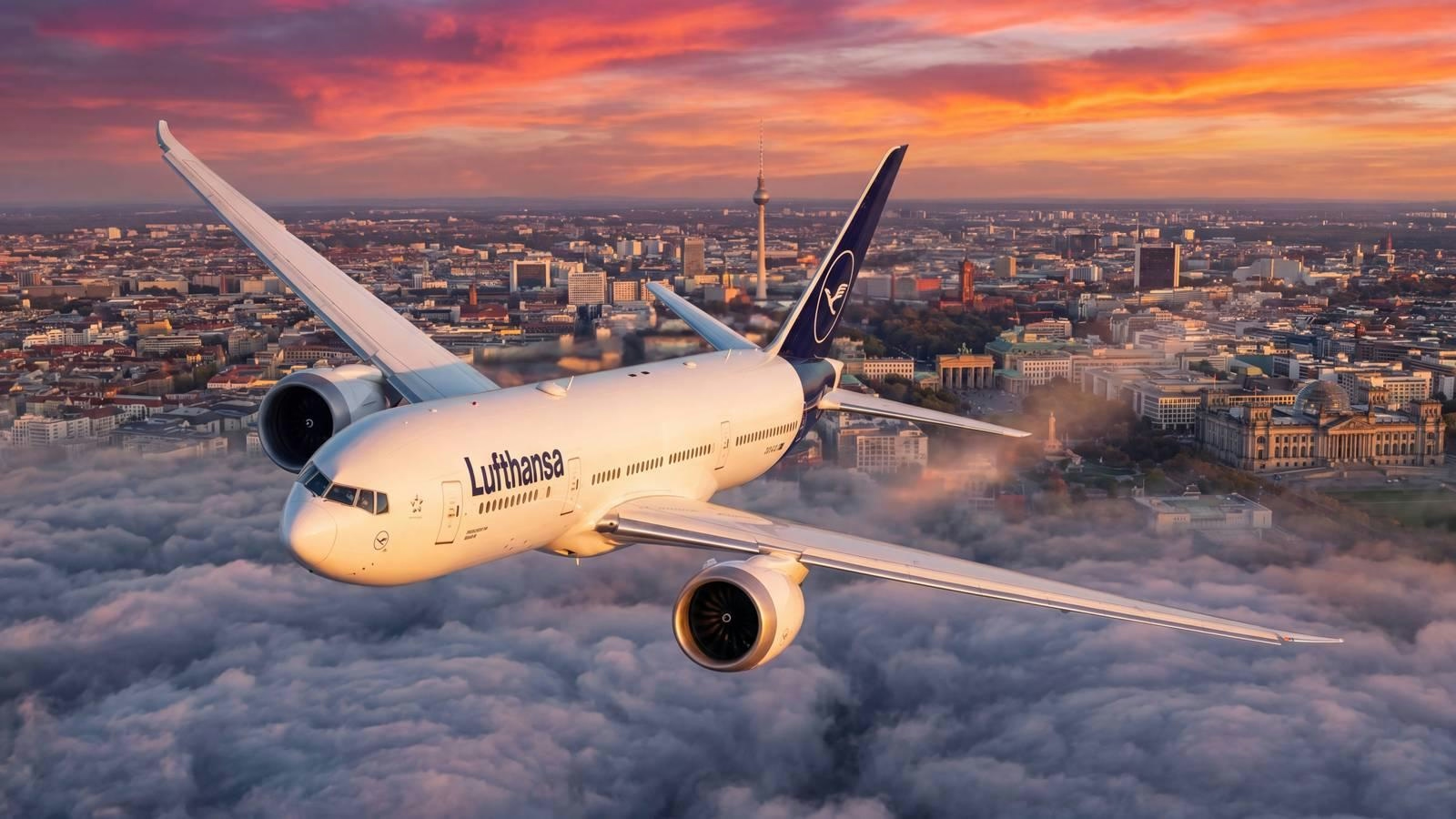
Lufthansa and Boeing in Dispute Over Delayed 777X Deliveries
Intensifying Negotiations Amid Certification Setbacks
Lufthansa, the German flag carrier and launch customer of Boeing’s 777X, is escalating discussions with the American aircraft manufacturer regarding the delivery and acceptance of several early-built 777X aircraft. Persistent certification delays have cast uncertainty over the airline’s extensive fleet renewal strategy, prompting Lufthansa to consider rejecting some of the earliest produced 777-9 jets. The airline is also demanding significant upgrades to other units before they can be integrated into commercial operations.
During a recent analyst call, Lufthansa Group CEO Carsten Spohr expressed serious reservations about the suitability of these early production aircraft, concerns that mirror those previously voiced by Emirates. Spohr revealed that Lufthansa is assessing which of the stored 777X airframes can be modernized—potentially with Boeing’s financial assistance—and which should be refused outright due to the extensive modifications required. The airline’s position underscores the operational and financial challenges posed by accepting unmodified aircraft that may compromise efficiency and increase costs.
Challenges Facing the 777X Program
The Boeing 777X, designed as the world’s largest twin-engine jet featuring fuel-efficient GE9X engines and innovative folding wingtips, has experienced one of the most protracted development delays in recent commercial aviation history. Years of certification setbacks have resulted in multiple test and early production aircraft being placed in storage. These airframes now require substantial structural alterations, flight-control system updates, and intensive maintenance before they can enter passenger service.
For Lufthansa, accepting these aircraft without modification would entail higher operating costs and weight penalties, undermining the anticipated efficiency gains of the new model. Spohr emphasized the airline’s willingness to take delivery of modernized aircraft, provided Boeing offers financial support to offset the costs associated with necessary upgrades. Lufthansa is also seeking compensation or revised delivery schedules to mitigate the operational disruptions caused by the delays.
Impact on Lufthansa’s Fleet Strategy and Industry Implications
The ongoing 777X delays have compelled Lufthansa to adjust its long-term fleet strategy amid the largest renewal program in its history. To bridge capacity gaps, the airline has increased orders for Airbus A350-900s and Boeing 787-9 Dreamliners. Additionally, Lufthansa is reportedly initiating a competitive evaluation among manufacturers for new widebody aircraft, with potential orders for Airbus A350-1000s or Boeing 777-9s slated for delivery from 2033.
This dispute highlights broader challenges confronting Boeing as it seeks to bring the 777X to market. Certification delays and the extensive rework required on early-built aircraft have raised questions about the jet’s performance, particularly as some U.S. carriers pivot toward point-to-point routes rather than traditional hub-and-spoke networks.
The resolution of Lufthansa’s negotiations will be closely monitored by the global aviation industry, as it may establish a precedent for how Boeing manages early fleet commitments amid ongoing certification difficulties. Should a financial agreement prove elusive, Lufthansa may further pivot its long-haul orders toward alternative widebody platforms, presenting additional risks to Boeing’s flagship program. Successfully resolving these issues is critical to restoring confidence in the 777X and ensuring its eventual commercial success.

Etihad Airways Suspends Airbus A380 Flights on Key Route

Aditya Birla Group Seeks Approval for Aircraft Leasing in GIFT City

Qatar Airways Highlights Innovation and Connectivity at Arabian Travel Market 2026

Hong Kong's Five-Year Plan Includes Andrew Fan's Aircraft Parts Processing Hub Proposal

ACIA Aero Leasing Delivers ATR72-600 to Air Nostrum

RTX Appoints Jill Albertelli as Head of Pratt & Whitney

TAT Technologies Joins Beyond Aero Hydrogen Aircraft Program

AURAK Study Highlights Barriers to Air Taxi Adoption in Emerging Economies

Xiamen Air Selects Altitude for 787 Maintenance at Heathrow

Etihad and Swissport Extend Global Partnership
