
将人工智能洞察转化为可执行行动

热门趋势
Categories
Lufthansa Systems Establishes IT Subsidiary in India
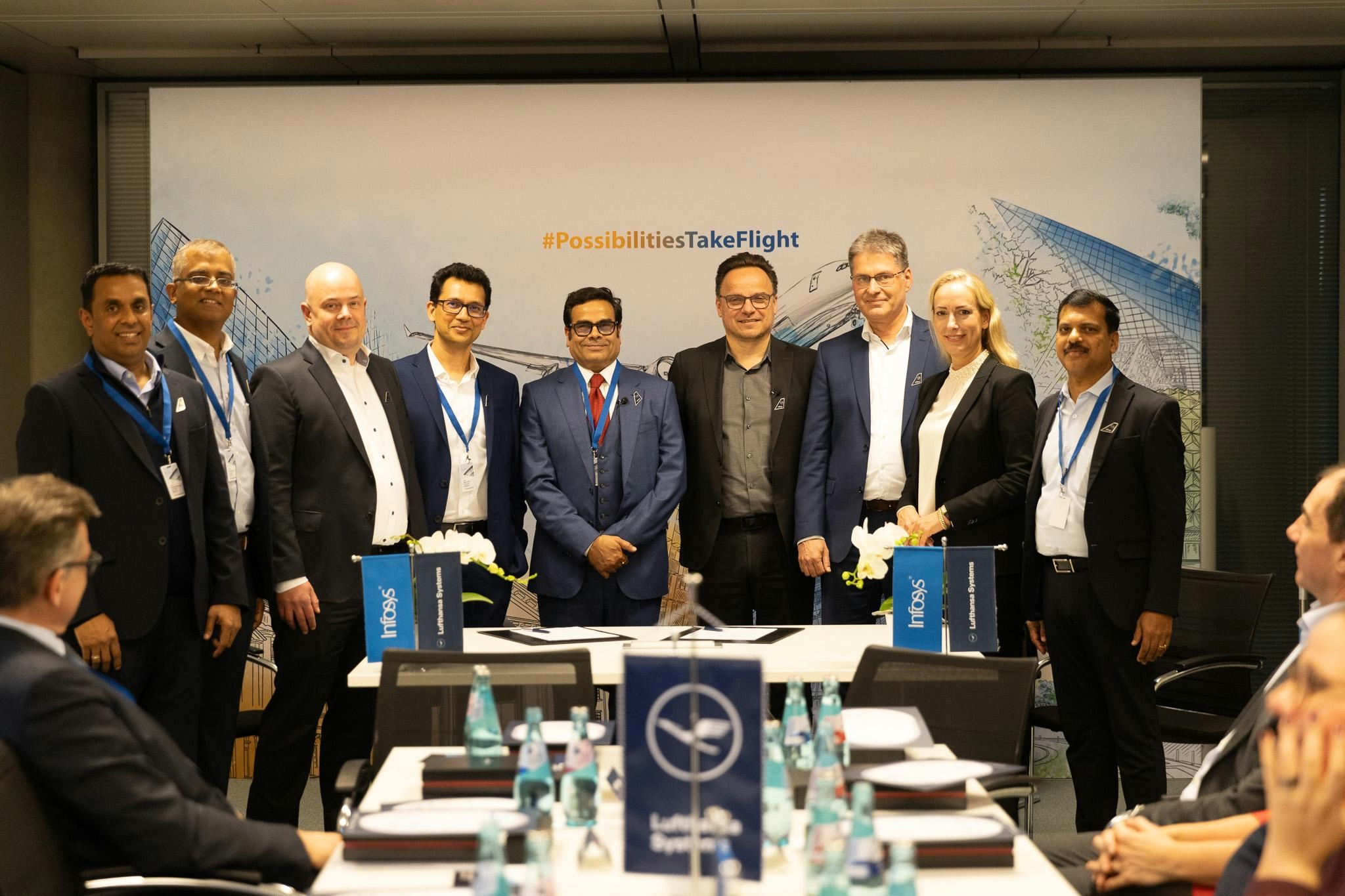
Lufthansa Systems Expands Global Presence with New IT Subsidiary in India
Lufthansa Systems has inaugurated Lufthansa Systems India, a new IT subsidiary based in Bengaluru, marking a pivotal advancement in the company’s global expansion efforts. This new entity will serve as a central component of the Global Capability Center (GCC), developed in collaboration with Indian IT leader Infosys. The GCC is designed to accelerate software and product development for both the Lufthansa Group and external airline clients, with a focus on leveraging cutting-edge technologies such as artificial intelligence.
Luigi Celmi, Managing Director of Lufthansa Systems India, emphasized the strategic importance of the new subsidiary, stating that it lays the foundation for future-ready IT services that blend agility, innovation, and deep aviation expertise. He highlighted Bengaluru’s vibrant technology ecosystem as an ideal environment to enhance the company’s capabilities and attract top-tier talent.
Strategic Significance and Industry Implications
The Bengaluru office joins Lufthansa Systems’ existing network of 19 locations worldwide, including key hubs in Gdańsk and Budapest, expanding the company’s global workforce to approximately 3,100 employees. This expansion aligns with Lufthansa’s broader focus on operational efficiency and market adaptability, positioning the company to better meet the evolving demands of the aviation industry.
Stefanie Neumann, CEO of Lufthansa Systems, described the launch of the Indian subsidiary as a crucial step in building a resilient and diversified delivery model. She underscored the company’s commitment to excellence and innovation in aviation IT and expressed enthusiasm about deepening the partnership with Infosys to broaden the company’s industry impact.
Industry analysts suggest that Lufthansa Systems’ move into India may attract increased investor interest by demonstrating the company’s dedication to innovation and its capacity to adapt to new markets. Nonetheless, the venture faces challenges, including navigating India’s complex regulatory environment, managing cultural differences, and ensuring stringent cybersecurity compliance. Additionally, competitors may respond by enhancing their own IT infrastructures or pursuing similar regional expansions.
The establishment of Lufthansa Systems India marks the beginning of a new chapter for the company as it aims to build a smarter, more connected future in aviation technology, reinforcing its position as a global leader in aviation IT solutions.

Etihad Airways Suspends Airbus A380 Flights on Key Route

Aditya Birla Group Seeks Approval for Aircraft Leasing in GIFT City

Qatar Airways Highlights Innovation and Connectivity at Arabian Travel Market 2026

Hong Kong's Five-Year Plan Includes Andrew Fan's Aircraft Parts Processing Hub Proposal

ACIA Aero Leasing Delivers ATR72-600 to Air Nostrum

RTX Appoints Jill Albertelli as Head of Pratt & Whitney

TAT Technologies Joins Beyond Aero Hydrogen Aircraft Program

AURAK Study Highlights Barriers to Air Taxi Adoption in Emerging Economies

Xiamen Air Selects Altitude for 787 Maintenance at Heathrow

Etihad and Swissport Extend Global Partnership
