
将人工智能洞察转化为可执行行动

热门趋势
Categories
Multiple reports of fan-blade fractures and engine fires prompted FAA to mandate Modifications to PW1100G Engines.
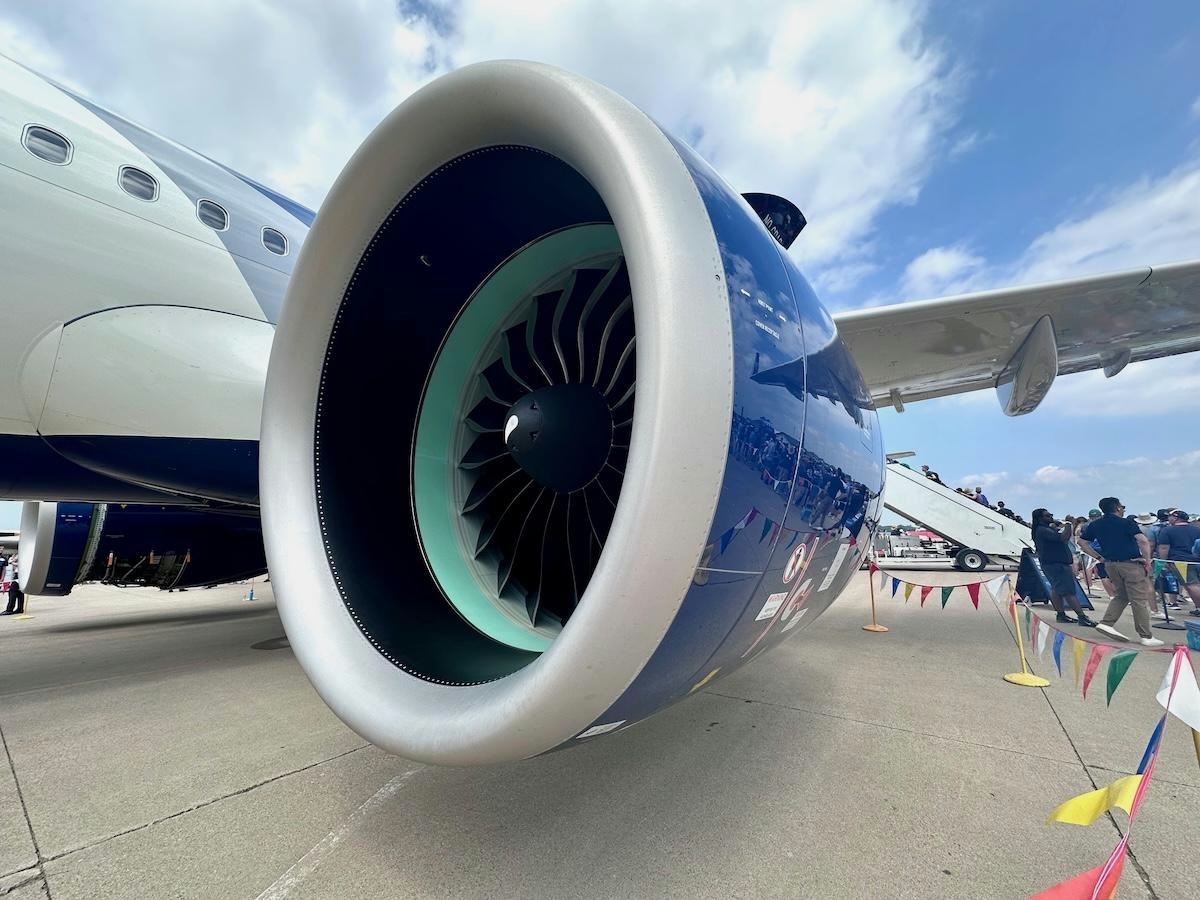
FAA Mandates Urgent Modifications to Pratt & Whitney PW1100G Engines Following Fan Blade Failures and Engine Fires
The Federal Aviation Administration (FAA) has issued a critical Airworthiness Directive (AD) requiring immediate modifications to Pratt & Whitney PW1100G-JM and PW1400G-JM engines. This directive, effective February 17, 2026, responds to multiple incidents involving fan blade fractures, three of which resulted in engine fires beneath the engine cowl. The FAA’s action aims to mitigate the risk of fuel leaks and subsequent fires caused by these fractures, mandating operators to undertake specific maintenance measures within 30 days.
Details of the Airworthiness Directive
The AD requires the removal of one "loop cushion clamp" from the hydraulic fuel pressure fuel oil cooler fuel tube assembly (CP09 tube assembly) as a primary action to prevent fuel leakage linked to fan blade damage. This removal must be completed within 30 days of the directive’s effective date. Additionally, as a secondary measure, operators are instructed to replace the crevice mount of the thermal management system (TMS) with an improved, redesigned model during the next engine shop visit. The directive also includes the reinstallation of the loop cushion clamp where applicable.
The FAA emphasized that these measures are based on maintenance instructions provided by Pratt & Whitney and have been formalized as a legal obligation to address the unsafe conditions identified. The directive affects 586 PW1100G engines installed on U.S.-registered aircraft, primarily powering the Airbus A320neo family alongside the CFM International Leap-1A engine.
Background and Industry Impact
The PW1100G engine, a PurePower® Geared TurboFan™ (GTF) engine, was jointly developed by manufacturers across Japan, the United States, and Germany. It serves as a successor to the V2500 turbofan engines and delivers thrust ranging from 11 to 15 tons. Since obtaining type certification in 2014, the PW1100G has been widely installed on the Airbus A320neo series.
The FAA’s directive follows a series of engine fire incidents linked to fan blade ruptures, underscoring ongoing safety concerns. These events have compounded challenges for airlines already grappling with a broader global recall of PW1000G engines. The recall stems from a metallic-component manufacturing defect that has led to engine failures, forcing airlines worldwide to ground hundreds of aircraft equipped with Pratt & Whitney geared turbofan engines. The operational disruptions have significantly affected airline schedules and fleet availability.
By formalizing these maintenance requirements, the FAA seeks to enhance the safety and reliability of the PW1100G engine fleet and prevent further incidents related to fan blade fractures and associated fuel leaks.

Etihad and Swissport Extend Global Partnership

Sepehran Airlines B737 Returns to Mashhad After Tyre and Engine Issues

Etihad Deploys Widebody Fleet to Meet Strong Demand

Korean Air Finalizes $36.2 Billion Deal with Boeing

Australia’s RFDS Queensland Section Orders Six King Air 260Cs
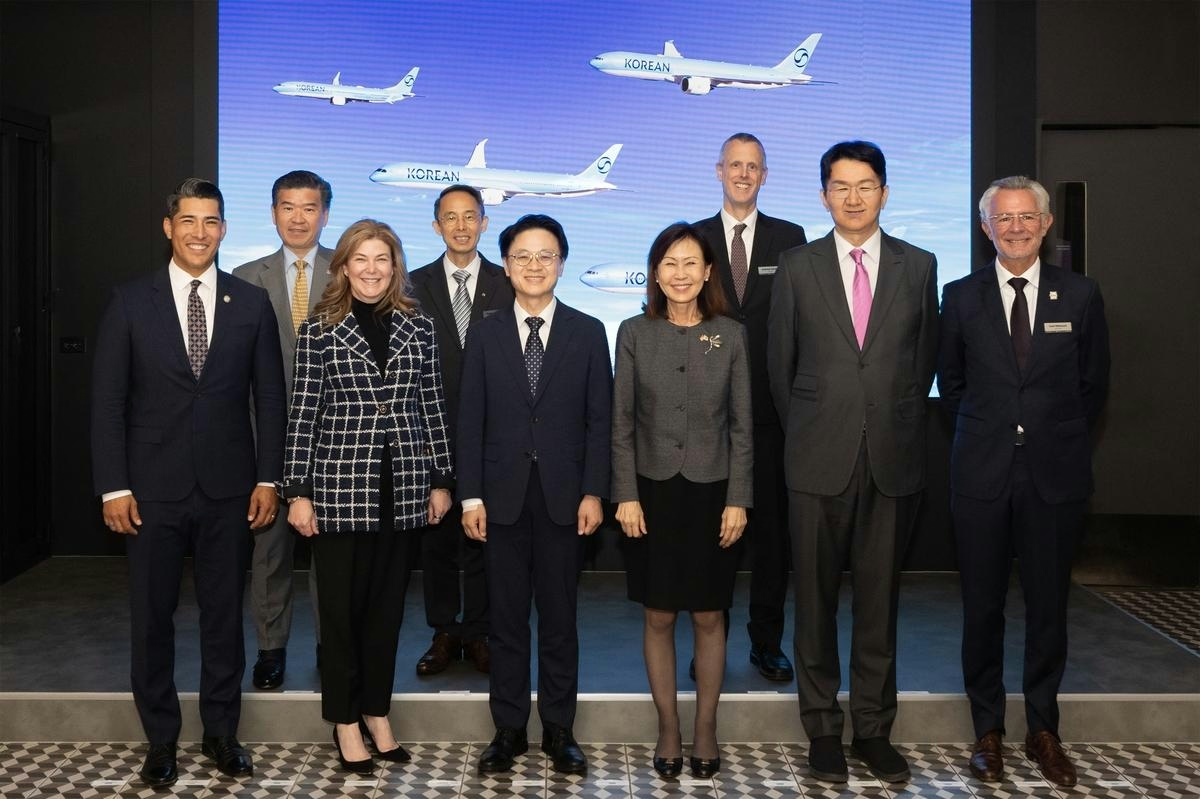
Korean Air Finalizes Order for 103 Boeing Jets and Engines
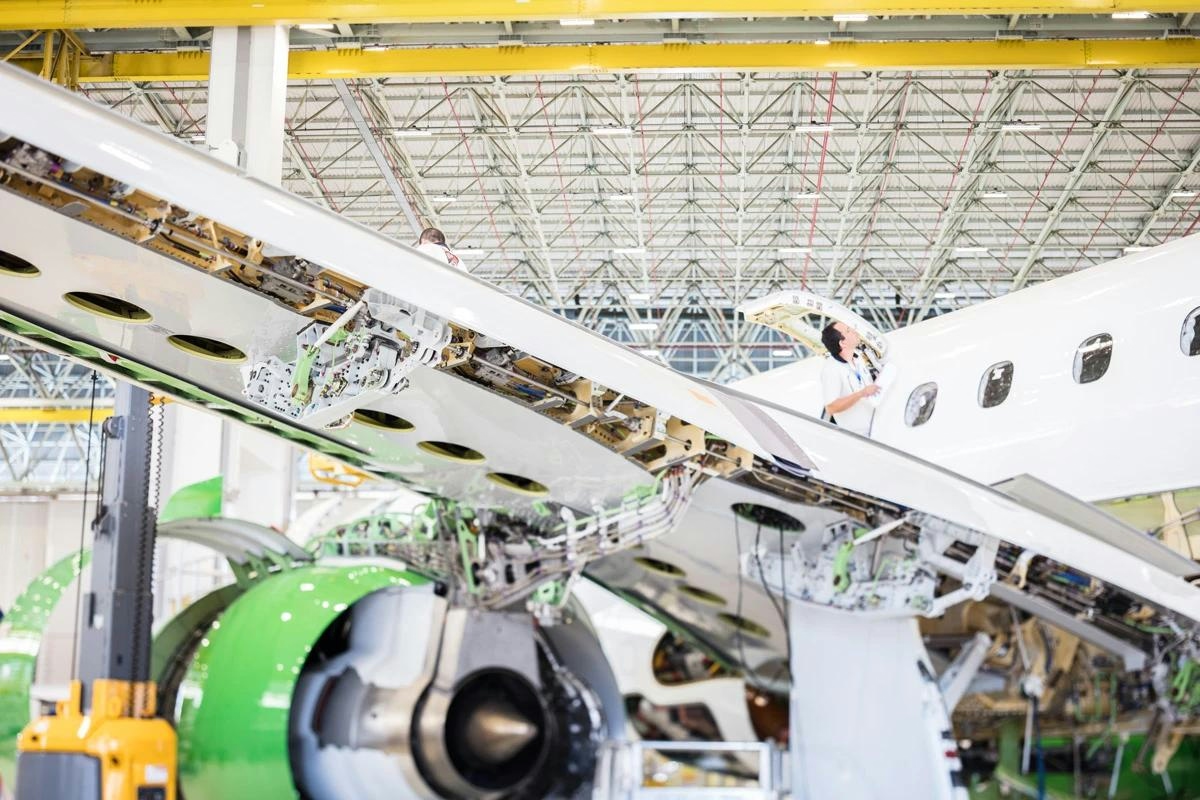
Embraer E195-E2 Features Distinctive Engine Placement Among Regional Jets

What Passengers Can Expect on Boeing’s New 777X Jet

How Ethiopian Airlines Became Africa’s Leading Carrier Amid Gulf Competition
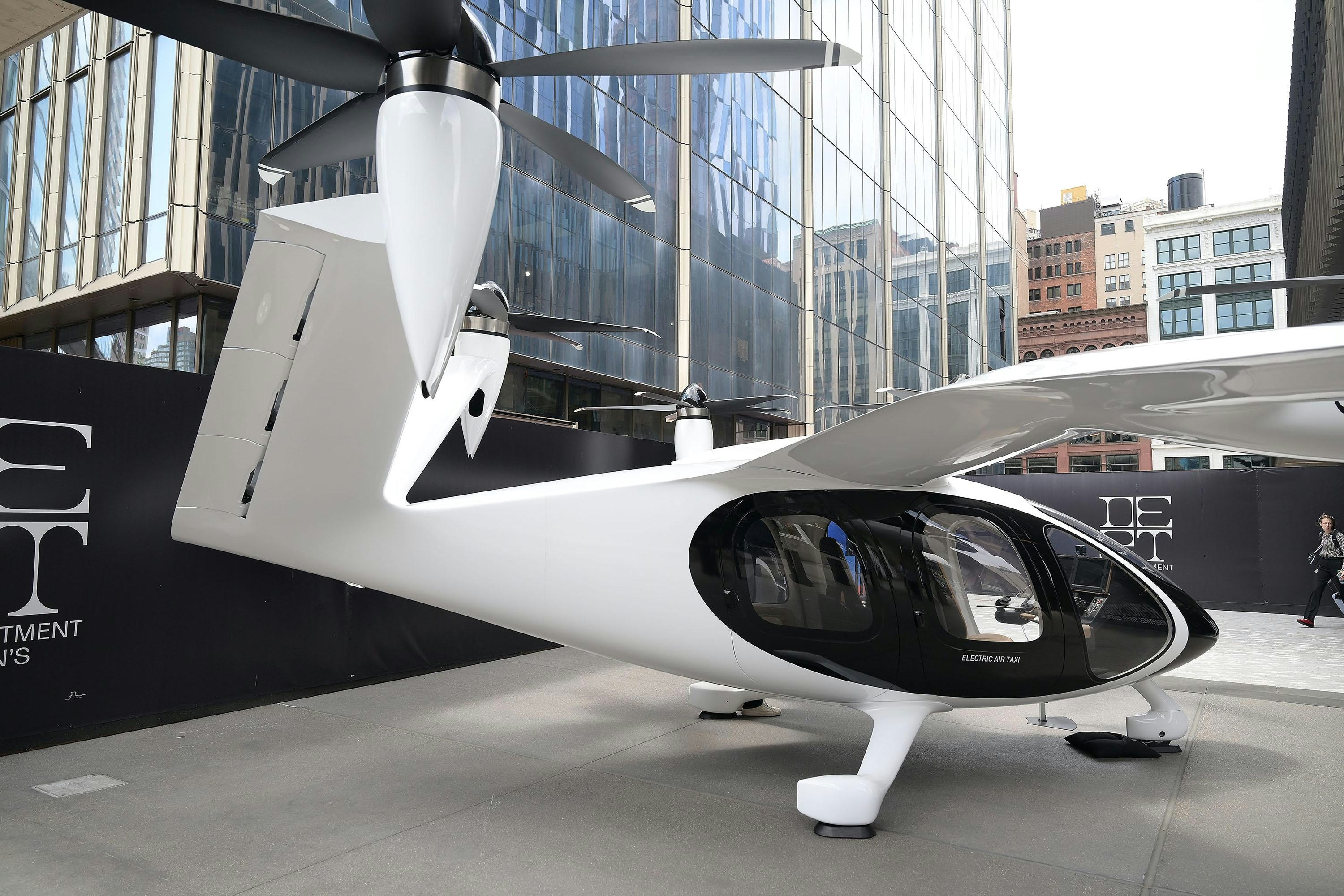
Joby Aviation Extends Autonomous Flight Capabilities with Cross-Country Tour
