
将人工智能洞察转化为可执行行动

热门趋势
Categories
Outlook for the GCC Engine MRO Market Through 2034
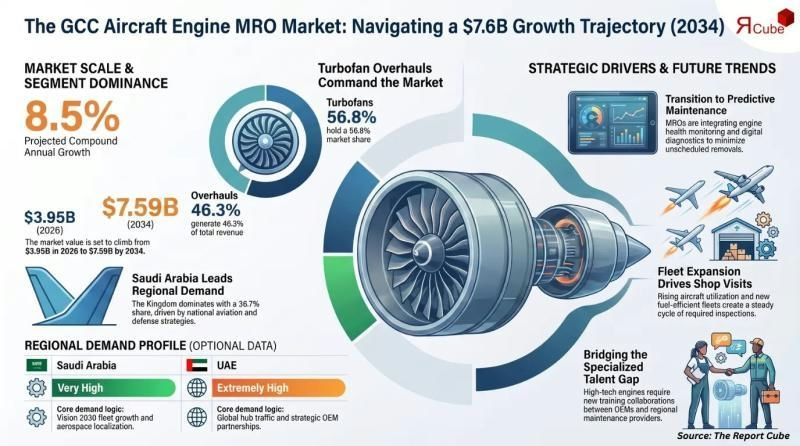
Outlook for the GCC Engine MRO Market Through 2034
The aviation sector in the Gulf Cooperation Council (GCC) region is experiencing a pivotal transformation. The focus is gradually shifting from rapid fleet expansion to prioritizing the long-term reliability and efficiency of existing aircraft. As the region rebuilds capacity, enhances international connectivity, and invests heavily in airport infrastructure, maintaining the operational safety and efficiency of aircraft engines has become paramount. This evolving emphasis is redefining the GCC as a strategic hub for aircraft engine Maintenance, Repair, and Overhaul (MRO) services.
Evolving Priorities in Engine Maintenance
Aircraft engine MRO involves a range of specialized services, including detailed inspections, component replacements, non-destructive testing, digital diagnostics, and comprehensive overhauls. These processes are critical to ensuring the safety, efficiency, and regulatory compliance of modern turbofan engines, which face unique operational challenges in the Gulf’s harsh environment. High temperatures, airborne sand, and intensive utilization place considerable stress on engine components, necessitating rigorous maintenance protocols.
As flight hours accumulate, the demand for engine inspections and scheduled overhauls intensifies. Airlines in the region are increasingly prioritizing engine reliability, while GCC governments are investing in domestic MRO capabilities to reduce dependence on overseas repair centers. This strategic realignment is attracting global aerospace companies and positioning the GCC as a long-term support hub, moving beyond its traditional role as a passenger transit market.
Market Size and Growth Projections
Industry estimates from The Report Cube value the GCC aircraft engine MRO market at approximately USD 3.95 billion in 2026. Projections indicate that this figure will nearly double to USD 7.59 billion by 2034, representing a robust compound annual growth rate (CAGR) of around 8.5%. This growth underscores the increasing importance of engine maintenance services in the region’s aviation ecosystem.
Drivers of Demand and Market Dynamics
The expansion of regional airline fleets to meet rising passenger and cargo demand is a primary driver of sustained maintenance requirements. Concurrently, governments in countries such as Saudi Arabia and the United Arab Emirates are investing in airport expansions, certified maintenance facilities, and the development of engineering talent to bolster domestic MRO capabilities. This focus on regionalization enables airlines to reduce turnaround times and logistics costs by relying on local service providers.
Technological advancements are also reshaping the market. The adoption of predictive maintenance technologies—including engine health monitoring systems, artificial intelligence, and digital inspection platforms—allows operators to anticipate potential issues and minimize unexpected downtime. Recent industry developments, such as BeauTech’s 10-year spare engine agreement, highlight the growing emphasis on long-term planning for spare engine availability, further stimulating demand for MRO services across the GCC.
Challenges and Innovation
Despite the positive outlook, the market faces challenges. Geopolitical volatility in the Middle East, particularly affecting sectors like offshore support vessels (OSVs), can disrupt operations and impact maintenance schedules. Nevertheless, the industry’s commitment to sustainability and the integration of advanced technologies such as predictive analytics and additive manufacturing are fostering innovation and operational efficiency. Companies that successfully adopt these innovations are poised to gain a competitive advantage in the evolving MRO landscape.
Conclusion
As the GCC aviation industry matures, the engine MRO market is projected to experience sustained growth through 2034. Strategic investments, technological innovation, and a concerted shift toward regional self-sufficiency are positioning the Gulf as a leading center for aircraft engine maintenance and support. This development is crucial to ensuring the reliability and competitiveness of the region’s aviation sector in the years ahead.

Etihad and Swissport Extend Global Partnership
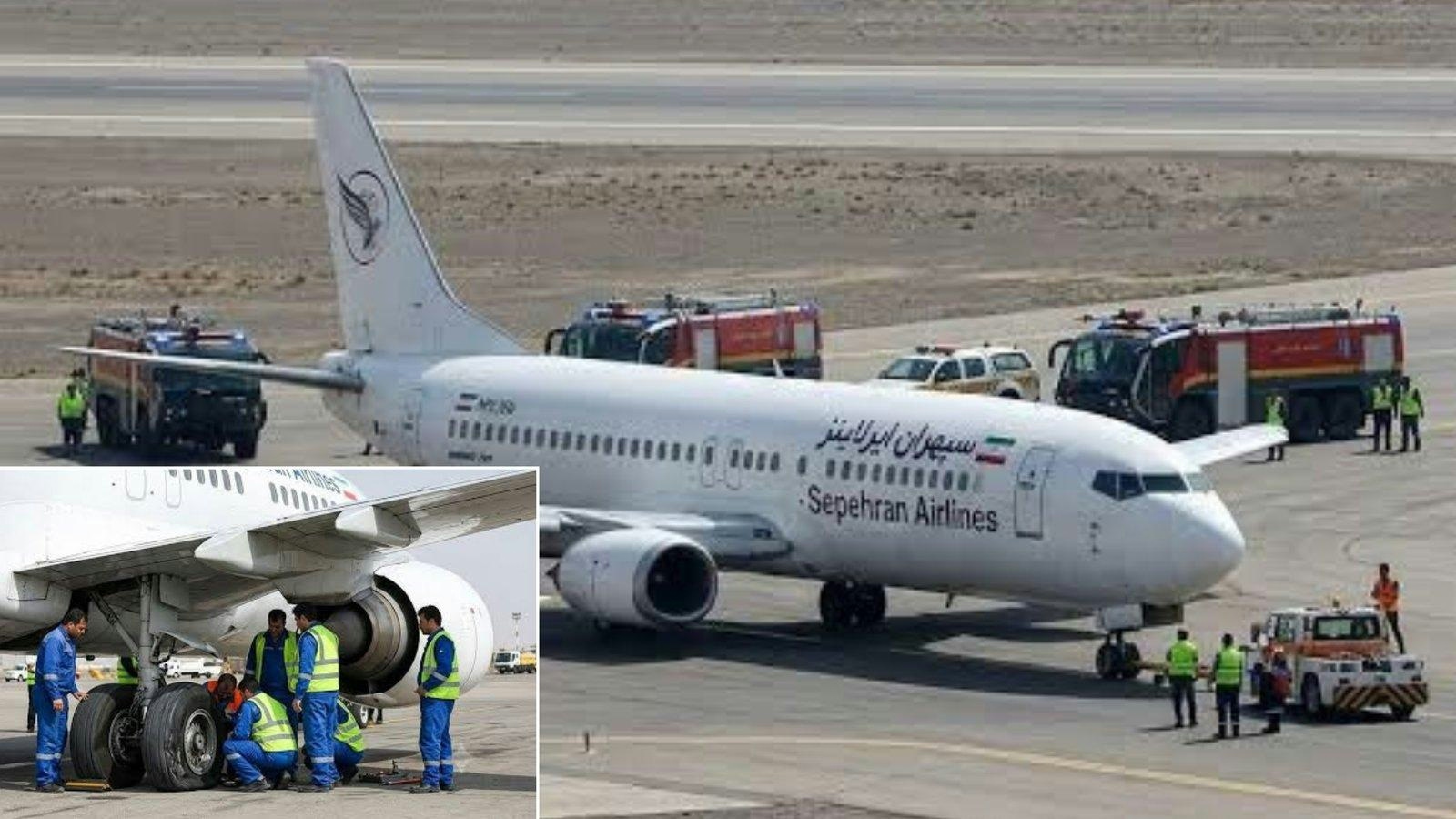
Sepehran Airlines B737 Returns to Mashhad After Tyre and Engine Issues

Etihad Deploys Widebody Fleet to Meet Strong Demand
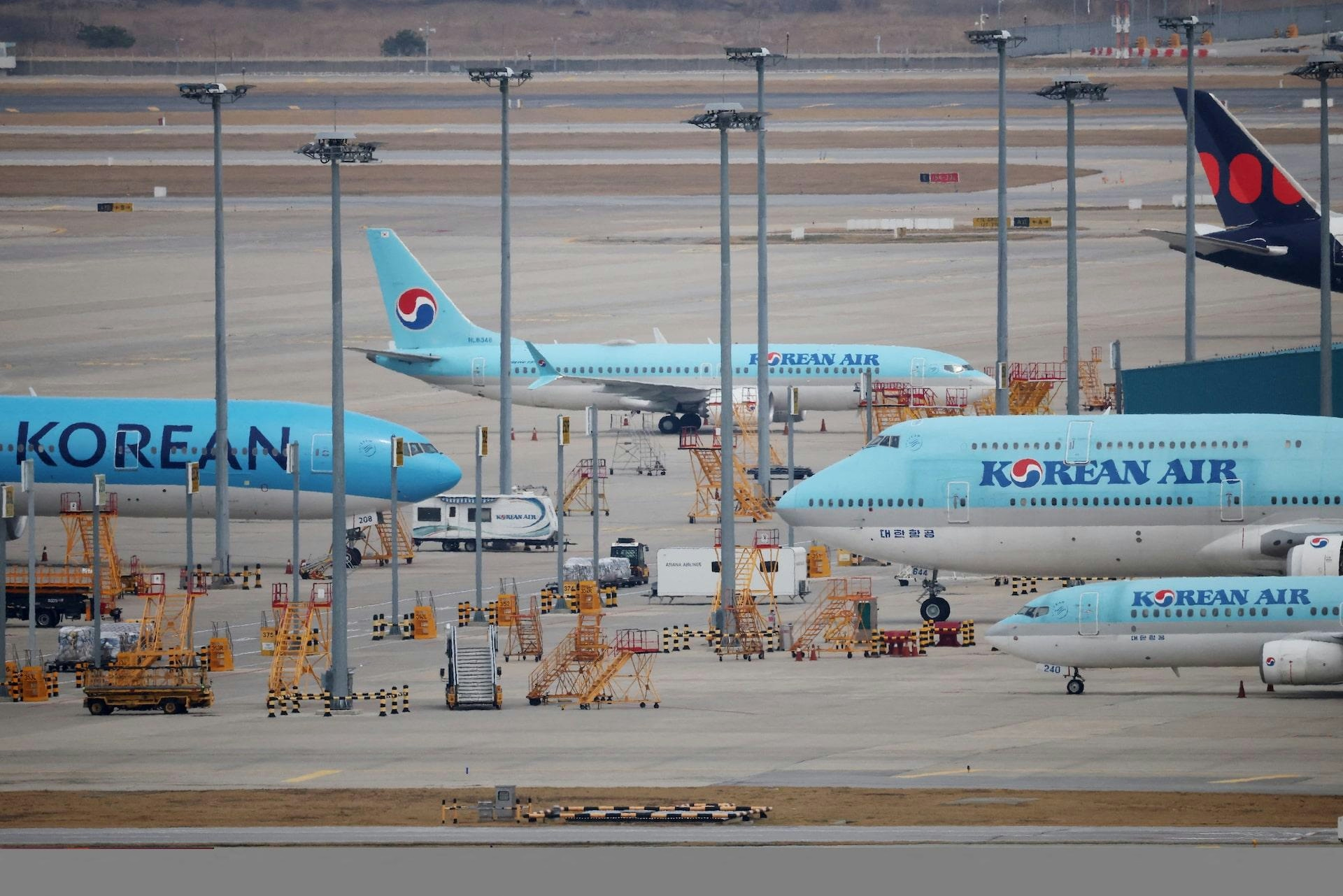
Korean Air Finalizes $36.2 Billion Deal with Boeing

Australia’s RFDS Queensland Section Orders Six King Air 260Cs

Korean Air Finalizes Order for 103 Boeing Jets and Engines

Embraer E195-E2 Features Distinctive Engine Placement Among Regional Jets

What Passengers Can Expect on Boeing’s New 777X Jet

How Ethiopian Airlines Became Africa’s Leading Carrier Amid Gulf Competition

Joby Aviation Extends Autonomous Flight Capabilities with Cross-Country Tour
