
将人工智能洞察转化为可执行行动

热门趋势
Categories
Passenger Alarmed by Plane Noise Before Boarding, Later Explained
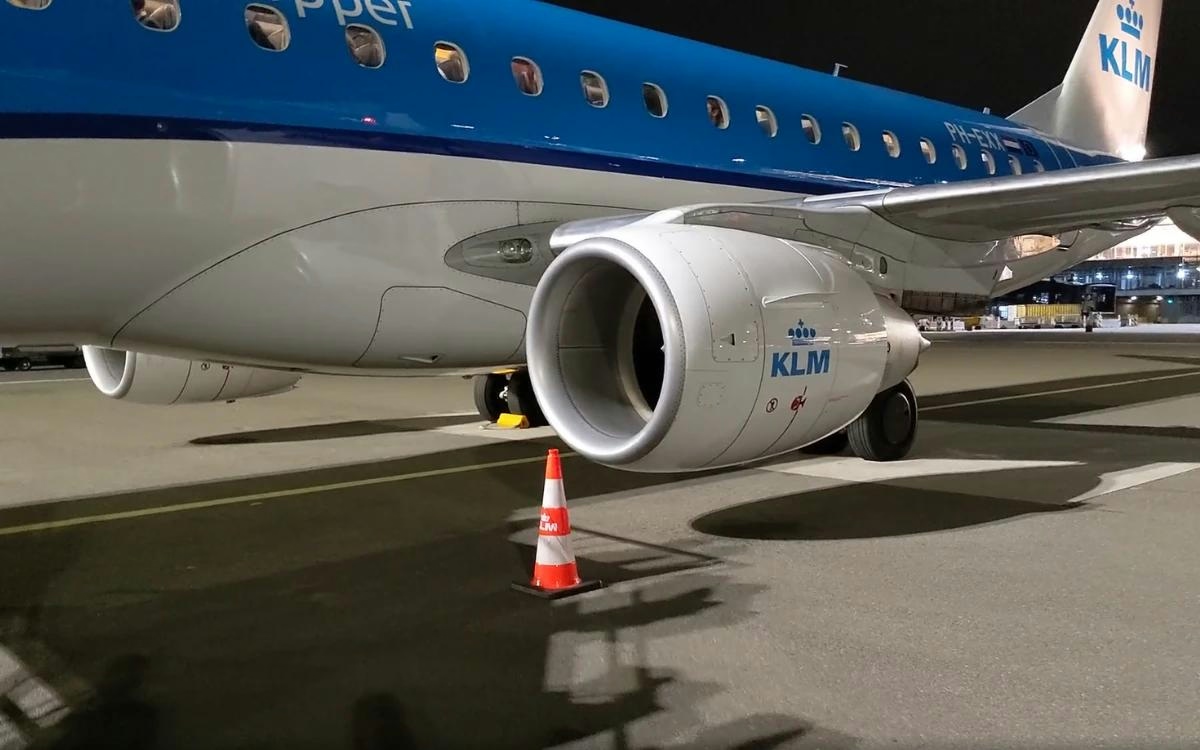
Passenger Alarmed by Plane Noise Before Boarding, Later Explained
Unsettling Noise Sparks Online Discussion
A recent incident involving an unusual engine noise on a KLM flight has drawn attention on social media, illustrating the complexities of modern aviation and the challenges airlines face in addressing passenger concerns. A traveler waiting to board recorded a brief video capturing a rattling or clattering sound emanating from the jet engine and shared it on Reddit, seeking explanations for the unfamiliar noise.
Although the sound caused alarm among some viewers, aviation experts quickly clarified that the phenomenon, known as “windmilling,” is both common and harmless. When an aircraft is stationary or taxiing, wind can cause the engine’s fan blades to spin freely, producing a characteristic chattering noise. This occurs because each blade is connected to the central hub via a dovetail joint that permits slight movement. Under low-speed and cold conditions, the blades may rattle, but once the engine starts and reaches operational power, centrifugal force secures them firmly in place.
Expert Insights and Public Reactions
An aerospace engineer explained that the fan blades may clatter when wind spins them, but they remain securely attached. The engine is continuously monitored for abnormal vibrations, ensuring safety at all times. Another specialist noted that the blade design accommodates thermal expansion and contributes to the engine’s long-term reliability.
The video also inspired a wave of humorous responses online. Some users joked that the noise sounded like “the handful of coins the passenger ahead of you threw in for luck,” referencing a past incident involving coins tossed into an engine. Others playfully suggested the engine was powered by hamsters or was preparing to “spit out tonight’s winning lotto numbers.”
Addressing Passenger Anxiety and Safety Concerns
Beyond the lighthearted reactions, the episode highlights a significant challenge for airlines: managing passenger anxiety triggered by unfamiliar sounds or unexpected events. Incidents such as emergency landings, fume exposures, or disruptions from military exercises can amplify safety concerns. Effective communication between airlines, passengers, and air traffic control is vital to maintaining trust and minimizing operational disruptions.
Market responses to such incidents often involve increased scrutiny of airline safety protocols and operational procedures. In turn, airlines and their competitors emphasize enhanced safety measures and transparent communication to reassure travelers. While modern jet engines undergo rigorous inspections and incorporate multiple safeguards, rare events like bird strikes continue to pose risks.
Experts emphasize that most unfamiliar noises are harmless and part of normal aircraft operation. For airlines, proactively addressing passenger concerns remains essential to sustaining confidence in air travel.

Etihad Airways Suspends Airbus A380 Flights on Key Route

Aditya Birla Group Seeks Approval for Aircraft Leasing in GIFT City

Qatar Airways Highlights Innovation and Connectivity at Arabian Travel Market 2026

Hong Kong's Five-Year Plan Includes Andrew Fan's Aircraft Parts Processing Hub Proposal

ACIA Aero Leasing Delivers ATR72-600 to Air Nostrum

RTX Appoints Jill Albertelli as Head of Pratt & Whitney

TAT Technologies Joins Beyond Aero Hydrogen Aircraft Program

AURAK Study Highlights Barriers to Air Taxi Adoption in Emerging Economies

Xiamen Air Selects Altitude for 787 Maintenance at Heathrow

Etihad and Swissport Extend Global Partnership
