
将人工智能洞察转化为可执行行动

热门趋势
Categories
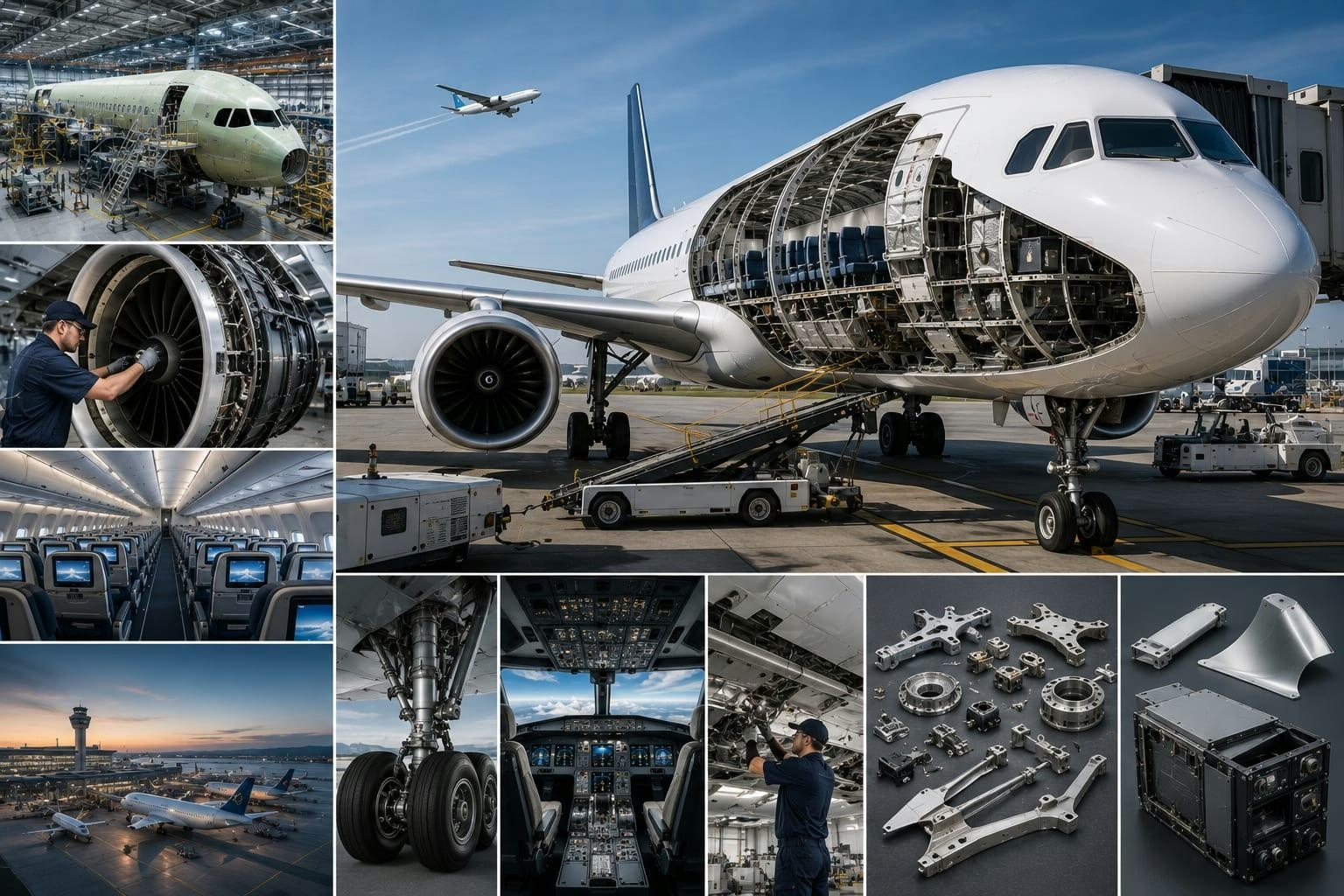
The Role of Aviation in Linking Global Economies and Communities
The Role of Aviation in Linking Global Economies and Communities
Every day, millions of passengers rely on a complex aviation ecosystem that connects cities, countries, and economies across the globe. This system encompasses commercial airlines, airports, aircraft manufacturers, and maintenance providers, forming a critical foundation for global mobility and economic development. As passenger traffic recovers and demand for air connectivity intensifies, the aviation sector is entering a new phase characterized by modernization, sustainability initiatives, and digital transformation.
Aviation’s Integral Contribution to the Global Economy
Aviation remains a cornerstone of the global transportation network, facilitating international trade, supporting tourism, enabling business travel, and linking remote regions to major economic hubs. The sector’s growth is propelled by increasing urbanization, rising disposable incomes, and the expansion of the middle class worldwide, all of which drive higher demand for air travel. In response, airlines are investing heavily in fuel-efficient aircraft and advanced technologies aimed at enhancing operational performance while reducing environmental impact.
Market analyses underscore this upward trajectory. According to Mordor Intelligence, the global aviation market is projected to expand from $358.85 billion in 2025 to $524.14 billion by 2030, reflecting a compound annual growth rate (CAGR) of 5.77%. This growth is underpinned by rising passenger volumes, fleet expansions, and sustained investments in aviation infrastructure.
Market Dynamics and Regional Developments
The aviation market continues to broaden as airlines introduce new routes and augment fleet capacities. Commercial aviation dominates the industry, with passenger travel constituting the majority of activity. Cargo aviation also plays a vital role, underpinning global supply chains and supporting the rapid growth of e-commerce.
Regionally, North America maintains a leading position, commanding 34.87% of the global market share. This dominance is attributed to its extensive airline networks, robust passenger demand, and ongoing investments in technology and infrastructure. Meanwhile, the Asia-Pacific region is emerging as one of the fastest-growing markets, driven by rapid economic development and escalating demand for air travel.
Emerging Trends and Industry Challenges
The aviation industry is undergoing significant transformation, driven by several key trends. Airlines are increasingly adopting next-generation, fuel-efficient aircraft and integrating Sustainable Aviation Fuel (SAF) to mitigate environmental impacts. Digital technologies are enhancing operational efficiency and improving passenger experiences, while predictive maintenance techniques are reducing aircraft downtime. Concurrently, airport modernization projects aim to increase capacity and elevate service standards.
Despite these advancements, the sector faces notable challenges. Persistent engine supply constraints, highlighted by airline executives at the recent IATA Annual General Meeting in Rio de Janeiro, are expected to continue for at least the next five years, according to United Airlines CEO Scott Kirby. Volatility in fuel prices remains a major concern, as jet fuel constitutes a significant portion of airline operating costs. Economic uncertainties may also lead consumers to curtail discretionary spending, potentially dampening demand following the peak summer travel season. Additionally, operational complications have arisen from the flawed implementation of the European entry and exit system, affecting carrier efficiency.
Nevertheless, demand for air travel remains strong in key markets such as Spain and Portugal, reaffirming aviation’s enduring role in connecting people and economies worldwide.
Outlook for the Aviation Industry
As the aviation sector confronts both opportunities and obstacles, its focus on modernization, sustainability, and digital innovation will be essential. By adapting to shifting market conditions and addressing operational challenges, the industry is poised to continue linking global economies and communities, fostering growth and connectivity in the years ahead.
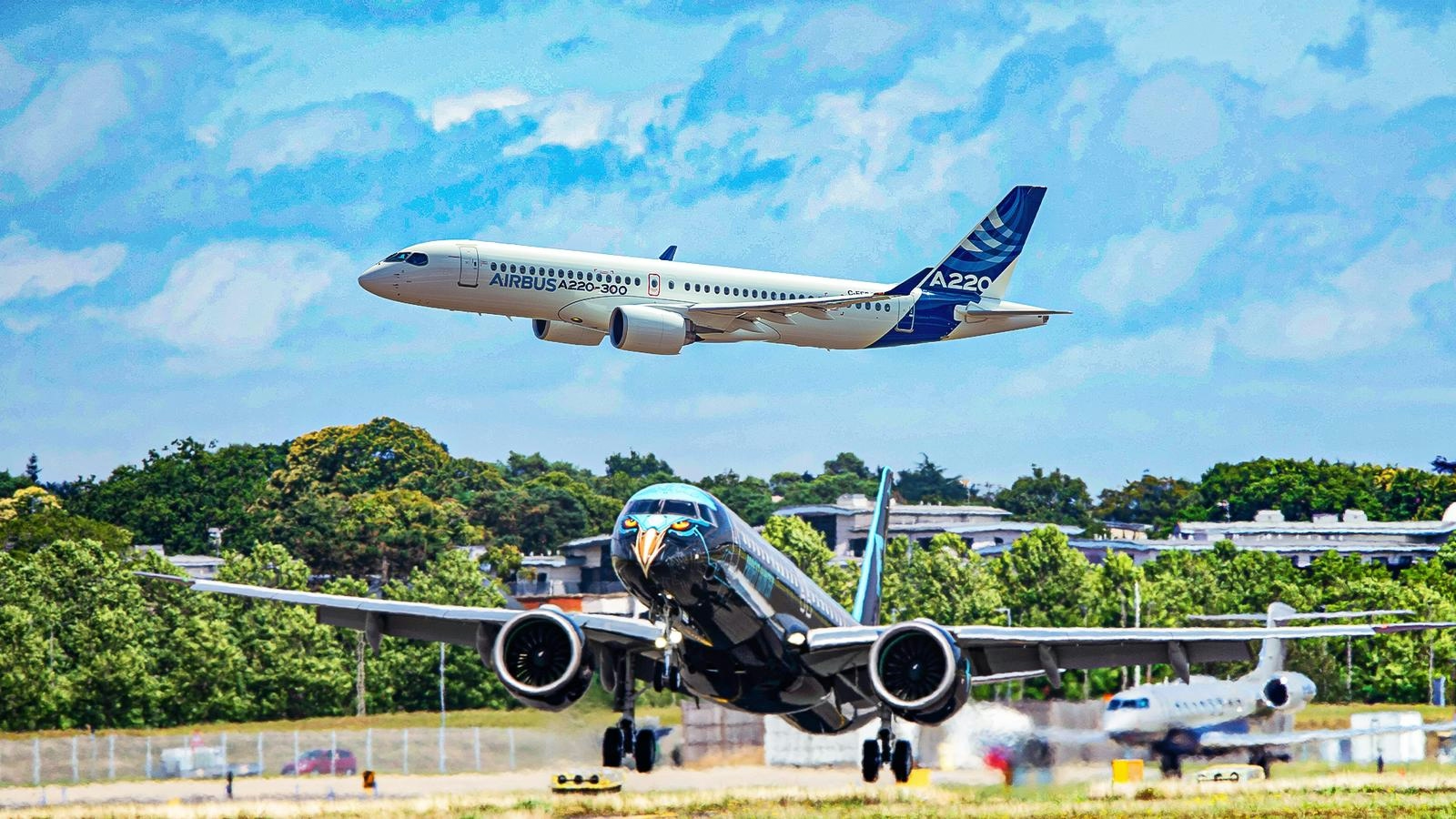
Embraer Delivers 2,000th E-Jet as Airbus A220 Seeks Market Share
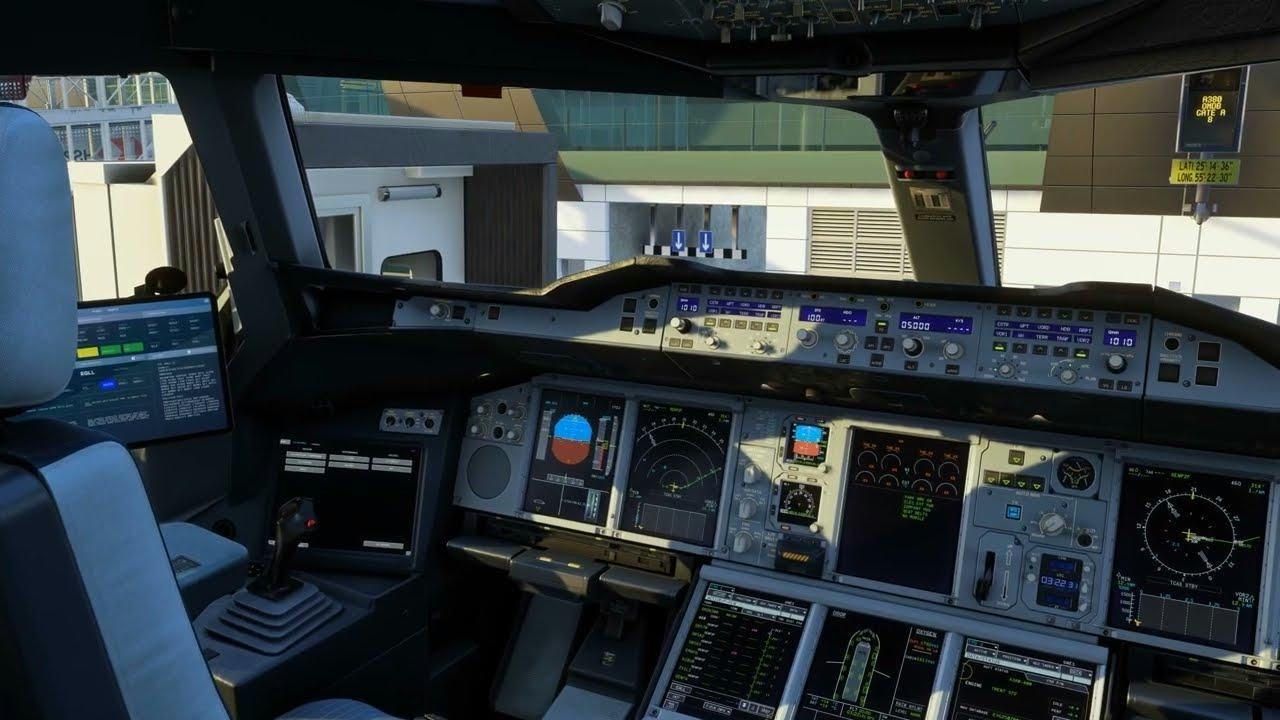
iniBuilds Releases Second In-Depth A380 Video
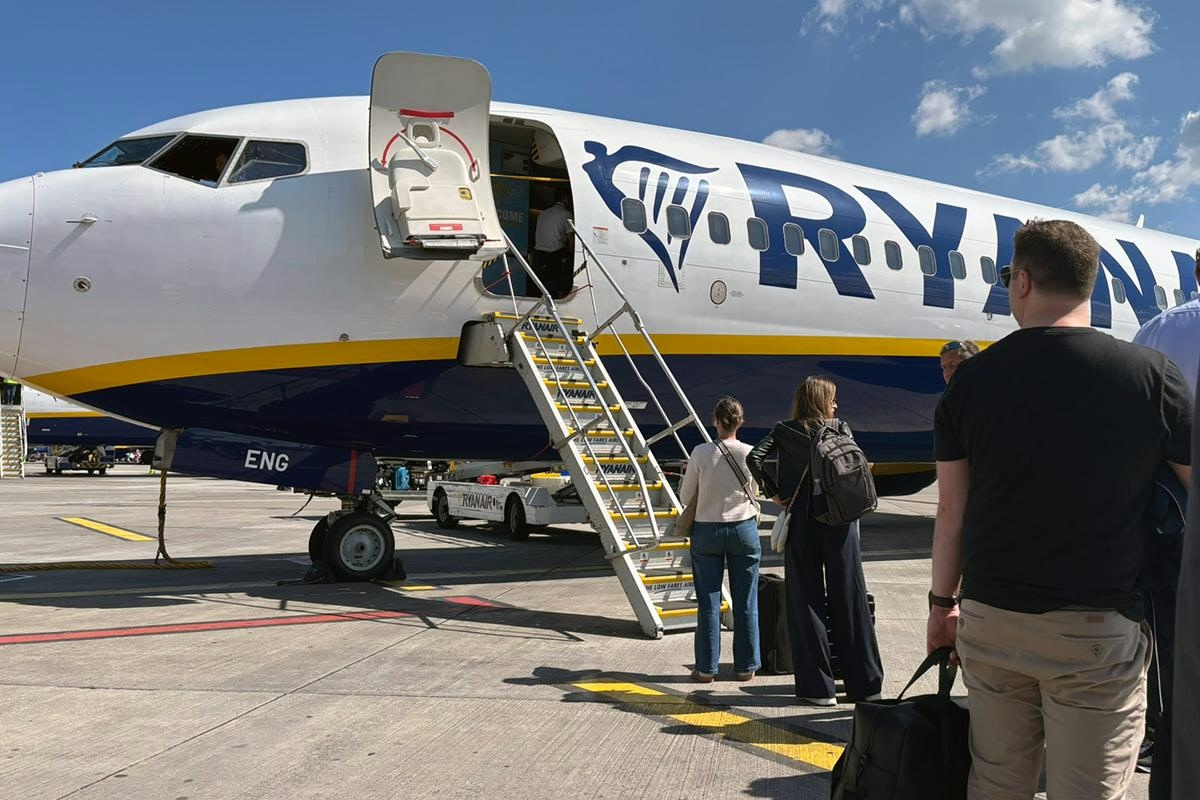
Ryanair and Alaska Airlines Apply AI to Operational Decision-Making

Digital Payments, AI, and Aviation Strengthen Philippines-India Relations
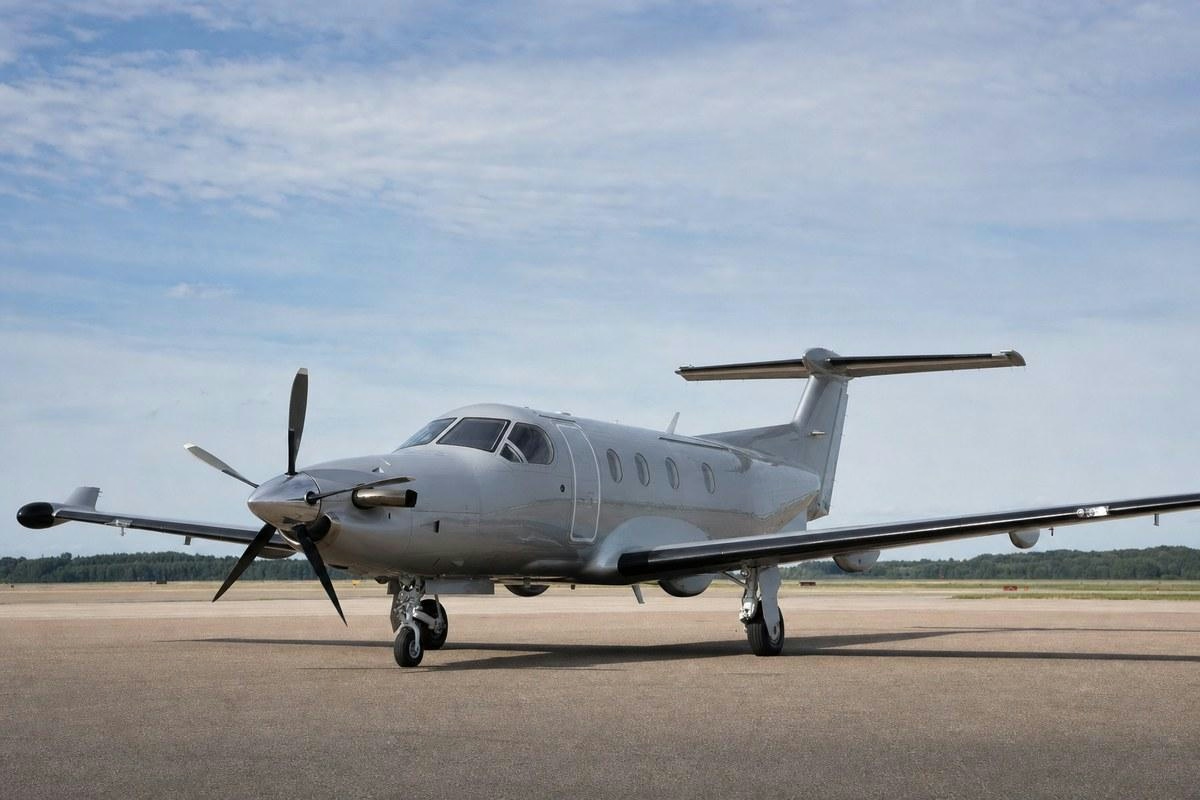
PlaneSense Suspends PC-12 Jet Card Sales
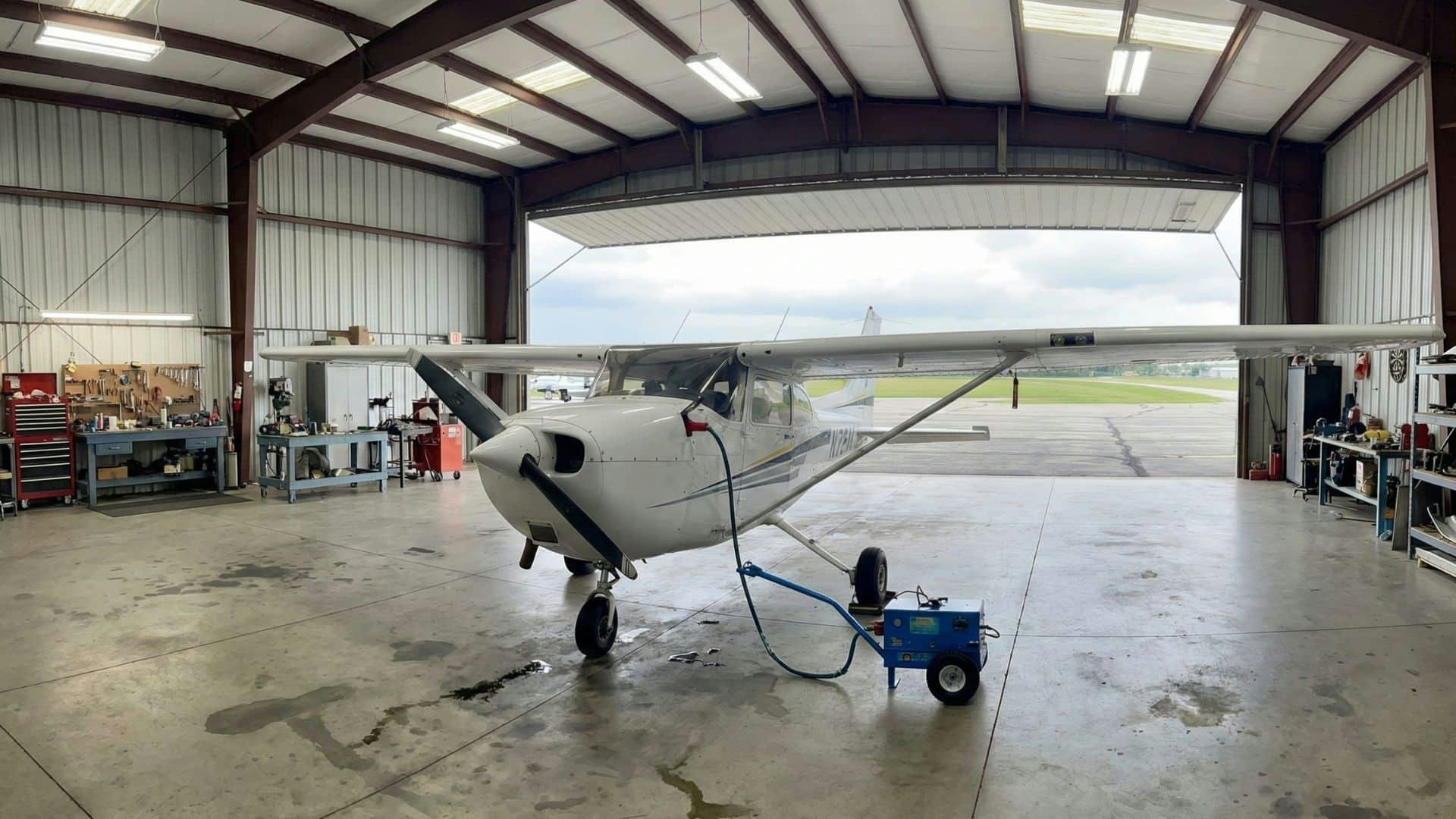
How AI Could Transform Bird-Strike Prevention for Business Aviation
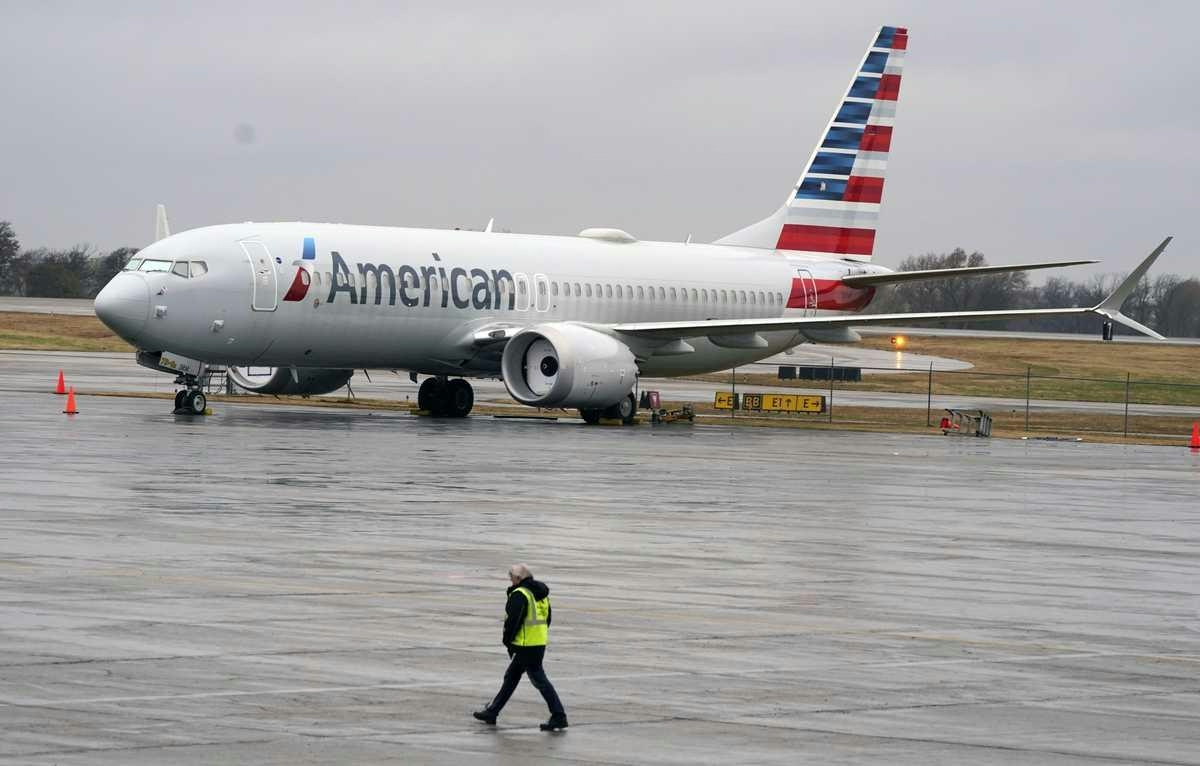
American Airlines and Boeing Complete First 737 MAX Landing Gear Swap

Vietjet and Thales sign major MRO and AI deals in Paris
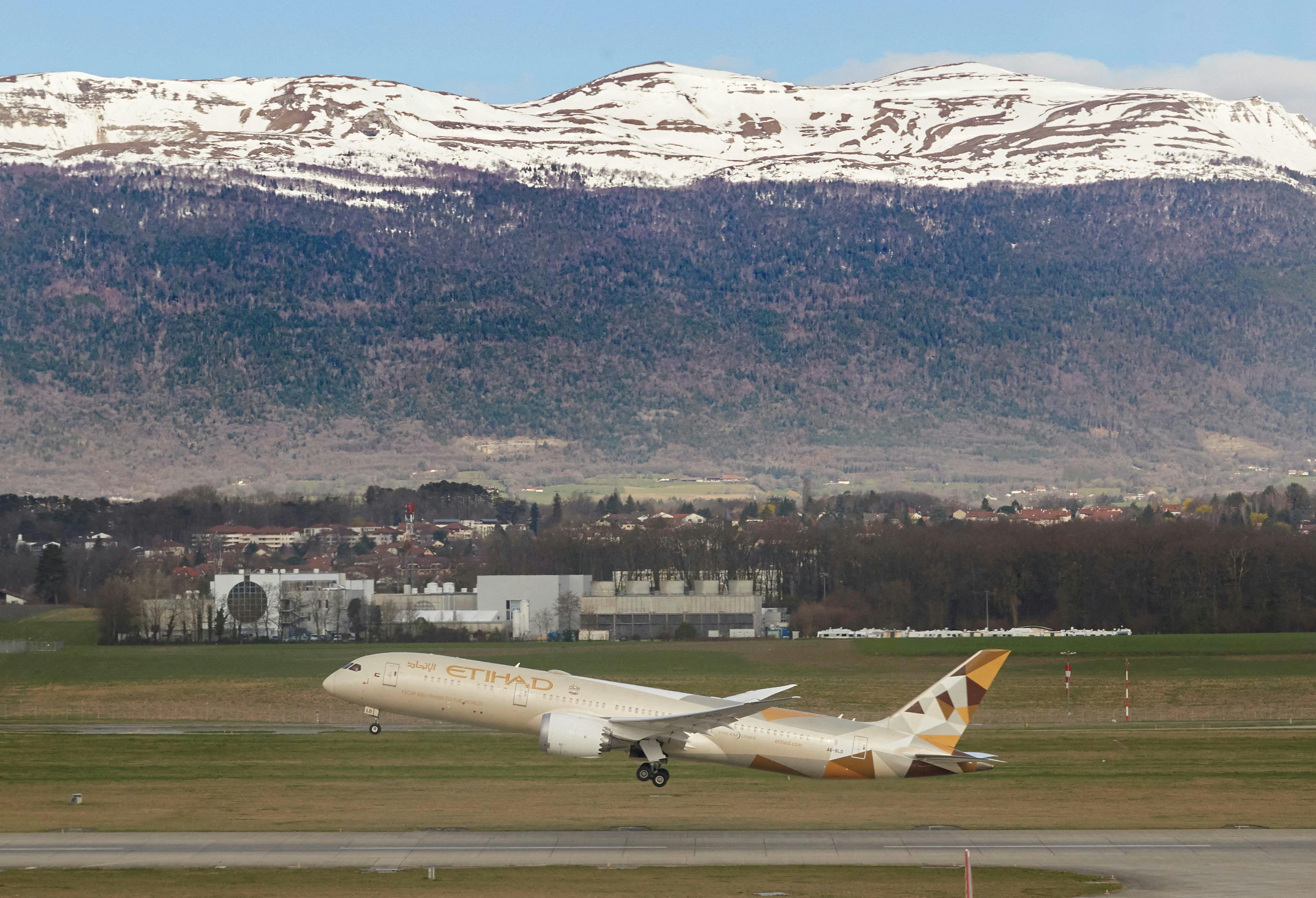
Etihad CEO Cites Aircraft Capacity as Limiting Factor Amid Growth in China and Africa
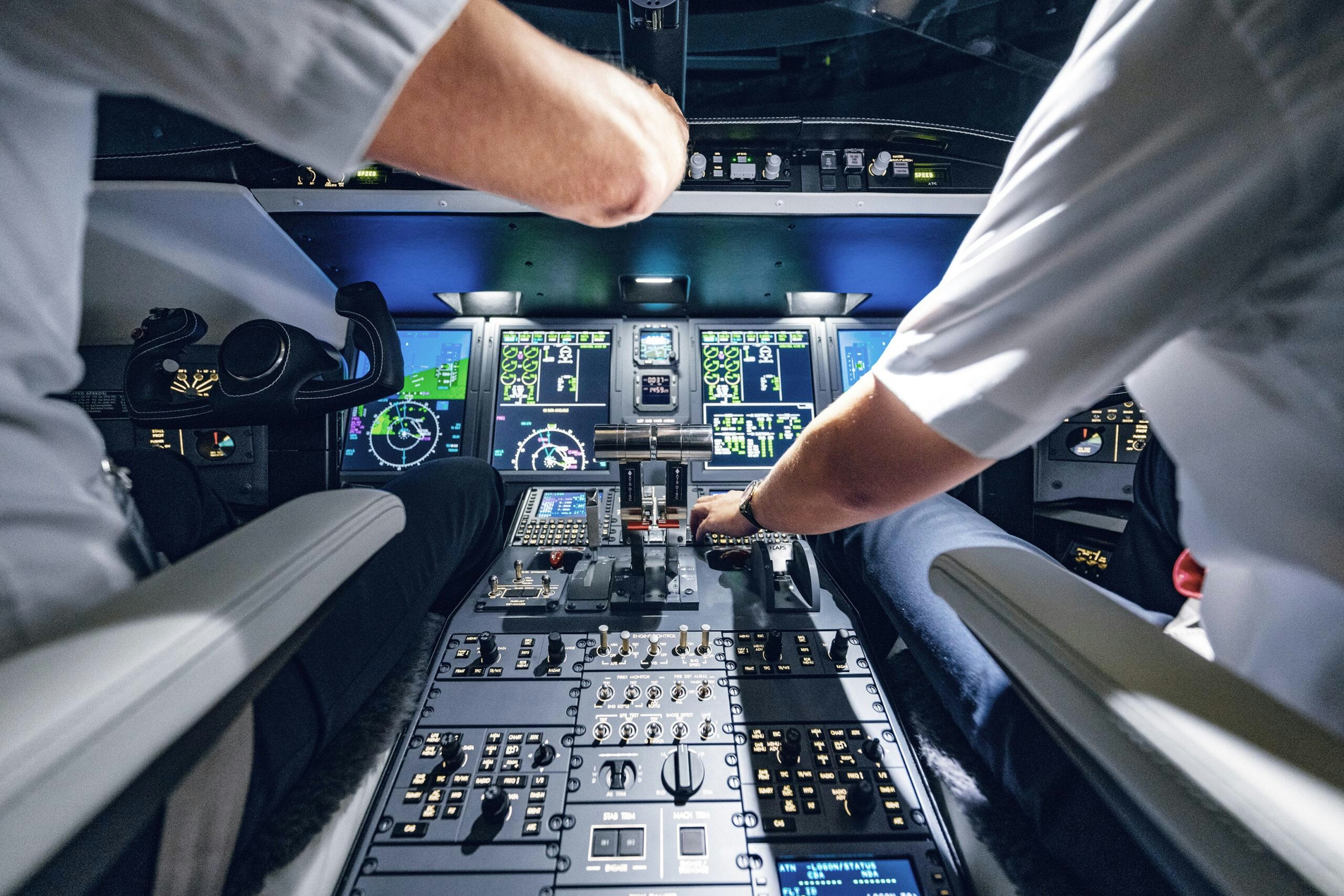
Artificial Intelligence Enters the Cockpit
