
将人工智能洞察转化为可执行行动

热门趋势
Categories
TLD Conducts Remote-Controlled Electric Pushback of Widebody Aircraft in Hong Kong
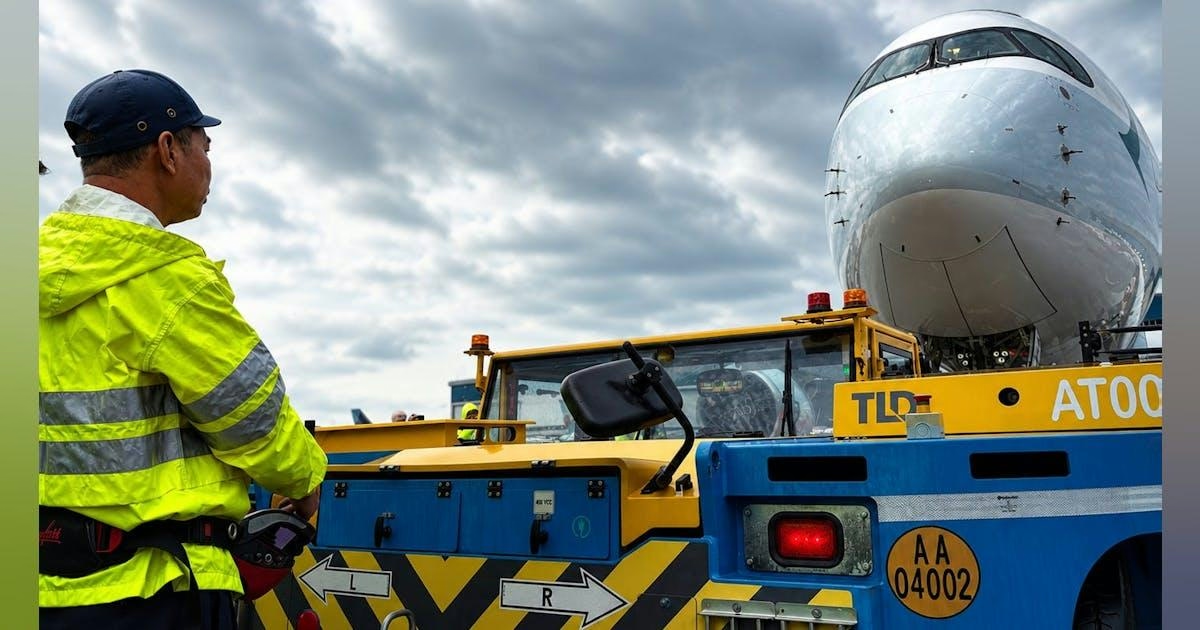
TLD Conducts Remote-Controlled Electric Pushback of Widebody Aircraft at Hong Kong International Airport
TLD has marked a significant advancement in ground handling technology by successfully executing a remote-controlled pushback of a widebody aircraft at Hong Kong International Airport. Utilizing its electric towbarless tractor, the TPX-200-MTX-E, the company conducted what it claims to be the world’s first remote-controlled pushback of an Airbus A350-900 in a live airside environment. This milestone was achieved with the collaboration and support of Airport Authority Hong Kong, the Hong Kong Civil Aviation Department, Cathay Pacific, and HAECO.
Innovative Remote-Controlled Operation
The pushback operation was managed by an operator on the ground who controlled the tractor through a custom-designed portable wireless remote-control panel. The remote-control system and associated operating procedures were developed through a joint effort involving all participating industry partners. TLD emphasized that the demonstration not only validated the technology’s effectiveness for widebody aircraft but also underscored its potential applicability to narrowbody aircraft operations.
The TPX-200-MTX-E tractor is designed for pushback, repositioning, and towing tasks across both narrowbody and widebody aircraft categories. Its direct electric driveline, powered by two wheel-hub motors, delivers energy directly to the wheels, thereby eliminating the heat and energy losses commonly associated with traditional hydraulic transmissions. The tractor is also equipped with automated aircraft loading and anti-jackknife safety systems, enhancing operational safety and efficiency.
Implications and Future Developments
TLD asserts that remote operation can significantly improve ramp safety by enabling operators to position themselves for optimal situational awareness. Additionally, it offers increased operational flexibility. The company plans to advance its testing program, with the next phase focusing on remote-controlled pushback operations conducted from an off-site control room. This development aims to pave the way for more autonomous pushback operations in the future.
Despite these promising advancements, the widespread adoption of remote-controlled electric pushback technology faces several challenges. Regulatory approval and safety concerns remain critical hurdles, as aviation authorities and airlines are expected to scrutinize the new procedures rigorously. Furthermore, the implementation of such technology requires advanced infrastructure and robust support systems. In this regard, Hong Kong’s utility sector has demonstrated resilience amid global energy market volatility, a factor that may indirectly support the infrastructure necessary for these innovations.
Market responses to TLD’s demonstration are anticipated to be varied. Some competitors may accelerate their own technological developments or engage in lobbying efforts to influence regulatory frameworks. As the aviation industry closely monitors these developments, TLD’s successful demonstration represents a notable step toward integrating remote and potentially autonomous ground handling solutions in one of Asia’s busiest aviation hubs.

Etihad and Swissport Extend Global Partnership
Sepehran Airlines B737 Returns to Mashhad After Tyre and Engine Issues

Etihad Deploys Widebody Fleet to Meet Strong Demand

Korean Air Finalizes $36.2 Billion Deal with Boeing
Australia’s RFDS Queensland Section Orders Six King Air 260Cs
Korean Air Finalizes Order for 103 Boeing Jets and Engines
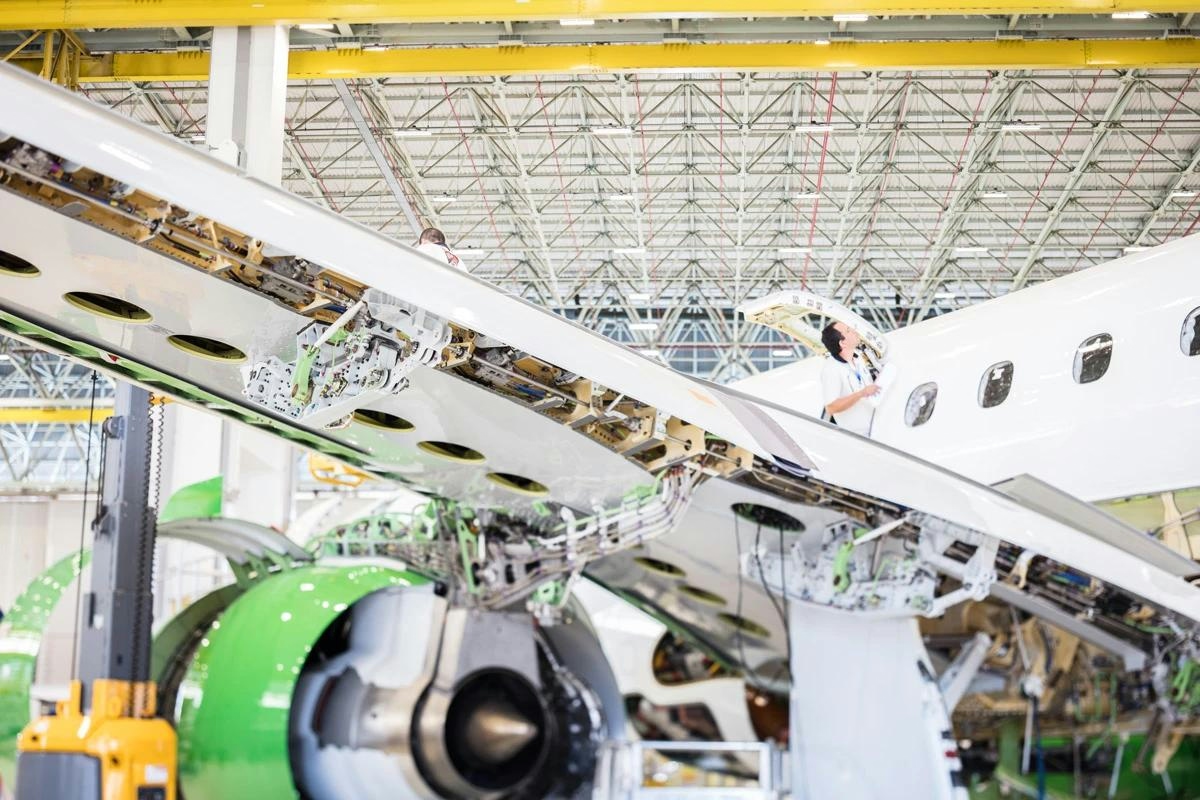
Embraer E195-E2 Features Distinctive Engine Placement Among Regional Jets
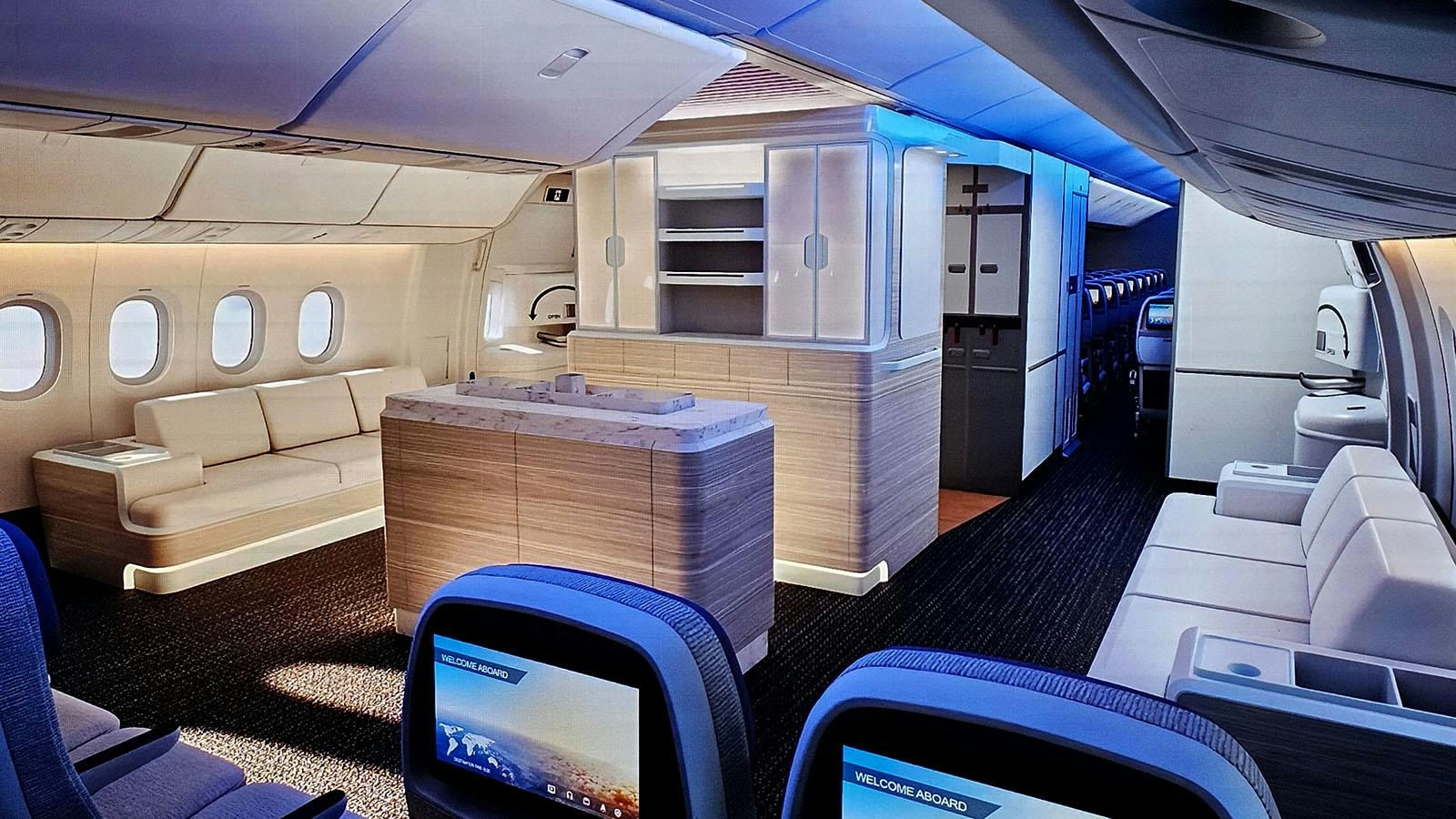
What Passengers Can Expect on Boeing’s New 777X Jet

How Ethiopian Airlines Became Africa’s Leading Carrier Amid Gulf Competition
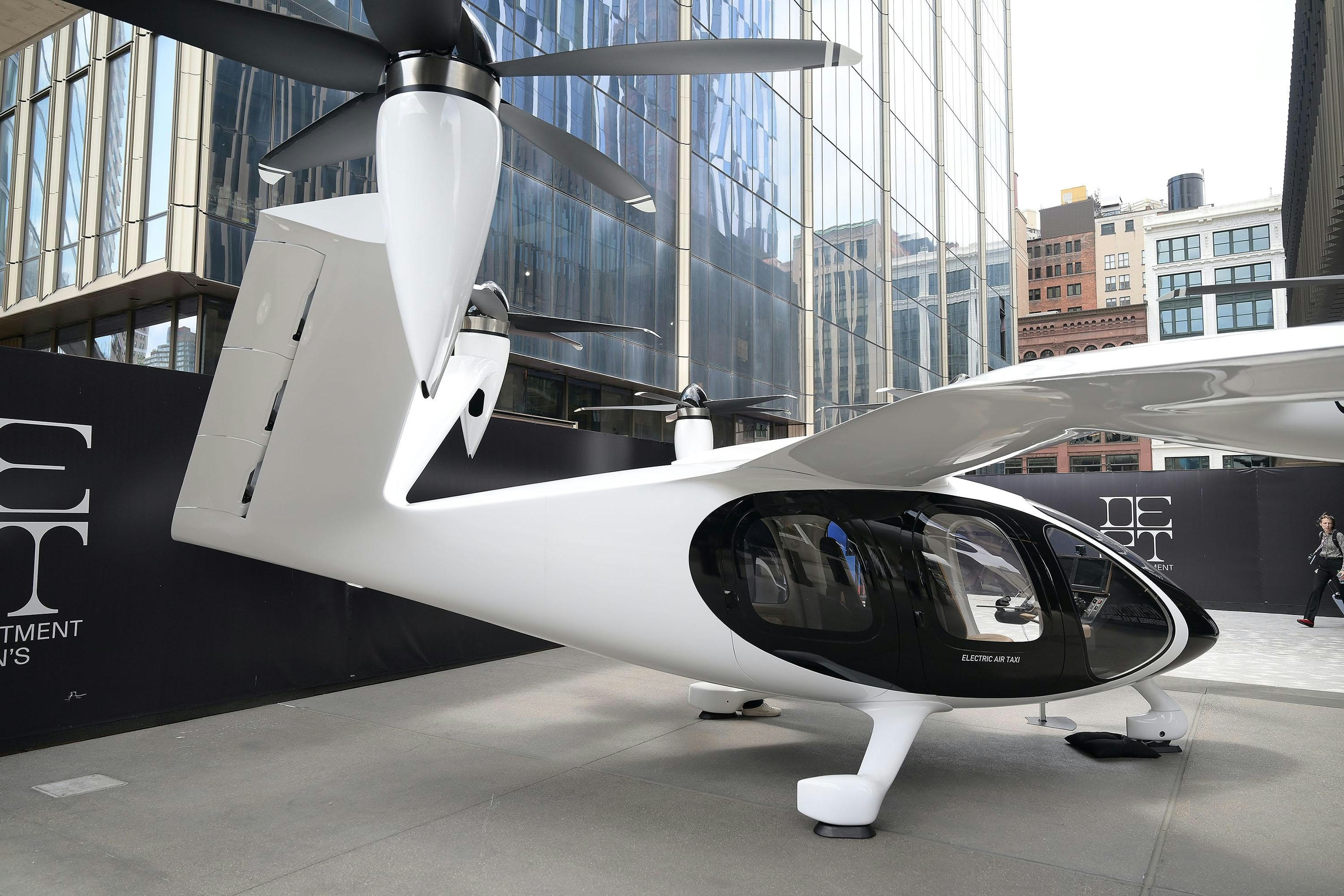
Joby Aviation Extends Autonomous Flight Capabilities with Cross-Country Tour
