
将人工智能洞察转化为可执行行动

热门趋势
Categories
United Airlines to Equip Former Continental Boeing 777-200ERs with Starlink
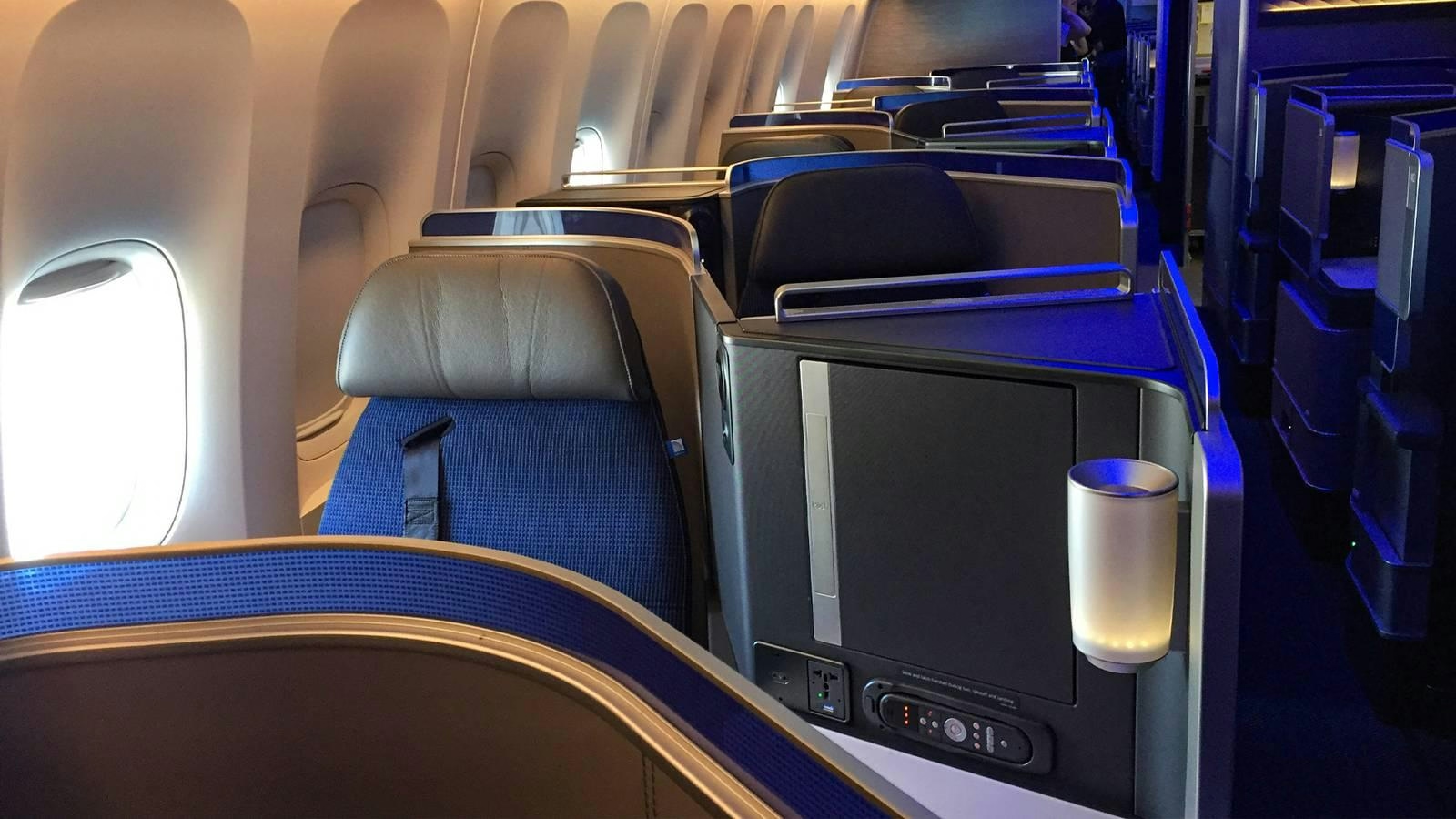
United Airlines to Equip Former Continental Boeing 777-200ERs with Starlink
United Airlines is preparing to enhance its long-haul in-flight Wi-Fi by installing Starlink satellite internet on its Boeing 777-200ER aircraft, originally acquired from Continental Airlines. This upgrade is scheduled for completion ahead of the peak summer travel season, addressing longstanding passenger dissatisfaction regarding the absence of reliable internet connectivity on extended routes. These specific 777 models are distinguished within United’s fleet by their powerful General Electric GE90 engines and more advanced electrical systems, factors that are expected to facilitate the integration of Starlink’s cutting-edge connectivity technology.
Implementation and Fleetwide Connectivity Strategy
The decision to adopt Starlink follows the discontinuation of United’s previous Panasonic internet service, which temporarily left some flights without Wi-Fi. United has already outfitted nearly 250 Embraer E175 regional jets with Starlink and is actively retrofitting its Boeing 737 fleet. The airline’s broader objective is to equip its entire widebody fleet with Starlink by the end of next year, while aiming to upgrade half of its single-aisle aircraft by the close of this year.
United has publicly emphasized its commitment to improving onboard connectivity, highlighted by a two-day “Elevated” event held earlier this year at Los Angeles International Airport. The first 777-200ER to receive Starlink, tail number N37018, is currently undergoing test flights in Rio de Janeiro and is anticipated to secure regulatory approval shortly. The initial phase of the rollout will focus on 22 GE90-powered 777-224s, which are newer than other 777s in United’s fleet and are approaching significant maintenance intervals, making them ideal candidates for the installation.
Market Dynamics and Competitive Challenges
United’s partnership with Starlink unfolds amid a rapidly shifting landscape in the in-flight connectivity market. The satellite broadband sector remains volatile, with competition marked by uncertainty, as evidenced in other industries where Starlink operates, such as with Cable One. Rival carriers, including Delta Air Lines, have expressed reservations about Starlink’s suitability, opting instead for Amazon’s Leo satellite service, which they argue offers distinct advantages. This competitive environment is likely to accelerate satellite internet upgrades across the airline industry as carriers seek to maintain technological and service parity.
Furthermore, recent adjustments to SpaceX’s pricing for Starlink’s general aviation service may impact both airline procurement decisions and passenger perceptions of in-flight internet value. As United advances its Starlink installation, it will need to address technical integration challenges and navigate evolving market conditions, all while striving to restore dependable internet access for its long-haul travelers and sustain its competitive position within the sector.

Etihad Airways Suspends Airbus A380 Flights on Key Route

Aditya Birla Group Seeks Approval for Aircraft Leasing in GIFT City

Qatar Airways Highlights Innovation and Connectivity at Arabian Travel Market 2026

Hong Kong's Five-Year Plan Includes Andrew Fan's Aircraft Parts Processing Hub Proposal

ACIA Aero Leasing Delivers ATR72-600 to Air Nostrum

RTX Appoints Jill Albertelli as Head of Pratt & Whitney

TAT Technologies Joins Beyond Aero Hydrogen Aircraft Program

AURAK Study Highlights Barriers to Air Taxi Adoption in Emerging Economies

Xiamen Air Selects Altitude for 787 Maintenance at Heathrow

Etihad and Swissport Extend Global Partnership
